Andorra from Barcelona: The Full-Day Driver Brief for Mountain Roads and Border Time

Updated
Is Andorra worth a day trip from Barcelona by private driver?
Andorra is worth a full day from Barcelona only when the Pyrenees road arc is part of the reward, not a transfer to tolerate. It works in real Barcelona conditions because a private driver can absorb the Barcelona-to-Pyrenees road time, the Túnel del Cadí stretch, the approach through La Seu d’Urgell, and the border rhythm while the day still feels coherent. The clearest exception is also firm: if you mainly want monastery drama, medieval streets, wine, or coast air, reject Andorra and choose Montserrat, Girona, Penedès, or a coast day instead.
The thesis of this driver brief is simple: Andorra from Barcelona should be planned as a mountain-road day with a principality at the far end, not as a quick tick-box excursion from the city. The common planning mistake is to see a small country on the map and assume the day is small. It is not. The route leaves Barcelona’s grid, moves north through Catalonia, crosses the pre-Pyrenean corridor around Berga, uses the Cadí route to reach the upper Segre valley, and only then enters Andorra via the N-145 and CG-1. That sequence changes the body before it changes the view: sitting time, altitude, curves, lunch timing, and the mood of the return all matter.
That is why this is one of the few Barcelona day trips where the vehicle, driver judgment, and cut list decide whether the destination feels refined or merely ambitious. A guided Andorra day can be excellent for repeat visitors, mountain-minded couples, families who enjoy a road narrative, and travelers collecting borderland geography rather than another Gaudí interior. For a private version built around the principality itself, start with Orange Donut Tours’ Andorra private day and treat the rest of this article as the editorial filter for deciding whether it belongs in your stay.
Use Andorra only when the road is part of the reward
The right way to choose Andorra is to ask whether the drive north improves your day or merely consumes it. The distance is not catastrophic, but it is decisive: once Barcelona-to-Pyrenees road time is in the plan, you cannot keep adding city sights, long lunches, shopping blocks, and an ambitious dinner as if the day were Montserrat with a longer view.
- Choose Andorra if your party likes mountain roads, high-country scenery, borderland stories, compact capitals, and the feeling of leaving Catalonia’s coastal rhythm for the Pyrenees.
- Choose Montserrat if you want the highest scenic and spiritual payoff with a shorter return and more evening margin in Barcelona.
- Choose Girona if medieval streets, Jewish heritage, a walkable old town, and a more generous lunch rhythm matter more than crossing into another country.
- Choose Penedès if the day should revolve around cava, a country lunch, vineyard hospitality, and a softer return into the city.
- Choose a coast day if your Barcelona stay needs sea air, boutiques, whitewashed lanes, and a mood reset rather than a long mountain arc.
That comparison is more useful than asking whether Andorra is “worth it” in the abstract. Andorra is not competing with Barcelona’s old town or Sagrada Família; it is competing with the entire emotional cost of leaving the city for most of the day. It wins when the trip is designed around distance, altitude, and contrast. It loses when travelers want a highlight with a short transfer and an uncompressed evening.
The counterintuitive correction is that the extra country stamp in the imagination is often overvalued, while the Catalan road sequence is undervalued. The day’s most revealing moments are not only in Andorra la Vella. They begin when the city’s flat geometry gives way to the Llobregat corridor, when Berga signals the approach to higher ground, and when La Seu d’Urgell becomes the last Spanish hinge before the N-145. Travelers who notice those transitions tend to enjoy Andorra. Travelers who see them only as lost time tend to arrive already impatient.
For a broader comparison of closer routes, use the Barcelona private day-trip chooser before committing to Andorra. This article deliberately does not repeat that full comparison; it solves the narrower question of whether the Andorra driver day can justify its road time.
The route reality: mountain roads, border time, and the cuts that make the day work
A successful Andorra day is built around three route facts: the city exit, the Pyrenees approach, and the border-to-capital compression inside Andorra. Leave too late, add too many stops, or underestimate the final approach, and the day becomes a chain of delays rather than a clean mountain excursion.
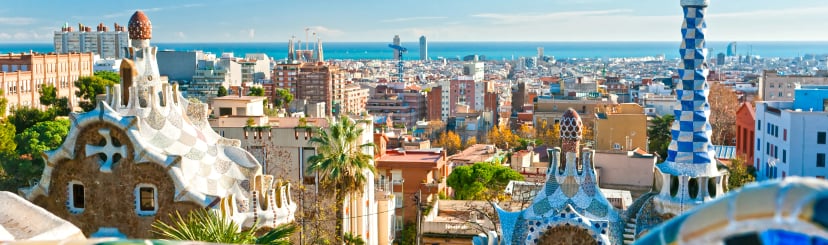
From central Barcelona, the route normally has to clear the urban ring before it can settle into a northbound rhythm. A hotel in Eixample or near Passeig de Gràcia is generally easier for a clean morning departure than a deep Gothic Quarter pickup, where narrow streets and pedestrian edges can add a fussy first reset before the day has even begun. Barceloneta can look glamorous on the map, but for this itinerary it is not the easiest base: reaching the northern road corridor from the waterfront often adds a cross-city move at the very moment you want the day to start smoothly.
Officially, Andorra is a road-dependent destination. Visit Andorra’s how to get here (https://visitandorra.com/en/visitor-information/how-to-get-here/) information explains that arrival by car from Spain runs via the N-145 from La Seu d’Urgell, which is the key hinge for a Barcelona-origin day. That detail matters because the route is not simply “drive to Andorra la Vella.” The last Spanish section and first Andorran section create the day’s most sensitive timing zone: traffic, road works, weather, local shopping flows, and border checks can all affect how quickly you move from La Seu d’Urgell toward Sant Julià de Lòria, the CG-1, and Andorra la Vella.
Season also changes how the day feels without changing the basic verdict. In warmer months, the first part of the drive can feel deceptively easy because Barcelona starts bright and urban, while the mountain sections ask for patience later. In cooler months, the route may require more conservative timing because weather, visibility, and road advisories matter more in the upper valleys. That does not mean Andorra should be avoided; it means the plan should leave fewer discretionary stops and should not depend on a fragile evening in Barcelona. A private driver earns their place here by reading conditions before committing to a higher or more exposed road choice, not by promising that the mountains will behave like a city transfer.
The cut-first rule is strict: do not add a separate long Catalan village stop unless the whole party values the stop more than time in Andorra. A short coffee pause or a viewpoint moment can help the body, but turning the route into a multi-stop sightseeing chain usually steals from the destination. If you want a road narrative, let the driver and guide narrate the transitions: Barcelona’s grid, the inland corridor, the Cadí crossing, the Segre valley, the border, and the increasingly vertical Andorran urban strip. That gives context without turning the day into a stop-and-start crawl.
The body consequence is real. By the time guests reach Andorra, they have already spent a substantial portion of the day seated, moving through changing light, pressure, and road shape. Curves and climbs tire some travelers more than a flat motorway does, even in a comfortable car. Children who are easy in the first hour can become restless after the Cadí stretch; older parents may be comfortable while seated but stiff when they step out in Andorra la Vella; guests prone to motion discomfort may find that scenic roads feel less romantic after the second sequence of bends. The best private plans build in one purposeful break and avoid the false economy of “just one more” roadside pause.
Border time should be treated as a variable, not a drama. This is not the place for legal travel advice, and travelers should confirm personal entry requirements separately when booking. From a planning perspective, the relevant point is simpler: the border can be quick or it can slow the day, especially when many vehicles are entering or leaving the principality. The Govern d’Andorra’s Mobilitat (https://www.mobilitat.ad/) site is the practical road-condition reference for traffic, incidents, and cameras. A private driver who checks the road picture before and during the day is not adding glamour; they are protecting the schedule.
What to do in Andorra when you only have one day from Barcelona
With one day from Barcelona, Andorra should be edited to two or three high-yield moments rather than treated as a country to sample exhaustively. The best version gives you mountain context, a compact urban walk, and one specific cultural, scenic, or food-led choice; the worst version tries to include every parish and ends up turning the principality into a series of parking maneuvers.
Andorra la Vella and Escaldes-Engordany: keep the capital useful, not endless
Andorra la Vella works best as a leg-stretch, orientation, and lunch anchor, not as the entire point of the journey. The capital’s valley-floor position makes it practical after the border approach, and Escaldes-Engordany sits close enough that the two often function as one urban decision for visitors. The traveler consequence is that you can have a compact walk, a meal, and a sense of the country’s urban geography without losing the afternoon to transfers.
The mistake is to let duty-free-style shopping become the organizing principle. Shopping can be a useful secondary pause, especially for guests who enjoy browsing, but a shopping-only framing makes the long driver day feel oddly thin. You did not leave Barcelona’s boutiques, Passeig de Gràcia, El Born, and Gràcia for several hours of road time merely to recreate a retail errand in a mountain valley. If shopping is central to your trip, a Barcelona design or style route will usually be a better use of time.
Ordino or a higher-valley pause: use one mountain village, not three
Ordino earns its place when you want Andorra to feel like a Pyrenean country rather than a capital-and-road day. It brings stone, slopes, valley perspective, and a quieter rhythm that makes the journey feel less transactional. It is also a useful editorial counterweight to Andorra la Vella: the capital shows density and commerce; Ordino shows the country’s mountain settlement logic.
Do not force several villages. A private day from Barcelona does not need a La Massana pause, an Ordino walk, a Canillo detour, and a late push toward higher ski valleys unless the entire trip has been designed around mountain scenery and the return is allowed to be late. One village plus one capital moment is usually stronger than four under-seen stops. This is where driver-led touring matters: the right driver understands when a beautiful road is becoming a time leak.
Madriu-Perafita-Claror or UNESCO context: use it for meaning, not a hike you cannot finish
The Madriu-Perafita-Claror Valley is a serious cultural landscape, not a decorative add-on for a long day from Barcelona. Visit Andorra’s World Heritage overview (https://visitandorra.com/en/nature—sports/natural-andorra-world-heritage/) notes the country’s UNESCO-recognised natural and cultural heritage, including Madriu-Perafita-Claror and Ordino Valley context. For a Barcelona day trip, that material is most useful as interpretation: it helps explain why Andorra is more than shopping, skiing, or a border crossing.
What it does not justify is a full hiking ambition inside a same-day private route from Barcelona unless the entire itinerary has been built around that physical purpose. The cobbled paths, high-valley access, and mountain weather deserve respect. If the party wants a true hiking day, Andorra can be designed around that with an early departure and a leaner urban plan. If the party wants a polished private day with lunch, conversation, and return control, use UNESCO context as depth, not as a promise to conquer terrain.
When the three-country idea helps, and when it turns the day brittle
The three-country version works only when the traveler values the geography more than the time spent in any one place. Adding France to Barcelona and Andorra can be memorable, but it changes the day from a focused principality visit into a borderland drive, and that must be chosen honestly.
Some travelers love the idea: Spain in the morning, France as a brief Pyrenean contrast, Andorra as the high-country core, and Barcelona again by evening. For them, a route such as the three-country private route can make sense because the point is not depth in Andorra; the point is the sensation of moving through the eastern Pyrenees, hearing different place names, seeing the road architecture shift, and understanding why this region resists simple map logic.
For many comfort-first travelers, however, the three-country label adds pressure. It can pull the day toward Pas de la Casa or French-side road decisions that make the return more exposed to mountain weather and traffic. It can also dilute the guide’s ability to make Andorra feel specific. A country-collector may enjoy the extra border. A traveler who wants lunch at ease, a calm capital walk, and a mountain village with context may find the extra country strangely unrewarding.
The private-tour value here is not that a driver can make geography disappear. They cannot. It is that the day can be honestly designed before the vehicle leaves Barcelona. If the long-distance brief matches your interests, a driver-led Andorra day is essential; if it does not, no amount of polished service will make the road feel shorter. For a custom route that keeps the brief narrow instead of overfilling the map, Inquire now.
How the return to Barcelona should shape the entire day
The return is where an Andorra day is either vindicated or exposed. A beautiful mountain day that damages the evening can still be the wrong choice for a short Barcelona stay, especially if the next commitment is a tasting menu, celebration dinner, family bedtime, or early transfer.
Plan the day backward from the evening you actually want. If dinner is casual in Eixample and guests are happy to arrive back with mountain dust in the mood, Andorra can run later. If the evening involves a serious reservation or an official menu (https://www.disfrutarbarcelona.com/en/menu) where timing is part of the experience, Andorra needs a sharper cut list. The route home from Andorra is not the moment to discover that everyone also wanted a long shopping stop, a second village, and a scenic detour.
The mood consequence is just as important as the clock. A controlled return lets Barcelona feel welcoming again: the grid of Eixample feels easy, the hotel lobby feels like a recovery point, and dinner can start with the pleasure of contrast. A late, overpacked return flattens the day. The mountains become a blur, the car feels smaller, and the evening becomes logistical damage control. That is why the best Andorra days often feel deliberately spare: fewer stops, better explanations, one proper meal, and a return that leaves space to re-enter the city.
Barcelona’s hotel geography matters here. Eixample is forgiving because drop-offs are clearer, restaurants are spread along workable blocks, and the district handles late returns without the claustrophobia of the old town. The Gothic Quarter can be charming after a city day, but after a long road day its pedestrian edges, stone lanes, and vehicle restrictions can make the final 15 minutes feel longer than they should. A waterfront hotel may feel airy on arrival days, but it can add unnecessary cross-city movement when returning from the north.
Premium spend changes comfort, privacy, and the ability to hold a cleaner schedule, especially when the driver understands the C-16 rhythm, the Túnel del Cadí timing, and the Spanish-Andorran border approach. It does not change the essential nature of the day. A luxury car does not make the day worthwhile if the traveler does not value the long mountain arc. Paying more helps when the itinerary is right; it cannot rescue a poor fit.
For travelers considering chauffeured movement in Barcelona more generally, a chauffeured Barcelona touring day is a different decision from Andorra. Inside the city, a chauffeur can solve hills, heat, and cross-town friction. On the Andorra route, the chauffeur solves endurance and timing, but the distance remains the central feature.
The driver’s cut list: what not to force into an Andorra day
The most elegant Andorra day is usually the one that refuses several tempting additions. The driver’s brief should protect the day from the small overextensions that each look harmless alone and destructive together.
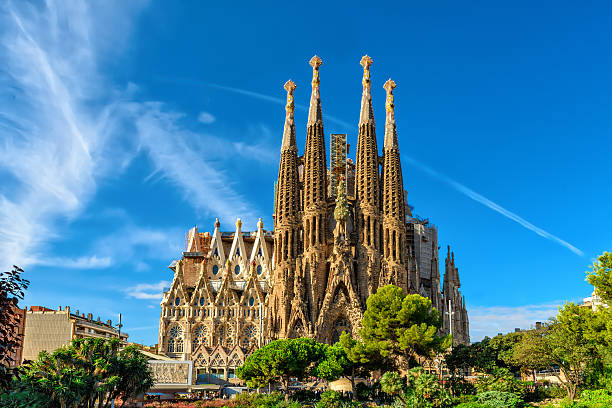
- Do not force a full Barcelona morning before departure. A Sagrada Família interior, Park Güell hill logistics, or a Gothic Quarter walk before Andorra turns the day into two incompatible itineraries. Save city touring for another day.
- Do not build the day around shopping alone. Shopping can sit inside the plan, but it should not be the reason for accepting the road time from Barcelona.
- Do not add a long French detour unless the three-country idea is the purpose. France can be meaningful in a borderland route, but it is not a free bonus.
- Do not stack multiple Andorran parishes just because the country is compact. Compact geography still has mountain roads, parking points, valley traffic, and return consequences.
- Do not book a fragile Barcelona evening afterward. A late tasting menu, theatre-style timing, or formal celebration can work only if the Andorra day is intentionally lean.
The stop to cut first is the “extra scenic pause” after you already have a capital walk, lunch, and one village or valley moment. Travelers often add it because the map makes it look nearby. The ground experience is different: each pause means parking, regrouping, coats or bags, a short orientation, photos, and re-entry into the car. After several hours on the road, the time cost is not only minutes; it is mental fragmentation.
Food-and-wine travelers should be especially disciplined. Andorra can include a good meal, but it should not be combined with a serious Barcelona food evening as if both can remain at full strength. If the day before or after involves Penedès, a coastal lunch route, or a restaurant-led Barcelona plan, Andorra may become the wrong middle. In a short stay, the strongest private itinerary is not the one with the most categories; it is the one where each day has a dominant rhythm.
Families and multigenerational groups should also resist the “small country equals easy with kids” assumption. Children may enjoy the idea of crossing into a new country, the mountain scenery, and a compact capital stop, but they still experience the day through seat time, snack timing, bathroom breaks, and the return mood. Older parents may appreciate a private vehicle and fewer walking demands than a city day, yet they may feel the stiffness of long seated stretches. Good private planning keeps both generations from pretending enthusiasm is the same thing as endurance.
When a nearer Catalonia day trip is better than Andorra
A nearer Catalonia day trip is better when your real goal is impact, not distance. Andorra has a specific charm, but Montserrat, Girona, Penedès, and the coast each beat it under common Barcelona-stay conditions.
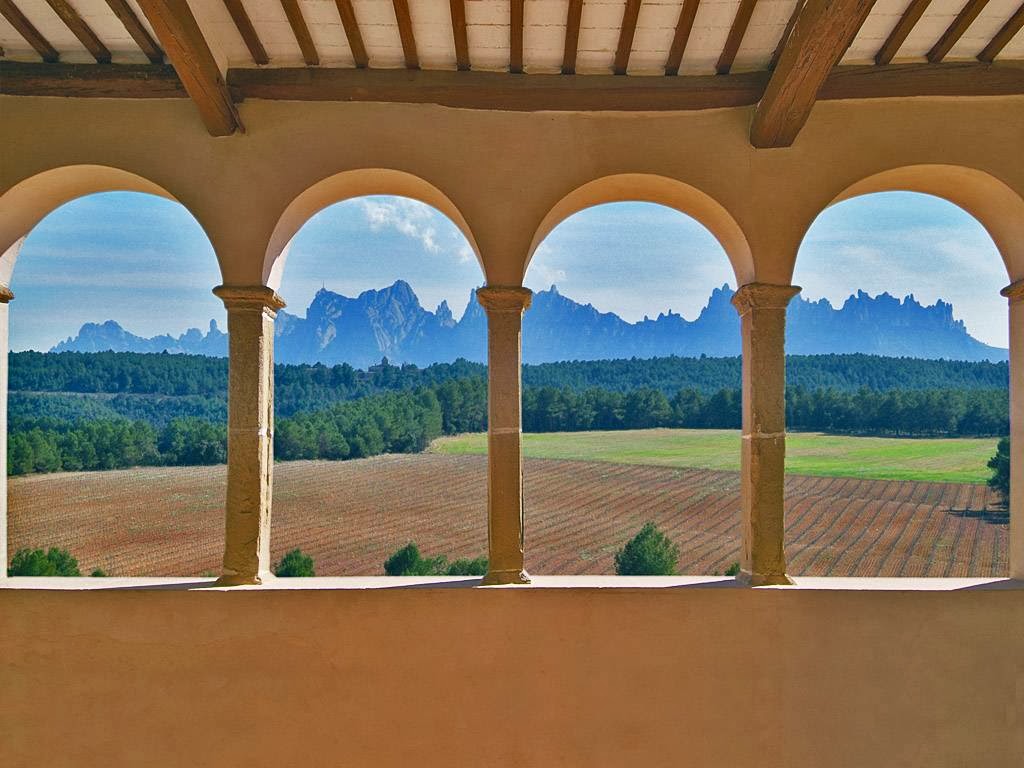
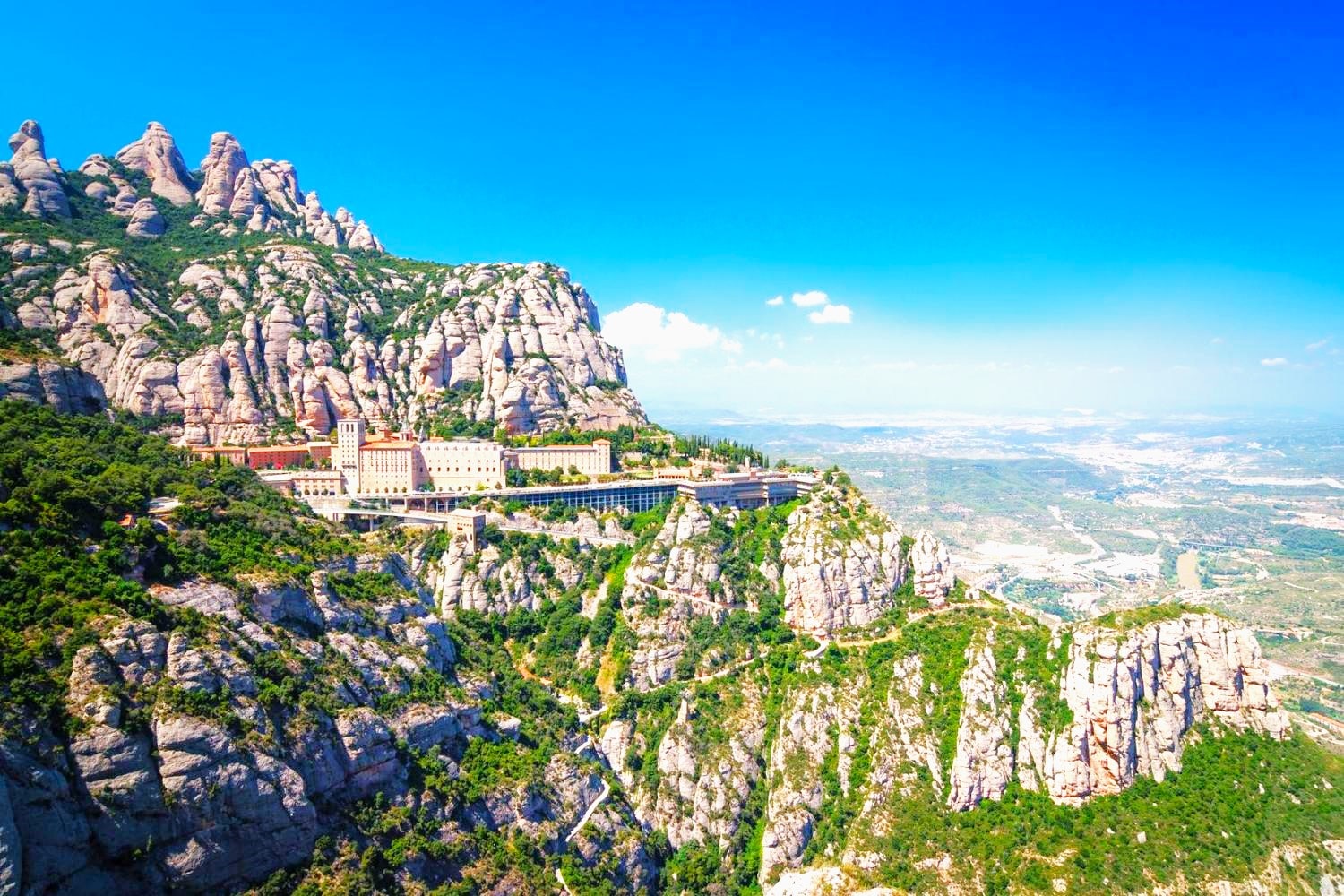
Choose Montserrat when you want a mountain day with a strong visual and spiritual center, a shorter drive, and a return that leaves Barcelona dinner fully alive. Montserrat is also better for first-time visitors who have not yet given Barcelona enough attention. Its rock forms and monastery setting deliver a concentrated sense of place without asking the whole day to justify a border crossing. If you are already anxious about road time, Montserrat is the cleaner mountain answer.
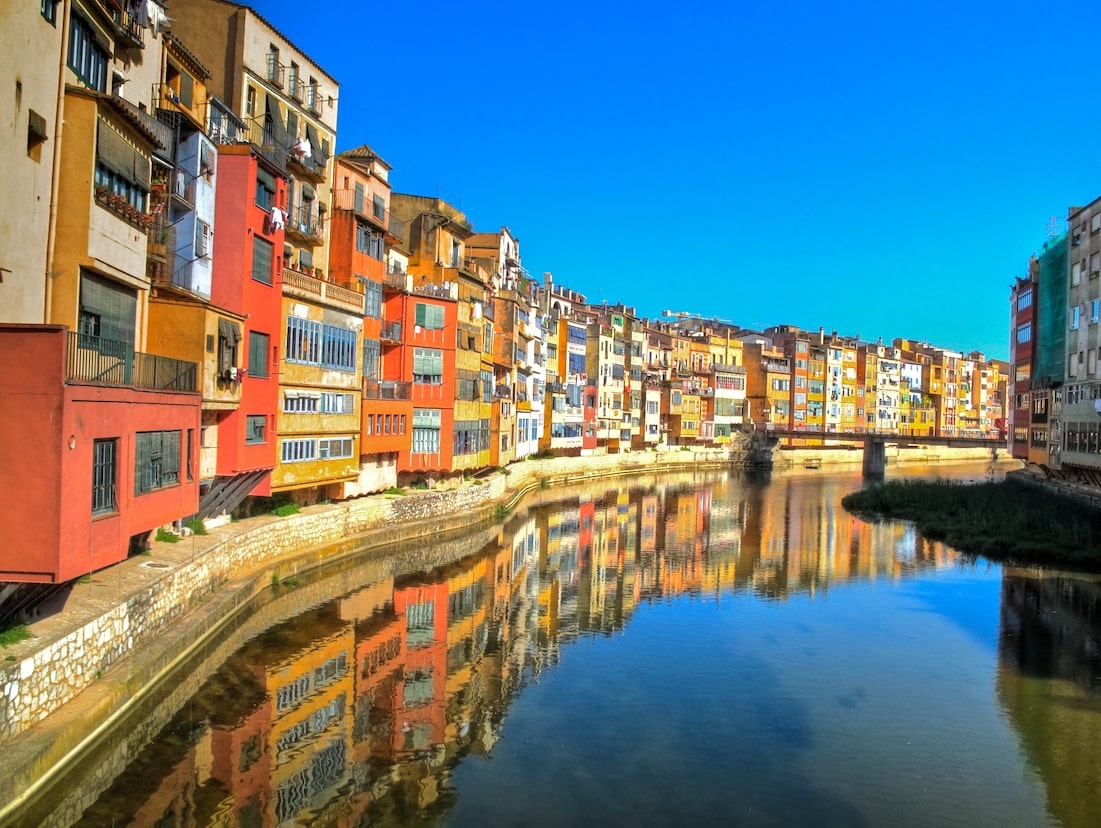
Choose Girona when you want depth on foot. The old town, cathedral slope, river crossings, Jewish heritage, and lunch pacing give travelers a complete cultural arc without the same Pyrenean endurance test. Girona is often better for travelers who want to talk, walk, photograph, and eat without spending so much of the day in motion. It is also better when the group includes people who become restless in cars but are happy in a walkable city.
Choose Penedès when the day should be social, culinary, and softer. A cava country route has its own timing discipline, but it does not carry the same mountain-road consequence. It suits couples, celebration travelers, and food-and-wine travelers who want the day to build toward a generous lunch and an easier return. In many premium Barcelona stays, Penedès is the more elegant choice because it gives countryside contrast without making distance the main story.
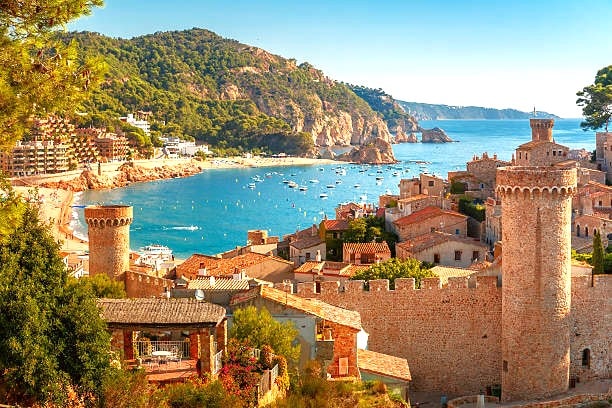
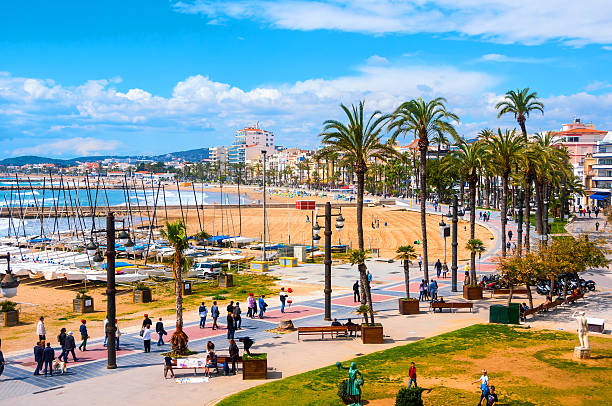
Choose the coast when the stay needs air. Sitges, parts of the Costa Brava, or a coastal lunch stop can make Barcelona feel larger without asking travelers to commit to a high-mileage mountain day. This is especially true after several Gaudí interiors, old-town walks, or museum blocks. A coast day changes the body differently: less altitude, more sea air, less pressure to explain every transfer. For many second-stay travelers, that mood shift is more valuable than crossing into Andorra.
Choose Andorra despite all of that when the party explicitly wants Pyrenees geography, a principality story, and a long driver-led arc that feels different from ordinary Catalonia day trips. That is the firm editorial call. Andorra is not the best universal day trip from Barcelona. It is the best long private day for travelers who would be disappointed to stay near the city when the mountains and borderland are calling.
How to brief your private driver and guide before you book
The best Andorra day starts with a brief that states what the road is supposed to accomplish. Without that brief, even a skilled driver and guide may be asked to reconcile incompatible expectations: high-country scenery, deep culture, shopping, France, lunch, and a pristine Barcelona dinner.
Begin with the party’s tolerance for road time. Be candid about children, older parents, motion sensitivity, long-lunch expectations, and whether anyone needs the evening to be gentle. Then choose one primary purpose: mountain scenery, principality context, a three-country route, a village-and-capital day, or a food-and-shopping pause with light interpretation. A private guide can then make the narration and stop pattern support that purpose instead of letting the day drift.
Ask the planner to state the first cut if timing slips. The answer should not be vague. It might be the French detour, the second village, a shopping block, or a viewpoint. The point is to decide before the road starts making decisions for you. In the Pyrenees, weather, traffic, and border rhythm can change the feel of a day; a private plan should be flexible without becoming shapeless.
Ask also how the return will be protected. A good plan will distinguish between “back in Barcelona” and “ready for the evening.” Those are not the same. Returning to the city edge, reaching the hotel, changing for dinner, and moving again to a restaurant are separate pieces of the evening. If your dinner is in Eixample, the path is cleaner. If it is deep in the Gothic Quarter, El Born, or near the waterfront, the final movement needs more margin.
For travelers still comparing long-distance options, private day trips outside Barcelona is the broader planning shelf. Use it after you have decided whether Andorra’s distance is a feature or a warning. The right itinerary should make the day feel deliberately long, not accidentally overextended.
FAQ
How long is Andorra from Barcelona as a private day trip?
Andorra from Barcelona should be treated as a full-day private driver route, not a short excursion. The Barcelona-to-Pyrenees road time, the Cadí approach, the La Seu d’Urgell hinge, and the border-to-capital section all shape how much time remains for Andorra itself.
Is Andorra better than Montserrat for a mountain day from Barcelona?
Andorra is better when you want a long Pyrenees road arc and a principality story. Montserrat is better when you want a shorter, higher-impact mountain day with more reliable evening energy in Barcelona.
Should first-time visitors to Barcelona choose Andorra?
Usually no. First-time visitors should choose Andorra only if the Pyrenees and borderland idea is a major personal interest. Otherwise, Barcelona itself, Montserrat, Girona, Penedès, or the coast usually use limited trip time better.
Can Andorra from Barcelona include France in the same day?
Yes, but only when the three-country concept is the purpose of the day. Adding France makes the route more about borderland geography and less about depth in Andorra, so it should not be treated as a casual bonus.
What should be cut first if the Andorra day gets too full?
Cut the extra scenic pause or second village first. Keep the core: the mountain road narrative, one Andorran urban anchor, one village or valley context moment, lunch, and a return that does not damage the evening.
Is a luxury chauffeur worth it for Andorra from Barcelona?
A luxury chauffeur is worth it for comfort, privacy, road monitoring, and cleaner timing. It is not worth it if the traveler does not actually value the long mountain route, because the vehicle cannot make Andorra a short day.
Is Andorra a good day trip with children or older parents?
It can be, but only for families comfortable with long seated stretches and a lean stop pattern. Children and older parents often do better when the day includes one purposeful break, one compact walk, and no attempt to see every parish.
Can I plan a serious Barcelona dinner after Andorra?
Yes, but the Andorra itinerary must be edited around the return. A formal dinner, tasting menu, or celebration reservation requires fewer stops, a clear departure from Andorra, and enough hotel time before the evening begins.
If you’re interested in any private tours of Barcelona, please reach out to us.








 So if you are looking for the absolute best in Barcelona & surroundings with authentic local fully-licensed native guides whose English you can actually understand and with an exclusive and amazingly fun itinerary