London Before a Serious Dinner: Gallery Hour, Gentle Walk or Hotel Reset?

Updated
Verdict: Before a serious London dinner, choose a capped gallery hour if it ends on the same side of town as the table; choose a hotel reset if the day has already carried one major sight; use a gentle walk only when it is genuinely on the way. In the final 90 minutes before a Mayfair dinner, London rewards proximity more than ambition: Trafalgar Square into St James’s can feel composed, while a late cross-river hop or one more Tube interchange can make even a chauffeured evening feel jagged. The clearest exception is fatigue, theatre, or formal-dress prep; then the hotel reset is the answer, not a compromise. The point is to let the dinner neighborhood decide how much city belongs before the first course.
The useful correction is that Mayfair is not automatically the easiest pre-dinner base just because many serious restaurants and hotels sit there. East Mayfair, St James’s and the National Gallery can work beautifully together; west Mayfair, Marylebone and parts of the West End become different decisions. A non-obvious hinge: leaving Trafalgar Square toward Charing Cross and the Strand pulls you into commuter and theatre currents, while leaving toward Pall Mall, Jermyn Street and St James’s keeps the movement pointed toward Mayfair. That single exit choice can decide whether the afternoon feels like a cultured prelude or a tired shuffle.
This guide is for the narrow planning problem that expensive London trips often mishandle: what to do after the day’s main sightseeing is over but before a dinner that deserves appetite, attention and clean logistics. It is not a restaurant ranking and it is not another city-day itinerary. If you are still building the whole trip, start with private tours in London; if tonight is already anchored by a serious table, the decision below is about restraint.
The dinner-neighborhood matrix: what to do before Mayfair, St James’s, Marylebone or the West End
The best pre-dinner choice depends on where the dinner sits, how much standing you have already done, and whether the last move points naturally toward the table. London is not difficult because the distances are impossible; it is difficult because short-looking moves often contain pavement drag, station stairs, traffic lights, theatre crowds, taxi uncertainty and the small indignity of arriving too warm or too mentally full for a long meal.
Use the last pre-dinner window as a geography test, not a sightseeing opportunity. If the afternoon ends in Trafalgar Square and the table is in St James’s or east Mayfair, the city is helping you. If the afternoon ends in South Kensington, the City, the South Bank or a crowded Covent Garden edge and the table is west Mayfair or Marylebone, the city is asking for a reset. The consequence of ignoring that mismatch is subtle but real: the dinner begins with route recovery instead of anticipation.
Mayfair dinner: The default winner is a hotel reset or a capped gallery hour that finishes on the St James’s side, not a roaming Mayfair shopping loop. If the dinner is east Mayfair or near Piccadilly, a National Gallery hour can lead into Pall Mall, Jermyn Street, Burlington Arcade or Green Park. If dinner is west of Berkeley Square or closer to Mount Street, finish touring earlier and reset at the hotel; a late Bond Street detour looks elegant on a map but often turns into slow crossings and window-shopping fatigue.
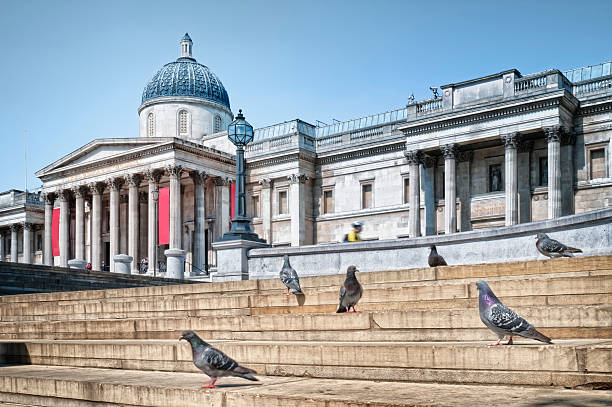
St James’s dinner: The gallery hour is the strongest option. Trafalgar Square, the National Gallery, Pall Mall and Jermyn Street form a compact cultural corridor, and the walk can stay short without feeling empty. This is the best geography for travelers who want one real London idea before dinner without making the meal compete with a full museum afternoon.
Marylebone dinner: The right answer is usually the Wallace Collection area, a Marylebone village walk, or a hotel reset. Do not force Trafalgar Square into a Marylebone dinner unless you have time and energy to spare. Manchester Square into Marylebone High Street is gentler than crossing the West End late, and it lets the evening remain local rather than becoming a transfer exercise.
West End dinner: The gentle walk wins only if it avoids the worst pinch points. Covent Garden to Soho, Leicester Square to St Martin’s Lane, and the Strand edge can be rewarding when the restaurant is nearby, but Piccadilly Circus at showtime can drain the hour. If the dinner follows theatre, let the curtain set the route; do not add a museum after the show.
Wrong fit: One more major museum is the option to cut first. The British Museum, the Tower, South Kensington museums, Tate Modern and Westminster interiors can all be superb at the right time, but they are too large, too directional, or too mentally consuming for the hour before a serious dinner.
Cap the gallery hour, or leave it out
A gallery belongs before dinner only when it is curated as a single controlled hour. The goal is not to “fit in the National Gallery” but to select a narrow thread: one room of Italian painting, a compact British portrait arc, a short Dutch sequence, or a private guide’s handpicked route that makes Trafalgar Square meaningful without demanding a museum day. Check the National Gallery visiting page (https://www.nationalgallery.org.uk/visiting) before you plan around a late opening, closure or special exhibition, but do not let the availability of time tempt you into using all of it.
The practical cap is 45 to 70 minutes for most food-led travelers, with 75 minutes as the point where the evening starts to pay for the afternoon. Ninety minutes can work for devoted art travelers if the route is seated, selective and close to dinner, but it is no longer a casual prelude. Past that, you are not warming up the evening; you are creating a second main event and asking the dinner to rescue the day’s energy.
The most elegant gallery hour before St James’s or Mayfair is not a greatest-hits sprint. It is a decisive edit. Start with one interpretive question, stop before the group becomes quiet from standing, and leave through the side that leads toward the next street. A private guide can make that edit feel generous rather than stingy because the guide supplies the connective tissue: why this artist, why this room, why this matters before you walk out into the city. For travelers who want that cultural compression, a private National Gallery tour is often more useful than a longer unguided visit.
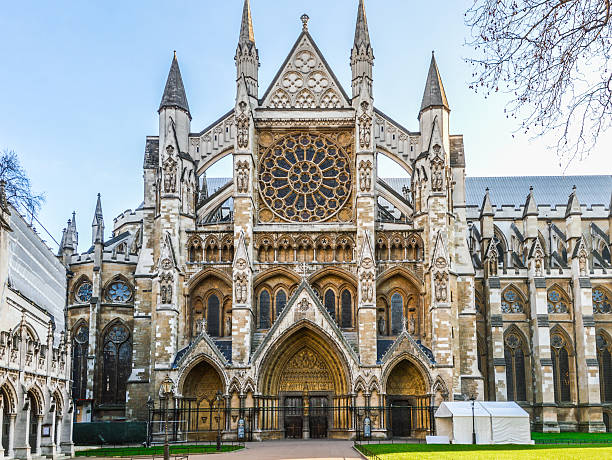
There is an honest limit. If you have already done the British Museum in the morning, Westminster Abbey after lunch, or a dense Tower of London visit earlier in the day, the gallery hour may be the wrong kind of clever. The brain has a museum appetite just as surely as the body has a dinner appetite. When both are full, art stops landing as experience and becomes obligation. That is when the hotel reset wins.
The practical gallery test is whether the exit itself feels like the beginning of dinner. Trafalgar Square to Pall Mall can do that; a last room followed by a search for the correct Tube platform usually cannot. The route should end with a controlled handoff: coat collected, bathroom stop taken, the next street already chosen, and no lingering debate about whether there is time for one more room. In London, the gallery hour fails less often because the art is wrong than because the exit plan is vague.
When a gentle walk actually helps before a serious dinner
A gentle walk helps when it clears the head without adding a new destination. In London, that usually means a two-street or one-park transition, not an improvised “let’s wander” across several neighborhoods. Good pre-dinner walks have a clean beginning, a clean ending and one reason to exist: air after a gallery, a view after a hotel reset, or a slow arrival into the dinner quarter.
For Mayfair and St James’s, the strongest short walks are not necessarily the most famous. Pall Mall into St James’s Square gives political and clubland context without dragging you toward the river. Jermyn Street offers texture, tailoring and shopfront history without the pressure of serious shopping. Burlington Arcade can work as a contained passage rather than a retail project. Green Park can soften the approach to Piccadilly or Hyde Park Corner, but only if the dinner sits near that edge; otherwise it becomes an attractive detour with a tired ending.
The overvalued base is Piccadilly Circus. It looks central and it is central, but central is not the same as calm. At the wrong hour, the pavements fill with theatre movement, street crossings slow down, and the whole thing can make a couple feel as if they are trying to preserve a private evening inside a public funnel. A better move is to keep to St James’s, Pall Mall, Cork Street, Savile Row, Berkeley Square or Mount Street depending on the table. Those streets do not need to be described as romantic; their value is that they let conversation continue.
Marylebone requires a different instinct. The best walk before a Marylebone dinner is not a westward extension from Mayfair after you are already tired. It is a local pass through Manchester Square, Marylebone High Street or the quieter residential grid around it. The Wallace Collection area works because it gives cultural weight without forcing a cross-town reset. Check the Wallace Collection visiting page (https://www.wallacecollection.org/visit/) before you treat the museum as a pre-dinner anchor, then keep the evening local rather than turning Manchester Square into a transfer point. If your hotel is in Mayfair and the dinner is in Marylebone, decide early whether the evening is going to be Marylebone-led or hotel-led; late indecision is what creates the extra taxi, the extra walk and the flat arrival.
For the West End, the gentle walk is a precision tool. Covent Garden can be delightful when you are not fighting the market crowds or trying to reach a table on the other side of Soho. St Martin’s Lane, Cecil Court, Seven Dials and the calmer edges of Covent Garden can carry a short pre-dinner transition. But do not add a river view, a South Bank crossing or a last-minute photo stop unless the restaurant is genuinely aligned with it. The mood-killing mistake is the “almost nearby” add-on: the famous thing that is close enough to tempt you and far enough to make the dinner start with relief instead of appetite.
When the hotel reset is the correct choice
The hotel reset is the correct choice when the dinner is the most important cultural event of the evening, when clothing or weather matters, or when the day has already had a major sight. This is especially true for tasting menus, celebration dinners, anniversary nights, family dinners with older parents, and evenings where the table carries emotional weight. Returning to the hotel is not a failure of imagination; it is often the most adult decision in the itinerary.
The right answer is to stop touring and return to the hotel when the group has become quiet for the wrong reason, when one person is managing shoes or temperature, when you still need to change, or when the next movement requires more than one clean transfer. London can hide fatigue because the streets remain interesting. Travelers keep accepting one more block, one more room, one more shop, and then notice too late that the evening has become a recovery exercise.
London works on the body in small increments. Gallery floors mean slow standing, which is more tiring than many travelers expect. Tube stations can add stairs, long corridors and heat. Taxis can involve waiting, circling, or being dropped on the wrong side of a busy street. River crossings and West End pavements can be delightful earlier in the day and oddly draining when you are dressed for dinner. The body consequence is not dramatic exhaustion; it is a loss of posture, patience and appetite.
London also works on the mood. A calm pre-dinner hour makes the meal feel like the evening’s beginning; a crowded one makes the meal feel like the day’s apology. Couples notice this most because the mistake is not simply tired feet. The mood consequence is the shift from shared anticipation to quiet logistics: checking the route, watching the time, deciding whether to call a car, wondering whether there is time to change, and arriving with attention still scattered across the city. A hotel reset restores privacy before the public ritual of dinner.
The hotel reset is particularly strong when the restaurant is in Mayfair or Marylebone and the hotel is already nearby. It lets you take a short post-reset walk, use a reliable car for the final hop, or arrive without carrying the day’s purchases, coats or museum programs. For celebration travelers, that practical lightness is more valuable than another sight. For families, it can prevent the pre-dinner hour from becoming the part of the day everyone remembers for the wrong reason.
The reset also protects the table from the wrong kind of comparison. A major museum can leave everyone mentally expanded but quiet; shopping can leave everyone slightly transactional; a long walk can make the first glass of wine feel medicinal. A good serious dinner should not have to repair those states. It should receive guests who have already put the day down.
How theatre plans change the pre-dinner sequence
Theatre changes the sequence because it adds a fixed public event before, after or around dinner. Once a West End curtain is involved, the dinner is no longer the only clock. The mistake is to treat theatre as a decorative extra and keep the same gallery-walk-reset logic. A theatre plan changes movement, clothing, hunger, conversation and return routes.
If dinner is before an evening performance, keep the afternoon lighter than you think. A gallery hour can still work, but the hotel reset should usually happen before dinner, not after. The reason is simple: dinner plus theatre creates a long seated evening with little control over pace. If the afternoon has already demanded standing and transfers, the performance can feel like a second endurance test. The best pre-theatre dinner nights start with a controlled afternoon and a clean arrival in the West End.
If the performance comes before a late dinner, the cultural stop belongs before the theatre, not between curtain-down and the table. After a show, the West End releases people into the same streets at once. Covent Garden, Leicester Square, Shaftesbury Avenue and Piccadilly Circus can all feel narrower than they did at 4 p.m. At that point the choice is not “gallery or walk”; it is whether the restaurant is close enough for a calm stroll or whether a car is the better way to keep the late dinner from starting in a crowd.
If the theatre is a matinee and dinner is later, the post-matinee window is often where travelers overreach. They think there is time for another gallery because the show ends before dinner, but the body has already sat, queued, navigated crowds and processed a full performance. After a matinee, choose a hotel reset or a dinner-neighborhood walk. Do not insert a museum unless the group specifically wants art and the restaurant is close. For a broader theatre-and-sightseeing day, the cleaner planning logic is handled in a private London theatre-and-sightseeing day.
The paid upgrade that earns its place is selection, not speed
Premium spend helps before a serious dinner when it reduces decisions, compresses context and removes avoidable transitions. It does not help when the plan itself is too full. A chauffeur cannot make an overpacked pre-dinner route feel elegant. A car can improve comfort in rain, simplify a Marylebone-to-Mayfair movement, help older travelers avoid station stairs, and make a final transfer feel controlled. It cannot turn South Kensington, the South Bank, Trafalgar Square and Mayfair into a graceful pre-dinner sequence if the afternoon was already asking too much.
The strongest upgrade is often a guide who knows what not to include. Before dinner, a private guide’s value is not only explanation; it is refusal. A good guide can make the National Gallery feel complete in one hour, turn St James’s into a meaningful transition rather than a street-name blur, or steer a family away from a famous add-on that would cost the evening more than it gives. A guide can also change the plan midstream: gallery if the group is alert, hotel reset if attention is slipping, short walk if the weather and dinner geography cooperate.
A chauffeur earns the cost when the dinner geography is fragmented, the group has mobility needs, the weather is awkward, or formal clothing makes station movement undesirable. For a Mayfair table after a Marylebone stop, a car can turn a potentially fussy transfer into a quiet pause. For a West End theatre night, it can prevent the post-show crowd from owning the route. For travelers comparing this with a full-day car plan, a luxury chauffeured London private tour is most useful when the route has distance or mobility consequences, not when the only problem is an overstuffed wish list.
The premium question should therefore be asked in reverse. Do not ask how much more can be bought before dinner; ask what can be removed without making the afternoon feel thin. A guide can remove guesswork. A car can remove one tiring transfer. A hotel reset can remove the city from your shoulders. None of those upgrades is glamorous in the abstract, but each can protect the one thing the dinner needs most: a group that arrives with appetite and attention intact.
This is also where Orange Donut Tours can make the commercial decision feel editorial rather than promotional. If the dinner is fixed and you want one meaningful cultural stop before it, the right handoff is not “add more time.” It is to pair the guide, the route and the final transfer so the afternoon ends facing the evening. Inquire now
A workable afternoon arc before a serious London dinner
A good pre-dinner arc starts with the table and works backward. The restaurant’s neighborhood, dress level, expected meal length and emotional importance should decide whether you spend the afternoon on art, air or privacy. A tasting menu does not need the same lead-in as a relaxed neighborhood dinner, and a celebration meal does not need the same lead-in as an ordinary last night out. Serious dinner planning is less about where to eat and more about how to arrive.
For a Mayfair dinner with art appetite, finish the day’s main sightseeing early, pause at the hotel if needed, then do a 60-minute National Gallery route that exits toward Pall Mall and St James’s. From there, keep the walk contained: Jermyn Street, Burlington Arcade, Piccadilly, Green Park or a direct car depending on the restaurant. Do not add Westminster, the river or a major shop stop. The dinner is already carrying the evening.
For a St James’s dinner, the gallery hour has the cleanest logic. Trafalgar Square, the National Gallery, Pall Mall and Jermyn Street give the pre-dinner window enough substance without forcing a new neighborhood. If the group wants more context, an art-and-antiques arc through St James’s and Mayfair can be built earlier in the day, then cut sharply before dinner; this St James’s, Mayfair and National Gallery planning guide is a better place for that fuller version.
For a Marylebone dinner, think smaller and more local. Use the Wallace Collection area if you want a cultural note, then let Manchester Square and Marylebone High Street set the evening’s scale. If your hotel is not nearby, consider a hotel reset first and then transfer once, rather than walking yourself into a second reset. Marylebone rewards travelers who stop trying to make it Mayfair’s extension and let it be its own village-like dinner quarter.
For a West End dinner, decide whether the evening is theatre-led or food-led. If it is theatre-led, avoid adding a gallery after the show. If it is food-led and the table sits in Soho, Covent Garden, the Strand or St James’s, a short walk can be enough. The West End is where travelers most often confuse proximity with simplicity. Five minutes on a map can mean a crowded crossing, a street-performance bottleneck or a route that repeatedly interrupts conversation.
For a dinner such as Ikoyi menu & reservations (https://www.ikoyilondon.com/), use the official restaurant information to confirm the evening’s rhythm, then choose the afternoon by energy rather than by prestige. A serious menu asks for attention. That does not mean doing nothing all afternoon; it means avoiding the kind of cultural overreach that makes the meal feel like a final appointment instead of the point of the night.
Food-led travelers who want the whole day to support the evening can build the broader arc around markets, neighborhoods, tastings and one controlled cultural stop, but the last pre-dinner window still needs restraint. A private food-and-wine day can shape appetite without turning the afternoon into grazing or shopping sprawl; London food-and-wine private touring works best when the serious dinner remains the day’s finish, not one more booking after too much.
What to cut first when the afternoon is getting crowded
Cut the extra landmark first, then the cross-town transfer, then the shopping detour. Do not cut the reset first unless everyone is genuinely fresh. This is the planning rule that saves more serious London dinners than any restaurant tip. The temptation is to keep the famous sight and sacrifice the quiet hour because the quiet hour has no ticket, no photograph and no obvious bragging value. But the quiet hour is what makes the ticketed evening work.
The first cut is one more major museum. If you have the National Gallery in mind, make it a gallery hour, not a museum afternoon. If you have the British Museum in mind, give it a proper day slot, not a late pre-dinner cameo. If you have Tate Modern in mind before a Mayfair or St James’s dinner, remember that the South Bank means a river relationship and a return decision; it can be wonderful when the evening is south or river-led, but it is rarely the lightest path into a Mayfair table. When the Thames is the point of the evening, a different guide applies, such as London before a private Thames evening.
The second cut is the almost-logical transfer. London creates many of these: South Kensington to Mayfair after a museum, the City to St James’s after a late meeting, the South Bank to Marylebone because the river looked close, or Covent Garden to west Mayfair because both feel central. None is impossible. The problem is that each one consumes decision-making right when the evening needs ease. A private car may soften the movement, but it cannot make every movement worth doing.
The third cut is shopping. Bond Street, Savile Row, Jermyn Street and Marylebone boutiques all have their place, but pre-dinner shopping changes the body language of the hour. People browse, compare, carry things, step into fitting rooms, wait for packaging and lose the clean line to dinner. If shopping is a priority, give it its own earlier arc. Before a serious meal, a shopfront street can be texture; it should not become an errand.
Premium spend does not help much here: a chauffeur cannot make an overpacked pre-dinner route feel elegant.
FAQ
Is a gallery hour before dinner in London worth it?
Yes, if the gallery is close to the restaurant and capped at one focused route. It works especially well for St James’s, Trafalgar Square, east Mayfair and some West End dinners, but it should not become a second museum day.
How long should a gallery visit be before a tasting menu or serious dinner?
Plan on 45 to 70 minutes for most travelers. Stretching past 75 minutes starts to compete with the evening, and 90 minutes should be reserved for art-focused travelers with a close restaurant and no need for a hotel reset.
Is a hotel reset better than a walk before a Mayfair dinner?
A hotel reset is better when you need to change, the day has already included major sightseeing, the restaurant is west Mayfair, or anyone is managing fatigue. A short walk is better only when it genuinely lies between the hotel, gallery and table.
What should I do before dinner in St James’s?
Choose a capped National Gallery hour or a short St James’s walk through Pall Mall, Jermyn Street and nearby squares. St James’s is one of the best London dinner geographies because cultural context and restaurant access sit close together.
What is the best pre-dinner plan for Marylebone?
Keep it local. Use the Wallace Collection area, Manchester Square or Marylebone High Street, or return to the hotel and transfer once. Do not force a Trafalgar Square or West End stop unless the group still has real energy.
How do West End theatre plans affect a serious dinner?
Theatre makes the sequence stricter. If dinner is before the show, reset before dinner; if dinner is after the show, avoid adding a museum between curtain-down and the table. Let the theatre location decide whether you walk or use a car.
Can a chauffeur solve the pre-dinner timing problem?
A chauffeur can improve comfort, drop-offs and weather resilience, especially for Mayfair, Marylebone and West End movements. It cannot rescue an overpacked route, so the main value still comes from cutting the right stop.
Should I book a private guide for just one gallery hour?
Yes, when the hour would otherwise become vague or rushed. A private guide can make one gallery thread feel complete, choose the exit that fits dinner geography, and stop the visit before it steals attention from the meal.
If you’re interested in any private tours of London, please reach out to us.















 So if you are looking for the absolute best in London & surroundings with authentic local fully-licensed native guides whose English you can actually understand and with an exclusive and amazingly fun itinerary













