Spring Gardens, Summer Crowds or Winter Museum Days? Choosing the Right Season for a Premium London Private Stay

Updated
For a premium private London stay, the strongest default is late spring into early summer, roughly late April through June, rather than peak summer. It gives gardens, royal parks and daylight enough space to matter, while still letting you anchor afternoons indoors when London’s museum crowds or weather change the tone. Kensington Gardens before a South Kensington museum afternoon is the cleanest example: fresh air first, Exhibition Road second, no unnecessary cross-city reset. The exception is a culture-focused couple or older family who would trade gardens for calmer winter museum days and shorter, more contained sightseeing.
London’s best season is the one that lets you alternate garden air, royal exteriors and museum interiors without making transfers do the emotional work. Summer is not automatically the best season for a premium London stay. It can be superb for long evenings, family calendars and river views, but it also brings the highest pressure around the sights many first-timers most want: Westminster, the Tower, South Kensington museums, palace days and the obvious day trips. A private plan should not pretend those pressures disappear; it should place the right things in the right season and stop forcing the wrong ones.
The useful question is not “when is London nicest?” It is “which season gives your version of London the fewest tradeoffs?” If gardens, royal parks, Windsor and open-air time matter, late spring or early summer usually wins. If museums, scholarship and quiet gallery pacing matter more than lawns and long evenings, winter can be the better premium choice. If your children’s school calendar fixes July or August, summer can still work, but it needs a different rhythm: fewer icons per day, stronger indoor anchors, and a firmer cut list.
Orange Donut Tours plans around that seasonal logic rather than treating London as the same city in every month. The most relevant next step for a tailored version of this decision is seasonal London private tours, but this guide first gives you the editorial framework: which season wins, where it breaks down, and how the answer changes for gardens, museums, royal sights, Windsor, Bath, Oxford and the Cotswolds.
What is the best season for a premium London private stay?
The best default season is late spring into early summer if you want London to feel open, layered and unrushed. The city gives you enough daylight for parks, royal exteriors and a day trip, but it has not yet become a peak-summer negotiation at every threshold. This is when a morning can start in Kensington Gardens, pass the Albert Memorial and the edge of Hyde Park, then move down toward South Kensington without feeling like a transfer-heavy production. That hinge matters more than a generic weather chart because it changes what the day does to your body: you walk for air and proportion, not because the route planner trapped you between disconnected stops.
For culture-focused travelers, winter is the runner-up and sometimes the better fit. It can make museums feel more like the point of the trip rather than the backup plan. A British Museum morning, a National Gallery late afternoon, or Churchill War Rooms paired with a restrained Westminster route can feel crisp and adult when the plan is not pretending to be a garden holiday. The British Museum’s official visit guidance (https://www.britishmuseum.org/visit) is also a useful reminder that even free-entry institutions can involve timed tickets, security checks and capacity-related queues; winter reduces some pressure, but it does not remove the need for order.
Peak summer is the most overvalued answer for comfort-first first-timers. Longer days are attractive, but they tempt travelers into doing too much: Tower in the morning, Westminster at midday, South Kensington by late afternoon, dinner in Mayfair, then theatre. Paying for premium planning does not remove peak-season crowding at every iconic sight. It helps you avoid exposing yourself to the worst of it by choosing a better sequence, a shorter list and more realistic indoor-outdoor alternation.
The wrong fit is a summer itinerary that tries to buy its way out of city physics. Chauffeurs help with selected transfers, private guiding improves context and decision-making, and well-chosen timed entries reduce uncertainty. None of that makes a July pavement outside a royal sight feel private, or makes a crowded museum entrance behave like a salon. In London, premium value comes less from doing more and more from editing sooner.
The London season matrix: gardens, museums, royal sights and day trips
Use this matrix as the planning spine. The comparison criteria are simple: outdoor payoff, museum pressure, royal-sight comfort, day-trip suitability, and how much the season preserves the evening rather than flattening it.
Default winner: late spring into early summer. Best for couples, families and first-timers who want royal parks, garden texture, Windsor, a museum afternoon and dinners that do not feel like recovery sessions. It is the most balanced season because it lets you use open air deliberately without sacrificing indoor anchors.
Runner-up: early autumn. Best for travelers who prefer softer light, somewhat calmer pacing and a more grown-up cultural mood. It is strong for museums, theatre-adjacent evenings and Bath or Oxford, but it does not deliver the same garden-first argument as late spring.
Best niche choice: winter weekdays. Best for culture-focused travelers, repeat visitors, older parents who dislike outdoor standing, and anyone who wants museum depth over park breadth. It works when you accept shorter daylight and build the trip around interiors rather than treating them as compromises.
Most conditional choice: peak summer. Best when school calendars, celebration dates or a family reunion fix the timing. It rewards long evenings and river moments, but it punishes overpacked icon days. The plan must be narrower, not merely more expensive.
The counterintuitive correction is that a glamorous base does not automatically solve the seasonal problem. Mayfair is excellent for restaurants, shopping, hotel service and many evening returns, but a Mayfair hotel base with a late-afternoon museum reset works only if the day has been designed around that reset. A loose summer plan that ricochets from the Tower to Westminster to South Kensington and then expects Mayfair to absorb the fatigue will feel expensive rather than elegant. If you are still choosing a hotel base, the adjacent decision in Mayfair, Covent Garden or South Kensington base guide becomes more important by season, not less.
The first cut, when a London plan begins to swell, should be the second long exterior commitment on the same day. Do not cut the breathing room between a park morning and a museum afternoon; cut the extra palace photo stop, the second cross-town icon, or the day trip that only exists because someone felt London needed a countryside postcard. Seasonal luxury in London is the confidence to leave something out.
When royal parks and garden days justify spring or early summer
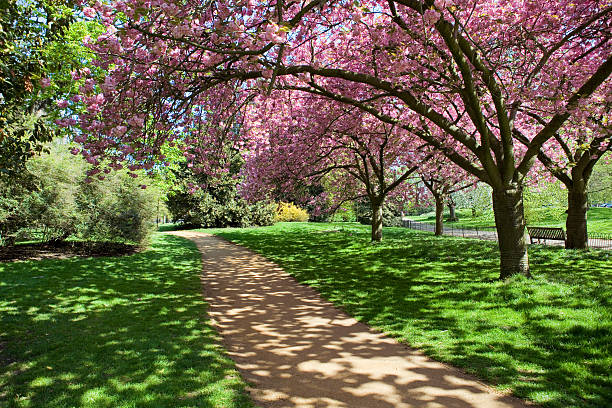
Spring and early summer justify themselves when gardens are part of the main experience, not an ornamental pause between “real” sights. Kensington Gardens, St James’s Park, Green Park and Kew can change the emotional weight of a London stay because they let the city open out between dense interiors, traffic edges and formal landmarks. This is especially valuable for families, older travelers and couples who want the day to feel composed rather than scheduled to the minute.
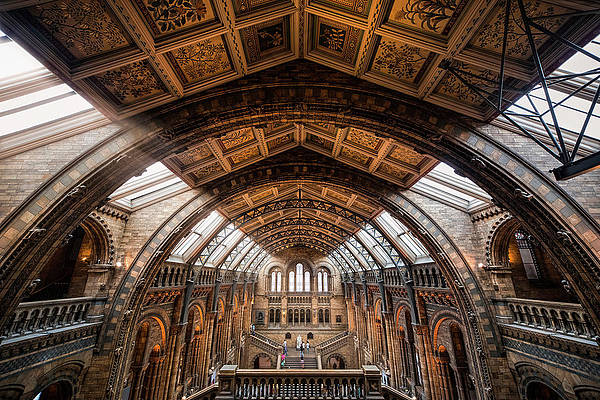
The best spring garden day is not necessarily a full garden day. In a premium first stay, the stronger move is often a fresh-air morning followed by a serious indoor anchor. Kensington Gardens before a South Kensington museum afternoon works because the route has a believable London logic: Round Pond, Kensington Palace surroundings, the Albert Memorial, then the Exhibition Road museum cluster. You are not crossing the city for a decorative walk. You are using a park to set the tempo before the V&A, Natural History Museum or Science Museum zone asks everyone to stand, look, queue, decide and absorb.
The Royal Parks page on Kensington Gardens (https://www.royalparks.org.uk/visit/parks/kensington-gardens/gardens) gives a useful sense of why this is more than a patch of grass: the North Flower Walk, flowering lawns, bulbs, shrubs and seasonal bloom are part of the park’s designed rhythm. The traveler consequence is practical. A guide can use that rhythm to avoid beginning the day under a museum roof, then let the afternoon become more focused because nobody is already visually tired.
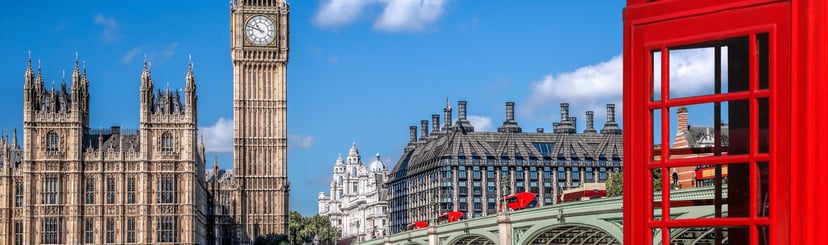
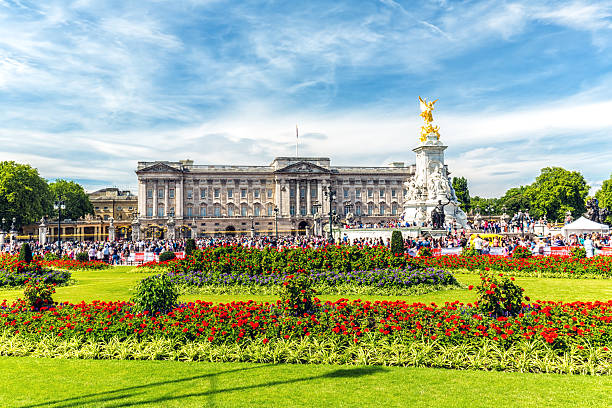
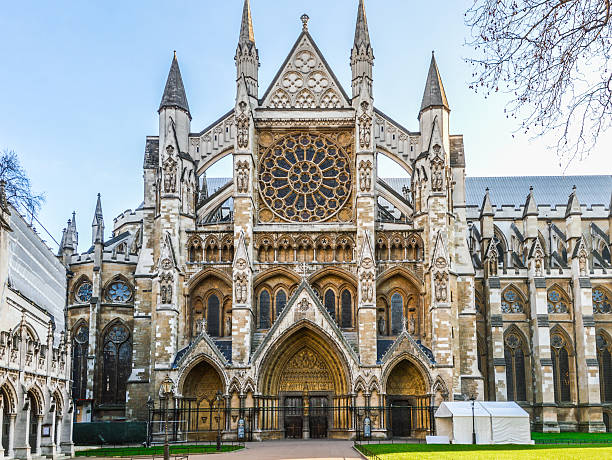
Spring also makes royal exteriors feel less punishing. Westminster Abbey, Buckingham Palace approaches, the Mall, St James’s Park and the Horse Guards area all have thresholds where visitors tend to pause, photograph, regroup and wait. In forgiving temperatures and longer light, those pauses feel like part of the day. In peak summer, they can become the part of the day everyone remembers for the wrong reason. In wet winter, they need to be briefer and more purposeful, with the guide choosing sheltered context points rather than leaving the group exposed in Parliament Square or along the open side of the Mall.
Kew belongs in a different category. It can be magnificent in spring and early summer, but it is not a casual add-on to a first London stay unless gardens are a priority. The time cost is real: getting to Richmond, entering, orienting, walking, pausing, and returning takes a half day even before lunch. For garden-loving couples or multigenerational families who want a quieter London day, it can be the right upgrade. For first-timers trying to preserve Westminster, the Tower, one museum and a day trip, Kew is often the first garden to cut, not because it lacks value, but because it requires a different kind of day.
Garden timing also affects the evening. A spring itinerary that begins with air and movement can leave people more available for dinner, theatre or a calm walk through Mayfair or Covent Garden. A summer itinerary that turns every exterior into a heat-and-crowd negotiation can make the same evening feel shorter, even though the clock says there is more daylight. The city mood changes when travelers feel they have been choosing all day instead of being pushed along by crowds.
How season changes museum pacing and crowd pressure
Season changes museum pacing because it changes whether museums are a refuge, a centerpiece or a pressure valve. In winter, museums can be the centerpiece. In spring and early summer, they are often the afternoon anchor after parks or royal exteriors. In peak summer, they are tempting as shelter, but that same temptation draws many other travelers indoors at the same time.
London’s museum friction is not only about gallery crowding. It begins at the entrance: bag checks, timed-ticket queues, school groups, family groups, cloakroom decisions, lifts, stairs and the slow compression that happens when everyone enters the same great hall wanting orientation. A premium private museum plan earns its keep by narrowing the subject before arrival. At the British Museum, that may mean refusing to “cover the museum” and instead choosing a coherent ancient-world route. At the National Gallery, it may mean a painter-led arc rather than a greatest-hits sprint. At Churchill War Rooms, it means accepting the underground density and not pairing it with another heavy interior immediately afterward.
Winter helps travelers who want depth. A culture-focused couple can spend a morning with fewer competing outdoor obligations, then return to a hotel for a genuine pause before a late lunch or early dinner. Older parents often do better with this shape because the day asks for attention, not constant relocation. Families can also benefit, but only if the museum brief is tight; winter does not make children more patient with endless galleries.
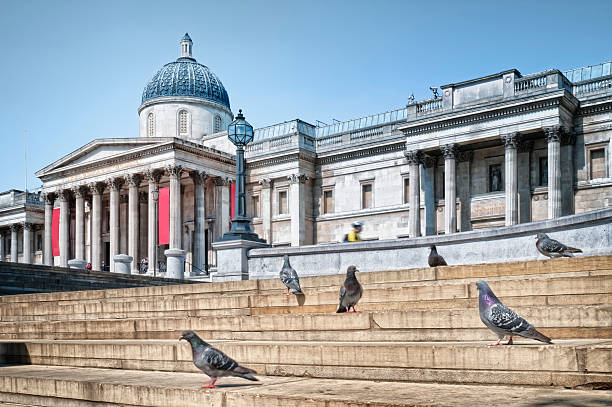
Spring and early summer make museums work best when they are placed after movement. The South Kensington cluster is the obvious case. A walk through Kensington Gardens gives the body a sense of space before the museum asks for concentration. The National Gallery can work after a St James’s Park and Trafalgar Square route, but it should not become a dumping ground for everyone’s leftover energy. The museum needs a reason to exist in the day: one collection, one story, one expert guide who can decide what not to see.
Summer museum planning needs the firmest boundaries. A common mistake is to treat major museums as air-conditioned recovery zones after too much sun. That can backfire because the threshold itself may be crowded, the galleries may feel louder, and tired travelers may have less patience for nuance. If summer is fixed, use museums earlier than expected or pair one focused museum with a quieter lunch and a hotel pause. Do not use a museum to rescue an already overloaded day.
London does something specific to the body: it combines standing with stop-start movement. You stand at palace gates, shuffle through security, descend into Tube stations, cross broad roads at controlled points, climb museum stairs, pause on stone floors, then do it again after lunch. On a mild spring day, those transitions can feel like texture. In peak summer or wet cold, they become the hidden cost of the itinerary. This is why a private guide’s route judgment matters as much as commentary; the goal is to reduce unnecessary standing, not merely to explain what you are standing in front of.
For travelers who already know they want a museum-led stay, the more precise companion to this seasonal guide is the existing museum-planning angle in a curated London museum day. Use that when the core question is which museum should lead. Use this season guide when the core question is whether museums should lead at all.
Royal sights and city icons: where summer stops paying its way
Royal and iconic sights are most rewarding when the season lets you approach them with patience rather than endurance. Westminster, the Tower, Buckingham Palace approaches, St James’s Park and Windsor all benefit from context, exterior time and careful arrival. They suffer when they are stacked as if a private day were a sightseeing checklist with better transport.
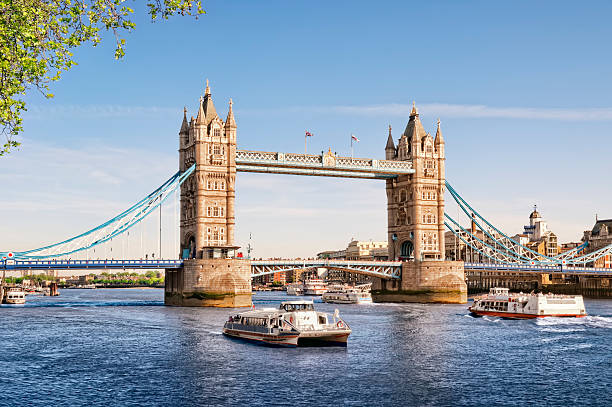
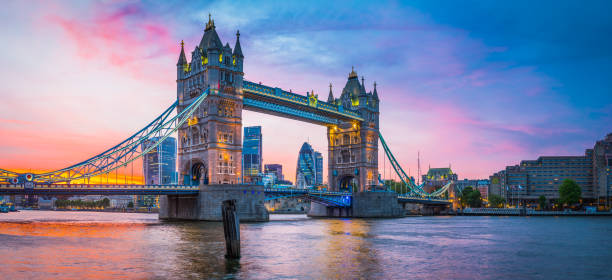
The Tower of London is a useful example because the site is large, exposed in places and emotionally dense. A good visit asks for focus: walls, monarchy, prison stories, Crown Jewels, the river edge, and the difference between arriving from Tower Hill and moving toward Tower Bridge or the Thames afterward. In spring or early autumn, that sequence can breathe. In peak summer, the same sequence needs stricter editing. Add Westminster and a major museum on the same day and you have not created a premium day; you have created a test of everyone’s tolerance.
Westminster has a different kind of pressure. Parliament Square, Westminster Abbey, Whitehall, Horse Guards and Churchill War Rooms sit close enough on a map to invite overpacking, but the lived experience includes pavements, crossings, security thresholds and dense visitor flows. A winter Westminster plan can be excellent if it is concise: Abbey or Churchill War Rooms, not both at full depth unless the travelers are unusually focused. A spring plan can include St James’s Park as relief. A summer plan should avoid placing the most exposed exterior context at the hottest or busiest point of the day.
Windsor is the royal sight most affected by seasonal ambition. The Royal Collection Trust page for Windsor Castle (https://www.rct.uk/visit/windsor-castle) is where travelers should confirm current opening, booking and practical details, because royal residences can have operational changes. The planning judgment is evergreen: Windsor works best when it is treated as a royal day with its own shape, not a quick trophy before racing back to London for another major sight.
Peak summer stops paying its way when travelers assume more daylight means more capacity. More daylight gives more margin, but it also encourages itinerary inflation. The mood consequence is real: a day that should feel expansive begins to feel like a series of negotiated entrances, crowded pavements and “we might as well” additions. The evening may still be bright, but the group is dull. Spring and early autumn often create a better emotional finish because the day feels edited rather than survived.
The firm editorial call is this: if royal sights are central to your first London trip, late spring into early summer is better than peak summer unless your dates are fixed. Winter is better than many travelers expect for Abbey-and-museum depth, but it is the wrong fit for guests who will be disappointed by briefer park time and earlier darkness. Summer should be planned as a narrower royal day with fewer promises.
How Windsor, Bath, Oxford or the Cotswolds fit differently by season
Season changes day trips more sharply than many London visitors expect. The destination is only half the decision; the other half is how much daylight, road time, exterior wandering and late-return fatigue the day will tolerate. This is where Windsor versus Bath in shorter winter daylight becomes a real planning choice rather than a weather note.
Windsor is the most season-resilient royal day trip because it can be built as a contained visit. It does not need a sprawling countryside arc to feel worthwhile, and it pairs well with travelers who want royal history without turning the day into a marathon. In spring, Windsor can include more riverside or town texture. In summer, it still needs early structure and realistic crowd expectations. In winter, it often beats Bath for travelers who want to return before the evening feels spent. For a private version, see Windsor Castle private tour.
Bath is more seasonal in mood. It asks for streets, stone, terraces, the Abbey area, the Roman Baths and enough time to feel the Georgian city rather than simply photograph it. Spring and early autumn are often the strongest fits because the walking experience matters. Winter can be atmospheric for culture-focused travelers, but shorter daylight makes the return feel more consequential. Summer can work beautifully for visitors who want a full day out, but it needs fewer London ambitions before and after. A Bath day should not be followed by a major theatre night unless the group has unusually high stamina. For a tailored day, use Bath private tour.
Oxford is a strong shoulder-season choice because the city rewards walking, college exteriors, courtyards, bookish interiors and a rhythm that is slower than London but still intellectually full. It can be excellent in winter if the travelers enjoy scholarship and do not require long garden time. In peak summer, Oxford needs careful handling because narrow streets and popular college areas can feel compressed. The mistake is to treat Oxford as a quick academic postcard before adding the Cotswolds without enough daylight or patience.
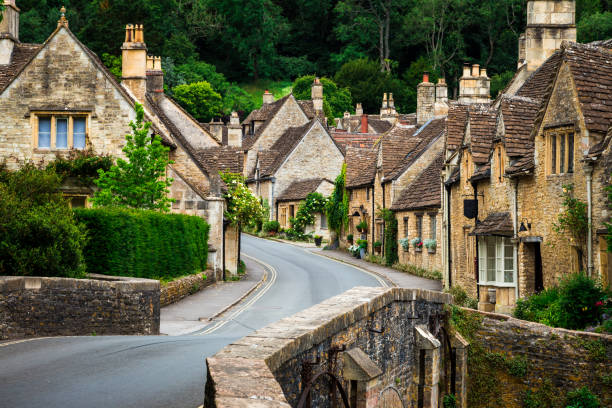
The Cotswolds are the most season-sensitive of the classic London add-ons. The experience depends on lanes, village pacing, gardens, light and the pleasure of not rushing between honey-stone stops. Spring and early summer can justify the effort when the group wants countryside texture. Early autumn can be superb for a quieter, softer version. Winter is the wrong fit for many first-timers unless the goal is a very selective countryside lunch-and-village day rather than a broad scenic sweep. Peak summer needs restraint because the same charm that draws you there draws many others, and narrow village streets do not become easier because the trip is private.
Oxford and the Cotswolds together should be treated as a premium full day, not a way to avoid choosing. The route can work, especially with a guide and driver, but the day’s success depends on how early you leave, how much you cut, and whether the season gives you enough light for rural stops without a weary return. For that combined logic, the most relevant service page is Oxford & Cotswolds private tour.
The cut-first rule for day trips is simple: in winter, cut the broadest countryside ambition first; in peak summer, cut the idea that you can do a major London icon before or after the excursion; in spring, cut the duplicate garden experience if it competes with a better royal park or Kew day. The decision is not whether Windsor, Bath, Oxford or the Cotswolds are “worth it.” They all can be. The decision is which one your season lets you enjoy without borrowing energy from the next day.
If you are also deciding whether the trip needs three, four or five days, place the seasonal answer before the length answer. A winter three-day stay with Windsor will feel very different from a spring five-day stay with Bath and Kew. The supporting planning guide on how many days to spend in London with Windsor or Bath is useful once you know which season you are protecting.
How to design the private plan once the season is chosen
A private London plan should bend around the season and hotel base before it chooses the final list of sights. That means treating Mayfair, South Kensington, Covent Garden, Westminster and the day-trip departure point as practical levers, not just lifestyle preferences. A beautiful hotel can make evenings smoother, but it cannot undo a day that has been routed against the city.
For a spring or early-summer stay, build at least one day around the open-air-to-indoor hinge. Kensington Gardens to South Kensington is the clearest version. St James’s Park to Westminster or the National Gallery can be another. A Thames-side sequence can work if it is not overloaded with crossings and backtracking. The point is to let the season do something useful: give the body air before the mind enters a museum, or give the group a royal exterior before lunch without spending the afternoon in recovery.
For a summer stay, start by reducing promises. One major exterior icon, one focused interior, one proper lunch or hotel pause, and one evening plan is usually a better premium day than three famous stops connected by an anxious car. Choose shaded context points where possible. Avoid turning a chauffeur into a waiting-room strategy. Cars are valuable for certain transfers and day trips, but in central London they can also be slowed by the same city everyone else is using.
For an autumn stay, lean into cultural pacing and softer transitions. This is a good season for a museum-and-neighborhood day, an Oxford trip, a Bath day, or a Westminster route that does not have to compete with the garden-first logic of spring. Food-and-wine travelers often do well in autumn because the day can finish with appetite rather than exhaustion. The route should still avoid backtracking: Mayfair to Marylebone, Covent Garden to the West End, or South Kensington to Chelsea each has more coherence than a zigzag designed around famous names.
For a winter stay, be honest about daylight and warmth. Place the most exposed exterior segments late morning or early afternoon, use interiors as the anchors, and make the hotel reset part of the design rather than a sign of weakness. A Mayfair hotel base with a late-afternoon museum reset can work beautifully if the morning has been contained and the evening is nearby. It works poorly if the group has just returned from an overlong countryside day and still expects a polished dinner mood.
Private guiding changes the season by changing decisions in real time. A guide can shorten an exterior explanation when wind makes a square unpleasant, choose a calmer museum route when a school group blocks the obvious gallery, move lunch earlier before a child crashes, or reverse a neighborhood walk when the light is better from the other end. That is where premium spend earns its cost: judgment, sequence, communication and the confidence to adapt. It does not earn its cost when it merely adds more sights to prove value.
For travelers who want the seasonal balance handled from the hotel outward, Orange Donut Tours can shape the day around indoor anchors, garden windows, royal sights, Windsor or Bath, and the evening you want to preserve. Inquire now with your dates, hotel area, group profile and the one thing you would regret missing; the right season plan will usually become clearer once those four details are placed together.
What to choose if your dates are already fixed
Fixed dates do not make the seasonal decision irrelevant; they make the edit more important. If you are coming in summer, do not apologize for it. London can be bright, social and generous, especially for families and celebration travelers. Just stop treating summer as permission to add. Make the plan narrower, protect lunch, place museums with intent, and avoid pretending every royal or riverside exterior will feel leisurely.
If you are coming in winter, do not try to recreate a spring garden stay. Choose museum depth, Westminster interiors, a contained Windsor day, a thoughtful food-and-wine afternoon, and hotel geography that makes evenings easy. Winter travelers often come away happier when they accept the season’s strengths instead of building a pale version of June.
If you are coming in spring or early summer, resist the opposite mistake: adding every garden, park and day trip because the season is favorable. Kensington Gardens, Kew, Windsor, Bath and the Cotswolds are not all the same kind of pleasure. Choose the one or two that best express your trip. A first-time family may get more from Kensington Gardens plus South Kensington than from a full Kew day. A returning couple may prefer Kew and Bath because they have already handled Westminster and the Tower. A culture-focused group may keep Kensington Gardens as a morning threshold and give the afternoon to a museum specialist.
If you are coming in early autumn, use the season for balance. It is not as garden-led as spring and not as museum-led as winter, which makes it excellent for travelers who want London to feel adult, calm and rounded. The danger is underestimating how quickly a day trip and a major evening can compete. Autumn is a strong season for Bath or Oxford, but not if the next morning is supposed to be your only serious museum block.
The planning principle is consistent across all four seasons: choose the season’s natural advantage, then remove the sight that fights it hardest. In spring, do not suffocate the garden day with too many interiors. In summer, do not chase every icon because daylight lasts. In autumn, do not blur museums and day trips into one continuous cultural obligation. In winter, do not make the countryside carry a trip that really wants London interiors.
FAQ
What is the best month to visit London for a premium private stay?
There is no single universal best month, but late spring into early summer is the strongest default for a premium first stay because it balances gardens, royal parks, museum afternoons, Windsor and comfortable evenings better than peak summer.
Is summer a bad time to visit London privately?
Summer is not bad, but it is conditional. It works well for families with fixed school calendars, celebrations and long evenings, yet it requires a narrower plan because premium planning cannot remove crowding at every major sight.
Is winter better for London museums?
Winter can be better for museum-led travelers because the trip can center on interiors without feeling like the weather has spoiled the plan. It is less suitable for travelers who expect long park walks, garden days and generous daylight for countryside excursions.
Should I choose Windsor or Bath in winter?
Windsor is usually the cleaner winter choice because it can be planned as a contained royal day with an easier return. Bath can still be rewarding in winter, but it asks for more walking mood, daylight and willingness to make the day feel like a full excursion.
When do London gardens justify shaping the whole trip?
London gardens justify shaping the trip in late spring and early summer, especially when you can connect them to a serious indoor anchor. Kensington Gardens before South Kensington is the clearest premium example because the garden time improves the museum afternoon instead of competing with it.
Does a private guide matter more in summer or winter?
A private guide matters in both seasons, but for different reasons. In summer, the guide protects the day from crowd pressure and overpacking; in winter, the guide makes shorter daylight and indoor pacing feel intentional rather than limited.
Should I include the Cotswolds on a first London stay?
Include the Cotswolds if countryside texture is a real priority and your season gives the day enough light and patience. Cut it first if your first London stay already needs Westminster, the Tower, one museum, Windsor or Bath, and a calm evening rhythm.
How should I choose a London hotel base by season?
Choose the hotel base by the days you want to protect. Mayfair is strong for service, dining and evening returns; South Kensington can be excellent for museum-and-garden logic; Covent Garden works well for theatre and central walking, especially when the itinerary avoids cross-city backtracking.
If you’re interested in any private tours of London, please reach out to us.















 So if you are looking for the absolute best in London & surroundings with authentic local fully-licensed native guides whose English you can actually understand and with an exclusive and amazingly fun itinerary













