London for First-Timers: The Best Base Neighborhoods by Trip Style

Updated
For a first trip to London, Mayfair is the best all-round base if you want polished hotels, reliable taxi geography, strong restaurant access, and easy touring west, east, and south of the river. It works in real city conditions because London is not one compact old town: Westminster, the Tower, South Kensington, the British Museum, the West End, and Borough all pull you in different directions, and a base near Hyde Park, Green Park, or Bond Street reduces the number of tiring transfer resets. The clearest exception is a family whose trip revolves around the Natural History Museum, Science Museum, V&A, Kensington Gardens, and earlier dinners; that traveler should look harder at South Kensington or the Paddington side of Hyde Park.
The London hotel question is not “which neighborhood is prettiest?” It is which base keeps your first visit from becoming a sequence of short hops, long lobbies, theater-night scrambles, and restaurant returns that look easy on a map but feel oddly draining by day three. A good base in London should shorten the parts of the trip that do not create memories: the second Tube change, the late-night taxi crawl from the wrong side of the river, the extra walk from a station exit, the morning when everyone wants one more coffee before the guide arrives. If your sightseeing plan is still forming, use this article as the base-neighborhood decision, then shape the actual days through private tours in London once the geography is honest.
Our editorial verdict is simple but not generic: choose Mayfair for the smoothest first London stay, Covent Garden for a theater-forward trip, South Kensington for family museum days, Marylebone for quieter taste and good evenings, St James’s or Westminster for a ceremonial first visit, and the Paddington side of Hyde Park when Heathrow arrival ease matters more than late-night glamour. Do not automatically book Covent Garden because it sounds central. For many discerning first-timers, Covent Garden is the overvalued default: brilliant for a show night, but too busy and too short on calm hotel-return texture if every day starts and ends there.
The first-timer base matrix: best London neighborhoods by trip style
The fastest way to choose a London base is to match your trip style to the type of friction you most want to remove. Sightseeing efficiency, evening atmosphere, transport access, and hotel value rarely line up perfectly in one place. The right answer depends on whether your hardest moment will be the morning start, the late return, the family reset, the airport transfer, or the dinner geography.
Mayfair: best all-round base for couples, celebration travelers, and comfort-first first-timers. Choose it when you want refined hotels, strong dining, Bond Street and Green Park transport, and a short taxi arc to Westminster, St James’s, Marylebone, and the West End. The tradeoff is price and a slightly more formal mood; it is not the place to feel like you are living above a neighborhood market.
Covent Garden: best base for theater nights and short West End stays. Choose it when shows, Soho dinners, the National Gallery, the British Museum, and walkable evenings matter most. The tradeoff is bustle: the area around Seven Dials, Long Acre, and Leicester Square can make a premium hotel feel less restful than its rate suggests.
South Kensington: best base for families and museum-led first visits. Choose it for the Natural History Museum, Science Museum, V&A, Royal Albert Hall, Kensington Gardens, and gentler family returns. The tradeoff is that Westminster, the Tower, and the City sit farther away than many first-timers expect.
Marylebone: best base for quieter taste, repeatable evenings, and a less obvious London. Choose it for calm streets, the Wallace Collection, Marylebone High Street, Regent’s Park edges, and easy access to Mayfair without sleeping in Mayfair. The tradeoff is that some first-timers may find it less instantly dramatic on arrival.
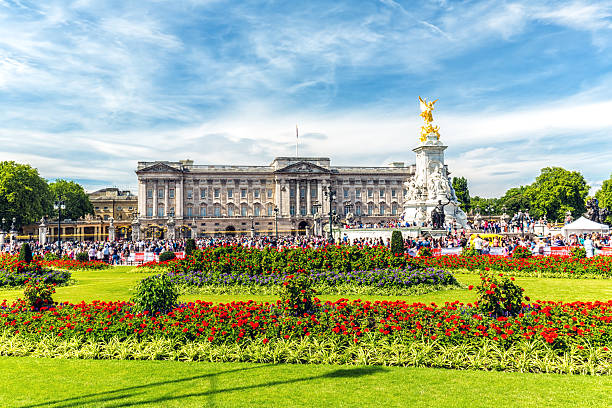
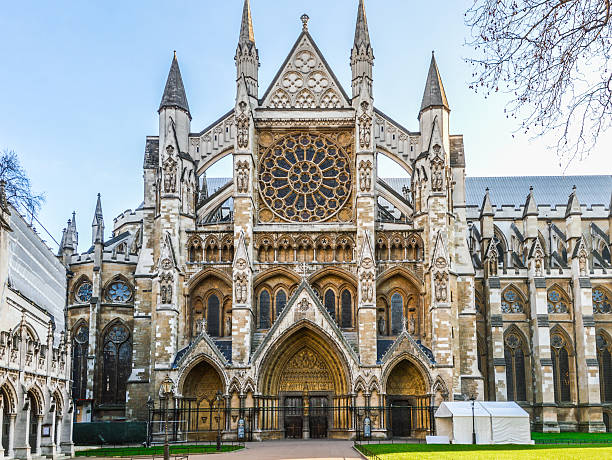
St James’s and Westminster: best base for ceremony, palaces, and a first London morning with gravitas. Choose it for Buckingham Palace, St James’s Park, Whitehall, Westminster Abbey, Churchill War Rooms, and National Gallery days. The tradeoff is that parts of Westminster become quiet or businesslike after office hours, so dinner returns need more planning.
The Paddington side of Hyde Park: best base for Heathrow ease, rail logic, and families who value a softer landing. Choose it when arrival day matters, when you want Kensington Gardens nearby, or when you are building day trips west of London. The tradeoff is that it can feel like a transport hinge rather than a romantic evening neighborhood unless you choose the hotel and dinner plan carefully.
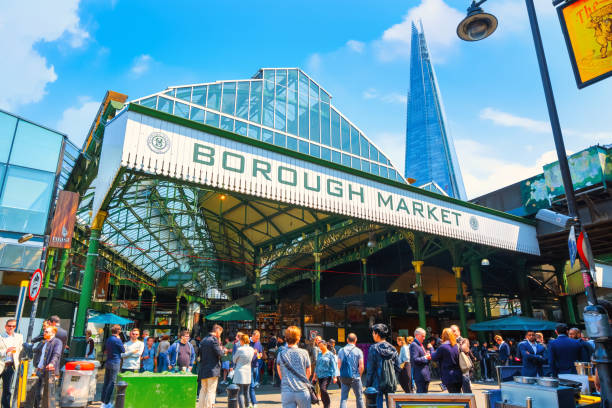
South Bank and Bankside: best base for river mood and Borough Market energy. Choose it when Tate Modern, Shakespeare’s Globe, the Thames Path, Borough, and a more contemporary riverside feel matter. The tradeoff is cross-river drift: you may repeatedly cross bridges or take taxis back from West End dinners.
Bloomsbury: best value-adjacent base for museum lovers and Eurostar arrivals. Choose it for the British Museum, Russell Square, literary streets, and St Pancras or King’s Cross convenience. The tradeoff is evening polish; Bloomsbury can be highly practical without feeling celebratory.
This matrix is intentionally opinionated. London rewards a base that reduces daily resets more than one that wins a postcard contest. A hotel beside a famous square can still create a worse trip if every day requires a taxi across town before you have even begun. Conversely, a less showy base can outperform if the station, park edge, dinner return, and morning start all work together.
Mayfair wins the broadest first-trip brief, but only if you use it correctly
Mayfair is the strongest default for a premium first visit because it sits between the ceremonial west, the shopping spine, the West End, and several practical Tube lines without forcing the whole trip into one tourist corridor. Green Park gives you access toward Westminster and the south-west; Bond Street opens the Elizabeth line and Central line; Piccadilly and Regent Street put the West End within a short evening arc. For couples, small groups, and celebration travelers, this matters more than the abstract idea of being “central.”
The useful Mayfair zone is not one uniform rectangle. The eastern side near St James’s and Piccadilly gives easier movement toward the National Gallery, Jermyn Street, Whitehall, and theater evenings. The northern side near Bond Street and Oxford Street helps with shopping, Elizabeth line access, and Marylebone dinners. The western side near Hyde Park Corner and Park Lane can feel grand but slightly more sealed off; it works best when your hotel itself is part of the stay and when taxis are already planned into the day.
The strongest Mayfair days are not built by cramming every famous sight into a chauffeured loop. Start with one high-value morning such as Westminster Abbey, Churchill War Rooms, or the National Gallery, then let the base do what it does well: a clean return before dinner, a short walk through St James’s, a measured shopping hour, or a late table that does not require another cross-city journey. If the first day after a long-haul flight is still unresolved, pair the base decision with an arrival rhythm like a calmer first-day plan after a long-haul flight rather than treating check-in time as an afterthought.
Mayfair also has the best “mood insurance” for many first-timers. London can make a day feel longer than it looks: station corridors, museum cloakrooms, bridge crossings, taxi traffic around theater time, and the repeated mental work of deciding whether to walk, Tube, or drive. A Mayfair base keeps the evening from collapsing into logistics because you can finish in St James’s, Soho, Marylebone, or the West End without feeling exiled from your hotel. The trip feels shorter in the best sense: less of the day is spent transitioning.
The caveat is value. Paying more for a Mayfair address improves comfort when it gives you a better room, better service, easier meeting points, quieter lobby handling, or a smarter dining radius. Premium spend does not help when the hotel is merely expensive but stranded on a traffic-heavy edge that still requires taxis for every meal and every start. A Park Lane rate, for example, can look impressive on paper without materially improving the day if your plans repeatedly sit around Covent Garden, Bloomsbury, South Kensington, or the Tower.
Covent Garden is the theater answer, not the universal answer
Covent Garden is the best base when theater, short evening walks, and West End energy are the point of the stay. It gives you an unusually walkable triangle: Trafalgar Square and the National Gallery to the south-west, Soho and Seven Dials to the west and north, the British Museum to the north-east, and the Strand and river approaches to the south. For a two- or three-night stay built around shows, dinners, and one or two central sights, it can feel effortless.
The reason we do not name it as the overall winner is the same reason many first-timers book it: it feels obviously central. Obvious centrality can create crowd drag. The area around Covent Garden Piazza, Leicester Square, and parts of the Strand is rarely restful at the exact moments premium travelers want a softer re-entry: late afternoon, pre-theater, and post-show. A hotel can be excellent and still make every return feel like you are walking through someone else’s night out.
Covent Garden works best for couples who enjoy street energy, adults traveling without mobility constraints, theater-led trips, and visitors who want to walk rather than taxi after dinner. It is less ideal for older parents who need clean drop-offs, families with strollers or tired children, and travelers who expect their hotel street to feel composed after 10 p.m. The Tube is useful, but Covent Garden station itself is small and can be awkward at peak times; Leicester Square and Holborn often do more practical work than first-timers realize.
The strongest Covent Garden sequencing is to keep the day west or central until after the show. National Gallery, St James’s, Westminster, the British Museum, Soho, and a theater dinner all make sense. The weaker plan is a morning at the Tower, a midday detour to South Kensington, a pre-theater hotel reset, and then a show. That is where the base stops helping and starts exposing how wide London is. For a theatre-and-sightseeing day that avoids needless backtracking, compare it with a Covent Garden, Westminster, and West End route built around show-night geography.
The editorial no: stop forcing Covent Garden into every first-timer itinerary just because it appears central on hotel maps. It is a specialist base with one outstanding strength. When that strength matches the trip, choose it confidently. When your trip is family museums, Mayfair dining, Heathrow ease, or quieter evenings, do not pay a premium to sleep in bustle you will spend the rest of the stay trying to escape.
South Kensington is the family base when museums and park resets carry the trip
South Kensington is the most useful first-timer base for families whose London will be shaped by museums, green space, and predictable evening returns. The Natural History Museum, Science Museum, and V&A sit close enough together to create a rare London advantage: a day can be deep without requiring a cross-city move. Kensington Gardens and Hyde Park add air when children need a reset or adults need the day to loosen.
The local distinction matters. Staying close to South Kensington station gives better museum access and District, Circle, and Piccadilly line options. Staying closer to Gloucester Road can feel calmer and more residential, with easier hotel returns. Staying toward Knightsbridge moves you closer to Harrods and Hyde Park but can make the museum triangle slightly less frictionless. Families often underestimate these few blocks; by the third day, the difference between a seven-minute walk and a fifteen-minute walk after a museum morning is no longer theoretical.
South Kensington does something important to the body: it lowers the number of forced transitions. London is not especially hilly in the way Lisbon or Granada is, but it is physically wearing in another way. Long museum floors, station stairs, underground corridors, traffic crossings, bridge approaches, and queue standing build up. A South Kensington base lets a family leave a museum before fatigue becomes a meltdown, return to the hotel, and still salvage the evening with a short dinner or a park walk. That is more valuable than one extra famous sight.
The tradeoff is sightseeing distance. Westminster, the Tower, St Paul’s, Borough Market, and the British Museum are not difficult from South Kensington, but they are not “just next door.” A family staying here should avoid planning every day around the opposite side of the city. Use South Kensington for what it is good at: museum mornings, Kensington Gardens, a gentler first evening, and one carefully guided day that crosses town with purpose rather than improvisation. For a closer family-base comparison, especially if Chelsea is also on your hotel shortlist, see Chelsea or South Kensington for a London family base.
South Kensington also changes the mood of a trip. Mayfair can make London feel polished; Covent Garden can make it feel theatrical; South Kensington can make it feel survivable and generous. The best family itineraries do not ask children to admire London’s scale all day. They give the group one serious experience, one easy meal, one patch of park or hotel time, and one evening that does not require a negotiation at every crossing.
Marylebone is the base for travelers who want London to feel edited, not obvious
Marylebone is the best first-timer base for travelers who want refined local texture without sacrificing access to the main sights. It is not as grand as Mayfair, as theater-forward as Covent Garden, or as museum-convenient as South Kensington, but it has one powerful advantage: it lets the trip breathe. Marylebone High Street, Manchester Square, the Wallace Collection, Chiltern Street, and the Regent’s Park edge give you a London that feels curated without becoming sleepy.
The geography works because Marylebone sits just north of Mayfair and west of Fitzrovia. You can reach Bond Street, Oxford Circus, Baker Street, and Regent’s Park depending on the exact hotel position. The area is especially strong for couples, design-minded travelers, older parents who dislike crowd pressure, and small groups who want good dinners without the late-night crush around Soho or Leicester Square. It also pairs well with a shopping day that touches Bond Street or a smaller museum day that avoids the scale of the British Museum.
The consequence is subtler than a time saving. Marylebone keeps the trip from flattening into a sequence of famous places. A first visit can become oddly generic when every day begins in a lobby, enters a vehicle, reaches a landmark, queues, repeats, and ends in a restaurant that could have been chosen by any concierge. Marylebone gives you a repeatable local rhythm: a morning coffee street, a manageable walk, a small museum hour, a quieter return. That rhythm is why some travelers remember the area more warmly than the headline sights.
The wrong fit is the traveler who wants constant visual drama outside the hotel door. Marylebone’s reward is discretion, not instant spectacle. If the first London fantasy is red buses, royal parks, theater marquees, and a short walk to the National Gallery, Mayfair or Covent Garden may satisfy more quickly. If your trip is five nights and you value calm as much as access, Marylebone becomes increasingly persuasive.
Hotel value can also be smarter here. Rates still reflect a premium part of London, but the money often buys a better balance of room comfort, neighborhood calm, and dinner access than a louder address farther south. The caution is to check the exact edge: too close to Oxford Street and you lose some of the village-like ease; too far north and the first-timer routing starts to feel less connected.
St James’s and Westminster are for ceremonial London, not every evening
St James’s and Westminster are the best bases when your first London stay is anchored by ceremony, royal parks, power corridors, and the city’s institutional story. This is the neighborhood logic for Buckingham Palace, St James’s Park, Whitehall, Westminster Abbey, Horse Guards, Churchill War Rooms, the Mall, and the National Gallery. For travelers who want London to feel historic from the first morning, it delivers.
The advantage is route coherence. A morning can begin around St James’s Park, move through Westminster Abbey or Whitehall, pause at the Churchill War Rooms, and finish toward Trafalgar Square without a forced taxi or Tube change. For a private guide, this geography is especially valuable because the story unfolds in layers rather than fragments: monarchy, parliament, war leadership, ceremonial streets, and art all sit within a compact but dense zone.
The hidden weakness is the evening. Westminster is not one consistent hotel mood. Some pockets feel stately; others feel administrative after office hours. St James’s can be elegant and beautifully placed, but it is not the liveliest dinner neighborhood unless you are comfortable moving toward Mayfair, Piccadilly, Jermyn Street, Soho, or the West End. A traveler who wants to step out at 9 p.m. into a lively dining grid may find it too quiet or too formal.
That is why St James’s and Westminster work best for short first stays, serious sightseers, older parents, and travelers with a strong interest in ceremony or political history. They are less compelling for food-led travelers who want to follow the evening rather than manage it. If your first full day is likely to focus on Westminster, Whitehall, the Abbey, or Churchill War Rooms, this base can remove a lot of morning friction; if your dinners and shows are driving the trip, Mayfair or Covent Garden is cleaner.
A useful cut-first rule lives here: do not add the Tower, South Kensington museums, and a West End show to the same Westminster-heavy day. London’s map tempts you to connect famous names; the body experiences that as standing, corridors, traffic, and another late return. Keep one ceremonial arc strong, then let the evening be close or deliberately transferred.
The Paddington side of Hyde Park is the practical hinge many upscale travelers overlook
The Paddington side of Hyde Park is the best base when arrival ease, Heathrow logic, and a softer family landing matter more than a postcard hotel street. This does not mean “stay anywhere near Paddington Station.” It means looking carefully at the seam between Paddington, Bayswater, Lancaster Gate, and the north-western edge of Hyde Park and Kensington Gardens, where a hotel can give you park access and a less punishing arrival or departure.
This micro-location changes the recommendation because London’s first day is often damaged before sightseeing begins. A long-haul arrival, immigration timing, luggage, early check-in uncertainty, and a hungry family can make a grand but awkward hotel transfer feel less luxurious than expected. From the Paddington side of Hyde Park, you can use the area as a route hinge: Heathrow arrival, hotel drop, Kensington Gardens air, and a light first walk without pretending everyone is ready for Westminster Abbey or the Tower.
The advantage is strongest for families, older parents, travelers arriving from Heathrow, and visitors planning a westward day such as Windsor, Oxford, Bath, or the Cotswolds later in the trip. It also works for guests who value park access over nightlife. Hyde Park and Kensington Gardens are not just scenic extras; they are pressure valves. They let the group move without entering another attraction, another station, or another booking condition.
The tradeoff is evening atmosphere. Some streets near Paddington feel like a transport district rather than a polished London village. Bayswater and Lancaster Gate can be convenient but uneven. The hotel choice matters more here than in Mayfair because the wrong block can make the stay feel transactional. If you choose this base, plan dinners deliberately: Marylebone, Notting Hill, Mayfair, or South Kensington may all make sense depending on the exact hotel, but they should not be left to a tired last-minute search.
Premium spend has a narrow job in this area. It helps when it buys a better room, calm service, park proximity, and clean luggage handling on arrival or departure. It does not earn its cost if the only benefit is a slightly larger room beside a station you will not otherwise use. The point of this base is not glamour; it is to reduce the first and last day’s logistical noise.
South Bank, Bankside, and Bloomsbury: strong niche bases with clear conditions
South Bank, Bankside, and Bloomsbury can be excellent first-trip bases, but they should be chosen for specific trip designs rather than as vague central alternatives. Each solves a different problem. South Bank and Bankside solve river mood and Borough access. Bloomsbury solves museum proximity and Eurostar convenience. Neither is the broadest premium default.
South Bank and Bankside work when you want Tate Modern, Shakespeare’s Globe, Borough Market, the Thames Path, and a more contemporary river atmosphere. The walk from Westminster Bridge toward the Royal Festival Hall, then onward toward Tate Modern and Millennium Bridge, gives first-timers an immediate sense of London’s scale. It is also a good base for travelers who like morning runs by the river, casual food energy, and visual orientation from the water.
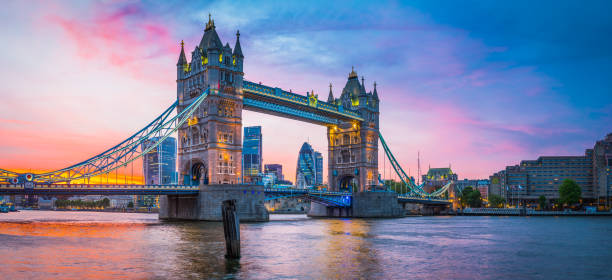
The practical issue is cross-river drift. Many classic first-timer evenings still pull north or west: Mayfair, Soho, Covent Garden, St James’s, Marylebone. A South Bank hotel can create repeated returns across Waterloo Bridge, Blackfriars Bridge, or Westminster Bridge. Those crossings can be beautiful once and tedious repeatedly, especially in poor weather, after a show, or when traffic is slow. If your trip is river-led, the area works. If your trip is theater-led or Mayfair-led, it often adds a layer of movement.
Bloomsbury is the more intellectual, value-adjacent option. The British Museum, Russell Square, Lamb’s Conduit Street, and the St Pancras or King’s Cross axis make it useful for museum travelers, Eurostar arrivals, and longer stays where the hotel budget needs to stretch without abandoning central London. It can also pair well with a lighter arrival from St Pancras, especially if you want one calm first walk rather than a ceremonial plunge into Westminster.
The limitation is celebration mood. Bloomsbury can be quietly handsome, but it rarely gives a first-time couple or milestone group the immediate sense of occasion that Mayfair, St James’s, or parts of Covent Garden can. Choose it when the trip is bookish, museum-led, rail-connected, or value-aware. Avoid it if the hotel itself is meant to carry the romance of the stay.
How to choose the best area to stay in London for a first visit
The best area to stay in London for a first visit is the one that removes your dominant friction, not the one that appears closest to the most attractions. Before choosing a hotel, decide which of these five pressures is most likely to shape your trip: airport arrival, morning sightseeing, family fatigue, theater-night return, or dinner geography. The answer will usually point to a smaller set of neighborhoods.
- Choose Mayfair if you want the highest probability of smooth days across Westminster, the West End, shopping, dining, and private guiding.
- Choose Covent Garden if your evenings revolve around theaters and you actively enjoy central bustle.
- Choose South Kensington if children, museums, Kensington Gardens, or earlier dinner returns define the trip.
- Choose Marylebone if you want a calmer, more edited stay with good access and less obvious tourist pressure.
- Choose St James’s or Westminster if ceremony, royal parks, Abbey mornings, and political history are the emotional center of the trip.
- Choose the Paddington side of Hyde Park if Heathrow ease, park access, and arrival-day calm matter more than nightlife.
- Choose South Bank or Bankside if the Thames, Tate Modern, Borough, and river walks are central to your idea of London.
- Choose Bloomsbury if the British Museum, St Pancras, and quieter value matter more than a grand hotel mood.
Once you have reduced the list, test the base against your first two full days. A good London base should support at least three of the following without heroic effort: a guided Westminster or Tower morning, one museum or collection, one theater or dinner evening, one park or hotel reset, and one arrival or departure move. If it supports only one, you may be choosing a mood rather than a working base.
Transport should be judged by consequences, not line colors. A hotel near a useful station is not the same as a hotel near the right station entrance, and a Tube ride with one easy line can feel better than a theoretically short route with a change, stairs, and a crowded platform. Taxis help with comfort, privacy, and door-to-door movement, but they are not magic in the West End at theater time or around river crossings. For a deeper decision on when a driver changes the day and when it does not, use the chauffeured London day guide before assuming every transfer should be by car.
Food-and-wine travelers should also choose a base by dinner geography, not only by daytime sights. Mayfair, Marylebone, Soho, St James’s, and parts of Covent Garden each create a different evening arc. If a serious lunch or tasting menu is part of the trip, check official pages before fixing the day around it: Ikoyi menu & reservations (https://www.ikoyilondon.com/), See the current three‑course lunch menu (https://www.theritzlondon.com/restaurant-three-course-lunch-menu), and See the official Harmonie tasting menu (https://www.alainducasse-dorchester.com/menus/Harmonie-Menu-October-2025.pdf) are examples of direct venue sources worth using for date-sensitive plans. The base matters because a magnificent dinner can be diminished by an overstuffed museum day, a rushed hotel return, or a late taxi across a congested corridor.
The same logic applies to private touring. The value of a guide in London is not only interpretation at the sight; it is sequencing. A strong guide will know when Westminster and the Tower belong on separate days, when the Thames should replace a road transfer, when a museum needs a shorter route, and when a hotel reset will save the evening. That is why base choice and itinerary design should happen together, not as separate planning silos. When the neighborhood shortlist is down to two, a tailored plan can decide whether the hotel should serve the morning, the evening, or the arrival day. Inquire now
What to cut first when the base choice is getting complicated
Cut the idea that one neighborhood must solve every version of London. First-timers often try to choose a base that is equally good for Westminster, the Tower, South Kensington museums, Soho dinners, Heathrow, a Thames cruise, and a day trip. That base does not exist. The more honest move is to pick the three experiences that matter most and let the base serve those well.
If the trip is only three nights, cut hotel-switching first. Splitting a short London stay between Mayfair and South Kensington or Covent Garden and Bankside usually costs more energy than it saves. Packing, checkout, bag handling, waiting for rooms, and orienting everyone twice can steal the very calm the second hotel was meant to create. A split stay only starts to make sense when you have enough nights, a clear west-east or city-country logic, or a special hotel that justifies the interruption.
Cut the Tower-plus-South-Kensington-plus-West-End-show day. It looks efficient because each item is famous; it behaves badly because it pulls the body across the city in incompatible rhythms. The Tower deserves a morning. South Kensington museums reward a slower family pace. A show needs an unfrantic dinner and return. Put two of those together if the group is energetic and well guided; all three make the day feel managed rather than enjoyed.
Cut the “best hotel regardless of location” instinct. A superb hotel in the wrong micro-location can create daily drag, while a slightly less dramatic hotel in the right base can make the whole stay feel more composed. In London, service quality matters, but so does the route from the lobby to the first meaningful hour of the day.
FAQ
What is the best neighborhood to stay in London for first-time visitors?
Mayfair is the best all-round neighborhood for many first-time visitors because it balances sightseeing access, hotel quality, restaurant geography, and smoother evening returns. South Kensington, Covent Garden, Marylebone, and St James’s can be better when the trip has a stronger family, theater, quiet-neighborhood, or ceremonial focus.
Is Mayfair or Covent Garden better for a first London trip?
Mayfair is better for a polished, flexible first trip with private guiding, restaurants, shopping, and calmer hotel returns. Covent Garden is better if theater nights and walkable West End evenings are the main reason for the stay. Covent Garden is not automatically better just because it looks more central.
Where should families stay in London for a first visit?
Families should usually compare South Kensington with the Paddington side of Hyde Park. South Kensington is strongest for the Natural History Museum, Science Museum, V&A, and easy museum resets. The Paddington side of Hyde Park is stronger for Heathrow arrival ease, park access, and softer first or last days.
Is South Kensington too far from central London?
South Kensington is not too far from central London, but it is not the most efficient base for every classic sight. It works beautifully for museum-led and family trips, while Westminster, the Tower, the City, and Borough require more deliberate routing. Choose it when its museum-and-park advantages matter more than being close to the West End.
Should first-timers stay near the Tower of London?
Most first-timers should not stay near the Tower unless their trip is strongly focused on the City, river history, or east London. The Tower is an essential sight for many visitors, but it is not the smoothest all-round hotel base for West End evenings, South Kensington museums, or Mayfair dining.
Is the South Bank a good place to stay in London?
The South Bank is a good base if you want river walks, Tate Modern, Borough Market, and a contemporary London mood. It is less ideal if most of your dinners, shows, and shopping are north or west of the river, because repeated bridge crossings and late returns can become tiring.
Should I split my London stay between two neighborhoods?
Most first-timers should not split a short London stay between two neighborhoods. A hotel change usually costs more time and energy than it saves unless the trip is longer, the two bases serve clearly different purposes, or the second hotel is part of the experience itself.
What area of London is best for a luxury stay?
Mayfair is the strongest luxury base for a first London stay because it combines premium hotels, strong dining access, shopping, and practical movement toward Westminster, St James’s, Marylebone, and the West End. St James’s is better for a quieter ceremonial mood, while Marylebone is better for understated neighborhood texture.
If you’re interested in any private tours of London, please reach out to us.


















 So if you are looking for the absolute best in London & surroundings with authentic local fully-licensed native guides whose English you can actually understand and with an exclusive and amazingly fun itinerary













