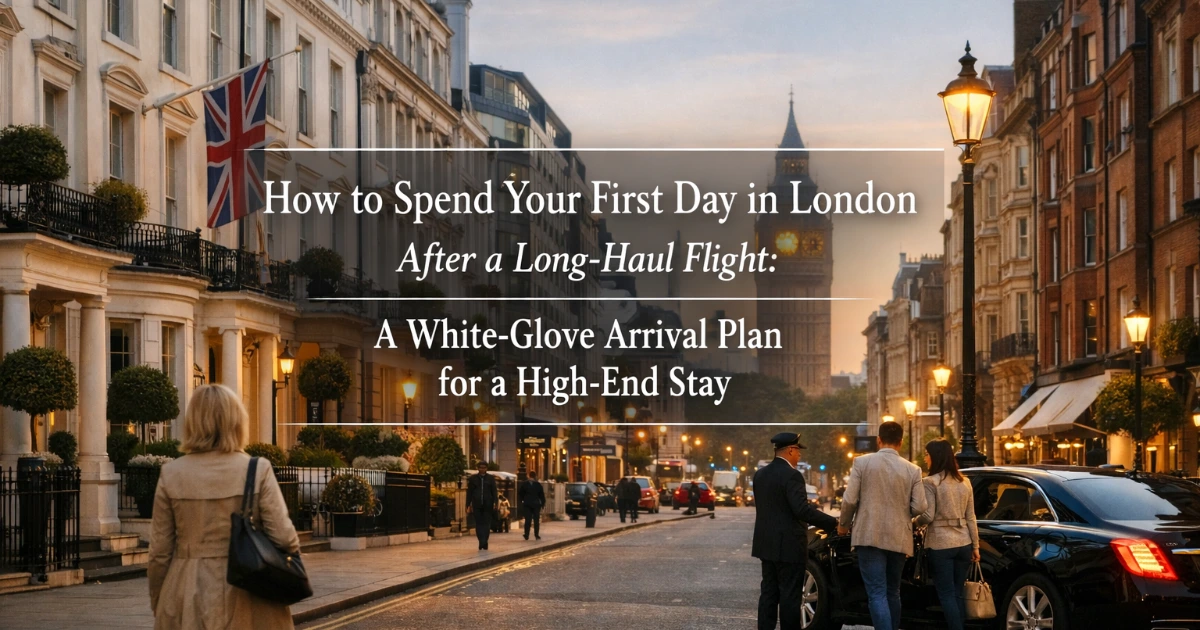
How to Spend Your First Day in London After a Long-Haul Flight: A White-Glove Arrival Plan for a High-End Stay
Updated
The best first day in London after a long-haul flight is not a greatest-hits sprint. It is a soft landing built around your hotel area, one scenic ribbon of the city, and enough restraint to keep tomorrow valuable. That works in London because the real drain is rarely a single big walk; it is the accumulation of airport formalities, room-readiness uncertainty, Tube decisions, bridge crossings, queue time, and the standing-heavy interiors that look manageable on paper and feel punishing once the adrenaline wears off. The clearest exception is the traveler who genuinely slept on the plane, lands early, can shower immediately, and is staying close to a forgiving central zone such as Mayfair. That person may be able to add one compact interior. Most others should keep day one outside, seated, or panoramic.
In London, the smartest landing day is the one that lets your hotel base do half the work. A hotel on the Paddington side of Hyde Park asks for a different first afternoon than one in Mayfair, South Kensington, or near the South Bank. That point matters more than many first-timers realize. If you are staying around Paddington or the Paddington side of Hyde Park near Lancaster Gate or Bayswater Road, forcing Westminster first turns a potentially easy arrival into an avoidable cross-city slog before you have even found your rhythm. London rewards travelers who accept that the first six to eight useful hours are not for conquest; they are for orientation, confidence, and gentle scenery.
This is also the day to stop treating prepaid entry as sacred. On arrival day, the first thing to cut is any fixed-entry interior more than a short ride from your hotel. That includes the classic mistake of a timed Westminster Abbey booking after an overnight flight. Westminster, the Tower, and the British Museum are all worthy first-trip priorities, but they are much better on your first full sightseeing day than in the jet-lag window when your energy, patience, and appetite for standing are least reliable. For a smoother airport-to-city handoff, a tailored arrival service such as London airport arrivals can absorb the highest-friction decisions before your stay properly begins.
If you have not yet settled your base, it is worth pairing this guide with where to stay in London for a premium first visit. Not because hotel advice should swallow the day-one decision, but because your first afternoon becomes dramatically easier when the hotel area, the first gentle sight, and the evening plan all point in the same direction.
What should you do in London on your first day after a long-haul flight?
You should choose the lightest high-payoff route within easy reach of your hotel, then stop before you feel finished. That is the direct answer.
The matrix below is not about which neighborhood is best overall; it is about what each base lets you do without wasting the landing day. The right move is not the most glamorous one. It is the one that turns arrival into usable confidence instead of a slow leak of energy.
Base: Paddington and the Paddington side of Hyde Park
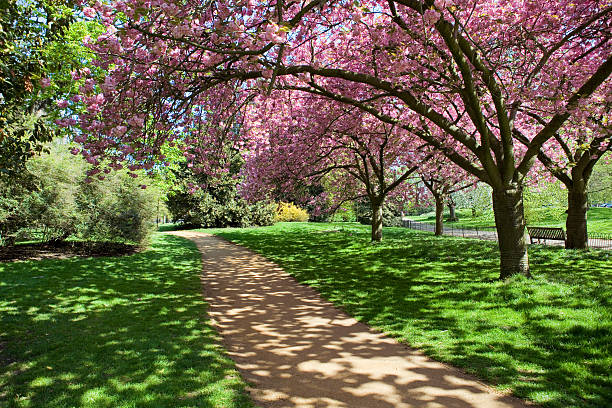
Your best first move is park-first. Walk east into Hyde Park, keep the pace deliberately loose, and let the city arrive in layers rather than all at once. This is one of the best landing zones in London precisely because it allows you to see London without committing to a heavy program. From the Paddington side of Hyde Park, you can take in open space, the Serpentine area, and the western edge of Mayfair without a single Underground decision. The practical consequence is enormous: you start the trip with views and breathing room instead of station tunnels, traffic noise, and a hard arrival at Westminster.
What to avoid here is a dramatic cross-city pivot as your first stop. Paddington to Westminster does not look catastrophic on a map, but on arrival day it often includes one or more of the following: waiting for room readiness, a bathroom stop, a delayed lunch, indecision about transport, and the subtle mental cost of starting the trip with a mission. By the time you reach Westminster, the city has already taken several bites out of your attention. The result is that the iconic view feels oddly flat because you are consuming it while managing logistics.
This base especially suits couples, solo travelers who like a composed start, and small groups who want London to feel elegant rather than effortful on day one. It is also very good for travelers who expect to dine well later in the trip and do not need an arrival day built around a headline sight. From here, the intelligent goal is not to win the day; it is to avoid losing tomorrow.
Base: Mayfair and St James’s
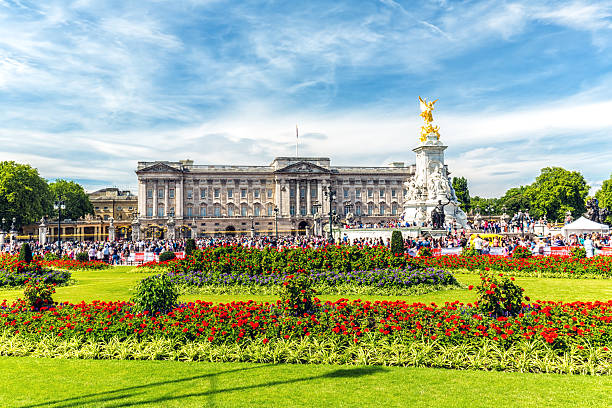
Your best first move is a short, polished outdoor loop with one comfortable pause. Mayfair is unusually good on arrival day because it gives you high-value scenery without demanding a plan with sharp edges. Green Park, the edges of St James’s, and the ceremonial sweep toward Buckingham Palace let you see recognizably London scenes while still preserving the option to peel away quickly for tea, a light lunch, or an early return to the hotel.
The mistake here is over-reading centrality as permission to do more. Because Mayfair sits so well on the map, travelers often think it can absorb Westminster Abbey, a museum, shopping, and dinner on the same day. In practice, that is how a beautiful first afternoon becomes a sequence of upright hours. The counterintuitive correction is that Mayfair’s value on landing day comes from how little it asks of you, not how much it can theoretically hold.
This base works beautifully for celebration travelers, older parents traveling with adult children, and anyone who wants a polished sense of arrival without a full car-led day. If your room is ready and the weather behaves, Mayfair can deliver exactly what arrival day should provide: orientation, appetite, and the feeling that London is readable.
Base: South Kensington
Your best first move is usually either a controlled chauffeur-led panorama or a very local neighborhood afternoon, not a museum push. South Kensington tempts first-timers into doing too much because three major museums sit nearby and the neighborhood carries cultural weight. But museum density is not the same thing as arrival-day suitability. On little sleep, the museum quarter can feel more like a long obligation than a gift: cloakrooms, security lines, big interiors, and a lot of standing before your body has adjusted.
If you stay here, you need to be especially disciplined about the difference between being close to a sight and being ready for it. A gentle local plan might mean a short walk, a relaxed lunch, and one exterior-rich scenic pass toward Kensington Gardens or Belgravia. A better spend for many travelers is a short panoramic drive that stitches together your first views of the city without asking you to navigate from museum to museum.
This base suits travelers who value calm, polished hotels and do not mind using a car strategically on arrival day. It is slightly less forgiving than Mayfair for a do-it-on-foot landing afternoon, but it becomes very strong once you stop insisting that proximity to museums means you should enter them immediately.
Base: Covent Garden, the South Bank, or the Westminster fringe
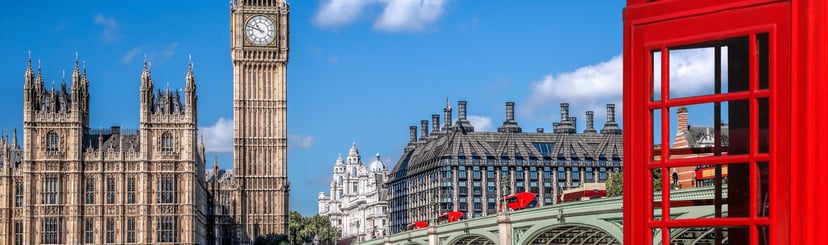
Your best first move is river-first. These areas can make a landing day feel more cinematic than the western hotel zones, but only if you choose a segment that remains flexible. The standout example is the South Bank stretch between Westminster Bridge and Waterloo. That segment is scenic, seated in parts, rich in visual payoff, and easy to stop at almost any point. It gives you the river, Parliament views, and the city’s theatrical energy without locking you into a punishing interior or a long eastward commitment.
What to avoid here is turning a river walk into a monument march. The moment you decide that a pleasant South Bank start should also include the London Eye, Westminster Abbey, a full Whitehall sweep, and dinner before a show, the landing day becomes a list instead of an arrival. Westminster in particular can look compact on the map yet still feel strangely tiring because of traffic lights, crowds, security bottlenecks, and the amount of time spent upright with little real recovery.
This base is strong for travelers who want London to feel immediately alive. It is also one of the best choices for visitors who may want theatre later in the trip, because the area teaches you the emotional geography of central London quickly. But on the first day, the goal is still softness. Choose the river, not the checklist.
The broader point is simple: London’s best landing day is usually the one that keeps you close to your base until your body catches up with your map. A famous district can still be the wrong first stop if reaching it introduces two needless resets before lunch. That is why the Paddington side of Hyde Park can outperform more obviously glamorous first moves. It gives you elegance without friction.
The classic first-day booking that is usually a mistake
The classic first-day booking that is usually a mistake after an overnight flight is a timed Westminster Abbey entry.
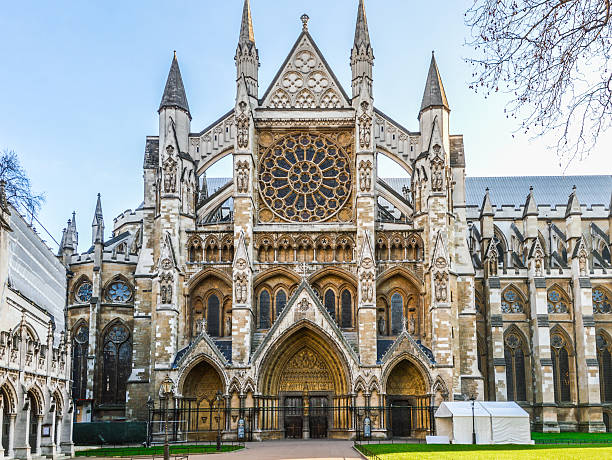
That judgment is not an anti-Westminster position. Westminster Abbey is one of London’s great visits, and many first-timers should absolutely prioritize it during the trip. The problem is fit. Abbey visits tend to arrive bundled with early alarms, security, standing, audio-guide concentration, and the temptation to attach nearby sights because you are already in Westminster. On a fresh morning later in the stay, that is sensible. On landing day, it turns the city into work before it has become pleasure.
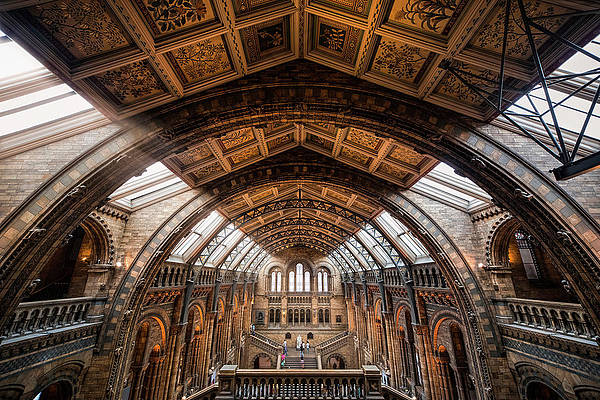
The same logic applies, with slightly different flavors, to other heavyweight first-day choices. The Tower of London asks for more time and more stamina than tired travelers admit to themselves. The British Museum creates a misleading sense of ease because it is indoors and famous, but large indoor visits can be more draining than outdoor ones when your body clock is misfiring. Churchill War Rooms are fascinating, but they are also enclosed, information-dense, and better once you are ready to absorb history rather than merely pass through it. If you want help choosing among those major sights for day two, use our guide to the best first full sightseeing day in London.
What counts as gentle enough for landing day in London is more specific than “not too much walking.” The best first sights share four traits: they are easy to abort, easy to sit through, easy to understand at low energy, and easy to pair with your hotel base. That is why parks, river segments, a short panoramic drive, and a brief cruise often beat a major interior on day one. They allow the city to come toward you instead of forcing you to go and earn it.
- Gentle enough: Hyde Park or Green Park with one comfortable stop, a short stretch of the South Bank, a brief river cruise, a guided panoramic loop with a few exterior pauses, or a very contained neighborhood stroll close to the hotel.
- Usually not gentle enough: Westminster Abbey, the Tower of London, a deep British Museum visit, back-to-back shopping districts, or any plan that relies on multiple Underground hops before you have even settled into London time.
This matters because of consequence, not because of ideology. Landing-day mistakes do not simply make that afternoon less enjoyable. They distort the mood of the entire stay. A traveler who spends arrival day forcing Westminster often starts day two with a subtle sense of debt: they have already used willpower, they have already been upright for too long, and London now feels like a city that must be managed. A traveler who glides through a park, sees the river, eats something sensible, and gets to bed with energy still in reserve starts day two feeling that London is cooperative. That mood difference is one of the most underpriced upgrades in the city.
There is also a specific London wrinkle here: major sights often invite chaining. Westminster leads to Whitehall, which leads to the Churchill War Rooms, which leads to Trafalgar Square, which leads to “we may as well.” That phrase is the enemy of a good landing day. Once “we may as well” enters the plan, the day stops being restorative and starts becoming cumulative.
Choose one of three landing-day shapes, not seven partial ideas
The best arrival afternoons in London fall into three reliable shapes. Pick one and let it do its job.
- 1. Walk-first park arrival: best for Paddington, the Paddington side of Hyde Park, Mayfair, and travelers who want a calm first impression. This version gives you open space, fresh air, and a controlled amount of city. It suits couples, older travelers, and anyone who dislikes using public transport before they have fully arrived. Its main strength is that it feels expansive without being demanding.
- 2. River-first scenic arrival: best for Covent Garden, the South Bank, and travelers who want London to feel vivid immediately. This version uses the river as a visual shortcut. The South Bank stretch between Westminster Bridge and Waterloo is the most forgiving example because it offers views, food options, and frequent decision points. A short cruise can make this even easier because sitting becomes part of the sightseeing. For travelers who like water-led orientation, a Thames cruise option can be a strong arrival-day fit.
- 3. Chauffeur-first panoramic arrival: best for South Kensington, families with mixed energy levels, celebratory stays, multigenerational groups, and travelers who want to outsource decisions. This version works when the city is better seen than walked on day one. Its main advantage is not glamour; it is the removal of small but costly choices at the moment when your decision-making is least sharp.
What you should not do is borrow pieces of all three. That is how arrival day gets overloaded. A common failure pattern is a park walk from a western hotel, a sudden decision to head to Westminster because the weather is good, a museum added because the line “doesn’t look too bad,” and then dinner somewhere you were excited about months ago. None of those choices is irrational in isolation. Together they create the exact fatigue spiral you came to avoid by booking a high-end stay in the first place.
The walk-first version is the most underappreciated because it can look too modest in advance. Yet it is often the plan that produces the strongest emotional result. When London first appears through trees, broad paths, calm water, and a slow eastward reveal toward Mayfair or St James’s, the city feels composed. You are not fighting for it. You are entering it. This is especially powerful after an overnight flight because the body reads open space as relief.
The river-first version is excellent for travelers who become restless if the first afternoon feels too quiet. The South Bank stretch between Westminster Bridge and Waterloo is a prime example of a low-commitment scenic segment beating a heavyweight timed entry. It gives you views, movement, and atmosphere, but it also lets you stop after twenty minutes if fatigue hits. That flexibility is the point. On landing day, the best experience is often the one you can abandon without regret.
The chauffeur-first version is the most misunderstood. Some travelers think it is automatically the most luxurious choice and therefore the best one. It is not. It is the right answer only when the car changes friction in a meaningful way. That may mean minimizing transfers for grandparents, keeping children from unraveling between stops, allowing a couple to enjoy their first glimpse of Westminster and the river without transport decisions, or turning a rainy arrival into a composed overview instead of a damp trudge. When those conditions apply, the value is real. When they do not, the car can become expensive theater.
When a chauffeur or soft scenic segment genuinely improves the first six to eight hours
A chauffeur materially improves the first six to eight hours when it removes at least two forms of friction at once: navigation, standing, weather exposure, family management, or the need to cover widely spaced viewpoints.
That usually means one of four scenarios. First, your hotel is not in a naturally forgiving arrival zone, and the sights you most want to see are scattered. Second, your group contains travelers with different energy curves, such as grandparents and teenagers, or children and adults who all handle jet lag differently. Third, the emotional tone of the trip matters a great deal because it is a milestone stay, anniversary, or family celebration, and you want the first afternoon to feel serene rather than improvised. Fourth, conditions outside are working against you: rain, cold, a late arrival, or the simple fact that your room will not be ready for a while.
In those cases, a short panoramic drive or guided scenic segment is not indulgence for its own sake. It is a way of buying back the hidden costs of arrival. You can see Westminster, the river, and one or two carefully chosen exterior stops without repeatedly deciding whether to walk, wait, or descend into the Tube. That kind of controlled first look often protects the second day as well, because you have already oriented yourselves to London’s scale and geography without spending your best concentration on it.
Families feel this strongly. A well-run car-led first afternoon means no one needs to pretend they are having a good time while standing in the wrong queue. Celebration travelers feel it too. When a couple has booked a special London stay, the first memory should not be stress over whether a transfer, a museum locker, or a late lunch is still possible. It should be a sense that the city opened in the right order.
At the same time, this is exactly where honest spend discipline matters. If your hotel is in Mayfair or on the Paddington side of Hyde Park and your best first afternoon is simply a short park walk, tea, and an early night, paying for a full chauffeur block on day one does not earn its cost.
That sentence is worth taking seriously. Premium spend helps on arrival day when it changes the shape of the day. It does not help when it merely adds leather seats to a route you should be keeping short anyway. Travelers sometimes assume that because London is big, a full chauffeur block must be the most elevated solution. Often the more sophisticated move is the opposite: take the easy local walk your base already offers, save the car for a wider panoramic day later, and keep the landing afternoon deliberately small. When a chauffeur is the right tool, a luxury chauffeured London experience can create that smooth overview. When it is not, skipping it is the better judgment, not a compromise.
The same logic applies to a soft scenic segment such as a short river cruise. The value is not that you are doing “an activity.” The value is that London becomes legible while you sit down. This is one of the few cities where a waterside or river-based segment can turn sightseeing into recovery without feeling like a retreat from the trip. You are still in the city’s center of gravity, but your body is no longer spending every minute earning it.
What London does to the body on arrival day, and what it does to the trip mood
London tires the body less with hills than some European capitals and more with accumulated upright time, repeated starts and stops, and the hidden effort of transitions.
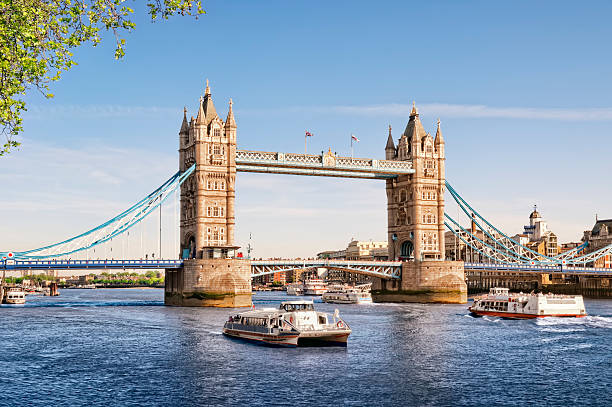
That distinction matters because many long-haul travelers misdiagnose the problem. They think, “We can handle some walking.” Often they can. What drains them is not a single long walk through Hyde Park or along the river. It is airport standing, passport control, baggage wait, hotel arrival uncertainty, the first meal taken too late, a Tube descent, a station corridor, a security queue, a museum floor, another transfer, and then the realization that dinner is still ahead. London’s bridge crossings can contribute to this too. Crossing the river for a reason is fine; crossing it because the plan keeps changing is the kind of inefficiency the body feels immediately.
The South Bank stretch between Westminster Bridge and Waterloo works so well on arrival day precisely because it minimizes that kind of waste. The view is generous, the route is understandable, and the commitment level is low. It is city-facing without being city-fighting. Compare that with a timed interior in Westminster, where large parts of the experience may be spent in queues, audio-guide concentration, and slow-moving indoor circuits when all you actually needed was a first glimpse of London and somewhere to sit down.
Now the mood consequence. A badly planned arrival day makes London feel more complicated than it is. It can create a low-level atmosphere of management that lingers into the evening and even into the next morning. A well-planned arrival day does the opposite. It makes the city feel shorter, calmer, and easier to inhabit. That is why the right first afternoon preserves more than energy. It preserves confidence.
This is especially important if you hope for a pleasant evening. The goal is not merely to stay awake until a reasonable bedtime. The goal is to reach evening still able to enjoy it. A soft first afternoon can leave room for an early dinner, a brief cocktail, or even a very selective theatre plan if your hotel is close enough for an easy return. A hard first afternoon flattens the night. It makes every later choice feel heavier than it should.
If the day starts slipping, stop forcing the evening to rescue it. London rewards the traveler who goes to bed one experience early more than the traveler who stays out one reservation too long.
How to spend the landing afternoon without wasting the rest of the stay
The smartest landing afternoon uses a short sequence: settle, take one scenic line through the city, eat early, and finish before your energy fully runs out.
Think in phases rather than attraction count. Phase one is practical: arrive, freshen up if possible, and decide whether you are a walk-first, river-first, or chauffeur-first traveler that day. Phase two is your single scenic line. That might be Hyde Park into Mayfair, the South Bank stretch between Westminster Bridge and Waterloo, or a panoramic drive with two or three short exterior pauses. Phase three is the comfort stop: lunch if you arrived early, tea if you arrived midafternoon, or an early dinner if the clock has moved on and you know jet lag will win soon. Phase four is the stop. Most travelers underrate the stop. It is what converts a decent first day into a useful one.
One of the cleanest arrival-day mistakes among food-and-wine travelers is forcing the most ambitious reservation onto landing night. London has too many strong dining options to waste your sharpest table when you are least able to taste, focus, or linger. If Ikoyi is part of the trip, use the Ikoyi menu & reservations (https://www.ikoyilondon.com/) page to place that experience on night two or three, not the night you land. Arrival night should generally favor ease, proximity, and a straightforward route back to bed. Save your deeper dining ambitions for later, and use our London fine-dining guide once your trip has found its rhythm.
The same holds for your broader sightseeing arc. Day one should not try to steal from day two. Once you have landed softly, your first full day can carry the more structured London work: Westminster Abbey, the Tower, the British Museum, or a fuller classic-city route. If you want to place those in the larger stay intelligently, a fuller three-day London plan can help map what belongs where. The hidden luxury is not doing everything. It is putting each thing on the day when you can actually enjoy it.
This is the strongest reason to hand day one to a tailored planner when the trip matters. A soft-landed private first day protects the rest of the stay because it prevents the two most expensive mistakes in a high-end city break: wasting prepaid energy on the wrong afternoon and misplacing your best bookings into the hours when you are least able to use them well. If you want that first day designed around your actual flight timing, hotel base, walking tolerance, and evening hopes rather than a generic checklist, Inquire now.
A good arrival day in London should leave you with three things by bedtime: a first memory of the city, a clear sense of where you are within it, and the feeling that the trip still has room to get better. That is the right standard. Not how much you fitted in, but how much value you protected.
FAQ
Should I book a museum on my first day in London after a long-haul flight?
Usually no. A museum can look gentle because it is indoors, but arrival-day fatigue in London is often caused by standing, slow concentration, and multiple small logistics. Unless you truly slept well, arrived early, and can keep the visit very contained, save the museum for your first full day.
Is Westminster Abbey really a bad idea on landing day?
For most overnight long-haul arrivals, yes. Westminster Abbey is a superb visit, but it is a poor fit for the hours when your body clock is least reliable. The problem is not the Abbey itself; it is the combination of timing, standing, security, and the temptation to bolt on more Westminster sights once you are there.
What is the gentlest first sight in London if I am staying near Paddington?
The gentlest first sight is usually Hyde Park, especially from the Paddington side of Hyde Park, with a slow eastward progression toward Mayfair if energy allows. It gives you scenery, air, and an immediate sense of London without forcing a cross-city objective too early.
Is the South Bank good for a first afternoon in London?
Yes, if you keep it selective. The South Bank stretch between Westminster Bridge and Waterloo is one of the best arrival-day routes in the city because it is scenic and flexible. It works best as a contained river segment, not as the start of a monument marathon.
Do I need a chauffeur on day one?
Not always. A chauffeur is worth it when it removes multiple kinds of friction at once, such as navigation, weather exposure, family coordination, or the need to cover scattered viewpoints. It is not worth it when your hotel already gives you an easy park or central walking route and the wiser move is a short local afternoon.
Does my hotel area really change the smartest first-day plan that much?
Yes. In London, the wrong first stop can make a manageable day feel far more tiring because the city’s friction often comes from transitions rather than headline distance. Paddington, Mayfair, South Kensington, and the South Bank each naturally support a different style of first afternoon.
Should I plan a big dinner for my first night in London?
Usually no. Arrival night is better for something close, easy, and early. Save major tasting menus and celebration restaurants for night two or later, when you can actually enjoy the pace, the wine, and the full experience without fighting jet lag.
What if I arrive early and feel unexpectedly fine?
You may be the exception who can add one compact interior, especially if your room is ready and your hotel is in a central, forgiving area such as Mayfair. Even then, keep the plan narrow. One contained indoor visit can work; a full sightseeing stack still usually backfires by evening.
If you’re interested in any private tours of London, please reach out to us.
















 So if you are looking for the absolute best in London & surroundings with authentic local fully-licensed native guides whose English you can actually understand and with an exclusive and amazingly fun itinerary













