Kew, Hampton Court or a London Garden Afternoon? When Green Space Belongs in a City Stay

Updated
Verdict: choose Kew when the garden itself is the reason for the afternoon; choose Hampton Court only when palace history is part of the appetite; choose Hyde Park and Kensington Gardens when what your London stay needs is a central garden afternoon reset, not another outbound plan. In real city conditions, the decisive issue is not which green space is prettiest; it is whether the journey to southwest London returns enough calm for the time, transfers, and evening energy it consumes. The mildly counterintuitive truth is that a hotel in Mayfair or Knightsbridge can make Hyde Park feel effortless while making Kew less convenient than South Kensington’s map position suggests, because crossing the city edge toward Richmond or the river bend at Hampton Court changes the rhythm. The clearest exception: if you have only three full London days and still lack Westminster, the Tower, one museum, or a planned food-and-wine evening, skip Kew and Hampton Court and keep the green space central.
The thesis for a polished London stay is simple but often missed: green space belongs in the itinerary when it makes the city feel more spacious, not when it becomes a second day trip disguised as a gentle pause. That distinction matters for couples who want the afternoon to feel unhurried, families who need a lower-friction hour without losing the evening, and travelers who are balancing gardens against royal history, museums, theatre, or a serious dinner. It also matters because London’s most attractive green choices sit at different levels of commitment. Hyde Park and Kensington Gardens can soften a dense city day with almost no logistical drama. Kew asks for a proper garden mindset. Hampton Court asks for a palace-and-garden mindset, or it will feel like too much movement for too little focus.
The green-space threshold in one practical matrix
A London garden afternoon earns its place when it changes the day’s pace without displacing the experiences that brought you to London in the first place. Use the matrix below before choosing the route, guide, driver, or meal around it.
Default answer for a short city stay: Hyde Park and Kensington Gardens. This is the right answer when the objective is a central garden afternoon reset, especially from Mayfair, Knightsbridge, Belgravia, South Kensington, Notting Hill, or Lancaster Gate.
Best garden-led choice: Kew. Choose it when the party genuinely wants botanical depth, landscape variety, and enough time to wander rather than “see a garden” between other London obligations. Kew is the garden that can justify a half day or gentle day on its own terms.
Runner-up with a condition: Hampton Court. It belongs when Henry VIII, Tudor kitchens, palace courts, riverside setting, and formal gardens all matter. It is not the efficient answer for travelers who only want lawns and flowers.
Wrong fit: any distant garden plan on a compressed first stay, a tired arrival day, a weather-exposed afternoon with low interest in plants, or a schedule that still expects a demanding tasting menu, theatre night, or long West End return.
- Choose Kew if your trip has enough London time already secured, your group likes slow interpretation, and the season supports being outside without turning the plan into a bloom-calendar gamble.
- Choose Hampton Court if the palace is the spine of the day and the gardens are part of the royal narrative rather than the whole reason for going.
- Choose Hyde Park and Kensington Gardens if the desired result is calmer bodies, easier conversation, and a cleaner evening rather than a sense of having “done” another major site.
The matrix is deliberately stricter than a “best gardens in London” list because the mistake is rarely choosing the wrong garden in the abstract. The mistake is choosing the wrong garden for the day it is attached to. Kew after a dense museum morning can be restorative if the afternoon is protected. Kew wedged between hotel checkout, shopping, and a dinner reservation can feel like a logistical apology. Hampton Court can be a memorable royal day. Hampton Court treated as a casual garden stroll can feel overbuilt, especially if the group is not interested in the palace itself. A central garden afternoon reset may sound less ambitious, yet it is often the decision that keeps a London stay elegant in practice.
That is where Orange Donut Tours’ planning lens differs from a generic garden ranking. The question is not whether Kew, Hampton Court, Hyde Park, or Kensington Gardens is “worth visiting.” The question is whether the green space improves the shape of your London day. If your trip already has a good structure and you want seasonal judgment around timing, weather exposure, and what to cut, seasonal London private tours can make the garden plan feel intentional instead of decorative.
Choose Kew when the garden is the point, not a pause
Kew is the strongest choice when at least half the group would enjoy the garden even if nothing else were attached to it. This is the most important Kew garden day threshold: if the answer depends on a famous spring or summer moment, the plan is too fragile; if the answer rests on botanical collections, landscape sequence, glasshouse-style contrast, tree canopy, river-edge calm, and the pleasure of moving slowly, Kew can earn the transfer.
Kew sits in southwest London, with the practical visitor hinge usually around Kew Gardens station, Victoria Gate, and the broader Richmond edge of the city. The journey is not severe by London standards, but it changes the day. A group leaving from Mayfair or St James’s has to cross out of the central hotel-and-monument grid. A group based in South Kensington is closer on the map than a group based in Covent Garden, yet the routing still does not behave like a short neighborhood stroll. A taxi can feel comfortable and still be slow through Hammersmith, Chiswick, or the westbound traffic seams; the Tube can be efficient and still involve platform walks, weather at either end, and the psychological reset of leaving central London. Kew is therefore not the garden you add because there is “a free hour.”
What Kew gives in return is scale and depth. The official Kew site frames the gardens as a UNESCO World Heritage Site with major living collections; for current visitor information, start with the Kew visitor information (https://www.kew.org/kew-gardens/visit-kew-gardens) page rather than relying on second-hand hours or seasonal summaries. That source matters because Kew is a living landscape, not a static monument. Some travelers arrive expecting one photogenic highlight. The better way to use Kew is to let it become the day’s pace: a slower route, a few deliberate stops, and enough unscheduled space for the group to notice rather than consume.
Choose Kew for couples when the mood you want is companionable, observant, and unforced. It suits the kind of afternoon where the success metric is not how many rooms or landmarks were covered, but whether the city stops pressing in for a while. A private guide can help here, but only if the guide’s role is selective: make the living collections legible, connect the landscape to British science and empire without turning the whole afternoon into a lecture, and protect pauses rather than fill every pause. Kew is also good for families with older children or multigenerational groups when the route is designed around stamina. It is weaker for small children who need an easy exit, travelers who dislike open-air uncertainty, or groups that equate value with dense sightseeing.
Seasonally, Kew should be judged by breadth rather than bloom promises. Spring can be wonderful, summer can be lush, autumn can be textural, and winter can still work for travelers who like structure, collections, and a quieter London rhythm. But do not build a premium day around a single flowering expectation. London weather, plant timing, and maintenance realities make fragile promises a poor basis for a costly private plan. Kew is worth choosing when the broader garden is enough, not when the trip depends on one path looking perfect on one date.
The cut-first rule is blunt: if your London stay is three full days or less, and you have not yet placed Westminster, one major museum, a Thames or Tower day, and one unhurried evening, Kew should usually lose to a central garden reset. That does not make Kew lesser. It means the trip is not ready for it. For travelers still deciding how many days London can absorb before adding Windsor, Bath, or another day trip, this wider timing question is better handled before choosing the garden slot; see how many days in London for a bespoke first trip for that broader sequencing problem.
When Hampton Court needs more than a garden mindset
Hampton Court belongs in a London stay when the palace is part of the reason, not when the gardens are the whole excuse. This is the correction that saves the most disappointment. Hampton Court is magnificent for the right traveler, but it is a poor substitute for a calm London park afternoon.
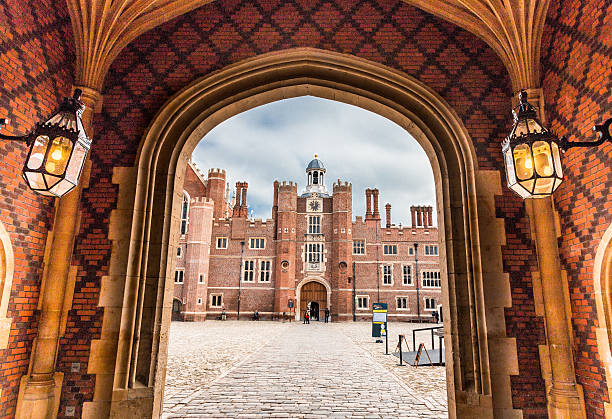
The official Hampton Court Palace page describes a site with Tudor court life, the Great Hall, Tudor kitchens, William and Mary’s baroque palace, and extensive gardens; current visitor details belong on the Hampton Court Palace official site (https://www.hrp.org.uk/hampton-court-palace/). That breadth is exactly why the day needs a palace mindset. The gardens do not float free from the building, the courts, the kitchens, the river, and the story of royal power. If your group is excited by Henry VIII, dynastic politics, domestic service, formal design, and the way a palace sits outside central London, Hampton Court can be richer than a purely green afternoon. If the group only wants trees, fresh air, and quiet, Hampton Court asks too much of the day.
The route consequence is also different from Kew. Hampton Court sits farther into the southwest edge of the city experience, often approached by rail from Waterloo or by car across a suburban-river route. Even when the journey is smooth, it changes the day’s posture. A Waterloo rail approach can be clean, but it still moves the group from hotel to station, train to Hampton Court station, then over the local arrival hinge near Hampton Court Bridge. A chauffeured approach can soften waiting and simplify pickup, but it cannot turn Hampton Court into a central London activity. The traveler consequence is that the day begins to behave like a day trip, even if it is technically close enough to London to feel tempting as a half-day idea.
Hampton Court suits travelers who want a royal-history day with open-air relief built in. It is especially strong when someone in the party likes architecture, court ceremony, kitchens, gardens, and the Thames-side geography of power. It can also work for families when the visit is shaped around energy and not treated as a palace endurance test. But for couples looking for a soft afternoon before a serious dinner, it is often too much. The mood-killing mistake is to turn Hampton Court into a romantic garden escape and then discover that the route, palace choices, and return timing have filled the day with decisions.
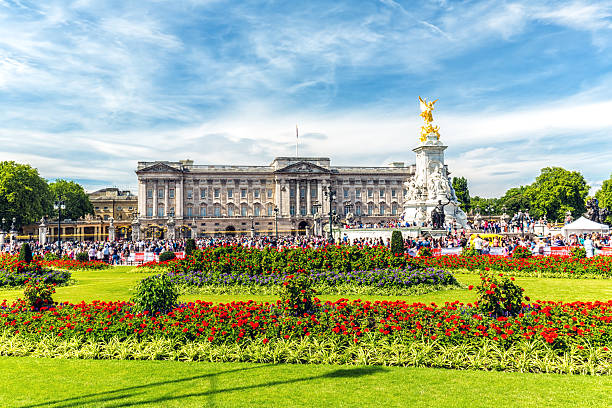
For a private plan, Hampton Court is more persuasive when paired with the right larger royal route or when it replaces another outbound royal day, not when it is stacked on top of one. If Windsor is already in the trip, Hampton Court needs a clear reason to be different. If Buckingham Palace, Kensington Palace, and royal London are already occupying a day, Hampton Court may push the itinerary toward palace fatigue. The stronger approach is to decide whether Hampton Court should be the royal day’s anchor, then allow the gardens to release the experience rather than compete with it. Orange Donut Tours’ Windsor Castle and Hampton Court Private Tour can make sense when the royal theme is deliberate; it is not the answer for travelers merely looking for a leafy intermission.
The firm editorial judgment: Hampton Court is overvalued as a garden-only choice. It is undervalued as a palace-and-garden day for travelers who want royal history outside the central corridor. That difference should decide whether it goes into the itinerary.
Which central garden afternoon reset is enough?
A central garden afternoon reset is enough when the traveler outcome is calm, conversation, and an easier evening rather than a destination with its own narrative weight. In that case, Hyde Park and Kensington Gardens are not a compromise. They are the more intelligent choice.
For many premium London stays, the most useful green space is the one that does not ask the rest of the day to reorganize around it. Hyde Park and Kensington Gardens sit in the hotel-and-evening geography that many discerning travelers already use: Mayfair to the east, Knightsbridge and Belgravia to the south, South Kensington and Kensington Palace to the west, Bayswater and Lancaster Gate to the north. The official Royal Parks pages for Hyde Park (https://www.royalparks.org.uk/visit/parks/hyde-park) and Kensington Gardens (https://www.royalparks.org.uk/visit/parks/kensington-gardens) are the right places to check current visitor notes, but the planning value is evergreen: these parks can be inserted without making the day feel like transport management.
The best central route depends on your base and evening. From Mayfair or St James’s, a Hyde Park Corner entry can become a soft diagonal toward the Serpentine, with a return that still leaves dinner in Mayfair, Marylebone, or the West End plausible. From Knightsbridge, the park can relieve shopping density without sending the group across town. From South Kensington, Kensington Gardens can absorb the afternoon after a museum morning without requiring the group to force another gallery. From Notting Hill or Lancaster Gate, the north and west edges make the park feel like part of the stay rather than a separate excursion.
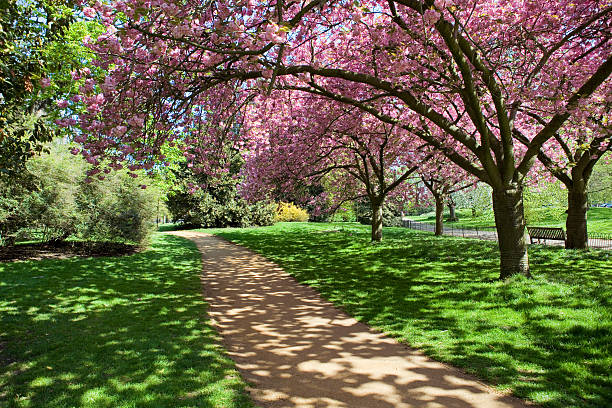
Hyde Park is usually the more flexible reset. It handles walkers, families, and travelers who want space without a strong interpretive frame. The Serpentine gives the route a natural spine; Hyde Park Corner, Park Lane, South Carriage Drive, and Knightsbridge give it multiple exit points. Kensington Gardens feels more composed and slightly more residential in mood, especially when connected to Kensington Palace, the Italian Gardens, or the broad westward lawns. Together, they let a private planner choose the right amount of green rather than pretending that every garden afternoon needs a ticketed destination.
This is also the stronger choice before theatre. A West End night punishes overextension. If the afternoon has already involved a long garden transfer, the return can compress shower time, pre-theatre dining, and the emotional shift from open air to performance. A central park route, by contrast, can finish with a clean taxi line into Covent Garden, Soho, Piccadilly, or St James’s. It may sound less dramatic than Kew or Hampton Court, but it protects the evening better, which is often the point of a premium stay.
For couples, the mood-preserving decision is to choose the central reset when the afternoon’s purpose is to talk, decompress, and arrive at dinner with appetite. The mood-killing mistake is to chase a distant garden because it sounds more special, then spend the last hour of the afternoon negotiating return traffic, coats, bathrooms, weather, and whether there is still time to dress properly. Green space is only romantic when it lowers pressure. If it raises pressure, it has missed the job.
What London does to the body and the mood
London makes garden planning more physical than it looks on a map. The parks and gardens themselves may be gentle, but the route to them can add platform walks, station stairs, taxi sitting, weather exposure, and decision fatigue before the greenery even begins.
Kew and Hampton Court both look deceptively simple because they sit west or southwest of the central hotel districts, not far across a national map. The body experiences them differently. Shoes matter because garden paths, station approaches, palace courts, and park gravel accumulate. Weather matters because London can alternate between bright patches, damp wind, and overheated interiors in the same day. Transfers matter because a comfortable car does not remove the bodily effect of sitting in traffic before asking people to walk again. Even a well-guided day can become tiring if the route makes the group move from hotel lobby to vehicle, vehicle to gate, garden to café, garden to exit, exit to vehicle, and then back into central London for the evening.
The trip mood changes too. A central park reset makes the day feel shorter because the group is never mentally far from the hotel, the restaurant, or the evening plan. Kew makes the day feel more spacious if the afternoon is protected, because the transfer becomes the threshold into a different London. Hampton Court makes the day feel substantial, which is excellent when substantial is desired and excessive when it is not. The same green space can therefore produce opposite emotional results depending on whether it was chosen to deepen the day or to rescue an overpacked one.
This is why the base hotel matters without becoming the whole decision. A Mayfair hotel makes Hyde Park and Green Park easy, but it does not automatically make Kew easy. A South Kensington hotel is excellent for Kensington Gardens and the museum quarter, but Kew still needs a planned route. A Covent Garden hotel can make theatre returns simple, which argues against a late distant garden plan on a show night. A riverside hotel may make the Thames feel natural, but it does not eliminate the transfer math to Hampton Court. The most expensive neighborhood is not always the most convenient one for the green-space day you imagined.
The best private touring design therefore begins with the evening and works backward. If dinner is formal, if the group includes older parents, if children need a reliable decompression window, or if the next morning begins early, the safer garden plan is usually central. If the afternoon is the focus and the evening is intentionally light, Kew can work beautifully. If the day is a royal-history day and the evening is gentle, Hampton Court can land well. The city does not punish green space; it punishes green space placed in the wrong slot.
Where a guide, driver or private half-day design changes the result
Private design changes the result when the garden choice depends on timing, route, interpretation, or the comfort of a mixed group. It does not change the result when the basic choice is wrong.
A guide can make Kew better by selecting a route rather than trying to cover everything. The value is in making the living landscape intelligible: why one area matters, how the collections connect to British science and global plant exchange, where to slow down, and when to leave a vista alone. A guide can make Hampton Court better by tying gardens to palace narrative, so the day feels coherent rather than split between interiors and lawns. A guide can make Hyde Park and Kensington Gardens better by turning a loose walk into a shaped central pause: the right entrance, the right exit, the right café or hotel return, and the right amount of talking.
A driver changes comfort more than meaning. For Kew, a car can reduce the irritation of cross-city movement, especially for a family group or travelers who dislike public transport. For Hampton Court, a car can simplify pickup and make the day feel more private. For the central parks, a driver is often unnecessary unless mobility, weather, shopping bags, or a tight evening sequence makes door-to-door movement worthwhile. This is where the spend judgment should be clear. A chauffeur does not make a distant garden plan worthwhile if the season or trip length is wrong. It can make a good plan smoother; it cannot turn a poor use of time into a good one.
Premium spend earns its cost when it prevents a route from splintering. A multigenerational group may need a private vehicle so older travelers are not managing station changes after a long morning. A celebration trip may need a guide who can keep the afternoon polished without making it feel ceremonial. A family may need a half-day structure that gives children a visible endpoint. A couple may need the restraint not to add a second site just because a car is waiting. In each case, the upgrade works because it protects pace and mood, not because it adds status.
The most natural planning handoff is to decide first whether the green space is the day’s anchor, a supporting pause, or a cut. If it is the anchor, design around Kew or Hampton Court with enough breathing room. If it is a supporting pause, keep it central and connect it to the hotel or evening. If it is a cut, do not mourn it; London has more to reward a lighter plan than a forced one. For help shaping that choice into a private half-day, royal day, or wider London sequence, Tailor-Made London private touring is the cleaner next step. Inquire now
How to place the garden around food, theatre and first-time priorities
The garden decision should be made after you protect the day’s non-negotiables. In London, those are often a major first-time sight, a museum or royal interior, and the evening meal or show that gives the day its finish.
If theatre is fixed, keep the garden central unless the show is deliberately paired with a light morning and no formal dinner. Covent Garden, Soho, Piccadilly, and the Strand reward a clean return. A Kew or Hampton Court afternoon can still work, but only if the show is not being squeezed after a long morning and the group is realistic about changing, eating, and moving through the West End. A private London theatre-and-sightseeing day has its own routing logic; garden time should not be allowed to disrupt it unless the whole day has been rebuilt around the pause.
If a food-and-wine evening is fixed, work backward from appetite. A long outdoor afternoon can be lovely before a relaxed dinner. It can be self-defeating before a tasting menu that needs attention. If your evening centers on a serious reservation, check the restaurant’s current details directly, as with Ikoyi menu & reservations (https://www.ikoyilondon.com/), then decide whether the afternoon should be Kew, Hyde Park, or simply a hotel reset. The green-space choice is not separate from the meal. It determines whether you arrive curious and hungry or merely relieved to be seated. For travelers building a day around Mayfair, Marylebone, Borough Market, or a more composed dining route, a curated London food-and-wine day is the better planning frame.
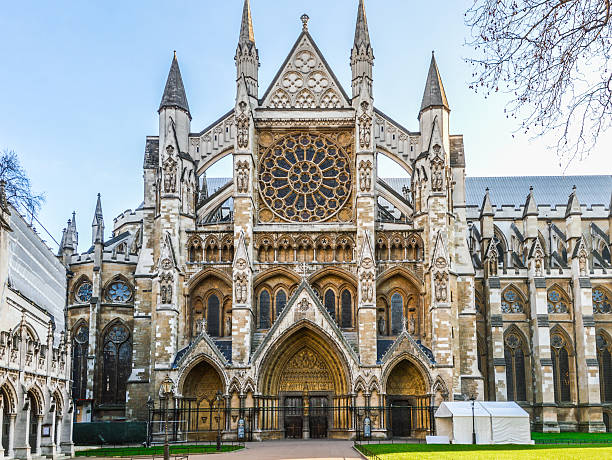
If first-time landmarks are still unresolved, cut the distant garden first. Westminster Abbey, the Tower of London, the British Museum, the National Gallery, St Paul’s, and the Thames each have different timing burdens, but they share one truth: they are central to why many travelers come to London. Kew and Hampton Court are not substitutes for that first layer. They are refinements after the first layer has room. The only exception is a traveler whose stated priority is gardens or royal history from the beginning. In that case, Kew or Hampton Court is not a detour; it is the trip’s personality.
If the trip includes Windsor, Bath, Oxford, the Cotswolds, or another outbound day, be careful about adding Kew or Hampton Court as if they were light. London can absorb one well-chosen day trip beautifully. It can feel thin when every second day exits the city. The stronger sequence is to choose the one outbound day that carries the most meaning, then use central green space to keep London itself present. Orange Donut Tours’ Private Day Trips from London can help when the question is not merely which destination is attractive, but which one fits the shape of the stay.
When to skip both Kew and Hampton Court
Skip both Kew and Hampton Court when the green-space craving is really a symptom of itinerary overload. In that case, the correct move is not a better garden. It is a lighter London day.
The most common skip scenario is the four-night first visit with too many ambitions. Travelers want Westminster, the Tower, the British Museum, shopping, a Thames moment, one formal dinner, one theatre night, and “something green.” Kew looks like the cultured answer, Hampton Court looks like the royal answer, and both can steal the slack that would have made the city enjoyable. The better answer is a central park afternoon, perhaps after a museum morning or before an early dinner. It gives the nervous system the thing it wanted without pretending that the itinerary can keep expanding.
Another skip scenario is the arrival or departure edge. A garden can sound gentle after a long-haul flight, but Kew and Hampton Court require coordination at precisely the moment when travelers are least patient with coordination. After arrival, a soft central route near the hotel usually beats a southwest transfer. Before departure, distant garden plans introduce timing anxiety that undermines the calm they were supposed to create. The city is full of better last-day solutions: a short Hyde Park walk, Kensington Gardens from a west-London hotel, a Mayfair lunch, or a quiet museum hour with a clean airport transfer afterward.
Skip the distant garden when the weather is not merely imperfect but mood-altering. London does not need sun to be good. It does, however, need honest planning when wind, rain, or cold will make an exposed afternoon feel dutiful. A central park gives you exit routes. Kew can still work for garden-focused travelers if the broader site and indoor contrasts appeal, but it should not be forced on a group that wanted a photogenic stroll. Hampton Court can still work if the palace is the draw, because interiors carry the day. But if the purpose was simply “fresh air,” keep it central and flexible.
Finally, skip both when the party is split. One enthusiastic garden traveler and three polite companions do not make Kew a good private afternoon. One Tudor-history devotee and a family that wants a park do not make Hampton Court a good compromise. A private guide can bridge interests, but only to a point. The better move is to choose a central garden afternoon reset and save the specialist site for a future trip or for a traveler who genuinely wants it.
FAQ
Is Kew worth visiting during a short London stay?
Kew is worth visiting during a short London stay only if gardens are a true priority and the main London sights already have enough space. If the trip is three full days or less and still missing Westminster, the Tower, one major museum, or a planned evening, choose a central garden afternoon reset instead.
Should I choose Kew or Hampton Court for a garden-focused day?
Choose Kew for a garden-focused day. Choose Hampton Court when the palace, Tudor history, royal interiors, and gardens all matter together. Hampton Court is too substantial to treat as a garden-only substitute for Kew.
Is Hyde Park or Kensington Gardens enough for a premium London afternoon?
Yes. Hyde Park and Kensington Gardens are often enough when the goal is calm, a better evening, and less transfer strain. They are especially strong from Mayfair, Knightsbridge, South Kensington, Notting Hill, Lancaster Gate, and hotels with West End or theatre plans later.
When should I skip Kew and Hampton Court in favor of a central garden afternoon reset?
Skip Kew and Hampton Court when the trip is short, the evening is important, the group is tired, the weather is likely to make open-air time feel dutiful, or the itinerary already includes another outbound day. In those cases, the shorter city reset gives the benefit without consuming the day.
Does a chauffeur make Kew or Hampton Court a better choice?
A chauffeur can make a good Kew or Hampton Court plan smoother, especially for families or multigenerational groups, but it does not make the plan worthwhile if the season, trip length, or evening schedule is wrong. Spend helps comfort; it does not fix a poor slot.
Can Hampton Court be done as a half day from London?
Hampton Court can be shaped as a half day, but it works best when the palace-and-garden purpose is clear and the rest of the day is light. If you are trying to squeeze it between central sights and a formal evening, it will usually feel rushed.
Is Kew better in spring or summer?
Kew can be rewarding in spring or summer, but a private plan should not depend on a single bloom promise. It is stronger to judge Kew by the broader garden experience, collections, landscape, and your group’s appetite for a slower southwest London afternoon.
Where does a London garden afternoon fit with dinner or theatre?
A central Hyde Park or Kensington Gardens reset usually fits best before dinner or theatre because the return is cleaner. Kew can work before a relaxed evening if the afternoon is protected. Hampton Court should usually be paired with a light evening rather than a demanding reservation or show.
If you’re interested in any private tours of London, please reach out to us.















 So if you are looking for the absolute best in London & surroundings with authentic local fully-licensed native guides whose English you can actually understand and with an exclusive and amazingly fun itinerary













