Greenwich from London by River: When Maritime History Deserves the Half Day

Updated
Greenwich is worth the half day from central London when the river journey and maritime history are the point, not when you are merely trying to add one more famous name to a packed first visit. The route works because the Thames carries you east from royal, parliamentary, financial and dockland London into a museum cluster that actually belongs to the river. The clearest exception is a traveler with no appetite for ships, timekeeping or naval context: in that case, replace Greenwich with a shorter central river segment between Westminster, the Tower and London Bridge, then keep the rest of the day close to dinner.
The article-specific thesis is simple: Greenwich should not be treated as a scenic detour from London, because arriving at Greenwich Pier beside Cutty Sark changes the logic of the whole half day. It is the rare London excursion where the transfer can do cultural work, especially when a guide frames the banks from Westminster Bridge and Tower Bridge through Wapping, Canary Wharf and the Isle of Dogs before you step ashore. For a wider river-led private plan, Orange Donut Tours can fold this into a Boat Cruise on the Thames, but Greenwich only earns the slot when the story continues after the boat.
The half-day verdict, not a full-day default
Plan Greenwich as a focused half day when you want one coherent London idea: river power, seafaring ambition, empire, trade, time and navigation compressed into one walkable district. Do not default to a full day unless your group genuinely wants deep museum time. A full day can be excellent for specialists, but it often steals energy from the central London evening and turns a clean cultural arc into a dutiful crawl through too many interiors.
The winning half-day version usually has three parts. First, take the river east so the approach becomes part of the interpretation. Second, choose one serious Greenwich anchor: the Royal Observatory, Cutty Sark or a curated section of the National Maritime Museum. Third, make a deliberate choice about the hill, because the Observatory sits above the town and the climb changes the body cost of the day. This is where the half day becomes a planning decision rather than a postcard idea.
A useful corrective appears early: the West End is not the best base for starting a Greenwich day by car. A private vehicle from Mayfair, Covent Garden or Knightsbridge may feel premium at the hotel door, but the eastbound river route often tells the London story better than a street-level slog through traffic. The smarter move is usually to meet near a convenient pier, board with context, and let the river carry the transition. The exception is mobility need, poor weather, luggage, or a late evening that requires a controlled return.
Use this visible matrix to decide whether Greenwich should stay, shrink or drop out of the day:
- Greenwich stays as the anchor: You want maritime history, the Royal Observatory, Cutty Sark or a river-led London story, and you can give the district a real half day rather than a rushed hour.
- Greenwich shrinks: You want the arrival by river and a short walk around Cutty Sark and the Old Royal Naval College area, but dinner, theatre or hotel recovery matters more than deep museum time.
- Greenwich drops out: You mainly want views from the Thames and central landmarks. In that case, a Westminster-to-Tower or London Eye-to-London Bridge river segment is cleaner and kinder to the rest of the day.
- The answer flips: If the group includes a serious navigator, naval-history reader, architecture lover or repeat visitor tired of the central London loop, Greenwich becomes more valuable than another museum in Bloomsbury or Trafalgar Square.
That last point matters for repeat visitors. Greenwich is not simply “outside the center.” It is a different London mechanism. You move from the ceremonial city toward the working river, pass the City’s financial edge, skim the rebuilt docklands, and arrive where ships, clocks and empire became institutional memory. If that arc excites the group, the half day has earned its place.
When to arrive by river from London
The best time to arrive by river is late morning or early afternoon, depending on how much museum depth you want and how serious the evening is. Late morning works if Greenwich is the main cultural event of the day: you can travel east with enough attention for the river, land with time for one interior, and still return before the evening collapses into logistics. Early afternoon works only when you deliberately limit the district to the river arrival, Cutty Sark context, a short walk and perhaps one selective museum thread.
For planning confidence, check the operator’s official river route map (https://www.thamesclippers.com/plan-your-journey/route-map) close to travel, because pier calls, direction and timing are operational details rather than editorial promises. The key planning principle is evergreen: choose a pier that reduces pre-boat friction. Westminster Pier is useful when the morning includes Parliament Square or Whitehall. Embankment or London Eye can work for South Bank hotels. Tower Pier can be stronger if the day begins around the Tower, the City or St Paul’s. Starting from the wrong pier can add an awkward Tube or taxi leg before the pleasant part has even begun.
The arrival pattern that makes Greenwich feel intentional
The strongest pattern is a central morning kept light, then a guided river approach east. For example, start around Westminster or the Tower, board without trying to squeeze in another major interior, and let the boat handle the transition. As the river turns past Tower Bridge and the City gives way to Wapping and the docklands, the guide can connect what you have seen in central London to the maritime institutions waiting in Greenwich. By the time you step off near Cutty Sark, Greenwich is not an add-on. It is the answer to why London faced the world from the river.
This is also where Greenwich beats a generic sightseeing loop. In a chauffeured loop, the Thames is often glimpsed between stops. By river, the city’s geometry becomes legible: Westminster upstream, the Tower as a defensive and ceremonial hinge, former docklands to the east, Greenwich as the place where seafaring power and scientific measurement were given architecture. The route becomes part of the value proposition rather than a transfer between attractions.
The arrival pattern that makes Greenwich feel too far
The weak pattern is to spend the whole morning in the West End, eat a long lunch, then decide Greenwich should still happen because it is “only down the river.” By then the journey competes with fatigue, the hill feels punitive, and every interior choice becomes a compromise. Arriving late also makes the return feel heavier because your group knows a dinner reservation or curtain time is already pulling them back west.
This is the city doing something real to the body: London adds energy cost through river crossings, pier approaches, station-to-site walks, stairs, wind exposure on the embankment, and the climb through Greenwich Park if you choose the Royal Observatory. None of these is dramatic alone. Together, they change whether the afternoon feels elegant or slightly forced. The solution is not to avoid movement; it is to make the movement tell the story and to stop adding low-value extras after the river has done its work.
The half-day matrix: river, museums, hill, dinner
The practical choice is not “Should I visit Greenwich?” but “Which version of Greenwich keeps the half day coherent?” A private group should decide the balance before boarding, because Greenwich punishes vague enthusiasm. There are too many worthy pieces close together, and the temptation to sample all of them can make the visit feel thinner, not richer.
- Culture-first repeat visitors: Keep the river approach, add one serious interpretive anchor, and use the hill only if the Royal Observatory is central to the group’s curiosity. The point is depth, not coverage.
- Families with mixed ages: Make Cutty Sark or the National Maritime Museum the interior anchor, keep the hill optional, and avoid turning the day into a march between adult explanations.
- Couples or celebration travelers: Use the river for mood, choose a shorter cultural stop, and preserve the return so the evening does not feel like a recovery operation.
- Food-and-wine travelers: Treat Greenwich as a morning or early-afternoon cultural prelude, not a pre-dinner obstacle. The cut-first rule is simple: do not force every museum if dinner is the day’s emotional center.
- Comfort-first visitors with mobility concerns: Decide the Observatory hill before committing to it. The river and lower Greenwich can still work beautifully without the climb.
This matrix also separates Greenwich from broader Thames touring. A general river day can connect Westminster, the Tower and Greenwich across a longer arc; for that broader decision, the London by river or road decision guide is the better companion. This article is narrower: Greenwich either anchors the half day through maritime context or should be cut in favor of a shorter central river segment.
How much museum depth belongs in a Greenwich half-day?
In a half day, include one real museum or site focus and one supporting gesture, not three full interiors. The Greenwich cluster is rich enough to encourage overreach: Royal Observatory for time and longitude, Cutty Sark for ship and trade, National Maritime Museum for naval and imperial breadth, and the Queen’s House for architecture and art. The official Royal Museums Greenwich (https://www.rmg.co.uk/) pages are the place to confirm current venue details, but the planning judgment remains the same: a half day needs curation more than completeness.
Choose the Royal Observatory when time, science and the view are the payoff
The Royal Observatory is the right anchor when the group wants the Prime Meridian, navigation, astronomy, clocks and the hilltop view over the river bend and Canary Wharf. It is also the anchor that most clearly explains why Greenwich matters beyond its prettiness. The tradeoff is physical and temporal: the Observatory sits up the hill, and the climb or vehicle workaround consumes attention. Choose it when the intellectual payoff is worth that body cost.
The Royal Observatory is less successful as a reflex stop for travelers who only want the photo. If the group is not interested in timekeeping or navigation, the hill can feel like an expensive detour in energy. In that case, keep the lower town and river story, then spend the saved energy on a better return or dinner. This is not anti-Observatory advice; it is advice against using the Observatory as an automatic trophy.
Choose Cutty Sark when the ship gives the day a tangible center
Cutty Sark is the most immediate Greenwich anchor because the river arrival places you close to it. For families, first-time visitors and travelers who like physical objects more than museum cases, the ship can make the maritime story tactile. It also works well when the group needs a clear focal point after the boat: you arrive, see the vessel, and understand that Greenwich is not simply a pretty riverside village.
The tradeoff is that a full interior visit can crowd out the Royal Observatory or the National Maritime Museum. If the half day is short, consider whether Cutty Sark should be the main interior or a contextual exterior stop. Many private groups do well with the ship as a strong opening object, then move to one deeper interpretive thread rather than treating every nearby door as a must-enter.
Choose the National Maritime Museum when you want breadth without the hill
The National Maritime Museum is the best lower-Greenwich anchor when you want substance without committing to the Observatory climb. It allows a guide to select a theme instead of dragging the group through an encyclopedic museum rhythm. Naval power, exploration, trade, empire, polar journeys and maritime identity can all be handled selectively, and that selectivity is what preserves the half-day shape.
The danger is museum drift. A group that enters without a plan can lose the river thread, then emerge with too little time for the site-to-site logic that makes Greenwich memorable. A private guide should enter with an edit: which galleries matter to this group, which object or story unlocks the district, and when to leave before the visit becomes a general museum afternoon. That is where a private tour guide in London changes more than commentary; the guide protects the shape of the day.
The Observatory hill decision
The Observatory hill decision is the hinge of a Greenwich half day. Say yes when the Royal Observatory is the intellectual center, when the group enjoys a view earned by walking, or when the weather and timing support a slower ascent through Greenwich Park. Say no when dinner is central, mobility is uneven, rain or wind makes the climb unpleasant, or the group would treat the top as a quick photograph rather than a meaningful site.
Lower Greenwich can still be a complete half day without the hill. From Greenwich Pier, the Cutty Sark area, the Old Royal Naval College precinct, the National Maritime Museum edge and the park approach give enough context for a strong route. The mistake is not skipping the hill; the mistake is pretending the hill is a negligible add-on. For older parents, young children, dress shoes before dinner, or anyone trying to preserve energy for the West End, the climb can shift the afternoon from satisfying to weary.
There is a mood consequence here as well as a mobility consequence. A Greenwich day that chooses the hill deliberately feels purposeful: the river leads to the town, the town leads to the slope, and the view explains the river. A Greenwich day that bolts the hill on late can flatten the mood, because the group starts measuring the afternoon against the return journey instead of listening to the story. The right decision is the one that keeps the day feeling shorter than it is.
A comfort-first compromise is to make the hill conditional. Begin with the river, handle the lower Greenwich story, and let the guide assess pace, weather and interest before committing. This is particularly useful for families and celebration travelers, where the best plan is often the one that keeps a graceful exit available. Greenwich rewards curiosity; it does not reward stubbornness.
The river route is the story, not a scenic add-on
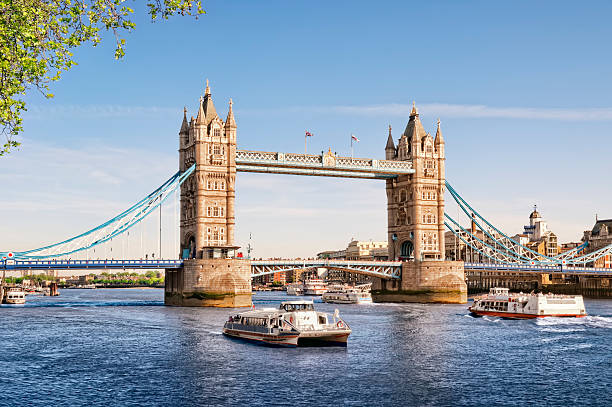
The reason to approach Greenwich by river is that the Thames explains the district better than a road transfer does. A car can be comfortable, and a driver can be useful at the edges of the day, but the eastbound river sequence gives the guide a living map. Westminster sets up power. The Tower sets up defense, monarchy and trade. Tower Bridge marks a theatrical threshold. Wapping and the old dockland edges bring the working river into view. Canary Wharf and the Isle of Dogs show the modern financial afterlife of dockland London. Greenwich then lands as the historic counterweight: ships, measurement, navigation and national maritime memory.
This is why a guided Greenwich half day is commercially sensible without sounding like a sales pitch. The expertise is not only in naming what you pass. It is in deciding what to emphasize, when to let the boat be quiet, how to connect the riverbanks to the museum choices, and when to stop before the district becomes over-explained. For a private group, the guide turns the route and the maritime cluster into one coherent story rather than two separate products: a boat ride and a museum visit.
The practical difference is visible in the transitions. A guide who understands the route will not spend the whole crossing reciting dates. They will use the places that appear in front of you: the parliamentary river around Westminster, the defensive mass of the Tower, the warehouse memory around Wapping, the glassy compression of Canary Wharf, then the sudden openness at Greenwich. That pacing lets travelers absorb the city rather than endure a lecture, and it keeps the museum visit from starting cold.
The river also lowers a particular kind of London friction. Cross-city touring by road can make the city feel like a series of interruptions: traffic light, drop-off, security line, regroup, repeat. The river has its own constraints, but it creates continuity. You board once, watch the city reorder itself, and arrive in a place whose meaning depends on water. That continuity is the main reason Greenwich by river can feel calmer than a superficially easier chauffeured loop.
There is one caveat. The river is not automatically better just because it is prettier. On a day with poor weather, tight mobility needs, awkward pier access, or a hard evening deadline, a car or mixed return may be wiser. The point is not romance at all costs. The point is to make the transfer serve the day. If it cannot, simplify the route.
What to skip if dinner is central
If dinner is the emotional center of the day, skip the second interior first and the Observatory hill second, unless one of them is the reason you chose Greenwich. A serious dinner changes the value of the afternoon. The goal is not to arrive at the table having technically completed Greenwich; the goal is to arrive interested, comfortable and not quietly calculating the fastest way back to the hotel.
This matters for travelers whose evening is built around the West End, a tasting menu, or a reservation such as Ikoyi menu & reservations (https://www.ikoyilondon.com/). In that context, Greenwich should be a shaped prelude, not a test of stamina. Keep the river approach. Choose one site. Leave before the return becomes the dominant memory. The extra museum you force at 4 p.m. is often the detail nobody remembers, except as the reason the evening began with fatigue.
The cut-first rule is practical. If the group has already chosen Cutty Sark as the interior, do not also force a deep National Maritime Museum visit. If the Royal Observatory is the prize, do not add another full interior just because it is nearby. If the dinner dress code, hotel reset or theatre timing matters, treat lower Greenwich as sufficient and save the hill for another trip. These choices are not about doing less; they are about preserving the part of the day that matters most.
A shorter central river segment should replace Greenwich when the evening is immovable and the group mainly wants Thames atmosphere. Westminster to Tower, London Eye to Tower, or a central pier-to-pier route can provide the river perspective without the eastward commitment. That is the honest no: Greenwich should not be used as decorative padding before a major dinner. It deserves the half day or it should be edited out.
Where premium spend changes the Greenwich day
Premium spend helps when it buys interpretation, sequence control, comfort at the day’s edges and a cleaner handoff into the evening. It does not help simply because the vehicle or boat is private. A private boat or driver does not help if the traveler does not want maritime depth. In that scenario, the expensive version only makes the wrong idea smoother.
Where spend does earn its cost is in orchestration. A private guide can meet at the right pier, brief the group before boarding, use the riverbanks as context, select the museum depth, manage the Observatory hill decision and cut the day before it sours. A chauffeur may be valuable for the return if mobility, weather, children, older parents or dinner timing make the trip back west too exposed to friction. A private boat can be worthwhile for a celebration or privacy-sensitive group, especially when the river itself is part of the occasion, but it is not automatically superior to a well-timed scheduled river service for travelers who want the city’s public river rhythm.
The spend judgment is especially important in London because “more private” is not always “more London-smart.” A private car sitting in traffic east or west of the City can make the day feel controlled on paper but heavy in practice. A scheduled boat can feel more elegant if the route, pier and timing are chosen intelligently. Conversely, a car at the end can rescue the mood if the group has climbed the hill, the weather turns, or a West End dinner leaves no room for a casual return.
For families and small groups, the best premium move is often not the most expensive one. It is the guide who knows when to stop explaining, when to give children the ship before the abstraction, when older travelers should skip the hill, and when a couple should leave Greenwich while the river still feels like a gift. Those are judgment calls, not upgrades on a menu.
How to sequence Greenwich with the rest of London
Greenwich works best after a light central morning or as the cultural anchor of a day that does not need another major museum. It pairs naturally with Westminster or the Tower because the river connects the political and defensive city to the maritime city. It pairs poorly with a heavy British Museum morning, a long shopping route, or a serious lunch followed by an ambitious dinner. In those cases, Greenwich becomes the third act of a day that should have ended at two.
For a first visit, Greenwich should not displace Westminster, the Tower or one central museum unless the traveler’s interests clearly point east. For a repeat visit, it can be the more intelligent choice precisely because it avoids another day of familiar central icons. For a family, it works when the ship, river and open spaces are used as pacing tools. For food-and-wine travelers, it works when the afternoon is kept clean enough to support the evening; if dining is shaping the whole day, use the London food-and-wine planning guide to decide whether Greenwich belongs before or on a different day.
A strong half-day sequence looks like this: meet near the chosen pier, board with a short river briefing, travel east with selective commentary, arrive at Greenwich Pier, orient around Cutty Sark, choose either the Royal Observatory or lower museum depth, then return with enough buffer that dinner or theatre remains enjoyable. A weaker version starts too far from the pier, boards late, tries to enter every site, adds the hill without conviction, and returns west when everyone is already managing appetite, shoes and evening logistics.
This is the point at which Orange Donut Tours can add the most value. Greenwich is not difficult to reach; it is difficult to proportion. A tailored private plan decides whether the river should be public or private, where the guide should meet you, which museum thread belongs to your group, whether the Observatory hill decision is made in advance or held open, and when the return should shift from river to car. For a London day built around this kind of judgment, a Greenwich half day can sit inside a Best of London private tour rather than behaving like a bolt-on excursion.
When you want the river approach and maritime cluster shaped around your group rather than stretched into a generic day, Inquire now.
FAQ
Is Greenwich worth half a day from London?
Yes, Greenwich is worth half a day when maritime history, the river approach, the Royal Observatory, Cutty Sark or the National Maritime Museum are part of the reason you are going. It is not worth the half day if you only want a brief Thames view before returning to central London.
Should I go to Greenwich by boat or by car?
Go by boat when the river route is part of the experience and your group can access the pier comfortably. Use a car or mixed return when mobility, weather, luggage or a fixed dinner time makes the river less convenient.
What is the best time to arrive in Greenwich by river?
Late morning is usually best when Greenwich is the day’s cultural anchor. Early afternoon can work for a lighter visit, but only if you limit museum depth and avoid treating the Royal Observatory hill as an automatic add-on.
Can I visit the Royal Observatory, Cutty Sark and the National Maritime Museum in one half day?
You can see parts of all three, but a better half day usually chooses one serious anchor and one supporting stop. Trying to do all three deeply often makes the visit feel rushed and weakens the river-to-maritime story.
Should I climb to the Royal Observatory?
Climb to the Royal Observatory when timekeeping, navigation, the Prime Meridian and the hilltop view are central to your interest. Skip it when dinner, mobility, weather or group energy matters more than the Observatory’s specific story.
What should I skip in Greenwich if I have a West End dinner?
Skip the second interior first, then reconsider the Observatory hill. Keep the river arrival, choose one Greenwich focus, and return with enough buffer that the dinner feels like the point of the evening rather than recovery from the afternoon.
Is a private boat worth it for Greenwich?
A private boat can be worth it for celebrations, privacy-sensitive travelers or groups who want the river itself to be the occasion. It is not necessary for every Greenwich visit, and it does not replace the need for a well-edited museum and hill plan.
Can Greenwich work for repeat visitors to London?
Yes, Greenwich is especially strong for repeat visitors because it gives a different London narrative from the central icons. It works best when treated as a focused maritime half day rather than a broad sightseeing add-on.
If you’re interested in any private tours of London, please reach out to us.















 So if you are looking for the absolute best in London & surroundings with authentic local fully-licensed native guides whose English you can actually understand and with an exclusive and amazingly fun itinerary













