A London Portrait Commission: Live Sittings, Photographs or a Hybrid Process?

Updated
Should the portrait be made from life, from photographs or through both?
For a couple marking an anniversary in London, that question sounds technical until the commission begins to occupy real hours, real decisions and a real place in the home. A live process asks the sitters to become part of the artist’s working rhythm. A photographic process concentrates the encounter into a camera session, then shifts most of the making to the studio. A hybrid process keeps a meaningful meeting from life while giving the artist visual material to continue after the couple has left London.
None of the three is automatically more serious, more intimate or more flattering. The result depends on the artist, the medium, the intended scale and the quality of the brief. What changes most sharply is the sitter’s role. One method may require repeated stillness and ongoing presence; another may demand confidence in a small set of selected images; a third may ask the couple to accept that the artist will combine observations made in person with photographic reference over time.
The useful choice therefore begins with four questions rather than a verdict. What should the portrait communicate about the relationship? How much London time can genuinely be protected for consultations and sittings? How involved does the couple want to remain after the trip? And which parts of the finished work must be settled before the artist starts, rather than negotiated once an image is already taking shape?
Begin with the portrait’s job, not its production method
An anniversary commission can serve several different purposes. It might be a formal double portrait intended to hold a large wall and become part of a family collection. It might be an intimate study of two people at a particular age, made for a private room. It might preserve the ease of a relationship rather than ceremonial status. Or it might use London itself only as the place of encounter, without including a recognisable city setting in the finished work.
Those aims are not interchangeable. A large oil showing two figures, hands, clothing and a developed setting presents a different compositional problem from a closely cropped drawing. A work meant for a panelled dining room may need to register at a distance, while a smaller portrait in a study can reward close looking. A couple who want psychological presence may accept a slower, less predictable process. A couple who care most about a fleeting expression or a specific anniversary-day appearance may place more weight on artist-directed photography.
A commission should not be treated as an ordinary London shopping stop. The meeting, pose, source material, approval boundaries and destination wall all affect what can be made. Even when London contains only one appointment, the commission continues as a relationship among client, sitters and artist.
A productive first sentence for the brief is not “we want a traditional portrait” or “we prefer something contemporary.” It is more precise: “We want a double portrait that feels composed but not ceremonial, shows the ease between us, and can hold its own above a low cabinet in a room viewed from several metres away.” That statement gives an artist material to interpret. The method can then be chosen in service of the result.
What live sittings actually offer
Working from life gives the artist repeated access to information that no single photograph contains: small changes in posture, the way one face settles after conversation, the relationship between skin tones and the studio light, and the difference between a momentary expression and a characteristic one. The artist does not merely copy a fixed view. Over several sessions, the portrait can become a synthesis of observations.
For a couple, this sustained observation has an additional dimension. The subject is not only two likenesses but the visual relation between them. Who turns toward whom? Does physical closeness feel natural or staged? Are the sitters most themselves in conversation, in quiet stillness or in a more formal arrangement? A painter working from life can test those relationships over time rather than locking the entire composition to the fraction of a second captured by a shutter.
The cost is participation. Live work asks for stillness, repeated clothing decisions, consistent lighting conditions and a tolerance for the artist’s pace. The Royal Society of Portrait Painters’ commissioning guide says that the number and length of sittings vary with technique and style; it gives six to ten sittings of roughly an hour and a half to two hours as an average for an artist working from life. That is an example from an official commissioning framework, not a universal promise. Individual artists may structure the work very differently.
A named artist’s published process makes the time consequence even clearer. Emily Macduff’s commission page describes life sittings of two to three hours and approximately five to eight sittings for a finished portrait, while also noting that reference photographs taken in the first session may support completion. The planning lesson is not that every live portrait requires those exact numbers. It is that “painted from life” must be translated into a specific sitting schedule before the trip is built around it.
Live sittings suit couples who value the experience of being observed, can protect repeated sessions and recognise what sustained looking contributes to the chosen artist’s work. They fit less well when London allows only one narrow window, prolonged stillness is difficult or the couple expects extensive correction of interpretive choices.
What a photographic process can mean
“From photographs” covers several different practices. At one end, an artist may work from existing personal images supplied by the couple. At another, the artist may direct a dedicated photographic sitting, controlling light, clothing, pose, distance and expression specifically for the commission. A photographer may create the final portrait as a photographic artwork, or a painter may use the resulting images as source material. These are materially different propositions and should not be collapsed into one category.
An artist-directed session can be highly intentional. It allows many variations to be gathered in a limited period: seated and standing arrangements, direct and averted gazes, closer and wider framing, changes in hand position, and small shifts in the distance between the two sitters. For clients with little time in London, this concentrates the presence requirement. It also lets the artist continue without attempting to reproduce the same pose and clothing across several days.
Photography does not remove interpretation. The selection of source images may be one of the most consequential creative decisions in the whole commission. The National Portrait Gallery records that Shirin Neshat made a series of photographs during a London sitting with Malala Yousafzai; Neshat and the Gallery then selected two, which the artist developed further through hand-inscribed calligraphy. The Gallery’s account of the Malala portraits is a useful reminder that a photographic sitting can be the beginning of a layered artwork, not merely a shortcut around drawing or painting from life.
The risks are different from those of repeated sittings. A photograph freezes an instant, including tensions or asymmetries that might be temporary. Wide-angle distortion, unsuitable focal length, compressed posture, over-directed expressions or inconsistent source images can all affect later work. Existing snapshots may carry emotional importance for the couple yet lack the resolution, lighting or viewpoint the artist needs. A serious photographic process therefore includes discussion of who takes the images, how they are selected, whether the artist may combine several references and how much invention is expected beyond them.
This route is persuasive when the artist has a deliberate photographic language, one concentrated session suits the trip or the final medium is photographic. It is weaker when chosen merely as a promise of speed, easy revisions or mechanical exactness; production can still be long and artistic judgment remains.
Why a hybrid process is more than a compromise
A hybrid commission typically combines direct contact with photographic reference, but the balance varies. An artist might establish the composition and colour from life, take photographs during the same session, and complete later in the studio. Another might use a photographic sitting first, then request a shorter live session to study complexion, hands or the relationship between the sitters. A third may begin a painted study in person and use remote conversations to resolve clothing, background or framing.
The attraction for an international couple is obvious: the artist meets the people rather than only their images, while the commission does not depend on the couple remaining in London for every stage. Yet the hybrid route should not be described as “the best of both” without qualification. It works only when the artist’s method genuinely integrates the two sources. Some painters build their work around repeated live observation and use photographs reluctantly. Others are fluent in translating photographic information but still value the first meeting for rapport and visual calibration.
Portfolio London’s published process describes an initial discussion of style, artist, composition and size, followed by arrangements for sittings and/or photography; it also notes that some works can start from life and be completed from photographs. That sequence illustrates the key point: method is not a label applied at the end. It follows decisions about the artist, composition and scale.
For anniversary clients, the hybrid process often has a further emotional advantage. The London sitting can remain a significant shared occasion rather than a purely administrative photo capture, while later studio work does not consume the rest of the stay. The tradeoff is trust. Once the couple departs, they must be comfortable with the artist advancing the work from selected references and with consultation happening through agreed remote review points.
Choose hybrid because the artist’s method supports it, not because the schedule was left unresolved. The agreement should state what must happen in London, what can be decided later and whether any second in-person encounter is essential.
Compare the methods by the work they require from the couple
Presence and stillness
Live work places the heaviest demand on physical presence. The couple may need to return to the same studio, maintain a pose within reasonable variation and preserve wardrobe continuity. A photographic session concentrates that demand, but it can be more performative: many poses and expressions may be requested quickly. Hybrid work often requires one substantial encounter and, depending on the artist, a shorter follow-up or no further in-person sitting.
Stillness is not merely patience. Back, neck or joint discomfort can make a pose unworkable, and discomfort alters the face and body. Chairs, supports, breaks and the different needs of each partner should be discussed before a formal composition is agreed.
Control over a moment versus synthesis over time
Photography is excellent at preserving a chosen instant. That can suit a couple who want the portrait tied to a particular anniversary look, garment or emotional register. Live painting is better understood as observation accumulated across time. The finished face may not correspond to one exact second because the artist is integrating many views. Hybrid work can use a selected moment as a structural reference while allowing in-person knowledge to modify it.
A couple attached to a particular smile should ask whether the artist usually works with that expression and how it will be sustained or sourced. Method cannot compensate for a mismatch between the desired emotional register and the artist’s established practice.
Participation after London
A couple may be available for one excellent session but unwilling to spend months discussing every development. Another couple may enjoy reviewing studies, background proposals and framing options remotely. Neither preference is superior, but it should shape the agreement. The important distinction is between consultation and control. A commission can include defined decisions for the client while leaving the artist responsible for the work’s visual coherence.
Before signing, define later participation: source-image selection, approval of a compositional study, one progress view, a framing choice or simply notice of completion. An undefined promise of “updates” can create incompatible expectations about revisions.
Uncertainty
Every method contains uncertainty, but in different places. With live work, the composition may evolve as the artist learns the sitters. With photography, much depends on the quality and selection of source images. With a hybrid process, uncertainty lies in how the artist reconciles direct observation with fixed references. The couple should choose the uncertainty they can accept, not imagine that one method removes it.
Use London’s portraits to build a useful visual vocabulary
A visit to the National Portrait Gallery can sharpen the commission brief, provided the couple looks at decisions rather than searches for one picture to copy. The useful questions are concrete. How much of the figure is shown? What happens when hands enter the composition? Is the sitter placed against a quiet field, a domestic interior or a setting that signals public identity? Does the gaze meet the viewer? How large is the head in relation to the canvas? Does the work feel intimate because of scale, cropping, surface or expression?
Scale is especially difficult to judge online. The Gallery catalogues Tai-Shan Schierenberg’s 2004 portrait of Seamus Heaney as oil on canvas, 38 by 36 inches. Its entry also explains that the work arose from a Queen’s University Belfast commission and that a more formal portrait was selected for that setting, while this more introspective version entered the Gallery. The National Portrait Gallery catalogue record shows why “formal” and “intimate” should not be treated as vague style words: context can lead to different versions or different choices from the same artistic encounter.
Museum comparison is most useful for naming preferences. One sitter may respond to direct gaze and visible brushwork; the other to quiet profile and precise finish. That disagreement reveals that the brief must address not only likeness but the kind of attention each person wants the portrait to hold.
The Gallery also places individual commissions within a longer London history of status, fashion, interiors and public identity. Read the London society portrait tradition through Sargent, Whistler and the rooms their works inhabited before deciding whether the anniversary portrait should acknowledge ceremony, resist it or transform it into something more private.
A museum visit should precede the final artist consultation when possible. It gives the couple shared references and reduces reliance on imprecise adjectives. A sentence such as “we like the concentration created by a close crop, but not a dark ceremonial background” is more useful than “make it modern but timeless.”
Select the artist through relevant work, not reputation alone
The artist’s portfolio should answer the problem you are actually setting. For a double portrait, begin with double and group works. An artist may produce compelling single heads yet handle the space between two figures less convincingly. Look for how the sitters relate, whether both faces carry equal attention, whether hands and bodies feel integrated, and whether one person appears to have been added around the other.
Then examine works at a comparable scale and in the proposed medium. A small pencil study does not predict the effect of a large oil, and a highly finished formal canvas does not prove that the artist can produce the loose, immediate surface a couple admires elsewhere. Relevant evidence includes finished portraits, preparatory studies and, where available, descriptions of the working process.
The Royal Society of Portrait Painters advises scanning work quickly to form an instinctive shortlist, then analysing that shortlist more closely and meeting the chosen artist to discuss the proposed portrait. That sequence is sound because attraction and scrutiny perform different jobs. Initial response identifies whose visual language holds attention. Analysis tests whether that artist repeatedly solves the kind of composition, scale and relationship the commission requires.
Use museum comparisons to sharpen, not dominate, artist selection. A couple may admire the crop of one historic portrait, the surface of another and the psychological quiet of a third. No living artist should be asked to assemble those references into a pastiche. The purpose is to reveal priorities, then find an artist whose own work already engages them.
Artist consultation should also test working compatibility. The couple need not become friends with the artist, but they should understand how direction is given, how silence and conversation function during sittings, and whether the artist welcomes questions at defined stages. For live and hybrid work, rapport is not merely pleasant; it affects the quality of attention available in the studio.
Appointment logic matters when study and commissioning share a day. Use this collector’s London map to combine museum study, specialist conversations and St James’s without compressing every stop into one sweep.
The brief should settle the consequential choices
A portrait brief is not a script. It records conditions, aims and boundaries that prevent avoidable misunderstandings. The Royal Society’s guide identifies subject, size, medium, completion date and sitting location as core considerations, with clothing also relevant. An anniversary brief should also state what the relationship contributes to the image.
- Purpose: the anniversary being marked, who the work is for and whether it is intended as a private family object or may have a wider public life.
- Subject: both sitters together, separate companion portraits, or one principal double portrait with preparatory studies.
- Emotional register: ceremonial, reflective, conversational, affectionate, restrained or deliberately ambiguous.
- Composition: head and shoulders, half length, three-quarter length, full length, seated or standing, with or without hands and setting.
- Medium: oil, drawing, pastel, photographic work or another medium already central to the chosen artist’s practice.
- Scale and destination: canvas or paper dimensions, likely frame allowance, viewing distance, wall colour, nearby furniture and light in the room.
- London presence: exact dates available, maximum realistic session length, number of days that can contain sittings and any physical constraints.
- Reference material: whether the artist will take photographs, whether existing images may be used and who selects the principal references.
- Review points: which decisions require client confirmation and which remain within the artist’s discretion.
- Completion and delivery: an agreed schedule or range, framing responsibility, packing, destination, insurance arrangements and who handles any cross-border requirements.
- Privacy: whether working photographs or the completed portrait may be shown online, in exhibitions, in publications or in the artist’s portfolio.
The brief must also record what happens if it changes. Increasing the scale, adding a background, moving from one figure to two, altering the medium or requesting a new pose after studies have begun can change the work substantially. The agreement should explain how revised scope affects fee, schedule and approval. That is not pessimism; it preserves the artist-client relationship by distinguishing a correction from a new commission decision.
Which stages require the couple to be in London?
The answer should be mapped stage by stage. “We are in London for five days” is not enough. A couple might technically have five days but only one calm morning once arrival, existing plans and departure are considered. Conversely, a longer stay may support several sessions if the artist’s studio and the couple’s other commitments are sequenced deliberately.
Before travel
Portfolio review, a preliminary brief, wall dimensions and an initial consultation may be handled remotely, subject to the artist’s practice. Use this stage to test whether the work fits the available London time. Never assume a preferred artist is available; confirm dates and lead time before the itinerary depends on them.
The first London meeting
The first in-person consultation can test rapport, confirm the physical scale through examples, review clothing and inspect the studio conditions. If the commission is photographic or hybrid, the artist may combine consultation and image-making. If it is live-led, the first sitting may be devoted partly to composition, lighting and preparatory studies rather than visible progress on the final work.
Primary sitting or photographic session
This is the least replaceable stage when the artist needs direct contact. Protect time beforehand so the couple does not arrive hurried, and avoid an inflexible commitment immediately afterward. A long sitting can be mentally tiring even when physically comfortable.
Additional sittings
For live work, later sessions may be essential rather than optional. Ask whether they must occur on consecutive days, at similar times for light, in the same clothing, or after a gap that lets the artist advance the canvas. A London stay cannot support a live process merely because several hours remain somewhere in the calendar; the session pattern must match the artist’s method.
Remote development
After departure, communication may cover source selection, composition, background, progress or framing. Agree the purpose and number of exchanges. Hybrid work is travel-compatible only when the in-person material is sufficient for the artist to proceed.
Framing and delivery
These stages normally occur after the artwork itself is complete. The couple should establish who recommends the frame, who approves it, whether delivery is framed or unframed and how the work will be packed. Completion during the London stay should never be assumed. The trip is usually the beginning or a crucial middle stage of a commission, not a retail collection deadline.
Scale and medium can reverse the apparent choice
A couple may begin by preferring live sittings, then discover that the desired full-length double portrait would require more sustained work than the stay permits. Another may assume photography is necessary, then choose a small drawn double portrait that an artist can develop through a manageable number of direct studies. Method follows the particular combination of scale, medium and finish.
Drawings and works on paper
A drawing can feel immediate and intimate, but “drawing” does not automatically mean quick. Highly finished graphite, charcoal or pastel can demand exacting sittings and careful handling. Works on paper also raise framing and glazing decisions that affect final dimensions. Couples should judge the artist’s actual examples, not treat paper as a secondary version of painting.
Oil painting
Oil supports revision, layering and a broad range of finish, from visibly worked surfaces to controlled detail. It can be especially effective when the commission needs physical presence at architectural scale. Yet size, number of figures, background and the artist’s technique all affect the sitting plan. An oil portrait based on an artist-led photographic session is still an oil commission; the source method and the final medium are separate decisions.
Photographic artwork
When the final work is photographic, edition, print process, paper, mounting, scale and artist intervention become part of the commission. The Neshat portrait of Malala demonstrates how photography may be combined with hand-applied text and conceptual framing. A commissioned photograph can therefore be an authored object with choices extending well beyond selecting a flattering image.
Measure the destination wall before agreeing scale, including frame allowance, eye level and viewing distance. A digital mock-up helps, but physical works of similar dimensions are more revealing. Scale is bodily: it determines how close a viewer stands and how the portrait shares a room.
A double portrait is a composition of relationship
Two accurate faces do not necessarily make a convincing double portrait. The work must organise attention between the sitters. Symmetry can suggest equality or formality. Unequal height, overlapping bodies or a turned gaze can create intimacy, hierarchy or narrative. Space between the figures can feel charged, comfortable or merely empty. Hands may connect the sitters, reveal nervousness or burden the composition with unwanted symbolism.
The couple should discuss how they wish to be shown together without trying to choreograph every gesture. Some pairs are most recognisable in lively exchange; others in a shared quiet. A pose that reads as affectionate in a photograph may become sentimental when enlarged in paint. A more restrained arrangement may carry greater emotional force over time. The artist’s portfolio should show an ability to calibrate this rather than rely on generic couple poses.
Clothing is part of that composition. Matching formality does not require matching colour, but competing patterns or strong tonal imbalance can pull attention away from faces. Clothing with anniversary significance may deserve inclusion even if it complicates the palette. The decision should be made with the artist, who can judge how fabric, posture and background interact.
Existing photographs can help reveal characteristic proximity and gesture, even when they are not suitable as final source images. A sequence of informal pictures may show that one partner usually turns toward the other, or that both appear most natural when seated rather than standing. Such evidence should inform the artist’s direction, not force the commission to replicate a snapshot.
Consent and privacy belong in the artistic brief
A portrait commission creates more images than the final work. There may be reference photographs, test shots, sketches, progress images and images of the completed portrait. Couples who value privacy should ask how each category will be stored and used. Permission to make reference photographs does not have to imply permission to publish them.
Agree whether the artist may show the finished work on a website, social channels, in an exhibition, in a publication or in a professional portfolio. A couple may be comfortable with the final portrait being shown but not with source photographs. They may prefer publication only after an anniversary date, after delivery or not at all. The artist may also have standard terms governing documentation of the work, so this conversation belongs before commitment, not after an image appears publicly.
Ask for permissions and ownership terms in clear language. The physical work, copyright, reproduction and publicity may be treated differently; where those rights matter substantially, professional advice is safer than assumptions based on an ordinary purchase.
Consent also applies between the two sitters. Both should agree on the working process, the degree of public exposure and the selection of reference images. An anniversary surprise can be meaningful, but a fully resolved double portrait cannot ethically or practically be built around one partner’s participation while the other is expected to accept being represented without a clear process. A surprise may work better as the offer of a commission, followed by joint decisions.
Revision means different things in different processes
Clients often call every requested change a revision, but correction, development and redirection are different. A factual correction may be manageable; a new expression, crop or setting after the work is advanced can require substantial reworking.
Photographic processes make selection especially important. The couple and artist should know who chooses the principal image and whether the painter may combine features from several photographs. Approving a reference image is consequential because later requests to replace its expression, head angle or posture may amount to choosing a different foundation.
With live work, access to studies or a developing canvas is not continuous co-authorship. Some stages look unresolved because the artist is working structurally. Defined review points help prevent requests that are either premature or costly to make late.
Hybrid work needs the clearest language of all. The artist may use the live encounter to override what a photograph seems to show, or may use the photograph to maintain a pose that could not be held. Ask how conflicts between sources are resolved. The answer should be visible in the artist’s existing work and explained in the proposed process.
Conditions that change the answer
Only one London afternoon is truly available
A photographic or hybrid commission is usually more compatible with one protected encounter than a process requiring repeated work from life. That does not guarantee that the commission can be accepted or completed quickly. It means the necessary source material may be gathered in a single session if the artist’s method allows it. Preliminary decisions should be completed before travel so the appointment is not consumed by basic uncertainty.
One partner dislikes being photographed
Do not assume live painting removes all photography. Many painters use reference images even when a commission is described as from life. Ask directly. An artist may be able to limit photographs, control who sees them and delete unused files under agreed terms, but the working method must remain viable. A sitter who dislikes cameras may nevertheless prefer a calm artist-directed session to multiple long sittings; the answer depends on the source of the discomfort.
One partner cannot sustain a pose
Shorter sessions, a seated arrangement, supports, more frequent breaks or a photographic component may help. The physical constraint should be disclosed before the composition is promised. It is better to design dignity and comfort into the pose than to preserve an unsuitable formal idea and hope the sitter can endure it.
The couple wants a recognisable London background
A location setting adds decisions about specificity, perspective, narrative and source material. Painting in a public place from life may be impractical or inconsistent with the artist’s method; photography, sketches and separate location studies may be needed. A recognisable landmark can also dominate the portrait or make it read as a travel image. Ask whether London should be depicted literally, suggested through interior detail, or present only in the history of the commission.
The brief changes after the first session
A change from intimate crop to full figures, from neutral field to detailed interior, or from one sitter to two should trigger a revised scope discussion. The fact that the artist has already met the couple does not make the new request minor. Reconfirm fee, schedule, sittings and approval points before more work proceeds.
Three workable London patterns
A live-led stay
This pattern suits a couple who value the sitting experience and can shape the trip around the artist’s required sequence. Remote consultation and museum study happen first. London contains an initial studio meeting and the number of sittings the artist confirms as necessary during that period. The rest of the itinerary remains deliberately light around those sessions. Later work, framing and delivery continue after the stay unless the agreement states otherwise.
The advantage is depth of direct observation. The constraint is that the artist’s calendar, light and studio rhythm become structural facts of the trip; the commission is one of the stay’s principal purposes.
One substantial hybrid encounter
This is often the most adaptable pattern for an international anniversary trip. The couple completes artist selection, wall measurements and much of the brief remotely. A London studio session combines conversation, pose development, live observation and artist-directed photography. The artist then continues after departure, with a small number of defined remote decisions.
The advantage is a meaningful London encounter without repeated sessions. The constraint is trust in later studio work; it fits poorly when the couple expects continuous approval or the artist’s best work depends on sustained sittings.
A photographic commission with a London sitting
This pattern suits couples attracted to an artist whose finished medium or source practice is photographic. Preparation establishes concept, clothing, setting, scale and privacy. The London session gathers a broad but intentional set of images. Selection and any subsequent handwork, printing, mounting or framing follow according to the artist’s process.
The advantage is concentration; the constraint is that capture and selection decisions carry lasting weight. Studio hours alone do not represent the later concept development and production.
Sequence the commission without letting it consume London
The itinerary should protect the artist appointment because a sitting is more than elapsed time. The couple may need an unhurried morning, consistent clothing and enough concentration to respond to direction. A museum visit beforehand helps only if it does not create fatigue or lateness.
A National Portrait Gallery visit, artist consultation and studio session do not necessarily belong on the same day. Museum looking is mentally active; a consultation requires decisions; a sitting requires presence. Separating them can improve each. Where dates force compression, decide which stage deserves the couple’s freshest attention.
For a broader stay, use this three-day London framework as a pacing reference, then reserve the portrait appointment before filling the surrounding hours. The portrait should anchor the relevant day rather than appear as an add-on after the city’s most demanding sights.
Specialist study can also be placed elsewhere in the trip. Compare London collection study rooms when close looking at materials and objects would deepen the couple’s visual preparation but do not add another appointment simply because it sounds culturally appropriate. It should answer a real question about medium, surface, dress, framing or display.
Orange Donut Tours’ private London tour planning is relevant here because it can coordinate artist consultations, National Portrait Gallery study and required sittings around the couple’s confirmed London windows. The material consequence is a workable sequence: it protects the appointments that must happen in person, clarifies which decisions can continue remotely and keeps the remainder of the stay usable rather than allowing the commission to absorb it by default.
A practical method for choosing
- Choose a live-led process when sustained observation is central to the artist’s best work, the sitting experience matters to the couple, repeated London sessions are feasible, and both sitters accept a process that develops over time.
- Choose a photographic process when the chosen artist’s authored use of photography is itself compelling, one concentrated session fits the stay, the couple is comfortable making consequential image selections, and later production can continue without further presence.
- Choose a hybrid process when an in-person encounter matters but repeated London sittings are unrealistic, the artist has a convincing method for combining observation and reference images, and the couple is willing to make later decisions remotely.
Then test the tentative choice against four failure points. First, does the artist’s portfolio contain relevant evidence, especially double portraits in a comparable medium and scale? Second, can the exact required London sessions be confirmed rather than assumed? Third, are the approval and revision boundaries understandable? Fourth, can the couple accept the parts of the work that remain artistically uncertain?
If any answer is no, return to the artist or the brief before changing the itinerary. Method should not be used to repair a mismatch in style, trust or scope. A photographic process cannot make the wrong artist right. More live sittings cannot solve a vague destination or conflicting expectations. Hybrid work cannot rescue an unprepared one-off appointment.
The handoff to take into the first consultation
Arrive with a concise packet rather than an inspiration archive. Include photographs of the intended wall and room, measured dimensions, a simple plan of the London dates, two or three examples from the artist’s own work that explain the attraction, and a short statement of what the anniversary means. Add any privacy requirements and physical constraints. Leave room for the artist to propose an approach.
The consultation should produce clear next decisions: the likely medium and scale, whether the work is live, photographic or hybrid, who takes and selects reference images, how many in-person sessions are essential, what clothing or objects should return, which later reviews involve the couple, and how framing and delivery will be handled. It need not resolve every visual detail. It should make the process legible.
Do not commit the rest of the London stay until the artist has confirmed appointment requirements. Do not assume the work will be finished before departure. Do not promise a surprise sitter’s participation. Do not enlarge the brief casually after seeing an ambitious studio example. The commission becomes easier when aspiration is translated into dimensions, dates, permissions and decisions.
For couples who need suitable artist consultations matched to the sitting time genuinely available, the useful next step is to coordinate the art brief with the London sequence rather than manage them as separate plans. Explore private London planning that can place specialist appointments within a coherent stay, then share the proposed dates, portrait goal, preferred method and degree of later involvement. Inquire now
If you’re interested in any private tours of London, please reach out to us.
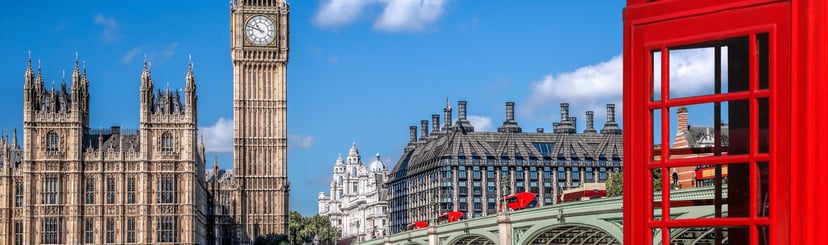














 So if you are looking for the absolute best in London & surroundings with authentic local fully-licensed native guides whose English you can actually understand and with an exclusive and amazingly fun itinerary