London’s Royal Parks Between Icons: St James’s, Kensington Gardens or Regent’s Park When the Day Needs Air

Updated
Choose St James’s Park by default when a London sightseeing day needs air between major icons: the St James’s Park crossing after Westminster is the cleanest central pause because it sits between Westminster, St James’s Park, the Mall, Buckingham Palace and the West End without asking the body for another transfer. In real city conditions, that matters more than acreage: queues, kerbs, Tube barriers and river crossings make even short hops feel longer. The clearest exception is hotel geography. If your base is South Kensington, Knightsbridge, Bayswater or Marylebone, Kensington Gardens or Regent’s Park may save more energy than the prettier central answer.
In London, the best Royal Parks stop is not the most famous green space; it is the park already sitting on the same axis as your hotel, your one nearby icon and your evening return. St James’s Park between Westminster and the Mall is the default winner for first-timers, Kensington Gardens is the west-side answer, and Regent’s Park is the north-west choice when Marylebone or Baker Street is already in the day. Treat the park as a route hinge, not as an extra attraction. A guide can turn a short crossing into context: why Horse Guards Road matters, why the Mall feels ceremonial, and why the Blue Bridge view does more for pacing than a forced detour to the palace railings.
The three-park matrix for a London day that needs air
- Default winner: St James’s Park. Best when the morning includes Westminster Abbey, the Churchill War Rooms, Whitehall, Parliament Square or a Buckingham Palace pass-by. It suits Mayfair, St James’s, Westminster, Covent Garden and West End hotel bases, especially before theatre, afternoon tea or a Mayfair dinner. Keep it to 20 to 35 minutes unless the park is the emotional pause of the day.
- West-side runner-up: Kensington Gardens. Best when the hotel is in South Kensington, Knightsbridge, Bayswater, Hyde Park Gate or Notting Hill, or when the nearby icon is Kensington Palace, the Royal Albert Hall or the South Kensington museums. It saves energy only when the day is already west. Use it for 35 to 60 minutes, not as a central sightseeing substitute.
- North-west answer: Regent’s Park. Best when the day is anchored in Marylebone, Regent’s Park, Baker Street, Fitzrovia or the northern edge of Mayfair, and when the nearby icon is the Wallace Collection, Regent Street’s Nash terraces, London Zoo or a Primrose Hill view. It is the wrong fit after a Westminster morning unless the hotel or dinner also points north-west.
- Wrong fit to cut first: any park that requires a separate taxi or Tube movement merely because it sounds lovelier. Paying for a car does not make a distant park efficient if the hotel, museum and dinner are on another axis.
Which London Royal Park is best between sightseeing stops?
St James’s Park is the best central Royal Park between sightseeing stops when Westminster is in the plan. The reason is not that it is objectively superior to Kensington Gardens or Regent’s Park; it is that it solves the most common London itinerary problem with the least movement. After Westminster Abbey or the Churchill War Rooms, the city tempts visitors to keep adding monuments: Parliament Square, Whitehall, Horse Guards, Buckingham Palace, Trafalgar Square, the National Gallery, then perhaps Covent Garden or a West End show. Without a deliberate pause, that sequence becomes a long line of hard surfaces and security rhythms. The St James’s Park crossing after Westminster puts grass, lake, shade and royal context directly inside the same walk.
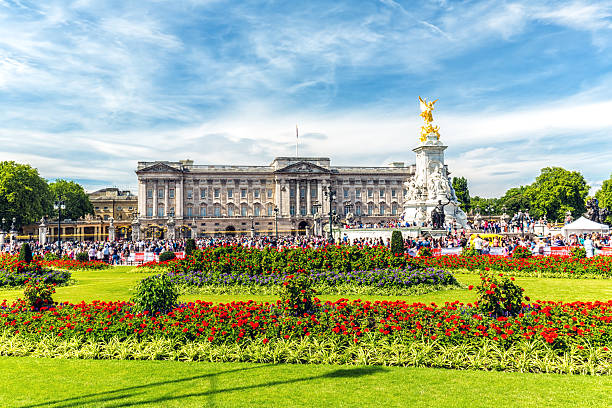
The mild correction many travelers need is this: Buckingham Palace itself is often the overvalued add-on if the day is already full. Unless you are there for a specific ceremonial moment, the railings can become a crowded photo stop that adds walking without adding much rest. A better short route is often from Westminster or Birdcage Walk into St James’s Park, across the Blue Bridge for the palace-and-Whitehall view, then out toward the Mall, St James’s or Green Park depending on lunch, hotel or theatre geography. That route gives you the royal axis without forcing a full palace-front shuffle.
Kensington Gardens and Regent’s Park are stronger when they remove a transfer, not when they add one. This is the main route-choice difference between Kensington Gardens versus Regent’s Park: your hotel base changes whether the stop saves energy or adds distance. A South Kensington family coming out of the V&A should not cross central London just to say they saw St James’s Park; a Marylebone couple with dinner north of Oxford Street should not drag the day west just because Kensington Gardens sounds elegant. The park should shorten the emotional distance between icons. When it lengthens the physical route, it has failed its job.
This article stays central on purpose. If your goal is a true garden afternoon, a palace-and-garden outing, or a green-space day that stands on its own, the better comparison is Kew, Hampton Court or a London garden afternoon. St James’s Park, Kensington Gardens and Regent’s Park belong to a different planning question: what happens when a strong London day needs air but cannot afford to lose its shape?
St James’s Park works because Westminster is heavy before you notice it
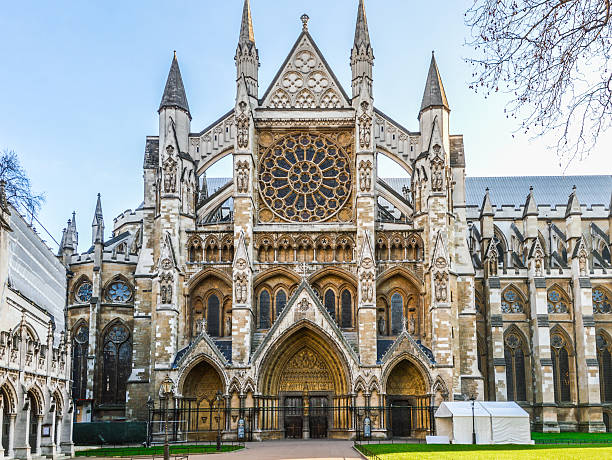
St James’s Park should usually follow, not precede, a Westminster-heavy morning. Westminster asks more of travelers than the map admits. The Abbey concentrates detail, chapels, tombs, audio or guide-led interpretation and crowd movement into one dense interior. The Churchill War Rooms add lower-ceilinged corridors, wartime narrative and a very different kind of concentration. Parliament Square and Whitehall then add traffic, crossings, security presence and the feeling of being in a working capital rather than a museum zone. By the time a group reaches Birdcage Walk or Horse Guards Road, the body is ready for a softer surface even if the schedule says there is still plenty of day left.
The park changes the body first. It replaces stone floors, narrow thresholds and pavement glare with paths wide enough for a family or private group to walk without bunching. It lets older parents slow down without feeling parked on a bench outside a monument. It gives children and teenagers a visible reason to keep moving. It also avoids one of London’s most tiring small frictions: the transfer reset. Every Tube ride or taxi hop requires a decision, a wait, a kerb, a station entrance, a platform or a traffic crawl. Walking through St James’s Park keeps the day continuous while making it feel shorter.
The park changes the trip mood next. Westminster can make a first day feel as if everyone is being processed through history at the pace of the city. A short St James’s crossing turns that pressure into sequence. The group can leave the Abbey’s royal and religious density, step into the park’s view lines, and understand that London’s monarchy, government, ceremony and leisure sit uncomfortably close together. That is more satisfying than treating the park as downtime. It makes the day feel curated rather than interrupted.
Use St James’s Park when the next move is St James’s, Mayfair, Trafalgar Square, the National Gallery, Covent Garden or the West End. It pairs naturally with Westminster, Whitehall and the Churchill War Rooms because the park supplies the exhale after the power corridor. It also works beautifully before a private National Gallery hour, a Jermyn Street stop, a Ritz lunch, a hotel pause in Mayfair or a theatre-night return. The official park page is useful for confirming current services or access notes before you build the day: official St James’s Park page (https://www.royalparks.org.uk/visit/parks/st-jamess-park).
Pair St James’s Park with one nearby icon, not three
The cleanest St James’s pairing is Westminster Abbey plus a park crossing, or Churchill War Rooms plus a park crossing. Buckingham Palace can be included as a pass-by when it sits naturally on the exit, but it should not become a second main event unless royal ceremony is the point of the day. The better private-tour move is to use the park to connect stories: the Abbey’s coronations, Whitehall’s government axis, the Mall’s processional theatre, and the palace as a working symbol rather than a static photo backdrop.
For families, the park works best after the indoor attention span has been spent. For couples, it is a graceful bridge between serious history and a lunch or hotel pause. For celebration travelers, it gives London a sense of occasion without trapping the afternoon in a crowd. For food-and-wine travelers, the park can sit before a formal lunch near Green Park or St James’s; when the meal is part of the day’s structure, confirm the live details directly, such as See the current three‑course lunch menu (https://www.theritzlondon.com/restaurant-three-course-lunch-menu), rather than letting a flexible park stop compress the table.
Keep this stop short when the day has a timed meal, a theatre ticket, a timed museum entry or an older traveler who has already stood through a long interior visit. Twenty minutes can be enough: enter, cross with purpose, pause at the view, and leave. The mistake is lingering until the park stops being restorative and starts eating the afternoon. A park crossing is not a picnic plan, and on a first London stay it should not become one unless the entire day has been designed around that slower rhythm.
Kensington Gardens wins when the hotel is west of the day
Kensington Gardens is the best Royal Parks choice when the day already belongs to the west side of London. It serves South Kensington, Knightsbridge, Bayswater, Hyde Park Gate, Lancaster Gate and Notting Hill better than St James’s Park because it reduces end-of-day movement. This is especially relevant for families staying near the museums, couples based around Knightsbridge, and garden-lovers who want a more spacious pause without spending half a day going out to Kew or Hampton Court.
The most useful pairing is Kensington Gardens plus Kensington Palace, or Kensington Gardens plus one South Kensington museum. Do not try to make it Kensington Gardens plus all three major museums plus Harrods plus Hyde Park plus a Mayfair dinner. That is how a west-side day becomes strangely tiring despite looking geographically compact. The park is spacious, and the western icons are farther apart in practice than they appear in a hotel brochure. The walk from a museum exit to a garden path may be pleasant, but it is still movement after standing, queuing and navigating galleries.
Kensington Gardens is particularly valuable for South Kensington and Chelsea-based families because it gives a real release after museum concentration. A child who has behaved beautifully through the Natural History Museum or the V&A may not need another landmark; they may need a route that lets everyone decompress before dinner. Older parents may appreciate the broader paths and the sense of room, but they will not thank you for adding it after a morning in Westminster and an afternoon in the British Museum. Park value depends on proximity, not reputation.
The official Kensington Gardens page is the right place to confirm current park information before a west-side day: official Kensington Gardens page (https://www.royalparks.org.uk/visit/parks/kensington-gardens). Use it for practical confirmation, but make the itinerary decision through route logic. A west-side park stop earns its place when it prevents a cross-town reset, not when it merely gives the day a green label.
Pair Kensington Gardens with Kensington Palace or one museum, then stop adding
The strongest Kensington Gardens sequence is Kensington Palace plus a garden walk, or one South Kensington museum plus a garden walk. Kensington Palace gives the park a royal narrative without requiring a second palace elsewhere. The V&A, Natural History Museum or Science Museum can give the morning a focused interior before the park releases the group into air. In either case, the stop should be purposeful: choose the approach that best fits your hotel and dinner, not the one that covers the largest surface area.
If the hotel is in Knightsbridge, a Kensington Gardens pause can work before a late lunch, shopping or a return to the room. If the hotel is in Bayswater or Lancaster Gate, it can become a gentle first-day walk after check-in. If the hotel is in Mayfair or Covent Garden, the equation changes. Going west for Kensington Gardens between central icons usually creates the exact transfer waste the park was meant to solve. For a first visit, this is where a hotel-base guide such as where to stay in London for a premium first visit becomes more useful than another scenic recommendation.
Kensington Gardens should stay short when the group has already crossed Hyde Park, moved through a large museum, or has dinner back in the West End. It should be skipped when the route asks you to enter from the wrong side, walk a long diagonal, then taxi back east in traffic. A private guide can make the park more meaningful through palace context, landscape history and neighborhood judgment, but no guide can make a poorly placed west-side detour feel central.
Regent’s Park is the right answer only when north-west London is already the frame
Regent’s Park is the best park stop when Marylebone, Baker Street, Regent’s Park, Fitzrovia or the northern edge of Mayfair is already shaping the day. It is not a natural sequel to Westminster for most first-time itineraries. This is the park that tempts travelers because it sounds expansive, elegant and less crowded than the obvious central spaces. It can be all of those things. It can also be the detour that quietly breaks the day if lunch, hotel and dinner are pointing elsewhere.
The park pairs well with the Wallace Collection, Marylebone, Baker Street, Regent Street architecture, London Zoo for families who genuinely want it, or a Primrose Hill view when the walk and weather make sense. It is also useful after a hotel morning near Portland Place or Regent’s Park, where a group wants air before a cultural stop or a relaxed Marylebone lunch. It is less useful after a Tower of London morning, a Westminster Abbey visit or a South Kensington museum unless the day has been deliberately designed as a chauffeur-supported north-west arc.
The official Regent’s Park and Primrose Hill page helps confirm current park information, especially because this area includes more varied spaces and uses than a simple crossing: official Regent’s Park and Primrose Hill page (https://www.royalparks.org.uk/visit/parks/regents-park-primrose-hill). The planning judgment remains the same: if you are entering Regent’s Park because it lies between hotel, icon and meal, it is a strong choice. If you are entering it because the day needs an aesthetic improvement, look again at the map.
Pair Regent’s Park with Marylebone rather than forcing it after Westminster
The most elegant Regent’s Park day often begins or ends in Marylebone. A morning at the Wallace Collection, a short neighborhood walk, then a measured move toward Regent’s Park can feel unusually civilized because the distances belong together. A family based near Baker Street can use the park before or after a child-led attraction without making adults feel that the entire day has been surrendered. A couple staying near Portland Place can use the park as a low-pressure first walk before a serious dinner later.
What Regent’s Park does poorly is rescue an already overpacked central day. If the morning has Westminster, the afternoon has the British Museum and the evening has Covent Garden, Regent’s Park becomes a third axis. A chauffeur may make the movement more comfortable, but the itinerary still loses coherence. The car reduces exposure; it does not erase London’s geography. When a private day needs a driver because of mobility, rain, airport timing or multiple hotel returns, think through the whole route using whether a chauffeured London day is worth it before assuming a park detour will behave nicely.
Regent’s Park should stay short when it is only a bridge to lunch, when the weather is changeable, or when Primrose Hill would turn the stop into a longer walk than the group wants. It should expand only when the north-west mood is the point: Marylebone calm, terraces, gardens, a slower lunch, or an evening that does not require a cross-city return.
How hotel base changes the best Royal Park reset in London
Your hotel base should decide the park more often than your favorite photograph of London does. Central London is not a neat circle; it is a set of axes. Westminster to the Mall to Mayfair is one axis. South Kensington to Kensington Gardens to Hyde Park is another. Marylebone to Regent’s Park to Baker Street is a third. When a park lies on the same axis, it makes the day feel composed. When it lies on a different one, it becomes a pleasant inconvenience.
Mayfair and St James’s hotels usually point toward St James’s Park for a central sightseeing day. The park lets you move from Westminster back toward the hotel without admitting that the group needed a break. Covent Garden and West End hotels also suit St James’s Park when the plan includes Westminster in the morning and theatre later; the route can continue via the Mall, Trafalgar Square or St Martin’s Lane rather than resetting by taxi. Westminster hotels benefit most of all, because the park can become the first or last soft move of the day.
South Kensington, Knightsbridge and Bayswater hotels point toward Kensington Gardens. The park can support a museum morning, a Kensington Palace visit, a Hyde Park-adjacent hotel pause or a family dinner that does not require crossing the city again. Chelsea hotels can use Kensington Gardens selectively, but the exact street matters: a hotel near Sloane Square has a different practical rhythm from one closer to South Kensington or Hyde Park. This is where private touring earns its value through small route choices rather than grand promises.
Marylebone and Regent’s Park hotels point toward Regent’s Park. So do some Fitzrovia and Portland Place bases, especially when the day includes the Wallace Collection, Regent Street, Baker Street or a north-west dinner. The park is less persuasive for Mayfair travelers unless the day is already moving north. It is rarely the best central reset for a South Bank, Tower or Westminster-heavy itinerary.
For first-time travelers deciding the whole hotel geography, the park question is one symptom of a larger issue: London evenings feel better when the day does not end with a long return. If the hotel, park, icon and dinner form a line, the city feels generous. If they form a triangle, the evening begins with negotiation. Orange Donut Tours builds these choices into tailor-made London touring because the small transitions often decide whether a polished day actually feels polished.
When a Royal Parks stop should be short, and when it should disappear
A Royal Parks stop should be short when it is serving the rhythm of a larger day rather than becoming the day’s main event. The practical range is often 20 to 35 minutes for St James’s Park, 35 to 60 minutes for Kensington Gardens, and 30 to 60 minutes for Regent’s Park when the route already belongs there. Longer can work, but only when the day has been built around air, gardens or slower neighborhood movement. Otherwise, the park begins to steal time from the icon it was meant to support.
Skip the park stop when the day already has too many open-air transitions. This matters in London because “outside” does not always mean restful. A Westminster-to-Whitehall-to-Trafalgar-to-Covent-Garden day is already full of street exposure. A South Bank day with bridges, river wind and market movement may need an indoor pause more than another green one. A summer day with children may require shade and bathrooms rather than a scenic diagonal across a park. A winter day may make a short crossing feel crisp and cinematic, but a long park loop can flatten the afternoon if daylight is short or rain is building.
The cut-first rule is simple: remove the park that requires the newest transfer. Keep the park that sits inside the route. If the day is Westminster to Mayfair, keep St James’s Park and cut Kensington Gardens. If the day is South Kensington to Knightsbridge, keep Kensington Gardens and cut St James’s Park. If the day is Marylebone to Regent Street or Baker Street, keep Regent’s Park and cut the west-side fantasy. This is not anti-scenic; it is pro-evening. A park should return energy to the day, not demand a repayment later.
Premium spend helps when it buys better sequencing, fewer decision points, private guiding, a well-paced museum hour, a sensible hotel return, or a driver used for the transitions a car can genuinely improve. It does not help when it is used to justify a park on the wrong axis. Paying more can make a London day more comfortable; it cannot make Westminster, South Kensington and Marylebone occupy the same neighborhood.
How a guide turns a short park crossing into context rather than downtime
A guide matters most when the park stop is short. Without context, 25 minutes in St James’s Park can feel like a pleasant gap between attractions. With the right guide, it becomes the hinge that explains the morning: Westminster’s ceremonial weight, Whitehall’s power, Horse Guards as a threshold, the Mall as theatre, Buckingham Palace as stage set and workplace, and the park as the softer middle between them. The traveler consequence is important: the group does not feel that it has stopped learning in order to rest. It rests because the story has changed texture.
The same principle applies in Kensington Gardens and Regent’s Park. In Kensington Gardens, a guide can prevent the park from dissolving into vague prettiness by tying it to Kensington Palace, the museum district, Hyde Park’s edge and the practical reality of west-side hotel returns. In Regent’s Park, a guide can decide whether the stop should be a garden pause, a Marylebone bridge, a family release valve or a route toward a viewpoint. The value is not a lecture on lawns. It is judgment: when to enter, where to exit, what to ignore and when to stop walking.
This is where private touring differs from simply leaving space in the diary. Empty time can be lovely, but in London it can also become indecision at a gate, a debate over taxis, or a slow drift that compresses dinner. A well-guided park crossing keeps the day moving without making it feel rushed. For a first-time London day that combines Westminster, a museum, a family need, a celebration lunch or a theatre night, that small piece of judgment can matter more than another attraction.
If your London stay needs a day that balances icons with breathable movement, the planning handoff is simple: decide the hotel axis, choose one park, pair it with one nearby icon, and keep the stop honest. Orange Donut Tours can shape that into a private route with the right guide, walking load and return plan. Inquire now
Season, weather and dinner timing should adjust the park, not control it
Season should refine the Royal Parks decision, not overturn the route logic. Spring and early summer can make all three parks more appealing, but do not over-plan around blooms unless a garden feature is the explicit reason for the day. Autumn light can make a St James’s crossing or Kensington Gardens walk feel especially rewarding, but it does not justify a cross-town detour. Winter can make short central crossings excellent because the air wakes up the group after interiors; it can also make long park loops feel exposed if the day has already had enough pavement and wind.
Rain is a pivot, not a disaster. St James’s Park can still work as a quick crossing between Westminster and St James’s when the rain is light and the next stop is close. Kensington Gardens becomes less persuasive if the group must cross a large area to reach the next icon. Regent’s Park should usually shrink in wet weather unless the hotel is close or the route is intentionally north-west. If the forecast is unsettled, build the park as a flexible hinge near an indoor alternative rather than as a fixed scenic promise. For a broader weather-aware frame, seasonal London private touring is more useful than pretending London’s parks behave the same in every month.
Dinner timing is the quiet governor of the whole decision. A serious meal in Mayfair, St James’s or the West End favors St James’s Park because the day can glide toward the evening. A South Kensington or Knightsbridge dinner favors Kensington Gardens if the hotel is nearby. A Marylebone dinner favors Regent’s Park only when the earlier route already points north-west. If the evening is at a fixed destination away from the park axis, shorten the park stop before you shorten the meal. Food-and-wine travelers should not let a scenic pause create late-arrival stress; check the live restaurant information directly, whether that is Ikoyi menu & reservations (https://www.ikoyilondon.com/) for a destination dinner or the current menu for a formal lunch closer to St James’s.
The stronger London day usually feels as though it has fewer parts, not more. One icon, one park crossing, one lunch or museum continuation, and a clean return will serve many private travelers better than a day that tries to collect every famous name within reach. The park’s job is to make the itinerary feel humane while preserving its purpose.
The final routing call
Choose St James’s Park when Westminster is the morning and Mayfair, St James’s, Trafalgar Square, Covent Garden or the West End is the next chapter. Choose Kensington Gardens when the hotel or icon is west and the park prevents a tiring return. Choose Regent’s Park when Marylebone, Baker Street or the northern West End is already the frame. Cut any park that asks the day to bend around it.
The central Royal Parks are not substitutes for London’s major sights, and they should not compete with them. Their real value is pacing. They give air to a day of abbeys, war rooms, galleries, museums, meals and theatres. Used well, they make the city feel more legible and less exhausting. Used badly, they become one more thing to reach. That is the difference between a park that improves a private London day and a park that merely decorates the plan.
FAQ
Which Royal Park is best after Westminster Abbey?
St James’s Park is usually best after Westminster Abbey because it lets you continue toward the Mall, Buckingham Palace, Mayfair, Trafalgar Square or the West End without adding a separate transfer. Keep it short if the Abbey visit was long or if lunch is timed.
Is Kensington Gardens better than St James’s Park for a first London visit?
Kensington Gardens is better only when your hotel, museum plan or nearby icon is already west. For a classic first-time Westminster day, St James’s Park usually saves more energy because it sits directly on the central sightseeing route.
When should I choose Regent’s Park over Kensington Gardens?
Choose Regent’s Park over Kensington Gardens when you are based near Marylebone, Baker Street, Regent’s Park, Fitzrovia or Portland Place, or when the day pairs naturally with the Wallace Collection, Regent Street, London Zoo or a Primrose Hill view.
How long should a park stop be between London icons?
For most central sightseeing days, keep the park stop between 20 and 60 minutes. St James’s Park can work in 20 to 35 minutes, while Kensington Gardens and Regent’s Park usually need a little more time if they are more than a simple crossing.
Should I add a park if the day already includes the Thames or South Bank?
Not always. A Thames or South Bank day already includes open-air movement, river wind and crossings. If the group is tired, an indoor pause, hotel return or shorter museum hour may be better than adding another park.
Can a chauffeur make a distant park stop worthwhile?
A chauffeur can improve comfort, rain protection and some hotel returns, but it cannot fix a park on the wrong route. If your hotel, museum and dinner are on another axis, choose the nearer park or cut the park stop altogether.
Which park works best for families in London?
St James’s Park works well for families after Westminster because it is short and central. Kensington Gardens is stronger for families based around South Kensington or Knightsbridge, especially after one museum. Regent’s Park works when the family day is already near Marylebone, Baker Street or London Zoo.
Are London’s Royal Parks worth including in winter?
Yes, but the stop should usually be shorter. Winter can make a St James’s Park crossing feel crisp and useful between interiors, while longer loops in Kensington Gardens or Regent’s Park should depend on weather, daylight and the next indoor stop.
If you’re interested in any private tours of London, please reach out to us.
















 So if you are looking for the absolute best in London & surroundings with authentic local fully-licensed native guides whose English you can actually understand and with an exclusive and amazingly fun itinerary













