London With a Morning at the Tower: St Katharine Docks, the City or a Thames Return After the Crown Jewels

Updated
The best default after the Crown Jewels is St Katharine Docks, not another major monument. It works because the Tower exit toward St Katharine Docks creates a real fork in the day: one side keeps you beside the river with almost no transfer penalty, while the other asks tired travelers to re-enter traffic, stations and queues. The clearest exception is a high-energy adult group with dinner in the City or Shoreditch; then a short City walk can beat a marina reset. In London, the post-Tower decision is not what else you can fit in, but how you leave the river edge without turning a dense morning into a cross-city slog.
The Tower of London is a stronger morning than many first-time visitors expect. It has pageantry, prison stories, armour, ravens, the White Tower, exposed courtyards, river wind and the Crown Jewels queue all inside one walled site. That makes the second act unusually important. The wrong add-on can make the Tower feel like the opening burden of an overpacked day; the right one can make it feel like the anchor around which the rest of the day settles. For travelers building around the Crown Jewels, Orange Donut Tours can shape the morning through a focused Tower of London & Crown Jewels private tour and then choose the after-stop by energy, weather and evening geography rather than by a fixed checklist.
The counterintuitive correction is this: Westminster is often overvalued immediately after the Tower. It is famous, yes, but it is not adjacent in how the body experiences the day. By the time you have walked stone passages, stood in display lines, crossed open courtyards and absorbed a thousand years of monarchy, another high-stakes icon usually adds pressure rather than meaning. The post-Tower choice should be St Katharine Docks for recovery, the City for context, the Thames for a useful return, or no guided add-on at all when the morning has already done its job.
After the Tower of London and Crown Jewels: the decision fork that should control the day
The right post-Tower plan depends on four criteria: energy, weather, dinner geography and whether the river helps you move. Use those criteria before you choose an attraction. A beautiful second stop that pulls you away from your evening, makes children stand again, or creates a poor return leg is not an upgrade. The decision is less about sightseeing ambition and more about preserving the shape of the day.
Choose St Katharine Docks when you want the best default reset after the Crown Jewels. It suits families, older parents, couples, first-time visitors who want the Tower to stay memorable, and anyone who needs lunch or a pause before deciding what comes next. It also works when the weather is uncertain but not miserable, because you are not committing to a long exposed walk or a cross-city transfer.
Choose the City when the group still has intellectual appetite and walking energy. This is the best fit for adults, older teenagers, executive groups and travelers whose dinner or hotel pull is east or central. The payoff is not another famous interior; it is the layering around All Hallows by the Tower, Fenchurch Street, Leadenhall Market, Bank, Monument and the edges of St Paul’s.
Choose the Thames when the river is serving as a return, not as a decorative add-on. From Tower Pier, a westbound boat can make sense if you are heading toward Westminster, Embankment, the South Bank, Covent Garden, Mayfair or a hotel reset. The river earns its place when it replaces a slower or duller transfer.
End the guided portion after the Tower when the morning has already taken the group’s attention, legs or patience. This is often the correct choice for younger children, older parents, jet-lagged travelers, celebration travelers with a serious dinner, or anyone with theatre that night.
The wrong fit is a “just one more monument” reflex. Tower plus Westminster Abbey plus the British Museum is not a discerning first-day sequence for families, and it is rarely the best use of premium guidance for comfort-led travelers. If the Tower is your morning anchor, the second act should reduce drag, sharpen context or move you toward the evening. Anything else is itinerary inflation.
How long does the Tower of London really take with the Crown Jewels?
The Tower usually consumes half a day in traveler energy even when it fits into a morning on the clock. The official Historic Royal Palaces visit guidance (https://www.hrp.org.uk/tower-of-london/visit/) recommends at least two hours including the Crown Jewels, but that is a floor, not the way most discerning private travelers should plan the morning. A realistic visit is closer to two and a half to three and a half hours once you add arrival, security, orientation, the Crown Jewels queue, time inside the Jewel House, the White Tower, courtyards, ravens, bathrooms, photographs and the simple act of gathering a group again after each stop.
The Crown Jewels are the timing hinge. They are not a normal gallery room where you drift in and out. The experience creates a line, a compression of people, and then a slow visual procession. Even when the queue moves well, it changes the rhythm of the visit because everyone becomes aware of the wait. This is why a private guide can improve the morning without pretending to erase every public condition: the gain is in sequencing, context and not wasting attention before the Jewel House, not in making a busy royal display feel private.
There is also a body cost that does not show up on a map. The Tower is a stone fortress, not a flat museum. The surfaces vary, the stairs matter, the White Tower adds vertical effort, and the route involves repeated stop-start motion across courtyards and thresholds. A family may cover less ground than an adult couple yet feel more tired because stroller handling, bathroom timing and snack windows interrupt the pace. Older parents may do perfectly well inside the Tower and still have little appetite for a second set of historic interiors afterward.
That is why the post-Tower add-on should be deliberately lighter unless the group is unusually fresh. A morning that begins near Tower Hill station or arrives by car, enters the Tower, goes to the Crown Jewels, crosses into the White Tower and then exits toward the river has already asked the group to shift between spectacle, story and physical movement. Adding something immediately because it looks near on the map is the mistake. The better question is what the next hour does to the group’s legs, mood and evening.
Why St Katharine Docks is the best default after the Crown Jewels
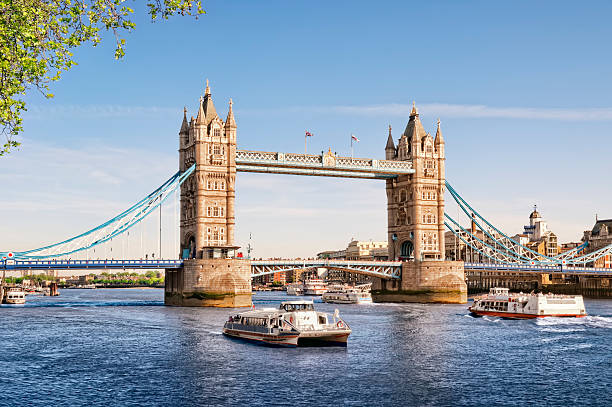
St Katharine Docks wins because it changes the tempo without asking for a new journey. From the Tower exit toward St Katharine Docks, the day can soften almost immediately: the river edge, the marina basin, Tower Bridge nearby, and a lunch or coffee pause all arrive before the group has to decide whether it is still in sightseeing mode. That makes the docks a practical choice, not a scenic consolation prize.
The strongest argument for St Katharine Docks is that it gives the Tower room to land. The Crown Jewels are ceremonial; the walls are severe; the stories can be violent, royal, military and political all at once. A short walk into the docks lets the day breathe before the next decision. For couples, it can turn a dense morning into an elegant first half of the day. For families, it creates a natural reset window before children become oppositional. For older parents, it avoids the immediate pressure of Tube stairs, taxi traffic or another site entrance.
The local logic is unusually clean. You are not crossing town. You are not asking a driver to rescue you from Lower Thames Street traffic. You are not walking back up toward Tower Hill only to come down again later. You are using a real hinge in the neighborhood: Tower on one side, the marina and Tower Bridge edge on the other. That hinge matters because London punishes decorative transfers. Ten minutes spent moving in the wrong direction can easily become twenty-five once traffic, pavements, crossings and group pace enter the equation.
St Katharine Docks is not the best choice because it is the most intellectually rich add-on. It is the best choice because it prevents the Tower morning from flattening the rest of the day. That distinction matters for private touring. A discerning plan does not need every hour to be loaded with historic content. Sometimes the premium move is to stop before the morning becomes a memory of queues and stone. This is especially true if the evening includes a long dinner, a West End theatre return, or a late hotel arrival the night before.
For children, the docks work best by age band. Under about seven, treat the Tower itself as the main event and use St Katharine Docks for food, water and a stroller reset rather than more interpretation. Ages seven to eleven often do well with the Crown Jewels, ravens, a few fortress stories and then a marina pause. Teenagers may prefer the City or the Thames if they still have momentum, but even they benefit from a short decompression before the next layer. The cut-first rule for families is clear: do not add Westminster Abbey or the British Museum after a Tower morning with young children. Keep one icon strong instead of making three icons blur.
The limitation is equally clear. St Katharine Docks can feel too soft for travelers who are in London specifically for architectural, financial or political history and still have energy after the Tower. Those guests should not be held at the marina too long. Let it serve as a reset, then move into the City or onto the river. The point is not to make the docks the day’s second attraction; the point is to use them as the day’s pressure valve.
When the City is the stronger second act
The City is the best post-Tower choice when the group wants context more than recovery. It turns the Tower from a royal fortress into the eastern edge of a broader London story: church, commerce, fire, finance, Roman ground, medieval lanes and modern towers packed into short distances. For adults and older teenagers, this can be the most satisfying second act because it does not feel like another ticketed attraction. It feels like the city opening outward.
The route has to stay disciplined. From the Tower, a good City add-on should not sprawl. It can touch All Hallows by the Tower, look toward the Monument, move through the insurance and banking streets, pass Leadenhall Market, and decide whether to continue toward Bank or St Paul’s. The beauty is in the compression. You can stand near Roman and medieval traces, look up at glass towers, and understand why the Square Mile still feels different from Westminster or the West End. For travelers who want the Tower to connect to living London rather than sit as a sealed historic site, the City earns its place.
The City also works when dinner geography supports it. If you are eating in the City, Shoreditch, Clerkenwell or around Liverpool Street, staying east after the Tower can make the whole day feel cleaner. You avoid the false economy of returning west to rest, only to cross back east for dinner. This is where a custom day outperforms a prebuilt route: the afternoon is not chosen because a guide has a favorite walk; it is chosen because the evening is already pulling the group in that direction.
The tradeoff is that the City is less forgiving than St Katharine Docks. Pavements can be busy at working hours and strangely quiet at the wrong weekend hour. The mood around Bank and Monument changes by day and time. A group that has already spent itself inside the Tower may experience the City as more hard surface, more standing and more street noise. Families with strollers should be selective, especially if the plan involves repeated crossings, narrow pavements or station transfers. The City rewards curiosity; it does not rescue a tired group.
For travelers who want St Paul’s in the same broader arc, keep the promise narrow. A view, a contextual approach or a carefully chosen stop can work; forcing a full cathedral interior immediately after the Tower is a different kind of day. The more extensive version belongs in a dedicated route such as a City and St Paul’s planning guide, not as an afterthought bolted onto a Crown Jewels morning.
Choose the City when the group is still leaning forward. Avoid it when the group has begun negotiating bathrooms, snacks, taxis or how much farther it is. That negotiation is the signal. Once London starts to feel like management rather than discovery, the smarter second act is St Katharine Docks, the Thames, or an elegant finish.
When the Thames is a transfer, not a gimmick
The Thames belongs after the Tower when it moves you toward the next useful part of the day. That is the difference between a river transfer and a gimmick. From Tower Pier, the river can pull the group west without making the journey feel like dead time. It can also give the body a break from pavements after the Tower’s stone surfaces and standing queues. But it earns its place only if it solves a route problem.
Use the Thames when your afternoon or evening belongs around Westminster, Embankment, the South Bank, Covent Garden, Mayfair or a west-central hotel. A westbound boat can turn the return into part of the day, especially for first-time visitors who have not yet seen London from the water. The visual sequence matters: Tower Bridge, the City edge, bridges, river bends, and the move toward Westminster help orient travelers who otherwise experience London as a set of disconnected taxi rides.
The practical source to check is the official Uber Boat by Thames Clippers route map (https://www.thamesclippers.com/plan-your-journey/route-map), because river usefulness depends on the pier pair, not on the romance of the idea. Tower Pier to Westminster or Embankment can make sense; a river ride that drops you somewhere awkward for your hotel or dinner does not. If the boat is simply a loop that returns you to a transfer problem, it may be pleasant but it is not strategic.
A private Thames element can also work beautifully for a celebration, but the same rule applies. Do not book the river because the word “Thames” looks good in an itinerary. Book it because the day needs air, movement and a better return. For a dedicated river-led plan, the more focused next step is a private Thames cruise; for the transfer logic itself, the useful companion read is when a Thames transfer beats a chauffeured sightseeing loop.
Weather is the honest complication. A blustery river can feel refreshing to adults and punishing to small children. Rain may be fine if the boat and pier logistics are simple, but it can become tedious if the group must stand exposed, manage umbrellas or wait with a stroller. In winter light, the Thames can make the day feel cinematic and calm; in sharp wind, it can make everyone want the hotel faster. The right private plan keeps the river as an option, not an obligation.
The Thames is especially useful when the evening needs preserving. If dinner is west, the boat can make the return feel shorter because the group is seated, looking outward and moving in the correct direction. If dinner is east, the river may be unnecessary. If dinner is late and formal, the Thames can buy a calm transition back to the hotel. The goal is not to see more; it is to arrive at the evening without the Tower having consumed the mood.
The cut-first rule: stop forcing Westminster after the Tower
If the day is tightening, cut the second monument before you cut the recovery window. This is the cleanest way to avoid a London day that looks impressive in advance and feels heavy while it is happening. The Tower and Westminster Abbey are both worthy, but together they demand a lot of standing, security, interpretation and emotional attention. Add the British Museum and the day becomes a checklist rather than a sequence.
The problem is not distance alone. London’s famous sites can seem deceptively stackable because taxis, the Tube and the river make everything look reachable. But reachability is not the same as a good day. A transfer after the Tower means gathering the group, finding the vehicle or station, moving through traffic or platforms, re-entering another controlled site, and rebuilding concentration from zero. That is why a second major interior after the Crown Jewels often feels less rewarding than it sounds.
Skip-the-line help does not make a rushed second monument feel better if the morning is already heavy. It can reduce specific entry friction, and it can be extremely useful at the right sites, but it cannot remove the accumulated weight of the Tower, the Crown Jewels queue, the White Tower stairs, group logistics and the mental shift into another monument. Premium spend is best used to improve sequencing, privacy, guidance quality, transfers and decision-making; it is not a magic solvent for overplanning.
For first-time visitors trying to decide which major London icon should come first, the separate comparison is better handled in a first-timer Tower, Westminster Abbey and British Museum guide. This article’s narrower answer is different: once the Tower has already claimed the morning, do not treat Westminster as the automatic next prize. Treat it as a separate anchor unless the whole day has been built around that level of intensity.
The cut-first move is particularly important before theatre. A West End night changes the whole calculation. If you add a heavy afternoon after the Tower and then expect everyone to dress, dine and sit through a performance, the evening may become endurance. For a theatre night, choose St Katharine Docks, a Thames return west, or an early finish. Let the day arrive at Covent Garden, Soho or the Strand with some patience left.
Families, older parents and mixed-energy groups need an honest return leg
Families and older parents should plan the post-Tower return before choosing the add-on. The Tower can delight children, but it is not frictionless. Strollers can help outside the site and around the docks, yet they are not a full solution for historic passages, stairs, narrow interiors or crowded display flow. The body consequence is simple: even when the distances are short, the morning creates stop-start fatigue, and stop-start fatigue is harder on mixed-age groups than a single continuous walk.
For children under about seven, the best post-Tower plan is usually St Katharine Docks or the end of the guided portion. The Crown Jewels, ravens, guards, walls and a few strong stories are enough. Add lunch, a bathroom reset and a short look toward Tower Bridge if energy allows. Do not make this age group prove that it can handle the City, Westminster and the Tower in one day. The memory you want is “the ravens and the jewels,” not “how far to the next place?”
For ages seven to eleven, the docks remain the best base, but a small extra can work. A short river edge, a glimpse toward Tower Bridge, or a tightly edited City thread can give them a sense that London continues beyond the fortress. Keep the extra concrete. Children in this band often respond better to “this is where the city burned, traded and rebuilt” than to a long abstract explanation of institutions. A guide can choose one or two points and then stop.
Teenagers are the group most likely to prefer the City or the Thames. The City gives them scale, contrast and a less childlike second act; the Thames gives them orientation and movement. The decision depends on posture as much as age. If they are still asking questions at the Tower exit, go into the City. If they are quiet, hungry or drifting toward phones, use St Katharine Docks or the river. A private day should read the room, not enforce the plan.
Older parents often benefit from the same discipline. They may not need a child-style reset, but they do need a plan that respects stone surfaces, standing time and return logistics. St Katharine Docks gives them a nearby pause. A Thames return gives them seated movement if the pier pair works. The City works only if the route is compact and the guide is ruthless about not drifting. A chauffeured pickup can help at the right moment, but in the immediate Tower area a car may not always feel faster than a well-chosen walk or river move.
The mood consequence is just as important as the physical one. When the post-Tower plan is too ambitious, the group starts conserving energy instead of noticing London. Parents become managers, older travelers become polite but quiet, and couples begin calculating the evening. When the second act is chosen well, the day feels shorter in the best sense: not thin, but well-shaped. The Tower stays vivid because it is not buried under a forced afternoon.
Weather should also change the plan without embarrassment. In mild weather, St Katharine Docks and the river edge are natural. In hard rain, a short City move may be better only if there is a clear indoor pause and no long exposed waiting. In wind, the Thames can be wonderful for some travelers and unpleasant for others. In heat, the Tower’s stone and open areas can make the group ready for shade, water and less commentary. The correct plan is the one that keeps the group functional for the evening.
Dinner geography after a Tower morning
Dinner geography should decide how far you travel after the Tower. If the evening is in the City, Shoreditch, Clerkenwell or near Liverpool Street, the City add-on may be the cleanest move. You can keep the day east, avoid needless westward retreat, and arrive at dinner with the morning still coherently connected to place. This is especially useful for adults who like the financial, architectural and mercantile layers of London.
If dinner is around Mayfair, St James’s, Covent Garden, the Strand or the West End, a Thames return or a hotel reset usually beats a deeper City afternoon. That does not mean the east side of London is inconvenient; it means the return leg has to be honest. A Tower morning, a City walk, a westbound transfer, hotel change, and a serious dinner can become a long chain. If the meal is important, protect it early.
Food-and-wine travelers should be especially careful not to spend the afternoon they need for the evening. A tasting-menu night or a celebration dinner changes the value of an extra stop. For example, if the evening plan includes checking Ikoyi menu & reservations (https://www.ikoyilondon.com/) and building the day around that level of dinner, the post-Tower choice should not drain the group before the first course. A river return, a brief St Katharine Docks pause, or an early finish can be the more sophisticated plan.
Theatre nights have a similar logic. If your evening belongs in Covent Garden, the Strand, Soho or around the West End, do not spend the afternoon proving how much London can be covered. Use the Tower as the morning anchor, make one clean second choice, and then bring the group west in time to dress, dine or simply sit down before the performance. London rewards travelers who understand that the evening is part of the itinerary, not the aftermath.
Where a private guide changes the day, and where spend cannot cheat it
A private guide changes the Tower morning by protecting attention. The value is not only in facts; it is in knowing what to foreground, when to move, when to pause, and when to stop interpreting. At the Tower, that means sequencing the Crown Jewels intelligently, deciding how much of the White Tower the group should really take on, translating fortress history into a coherent story, and watching for the moment when another room will add less than a reset.
The guide also changes the post-Tower fork. A prebuilt itinerary has to decide in advance. A well-run private day can decide at the exit. If the group is bright and curious, go into the City. If children are fraying, go to St Katharine Docks. If the hotel or dinner is west, use the Thames or a clean transfer. If older parents are done, end the guided portion after the Tower. That responsiveness is not a luxury flourish; it is the difference between a day that keeps its shape and one that slowly becomes administrative.
Spend helps when it buys better judgment, better pacing, private guidance, smoother transfer choices and a day designed around the people in front of the guide. Spend does not help when it is used to justify cramming. The most expensive version of a rushed day is still rushed. This is why Orange Donut Tours treats the Tower as an anchor, not as a box to tick before a second, third and fourth monument.
For travelers who want the Tower morning protected and the after-stop chosen with real-time judgment, start with a custom conversation rather than a rigid route. The broader London team can connect the Tower, St Katharine Docks, the City, the Thames and the evening plan through private tours in London. Inquire now.
Four clean ways to shape the morning after the Crown Jewels
The most reliable post-Tower plans are short, decisive and honest about the group. These are not full-day itineraries; they are decision paths for the hour or two after the Crown Jewels, when the day can either become elegant or start to unravel.
- Tower, Crown Jewels, St Katharine Docks, lunch. This is the default for families, couples, older parents and anyone with a meaningful evening. It keeps the morning vivid and gives the group a natural pause beside the water.
- Tower, Crown Jewels, compact City walk. This suits high-energy adults, older teenagers and travelers with dinner east or central. Keep it tight: All Hallows, Monument, Leadenhall Market or Bank, not a sprawling march to every City landmark.
- Tower, Crown Jewels, Thames return west. This works when the boat replaces a dull transfer and moves you toward Westminster, Embankment, Covent Garden, the South Bank, Mayfair or a hotel reset. The river should solve the route.
- Tower and done. This is the right choice when the morning has already delivered enough. It is not a failure of touring; it is good editorial judgment applied to a real day in London.
For many discerning travelers, the best plan is not the one with the most names. It is the one that leaves the Tower memorable, the afternoon useful and the evening intact. St Katharine Docks is the default winner because it solves the most problems with the least movement. The City is the runner-up for energetic travelers who want context. The Thames is excellent when it is a real transfer. The wrong fit is the famous add-on chosen only because it was possible.
FAQ
What is the best thing to do after seeing the Crown Jewels at the Tower of London?
For most private travelers, the best thing to do after the Crown Jewels is St Katharine Docks. It is close, calm, easy to reach from the Tower exit, and gives the group a reset before deciding whether to continue into the City, return west by Thames, or end the guided portion.
How long should we allow for the Tower of London with the Crown Jewels?
Allow at least two and a half to three and a half hours for a comfortable Tower of London morning with the Crown Jewels. The official minimum guidance is useful, but private travelers should account for arrival, orientation, the Crown Jewels queue, the White Tower, courtyards, bathrooms, photographs and group pacing.
Is St Katharine Docks worth visiting after the Tower of London?
Yes, St Katharine Docks is worth visiting after the Tower when you need a reset, lunch pause or softer second act. It is not the most historically dense add-on, but that is the point: it lets the Tower remain the main event without forcing another heavy stop.
Should we visit the City after the Tower of London?
Visit the City after the Tower if your group still has energy and wants more London context. It works best for adults, older teenagers and travelers with dinner east or central. Avoid it if the group is hungry, managing a stroller, tired from stairs, or already negotiating how much farther to walk.
When is a Thames return after the Crown Jewels a good idea?
A Thames return is a good idea when it moves you toward the next useful place, such as Westminster, Embankment, the South Bank, Covent Garden, Mayfair or your hotel. It is less useful when the boat creates a loop or leaves you with another awkward transfer.
Can we combine the Tower of London and Westminster Abbey on the same day?
You can combine them, but it is often too heavy after a Crown Jewels morning, especially for families, older parents or travelers with dinner or theatre that evening. If both sites matter, build the whole day around that intensity rather than treating Westminster as an automatic post-Tower add-on.
Is it better to end the private tour after the Tower?
Yes, it can be better to end the private tour after the Tower when the morning has already supplied enough history, walking and queue concentration. Ending there is a strong choice for young children, older parents, jet-lagged travelers and celebration travelers who want the evening to feel fresh.
Where should we go after the Tower if we have a serious dinner reservation?
If you have a serious dinner reservation, choose the post-Tower plan that protects the evening. For City or Shoreditch dinner, consider a compact City walk. For Mayfair, St James’s, the Strand, Covent Garden or the West End, choose St Katharine Docks, a Thames return west, or an early hotel reset.
If you’re interested in any private tours of London, please reach out to us.















 So if you are looking for the absolute best in London & surroundings with authentic local fully-licensed native guides whose English you can actually understand and with an exclusive and amazingly fun itinerary













