London for a Chelsea Flower Show Week Without Letting the Garden Run the Trip

Updated
Treat Chelsea Flower Show as a half-day London anchor, not as the organizing principle for the whole stay. That works because the show sits in a convenient but congestible wedge between Sloane Square, Royal Hospital Road, Chelsea Embankment, and South Kensington: once you protect the hotel return and dinner arc, Chelsea can pair with one nearby cultural or design stop rather than swallowing the day. The clear exception is the horticultural specialist who came to compare show gardens in depth, return to favorite exhibits, and let dinner stay deliberately low-stakes.
The article-specific point is this: the best Chelsea Flower Show week in London is not the one with the most flowers; it is the one that keeps Chelsea, South Kensington, Mayfair, and the Thames in a sequence that still leaves the evening feeling like London rather than recovery from London. The annual date check belongs on the official RHS Chelsea Flower Show page (https://www.rhs.org.uk/shows-events/rhs-chelsea-flower-show), because member days, public days, late openings, and showground details can change. The planning judgment, however, is steadier: the garden appointment should shape one elegant half day, then give the city back to you.
A mildly counterintuitive correction belongs early: Mayfair is often an overvalued base for the actual show-day morning. It is excellent for hotels, serious dinners, art, and shopping, but it can turn the Chelsea appointment into a westbound taxi errand if you have not planned the return. Sloane Square looks like the simple hinge on the Tube map, yet the practical hinge is often the slow spill around Royal Hospital Road, Cadogan Gardens, and the King’s Road after visitors leave the showground at similar moments. That is why a seasonal day like this benefits from seasonal London private planning rather than a generic “do Chelsea, then see London” itinerary.
The planning matrix: let Chelsea anchor the day, not own it
The cleanest plan is the one that decides the day’s job before adding stops. Chelsea Flower Show week tempts travelers to behave as if every floral display, museum, lunch, boutique, and dinner belongs in one celebratory sweep. In real London conditions, that creates a day with too many resets: showground walking, a local crowd funnel, a taxi or Tube transfer, a museum pace change, a hotel change, then a dinner transfer. The matrix below is a decision tool, not a sightseeing list.
- Half-day show plus Chelsea: Best when you want the show to remain the emotional center of the day. Pair the Royal Hospital Chelsea with Sloane Square, Pavilion Road, Duke of York Square, or a short King’s Road walk. Cut the extra museum first if the group is already tired. This is the best fit for couples who want the day to feel festive without ending up over-scheduled.
- Half-day show plus Chelsea to South Kensington: Best when one cultural stop would save the day from becoming a single-purpose outing. The V&A, a short design-focused route on Exhibition Road, or a lighter South Kensington museum stop can work because the geography is kind. The consequence is that you must choose one indoor focus, not “the museums.”
- Show plus Mayfair: Best when Mayfair is where you sleep, shop lightly, or dine. It is not the best next stop immediately after the show if all you are doing is adding a famous postcode. Use Mayfair as the evening landing zone, not as a mid-afternoon trophy.
- Show plus the Thames: Best when the group needs air after crowded paths and floral displays. Chelsea Embankment, Albert Bridge views, or a river-minded transfer can soften the day, but it should be a reset, not another sightseeing campaign.
- More than a half day at the show: Best for serious garden travelers, design professionals, plant collectors, or repeat visitors who will be frustrated by a brisk skim. The tradeoff is simple: the more you let the show expand, the more you should reduce the evening.
- Full-day show plus ambitious dinner: Usually the wrong fit. It can work only if the dinner is nearby, informal, or intentionally late and the group has no need to return to the hotel first.
The first item is the default recommendation because it respects what Chelsea Flower Show actually does to the body. The show is not exhausting because the map is vast in the way a palace park is vast; it is tiring because visitors stand, pause, angle for views, shuffle through denser paths, and process dense visual detail. By mid-afternoon, an additional “easy” stop can feel heavier than it looks on a planner’s screen. A private guide earns value here not by making the show itself longer, but by making the surrounding Chelsea and South Kensington choices narrower, calmer, and better timed.
This matrix also keeps the article distinct from a broader London garden decision. If you are deciding whether a separate green-space day should be Kew, Hampton Court, or a smaller London garden afternoon, use Kew, Hampton Court or a London garden afternoon as a different planning question. During Chelsea Flower Show week, the show is already the garden anchor. The issue is not whether London has more gardens worth seeing; it is whether adding them improves the stay or drains the day.
When Chelsea Flower Show deserves a half day versus more
Chelsea Flower Show deserves a half day when it is one highlight inside a premium London stay. That is the right answer for most couples, celebration travelers, first-time London visitors, food-and-wine travelers, and comfort-first families who want to enjoy the show without surrendering the rest of the day. A half day lets you arrive with focus, spend your attention where the show pays off, and still leave room for one nearby London continuation.
The half-day version works best when the show has a defined purpose. You might go to see show-garden design, to enjoy the Floral Marquee, to absorb the atmosphere of Chelsea in its most dressed-up week, or to give a garden-loving traveler a signature London moment. Each purpose creates a different exit strategy. Show-garden design pairs well with South Kensington design context. Atmosphere pairs well with Sloane Square and the King’s Road. A garden-loving guest might prefer a gentler lunch and a short Chelsea loop rather than a museum. The mistake is to treat all of those purposes as additive.
More than a half day is justified when the show is the reason you came to London that week. Garden designers, serious horticultural travelers, collectors, and guests who like to revisit displays after the first pass may resent being pulled away. They may want unhurried time for planting combinations, materials, artisan gardens, and the difference between spectacle and practical inspiration. In that case, let the show have the day and make the evening deliberately simple: nearby dinner, a short transfer, or a hotel return before anything social.
Chelsea Flower Show should not absorb a full day when it is competing with a major dinner, a theatre night, a first London visit, or a multi-generational group with uneven stamina. It should also not absorb a full day when the main reason for staying longer is fear of missing something. The show is dense enough to reward focus and seasonal enough to create urgency, but urgency is not the same as value. The cut-first rule is straightforward: cut the second floral add-on before you cut the dinner buffer, hotel return, or one excellent nearby cultural stop.
There is also a mood consequence. A half-day Chelsea plan can feel indulgent and fresh; a full-day Chelsea plan followed by a forced Mayfair or West End evening can make the day feel like a series of obligations in good clothes. For couples, the mood-preserving decision is to choose one graceful transition after the show, then stop adding. The mood-killing mistake is trying to prove the week was “used well” by stacking the show, Chelsea in Bloom, South Kensington, Mayfair, and a tasting-menu dinner into one heroic day.
Which nearby London zones pair cleanly with Chelsea Flower Show week?
The best nearby pairings are Chelsea itself, South Kensington, Mayfair as an evening landing zone, and the Thames when the group needs air. These zones work because they solve different problems. Chelsea reduces transfer drag. South Kensington adds cultural depth without a cross-city reset. Mayfair protects hotel and dinner returns if used at the right time. The Thames changes the feel of the day when paths and pavements have made everything too close and too busy.
Chelsea and Sloane Square: the shortest extension, not a second itinerary
Chelsea is the cleanest extension when the group wants atmosphere more than another major institution. After the show, a short loop through Sloane Square, Pavilion Road, Duke of York Square, or the King’s Road can keep the day in one neighborhood. This is especially useful if floral shopfronts and installations are part of the week; when Chelsea in Bloom (https://www.chelseainbloom.co.uk/) is running during your dates, use it as a nearby flourish, not as a second flower show to be conquered.
The local consequence is subtle: Chelsea can feel deceptively easy because the streets are elegant and the distances appear modest. Yet the area around the showground can slow down quickly, and the King’s Road is not a private promenade during show week. A local Chelsea extension should be short, specific, and easy to abandon. It is a good place for a drink, a small design stop, a light lunch, or a celebratory photo, but it should not become a march from Sloane Square to every floral facade.
Chelsea to South Kensington: the strongest cultural pairing
Chelsea to South Kensington is the most useful pairing when you want the day to become more than a garden outing without making it larger than the group can enjoy. The route from Royal Hospital Road toward Exhibition Road is close enough to feel coherent, but different enough to change the subject. The V&A is usually the strongest fit for design-minded travelers because it can connect gardens, ornament, textiles, ceramics, and British collecting habits without requiring a full museum day. The V&A South Kensington visit page (https://www.vam.ac.uk/south-kensington/visit) is the direct source to check before you rely on general admission or special-exhibition logistics.
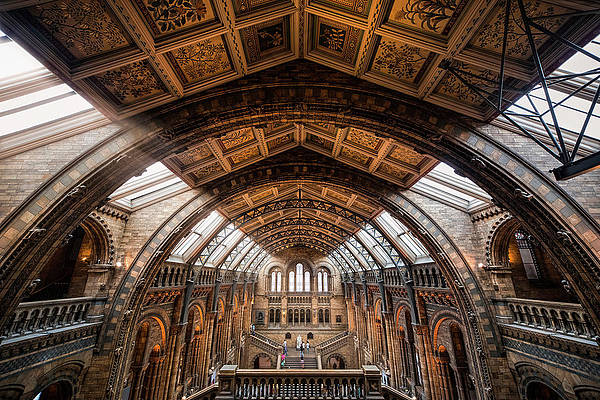
The trap is museum plural. The Natural History Museum, Science Museum, and V&A sit close together, so travelers think they can “do South Kensington” after Chelsea. In practice, the body has already spent hours standing, bending toward displays, navigating crowds, and staying visually alert. One museum focus is restorative; two museum facades plus a rushed gallery skim is just a transfer disguised as culture. Choose the V&A for design and decorative arts, the Natural History Museum for families with a clear appetite for it, or no museum at all if lunch and dinner already matter.
Mayfair: use it for the evening, not as a mid-afternoon badge
Mayfair pairs well with Chelsea Flower Show week when it is where your hotel, dinner, or light shopping already belongs. It pairs poorly when it is inserted because it sounds like the natural luxury continuation. The travel consequence is not simply distance; it is the rhythm of entering central London traffic after a slow showground exit, then asking the group to recompose itself for another high-polish neighborhood before dinner.
If you are staying near Park Lane, Berkeley Square, Bond Street, or Piccadilly, Mayfair can be the right place to land after a hotel return. If you are not staying there, make Mayfair earn its place: a specific gallery, one boutique appointment, one bar, or dinner. Do not make it a vague “wander before dinner” if the group has already walked Chelsea. On a Chelsea Flower Show day, Mayfair should reduce evening uncertainty, not add another district to manage.
The Thames: better as a reset than a sightseeing claim
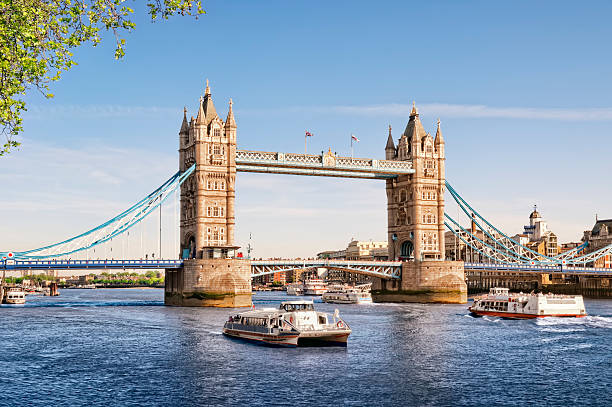
The Thames belongs in the plan when the group needs space, air, and a change of surface. Chelsea Embankment, Albert Bridge, Battersea Bridge, and the river edge can make the day feel less compressed after the show. This is not about seeing “the river” in a generic London way; it is about changing the body’s experience after a dense garden appointment. The air, broader pavement, and lateral movement can make the day feel calmer before a return to South Kensington, Mayfair, or the hotel.
A river move can also be smarter than another road loop if the day later crosses central London, but it must be planned around actual boarding points and the final evening destination. The Thames is not automatically efficient from Chelsea. It becomes useful when it aligns with where you are going next, or when the emotional value of a calmer transition is higher than the speed of a direct car. For a deeper road-versus-river planning lens, keep London by river or road for the broader decision.
Protect dinner first, then build the afternoon backward
The best Chelsea Flower Show week plans are built backward from dinner and the hotel return. That may sound unromantic, but it is the move that keeps the day elegant. The show has a fixed place and a seasonal pull; dinner has a social and energy cost; the hotel return is what lets travelers change shoes, drop purchases, sit quietly, or simply stop being “out” for an hour. Ignore that middle reset and even an excellent restaurant can feel like the last obligation of a long day.
For Mayfair dinners, the most comfortable structure is show, nearby lunch or Chelsea/South Kensington continuation, hotel return, then dinner. For a West End or Strand dinner, keep the afternoon lighter and avoid a late South Kensington museum exit that pushes everyone east at the same time they should be recovering. For a serious meal such as Ikoyi, use the official Ikoyi menu & reservations (https://www.ikoyilondon.com/) page for current dining details, then protect the hours around it as carefully as you protect the show appointment. The point is not that one restaurant determines the day; the point is that a serious dinner exposes weak sequencing quickly.
The body consequence matters here. London does not always tire premium travelers through dramatic distances; it tires them through small frictions repeated all day. A station staircase after several hours on showground paths, a crowded pavement on the King’s Road, a hot taxi that crawls through Knightsbridge, a museum cloakroom decision, a hotel lift, a shoe change, then another car to dinner: none of those moments is ruinous alone. Together, they can flatten the evening. That is why the most polished Chelsea week day often contains fewer named stops than a less expensive itinerary.
The mood consequence is just as real. A garden appointment creates a celebratory tone at the start of the day. If the afternoon becomes a sequence of “while we are nearby” add-ons, the tone changes from delight to compliance. Couples become quiet for the wrong reason. Families start negotiating. Small groups develop competing appetites for rest, shopping, and culture. Protecting dinner first gives the day a shared endpoint and makes every earlier choice easier: if it does not improve the dinner return, hotel return, or one chosen cultural pairing, it is probably clutter.
This is where a curated food-and-wine plan should be integrated rather than bolted on. If Mayfair, Marylebone, or Borough Market is part of a broader dining stay, the Chelsea day should be the lighter companion to that plan, not another maximal day in disguise. For the adjacent food planning question, use a curated London food-and-wine day separately, then keep Chelsea Flower Show week from becoming the day that does everything.
When a chauffeur helps, and when walking or the Thames is better
A chauffeur helps most on the edges of the Chelsea Flower Show day, not inside the Chelsea portion itself. The value is in planned drop-off and collection logic, hotel returns, luggage or shopping management, older-parent comfort, celebration clothing, and late-evening transfers after dinner. A driver does not make Royal Hospital Road feel empty, does not remove the need to walk the showground, and does not turn a crowded local exit into a private corridor.
Use a chauffeur when the day has a real edge-to-edge problem: a Mayfair hotel return before dinner, a group with mixed mobility, a family that needs bags and coats removed from the equation, or a late dinner where you do not want to renegotiate transport at the end of the night. Also use one when the plan includes a controlled transfer from Chelsea to South Kensington and then back to a hotel outside the immediate area. In that case, a driver can reduce uncertainty, especially if the group includes guests who tire quickly after standing.
Walking is often better inside Chelsea itself. Sloane Square to Pavilion Road, Duke of York Square, parts of the King’s Road, and the local floral displays are more naturally handled on foot, assuming the group is comfortable walking. A car can become absurdly inefficient for short hops where the pavement route is clearer than the road route. The same is true for a Chelsea to South Kensington plan if the group is fresh, the weather is kind, and the route is designed as part of the experience rather than a forced transfer.
The Thames is better when the day needs a psychological exhale. After the show, a river-edge movement toward Chelsea Embankment or a later river-minded transfer can do what another chauffeured loop cannot: widen the day. This is especially useful for couples and small groups who would rather preserve conversation and mood than add one more interior. It is also useful when the group has already seen enough polished rooms and wants London to feel less compressed.
Better access or transport does not fix a poor sequence if dinner and hotel returns are ignored. That is the clearest premium-spend judgment for this week. Paying more can change comfort, privacy, waiting, and the ease of a late return; it cannot make an overloaded plan feel light. If you are considering a driver for the day, use a chauffeured London private tour where the chauffeur solves a real routing or comfort problem, not as a decorative upgrade to a schedule that should have been cut.
A Chelsea Flower Show day that feels like London rather than a logistics exercise
The best sample day has one garden appointment, one nearby continuation, and one protected evening. The exact order depends on your admission, hotel, and dinner, but the principle is stable: concentrate the day west of central London until you have either returned to the hotel or deliberately chosen the evening zone.
- Morning show, Chelsea lunch, South Kensington detail: Arrive focused, leave before the day loses shape, lunch in or near Chelsea, then continue to one South Kensington design or museum focus. This is the strongest version for travelers who want the show to have cultural afterlife without feeling like a full museum day.
- Morning show, Chelsea only, Mayfair evening: Keep the afternoon local, return to the hotel, and let Mayfair carry the evening. This is the most elegant version for couples with a serious dinner, celebration travelers, or anyone staying near Park Lane, Hyde Park Corner, or Berkeley Square.
- Midday show, light morning, later Thames edge: Use the morning for a calm start rather than another major sight. After the show, choose Chelsea Embankment, a short river-edge pause, or a direct hotel return. This works when you do not want the day to peak too early.
- Long show visit, low-stakes evening: Give the garden traveler the time they actually want. Then stop pretending the evening should be a second headline. Dinner should be simple, close, or already built around rest.
A private guide can make the fixed garden appointment feel like part of London rather than a seasonal interruption. The guide’s job is not to narrate every petal. It is to read the group’s energy, choose whether Chelsea to South Kensington is still wise, know when the King’s Road is becoming a drag, and keep Mayfair from arriving too early in the day. That is the natural moment for a tailor-made London private tour: the garden is fixed, but the surrounding day should be customized around your hotel, dinner, walking tolerance, and the kind of London you want after the show.
If you want help turning a Chelsea Flower Show appointment into a broader Chelsea, South Kensington, and Mayfair day without overloading it, Inquire now. The useful brief is not “show us everything nearby.” It is more specific: where are you staying, how much show time do you truly want, is dinner a major part of the day, and does the group need walking-first, chauffeur-supported, or river-softened movement?
What to cut first when the plan starts to sprawl
Cut the second garden idea first, then the second museum, then any cross-river dinner that does not have a strong reason to survive. Chelsea Flower Show already provides the seasonal garden moment. Adding Kew, Hampton Court, or another garden on the same day usually weakens both experiences. It turns one vivid appointment into a theme-day marathon and leaves little space for London to breathe between them.
The second museum is the next cut. South Kensington is powerful because it offers choice in a compact area, not because the whole museum district should be consumed after Chelsea. The V&A can be brilliant after the show if you have a design thread. The Natural History Museum can be brilliant with children who actively want it. A second museum after that is usually not cultural seriousness; it is itinerary anxiety. London’s great collections reward selectivity. They punish “while we are here” thinking.
Also cut vague shopping. Chelsea and Mayfair both invite browsing, but a premium trip is not improved by turning the hours between a garden show and dinner into open-ended retail drift. If shopping matters, make it one appointment, one street, or one design focus. Sloane Street, King’s Road, Bond Street, and Mount Street are not interchangeable. Each changes the route, the group’s energy, and the dinner return. If there is no specific reason, leave it out.
Cut the cross-river flourish unless the Thames is solving a problem. A river edge can soften the day. A private Thames moment can be wonderful when the occasion, route, and timing fit. But crossing or cruising simply because London has a famous river can create the same problem as a needless chauffeur loop: movement without relief. The Thames should give the day air or a cleaner transfer. It should not become another box checked before dinner.
Finally, cut the idea that everyone in the group must experience Chelsea Flower Show in the same way. A garden-focused guest may want depth; another may be content with atmosphere; children may need a simpler exit; older parents may need a sit-down plan and a driver at the right edge. The smoothest private day acknowledges those differences early. It does not wait until Royal Hospital Road, tired feet, and a looming dinner reservation make the differences harder to manage.
FAQ
Is Chelsea Flower Show a full-day visit in London?
Chelsea Flower Show is usually best treated as a half-day anchor unless gardens are the main reason for the trip. A full day makes sense for serious horticultural travelers, design professionals, collectors, or repeat visitors who want to study the displays slowly. It is a poor fit when you also want a major dinner, a theatre night, or a broader first-time London day.
What should I pair with Chelsea Flower Show if I do not want the garden to run the trip?
Pair it with Chelsea itself, one South Kensington cultural stop, a Mayfair hotel or dinner return, or a Thames-side reset. The cleanest cultural pairing is Chelsea to South Kensington, especially if the V&A fits your design interests. The safest comfort pairing is Chelsea plus a hotel return before dinner.
Is South Kensington better than Mayfair after Chelsea Flower Show?
South Kensington is better after Chelsea Flower Show when you want a nearby museum or design continuation without crossing central London. Mayfair is better when it is where you are staying, dining, or making one specific appointment. Mayfair should usually be the evening landing zone, not an automatic mid-afternoon add-on.
Should I use a chauffeur for Chelsea Flower Show week?
Use a chauffeur if the day includes mixed mobility, a Mayfair hotel return, a serious dinner, celebration clothing, or a group that needs smoother late-day logistics. Do not use a chauffeur for short Chelsea hops that are easier on foot. A driver helps at the edges of the day; walking often works better inside Chelsea.
Can I combine Chelsea Flower Show with Kew Gardens or Hampton Court?
You can, but it is usually not the best use of the day. Chelsea Flower Show already supplies the garden focus, and adding Kew or Hampton Court on the same day often turns a seasonal highlight into a long green-space marathon. Put Kew or Hampton Court on a separate day if a larger garden experience matters.
How do I protect dinner after Chelsea Flower Show?
Build the afternoon backward from dinner and the hotel return. Decide whether you need to change, rest, drop purchases, or move from Chelsea to Mayfair, the West End, or the Strand. Then choose only one post-show continuation. The dinner will feel better if the afternoon has fewer transfers and one clear endpoint.
Is Chelsea in Bloom worth adding during Chelsea Flower Show week?
Yes, if it is already along your Chelsea route and you treat it as a short neighborhood flourish. It is not worth turning into a second full floral itinerary after the show. Use it around Sloane Square, the King’s Road, or nearby streets when it supports the day’s mood rather than extending the walking load.
What is the biggest mistake on a Chelsea Flower Show London itinerary?
The biggest mistake is treating the show as the start of an all-day west London sweep that must include Chelsea, South Kensington, Mayfair, the Thames, and a major dinner. The better plan chooses one nearby continuation and protects the evening. The trip feels more premium because it is better cut, not because it has more stops.
If you’re interested in any private tours of London, please reach out to us.















 So if you are looking for the absolute best in London & surroundings with authentic local fully-licensed native guides whose English you can actually understand and with an exclusive and amazingly fun itinerary













