London Between a West End Matinee and Dinner: Covent Garden, Soho or a Hotel Reset

Updated
Covent Garden is the best default after a West End matinee when dinner is in or near the theatre district: stay close, walk slowly, and let the pavements settle before you commit to the evening. It works because Covent Garden after a matinee is governed less by distance than by crowd flow around St Martin’s Lane, Long Acre, Bow Street and Charing Cross Road, where a ten-minute walk can feel oddly jagged if you choose the wrong corner. The clearest exception is a serious Soho dinner west of Charing Cross Road; then move deliberately into Soho rather than hovering in Covent Garden until the reservation starts.
The thesis is simple but very London-specific: the best post-matinee choice is not the place with the most famous name, but the place that keeps the theatre door, the dinner table and the return to your hotel in one believable evening arc. A matinee has already asked you to sit, concentrate, climb theatre stairs, collect coats, and emerge into a West End grid that is preparing for evening arrivals. Adding one more sight can make a polished dinner feel like damage control. The wiser move is to decide whether the interval belongs to Covent Garden, Soho, or your hotel before the curtain rises.
For a larger theatre-led day that starts earlier with Westminster, Covent Garden and the West End in one route, use the related Orange Donut Tours guide to a private London theatre-and-sightseeing day. This article solves the narrower question travelers ask once tickets and dinner are already fixed: where should the post-show window go, and when should you stop trying to make it sightseeing time?
The post-matinee decision, in one London grid
Choose by dinner geography first, energy second, and atmosphere third. That order sounds unromantic until you are trying to cross Cambridge Circus in dress shoes, or watching a table time creep closer while a taxi crawls around Shaftesbury Avenue. The better choice is the one that makes dinner feel like the highlight of the evening rather than the next obligation.
Default winner: Covent Garden. Choose it when dinner is in Covent Garden, the Strand, Leicester Square’s eastern edge, Seven Dials, Aldwych, or close to the theatre where your matinee ends. It suits couples who want a composed walk, families who need low-risk movement, and travelers who would rather arrive early than gamble on a cross-town transfer. The useful version is not “see Covent Garden”; it is one short loop, one pause, and an easy arrival at dinner.
Dinner-led runner-up: Soho. Choose Soho when the reservation is actually there: Greek Street, Dean Street, Frith Street, Wardour Street, Rupert Street, or the west side of Charing Cross Road. Soho makes dinner easier when it removes a later transfer. It becomes the wrong move when it is chosen only because it sounds livelier. After a matinee, lively can quickly become narrow pavements, door queues and indecision.
Best rescue move: a hotel reset. Choose the hotel when the morning was substantial, the weather is wearing you down, someone needs to change, or dinner is formal enough that arriving fresh matters. A hotel reset works best from Mayfair, Covent Garden, Marylebone, St James’s or a well-placed West End hotel. It is weaker when your hotel is far from both theatre and dinner, because you are buying two transfers in the most delicate part of the day.
First cut: the extra cultural stop. The post-matinee window should not include a museum, gallery or cross-town detour unless dinner is late, the stop is genuinely on the way, and everyone in the group wants it more than arriving calm. This is the counterintuitive London correction: Mayfair is not automatically the premium answer, and the National Gallery is not automatically “easy” just because Trafalgar Square is nearby. If the stop clips the dinner buffer, cut it.
For timing checks, use primary sources rather than assumptions. Your ticket is the source of truth, and current show listings can be checked through Official London Theatre (https://officiallondontheatre.com/) before you build the day. The point is not to turn the article into a theatre-ticket guide; it is to prevent a planning error that feels small at lunch and expensive at dinner.
Before you decide, ask three practical questions: where is the restaurant door, where is the nearest painless return to the hotel, and what will the weakest walker in the group feel like after theatre stairs? If the answers point to the same small area, stay out and enjoy it. If they split in three directions, simplify. The least convincing compromise is usually the one that asks everyone to walk, transfer, wait, and then pretend the dinner still feels unhurried.
There is one more London detail that changes the answer. Covent Garden, Soho and Mayfair look compact on a map, but the West End is a pedestrian-pressure zone at exactly the hour a matinee ends. The route from a theatre near the Strand to Seven Dials is not the same physical experience as the route from Shaftesbury Avenue into Soho, and neither is the same as asking a driver to thread through evening traffic toward Mayfair. The best base is the one that lets your group walk with intention instead of negotiating every crossing.
When Covent Garden is enough after a West End matinee
Covent Garden is enough when dinner is close, the group still has energy, and the evening benefits from a light, local pause rather than a new objective. After a matinee, Covent Garden’s advantage is not that it is the most original choice. Its advantage is that it already contains the theatre-exit problem: short routes, many places to pause, and enough architectural and street interest to make the window feel like London without making it a second itinerary.
The right Covent Garden interval is usually a small circuit, not a sightseeing program. From a theatre around St Martin’s Lane, the Strand, Wellington Street or Drury Lane, you can let the crowd pass, turn toward Bow Street, move through the market edge, and continue toward Seven Dials only if the dinner geography supports it. That keeps you in the same mental frame as the performance: unhurried, alert, and still dressed for dinner. It also avoids the common mistake of treating the Royal Opera House, Neal’s Yard, the Piazza, King Street and the Strand as a checklist. Pick one direction and stop.
This is especially helpful for couples. A good post-matinee window should keep conversation intact. Covent Garden allows a slow walk, a short drink, or a browse that can end the moment it needs to end. The mood-preserving decision is to leave a little blank space between the applause and the table. The mood-killing mistake is to make the interval feel like crowd management: one partner wants to roam, the other is tracking the reservation, and both arrive at dinner with the sense that the best part of the evening has already been spent negotiating.
For families or small groups, Covent Garden also reduces split attention. Children do not have to be persuaded across a busy transfer, older parents do not have to decode the Tube after sitting for hours, and celebration groups do not lose half the party to different corners of Soho. You can agree on a clear meeting point near the theatre, keep the walking radius modest, and still let people feel they had a London moment between curtain and dinner.
There is one local correction worth knowing: Covent Garden Underground Station is not always the most elegant way out of Covent Garden. It is useful to check the official Covent Garden Underground Station (https://tfl.gov.uk/tube/stop/940GZZLUCGN/covent-garden-underground-station?lineId=piccadilly) page for live information, but in this specific post-matinee window, the better move is often to stay on foot or use a nearby station that better matches your direction. Leicester Square can make more sense if you are moving west or south; Holborn can make more sense if you are already near Long Acre and heading east. For a short West End move, the Tube can add stairs, lifts, ticket gates and platform waiting to a journey that was supposed to calm the evening.
Covent Garden becomes less good when it is used as a holding pen. If dinner is in Soho, do not spend forty minutes circling Covent Garden and then rush west at the end. If dinner is in Mayfair, do not pretend the transfer will be invisible. If your hotel is close and everyone wants to change, do not force a local stroll just because the map looks charming. Covent Garden wins when it absorbs the interval; it loses when it delays the real next move.
Use Covent Garden as the answer when the theatre, the dinner and the return route all stay compact. Use the broader first-visit planning guide on where to stay in London for a premium first visit if you are still deciding whether Covent Garden should be your base, not just your post-matinee buffer.
When Soho makes dinner easier before the evening deepens
Soho is the stronger choice when your dinner reservation is west of Charing Cross Road and the move happens immediately after the matinee. The difference between Covent Garden and Soho is not simply atmosphere. It is whether crossing Charing Cross Road now removes a later rush, or whether it adds a lively but unnecessary complication to a dinner that was already easy.
The cleanest Soho move starts as soon as you leave the theatre. From a matinee near Shaftesbury Avenue, Cambridge Circus, St Martin’s Lane or the Leicester Square side of the West End, continue toward the streets that actually matter for dinner: Greek Street, Dean Street, Frith Street, Wardour Street, Rupert Street, Brewer Street. Do not wander across Soho as if every lane has to be sampled. The post-matinee version of Soho is not a nightlife crawl; it is a controlled arrival into the part of town where your table already belongs.
Soho suits food-and-wine travelers because it can turn the interval into appetite rather than fatigue. A short walk, a pause, and a direct arrival at the restaurant can sharpen dinner. Too much roaming does the opposite. Narrow pavements, delivery bikes, clusters outside pubs, theatregoers heading to evening performances, and shoppers moving off Oxford Street can make the same few blocks feel busy before dinner has even begun. The consequence is not only physical. It changes the mood from anticipation to vigilance.
For couples, Soho is best when the dinner itself is the reason to be there. If the reservation is on Dean Street or Frith Street, arrive early, take one measured loop, and let the evening build around the table. If the dinner is elsewhere, resist the idea that Soho is the more sophisticated default. A famous district can still be the wrong district. The more polished choice is sometimes to remain near Bow Street or return to the hotel, because that keeps the evening from becoming a zigzag.
Soho also asks for honest group reading. A small group of friends may love the energy after a play. A multigenerational family may find the same energy abrasive. A celebration couple may enjoy the sense of arrival if the restaurant is close, but not if they are trying to preserve formal clothes, manage rain, or avoid arriving flushed. If the group is already frayed after a full morning and a matinee, Soho can make dinner feel louder before the first course arrives.
Mayfair deserves a separate mention because it is often mistaken for the automatic upgrade. A Mayfair dinner can be excellent after a matinee, but Mayfair is not a better post-show base unless dinner or the hotel is there. From much of the West End, a taxi west at the wrong moment can feel slower than a calm walk to a closer table, and walking all the way to Mayfair in dress shoes can turn a polished evening into a pavement exercise. Choose Mayfair for a Mayfair evening, not as a prestige reflex.
When the dinner is the anchor, plan the day around it rather than around one more neighborhood. Orange Donut Tours’ guide to a curated London food-and-wine day is useful if the meal is not just an add-on but the reason the day needs cleaner pacing from the start.
When returning to the hotel is the better post-matinee choice
A hotel reset is best when the day has already asked too much of the body, or when dinner will reward arriving composed more than arriving with one extra neighborhood behind you. This is not giving up on London. It is recognizing that a matinee sits in the middle of the afternoon, exactly where a premium trip can quietly lose energy if every open hour is filled.
The hotel reset is strongest from a well-located base: Mayfair, St James’s, Covent Garden, Marylebone, the Strand, or a West End hotel with a simple return. It lets travelers change shoes, refresh, check messages, manage children, rest older parents, or prepare for a more formal dinner without converting the whole evening into logistics. If your hotel is near Green Park, Piccadilly, Haymarket, the Strand or Covent Garden itself, this can be the most elegant move of the three.
The hotel reset is weaker when the hotel is far from both theatre and dinner. A South Kensington or Chelsea hotel can be a wonderful base for museums, parks and family rhythm, but it does not automatically make sense between a West End matinee and a Soho dinner. You may end up taking a taxi or Tube west, going upstairs, changing quickly, then reversing direction into the same evening pressure you just escaped. In that case, a shorter Covent Garden or Soho buffer may be calmer than a symbolic hotel stop.
London does specific things to the body in this window. Theatre seats keep you still, old theatres can involve stairs and tight foyers, pavements around St Martin’s Lane and Charing Cross Road concentrate people at crossing points, and even a short Tube move can require lifts, escalators, ticket gates and platform heat. Add rain, bags, dress shoes or a child who has been quiet for two hours, and the city can make a small plan feel longer than the map promised. The hotel reset wins when it removes that accumulated strain before dinner.
London also does something to the trip mood. If you move cleanly after the matinee, dinner feels like the next chapter. If you force a famous stop, the day starts to feel like a series of tests: can we squeeze it in, can we still make the booking, can we find a taxi, can we dry off, can we arrive looking as if this was all intentional? The best post-matinee plan makes the evening feel shorter in the right way: fewer transitions, less negotiation, more attention left for the meal and the company.
For families and older travelers, the hotel reset can be the difference between a graceful evening and a late cancellation. It gives children a chance to decompress before a grown-up dinner, and it gives older parents a break from standing, stairs and theatre crowds. For celebration travelers, it can keep clothes, hair, makeup and mood aligned with the dinner you actually booked. That is a real upgrade, even if it photographs less dramatically than one more landmark.
Still, do not use the hotel as a reflex. If everyone feels good, the weather is manageable, and dinner is five to fifteen minutes away on foot, returning to the hotel may add fuss rather than remove it. The reset is a tool, not a rule. It earns its place when it protects the evening, not when it becomes another transfer to complete.
The move to cut when the West End matinee and dinner window gets crowded
Cut the museum, gallery or cross-town add-on first. The post-matinee window is not the moment to rescue an underplanned museum day, even in a city where the National Gallery, the British Museum and smaller collections can sit temptingly close on the map.
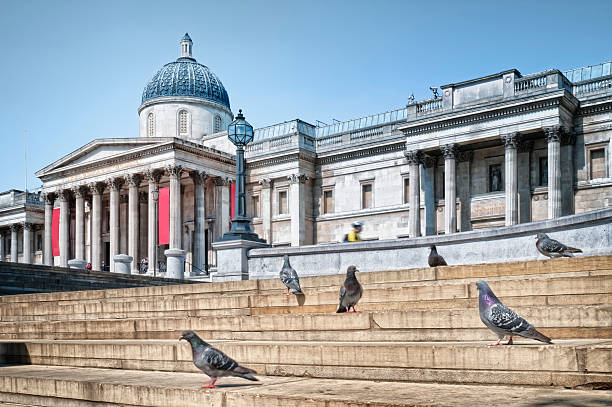
The National Gallery can look plausible from a theatre near St Martin’s Lane because Trafalgar Square is close. The problem is not distance; it is the combined cost of entry, cloakroom decisions, gallery orientation, mental reset, and exit timing before dinner. Even a short art stop asks travelers to change attention completely. After a matinee, that can flatten the performance you just saw and make dinner feel like the end of a forced march.
The British Museum is a more common mistake because Great Russell Street looks close to Covent Garden and Seven Dials. In practice, it pulls the plan north toward Bloomsbury, away from many West End dinner routes, and then demands either another walk or another transfer back. It is not that the museum lacks value. It is that this is the wrong window for it unless the whole day was designed around a museum-and-theatre sequence from the start.
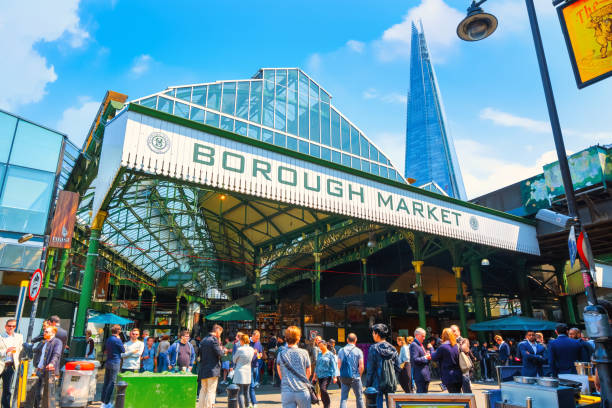
A cross-river detour is even less persuasive. The South Bank, Tate Modern, Borough Market and the Thames can be excellent in the right half-day, but they do not belong between a West End matinee and a West End or Soho dinner unless dinner itself is across the river. Crossing Waterloo Bridge for views sounds elegant; doing it while watching the reservation clock is not. If the river is meant to anchor the day, plan it as its own route rather than a late squeeze. The related guide to the London afternoon-tea window is a better fit when the afternoon needs a separate food-and-culture structure before a West End evening.
The same rule applies to shopping. One focused stop near the dinner route can work; a drift toward Regent Street, Bond Street or Carnaby Street can burn the exact energy dinner needs. If a purchase or fitting matters, give it its own time earlier in the day. If it does not matter, do not let it compete with the reservation you cared enough to make.
The cut-first rule is not anti-sightseeing. It is pro-sequence. London rewards travelers who stop stacking good ideas into bad positions. Between a matinee and dinner, the strongest move is usually the one with the fewest seams: Covent Garden if the evening stays local, Soho if dinner is there, hotel if the group needs recovery.
Spend where it changes the evening, not where it only decorates it
Premium spend helps when it reduces movement, protects timing, or improves the quality of the dinner arrival. It does not help when it simply adds a more expensive version of the same rushed sequence.
A better seat or dinner reservation cannot rescue a day with no recovery buffer. That sentence matters because many high-end London plans are built around the expensive parts: excellent theatre tickets, a serious table, a good hotel. Those are not enough if the hour between them is treated as leftover time. The buffer is the part that makes the spend feel earned.
Where spend can help is in the morning and transfer design. A private guide can end the earlier part of the day near the right theatre side, choose a lunch that does not weigh down the matinee, and avoid a final pre-show stop that looks attractive but compromises the evening. A chauffeur can help if the hotel reset is part of a longer weather-sensitive or mobility-sensitive plan. A well-placed hotel can change everything because it turns “go back and change” from a production into a pause.
Where spend often does not help is inside the theatre grid itself. Paying for a car to move a few blocks through Covent Garden or Soho can be less comfortable than walking if streets are constrained, traffic is slow, or drop-offs are awkward. Paying for an elaborate pre-dinner stop rarely earns its cost if the group is already tired. Paying more for a reservation farther away can make sense only when the meal is the point of the night, not when distance is being used to signal taste.
Use primary-source checks for serious meals rather than inherited assumptions. For example, See the current three‑course lunch menu (https://www.theritzlondon.com/restaurant-three-course-lunch-menu) when lunch is part of a theatre day, not because that menu belongs in every plan, but because formal dining has its own rhythm and should be timed from direct information. The same discipline applies to dinner: confirm the address, the arrival expectations and the route from the theatre before you decide what the interval can hold.
There is a subtle value judgment here. The best post-matinee upgrade is often not another paid experience. It is the absence of a scramble. A private guide, a driver, a hotel location or a reservation can all support that, but none of them replaces the editorial decision to stop adding things once the evening has a clear shape.
How a private guide can design the morning so dinner stays the highlight
The most useful private-tour intervention happens before the matinee, not after it. Once the curtain falls, your options are already constrained by theatre location, dinner geography, weather, group energy and hotel distance. A better plan starts in the morning with the post-matinee decision already built in.
For a West End matinee, a private guide can choose a morning route that ends on the correct side of town. If dinner is in Covent Garden, the earlier day can stay around Westminster, St James’s, the National Gallery edge or the Strand without forcing a late transfer. If dinner is in Soho, the guide can avoid ending the morning too far east. If the hotel reset is the plan, the morning can be paced so the reset is a genuine recovery, not the first chance anyone has had to breathe.
This matters for couples because chemistry is often lost in transitions, not in the attractions themselves. A guide who understands that can keep the day from becoming a sequence of “just one more” decisions. They can choose one strong morning focus, shorten lunch, build in the pre-show buffer, and leave the post-show window deliberately light. That is how dinner remains the emotional center of the evening.
For families and small groups, the value is coordination. The guide can account for theatre start time, coat checks, bathroom breaks, walking pace, snack needs, and the reality that not everyone exits a crowded theatre at the same speed. For food-and-wine travelers, the value is appetite management: a day that keeps dinner sharp rather than dulling it with too many stops, too many tastings, or a late lunch that competes with the main reservation.
Orange Donut Tours can shape this kind of day as a bespoke route rather than a template, whether the morning belongs to Westminster, a focused West End walk, a food-led Mayfair plan, or a quieter hotel-to-theatre sequence. For private design around tickets, dinner geography and recovery time, start with Tailor-Made London private touring. When you are ready to hand off the route logic, theatre buffer and dinner pacing, Inquire now.
FAQ
Where should we go after a West End matinee before dinner?
Stay in Covent Garden if dinner is nearby, move into Soho if the reservation is actually in Soho, and return to the hotel if the day has already used too much energy. The best answer is the one that keeps the theatre exit, dinner table and return route aligned.
Is Covent Garden too touristy after a matinee?
Covent Garden can feel busy, but it is often the most practical post-matinee base because it keeps the evening compact. Use it for a short walk, one pause and an easy dinner arrival, not for a long wander through every lane and market corner.
When is Soho better than Covent Garden between theatre and dinner?
Soho is better when your dinner is west of Charing Cross Road, especially around Greek Street, Dean Street, Frith Street or nearby streets. It is not automatically better for atmosphere; it earns its place when it removes a later transfer.
Should we return to a Mayfair hotel after a matinee?
Return to a Mayfair hotel if dinner is in Mayfair, St James’s, Soho or the West End and the transfer is simple. Skip the reset if the hotel stop would require going west and then immediately back east under time pressure.
Can we fit the National Gallery or British Museum between a matinee and dinner?
Usually no. A short gallery stop can look easy on the map, but it adds entry, orientation, exit timing and mental load just before dinner. Save the museum for a morning or a day designed around art rather than forcing it into the theatre-to-dinner gap.
Is a taxi worth it after a West End matinee?
A taxi is worth it when the hotel reset is meaningful, mobility is a concern, weather is poor, or dinner is genuinely too far to walk. It is often not worth it for a few blocks within Covent Garden or Soho, where walking may be calmer than sitting in traffic.
How much time should we leave between a matinee and dinner in London?
Leave enough time to exit the theatre without rushing, walk or transfer calmly, pause if needed, and arrive at the restaurant composed. The exact amount depends on the show, theatre, dinner address, weather and group pace, so build the interval from your ticket and reservation rather than from a generic rule.
Can Orange Donut Tours plan the theatre and dinner day around our reservation?
Yes. A tailor-made private day can be designed around matinee tickets, dinner geography, hotel location, walking pace and the right recovery buffer, so the meal remains the highlight instead of becoming the part of the day everyone reaches tired.
If you’re interested in any private tours of London, please reach out to us.















 So if you are looking for the absolute best in London & surroundings with authentic local fully-licensed native guides whose English you can actually understand and with an exclusive and amazingly fun itinerary













