The London Afternoon-Tea Window: Museum Time, Shopping Streets and a West End Evening Without Drift

Updated
The best place for afternoon tea in a London day is usually after one serious museum and before the West End evening begins. That verdict works because the afternoon-tea seating window behaves like an anchor, not a snack: it governs appetite, transfer time, posture, conversation and how much energy is left when the curtain time starts to matter. The clearest exception is a day already carrying two major interiors, a serious lunch or a long shopping appointment; in that case, move tea to another day or let it replace lunch. In London, afternoon tea is not decoration between sights; it is the hinge between a museum morning, Mayfair or Marylebone movement, and a theatre-night return that still feels composed.
The non-obvious London cue is that the map makes Mayfair look like a universal solution, but the useful hinge is narrower: the Davies Street side of Bond Street, the Piccadilly edge of St James’s, and the theatre streets around Haymarket, Shaftesbury Avenue and Covent Garden do very different work in the late afternoon. A tea reservation that looks central can still create a body-taxing zigzag if it follows South Kensington, precedes Bond Street fittings and then asks you to cross into the West End at the same hour everyone else wants taxis. This guide is not a ranking of London afternoon teas. It is a timing answer for travelers who want the museum, the shopping streets and the evening to belong to one coherent day rather than three polished fragments.
The planning matrix: where the tea window belongs
The right afternoon-tea plan depends less on the tea room and more on what the day is asking your body and mood to do next. Use the matrix below as the decision frame before you choose the venue, because a prestigious room in the wrong slot can make the day feel heavier rather than more special.
Best base case: one museum, then tea, then a light West End evening. This is the winning pattern for couples, celebrations and culture-and-style travelers. Start with a focused morning at the National Gallery, the Wallace Collection, the British Museum or the V&A; stop before the museum becomes a test of stamina; move to tea as the meal anchor; then keep the evening route short. This is where Orange Donut Tours can shape the morning through context and pacing while the tea remains your private social moment. For a food-led London day that is not built around afternoon tea, compare the broader logic in a curated London food-and-wine day.
Better before tea: serious shopping appointments. If Bond Street, Mount Street, Savile Row, Jermyn Street or a Marylebone specialist appointment matters, do the decision-heavy shopping before tea. Fittings, private rooms, color choices and shipping conversations reward clear attention. After scones and champagne, the mind may still be happy, but it is rarely sharper.
Better after tea: only light browsing or a short hotel return. A gentle look through Burlington Arcade, South Molton Street or a single favorite counter can work after tea if it is not consequential. So can a hotel pause, especially before theatre. Do not place a major boutique appointment after tea unless the appointment is purely a pickup or pre-agreed final approval.
Move tea to another day: two interiors plus theatre. If the plan already includes the British Museum and the Churchill War Rooms, or the V&A and a second gallery, tea becomes another seated performance rather than a relief. Booking a prestigious tea does not rescue a day that already has two major interiors and theatre.
The firm editorial call is this: afternoon tea should replace lunch rather than be layered on top of it. A full lunch, afternoon tea and a pre-theatre dinner create an elegant-looking itinerary that often fails in real time. The more comfortable version is a late breakfast, one cultural focus, tea as the central meal, and then either a very light supper after the show or a pre-theatre bite that does not compete with the tea. If what you really want is a formal lunch, that is a different anchor; in that case, use an official menu rather than vague expectation setting, such as See the current three‑course lunch menu (https://www.theritzlondon.com/restaurant-three-course-lunch-menu), and do not pretend afternoon tea can still play the same role later.
Should afternoon tea go after a museum or before shopping in London?
Afternoon tea belongs after a museum when the museum is the day’s intellectual focus and before shopping when the shopping requires decisions. This is the planning split that prevents the day from drifting. The museum-before-tea version gives the morning shape, lets the guide do the interpretive work while everyone is alert, and turns tea into a social decompression point. The shopping-before-tea version protects judgment, because a private fitting or jewelry appointment is not improved by arriving full, sleepy or aware that a theatre curtain is closing in.
After the National Gallery: the cleanest museum-to-tea handoff
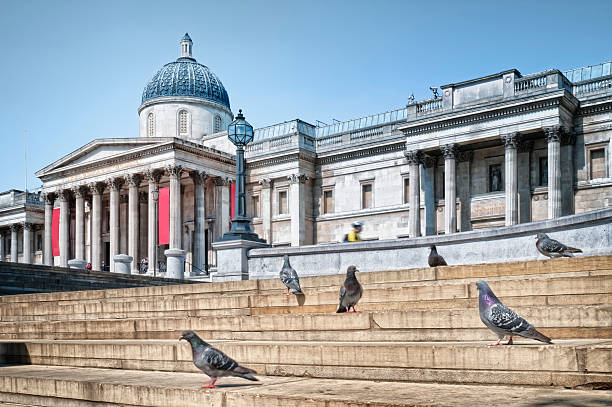
The National Gallery is the most convenient major museum for the tea window when the West End is also in play. Its Trafalgar Square position lets the morning finish without forcing a long cross-city reset, and the Sainsbury Wing entrance has made the gallery’s working geography more exact than the old idea of “just meet on the square.” A focused visit can end with a short walk toward St James’s, Piccadilly or Mayfair, or with a controlled taxi if the weather, footwear or family mix argues for it. Confirm current entry, exhibition and visiting details through the official National Gallery visiting page (https://www.nationalgallery.org.uk/visiting/plan-your-visit), then build the tea reservation around the day rather than the other way around.
This is also where a private guide earns the most without overextending. A guide-led National Gallery morning can make the visit feel complete in a few rooms instead of stretching across centuries until every painting starts to blur. The guide can connect Renaissance patronage, British collecting, Trafalgar Square and the West End’s theatrical geography, then stop. The stop matters. Once tea begins, the day should shift from explanation to pleasure. If art is the hinge of the morning, National Gallery private tours can help keep the cultural part strong enough that you do not feel tempted to add a second museum later.
After the Wallace Collection: Marylebone works when the evening is not too far south
The Wallace Collection is a graceful tea-window museum because it is dense, domestic in scale and close to Marylebone’s calmer streets. Its Manchester Square setting changes the day’s tempo: you can leave the loud edge of Oxford Street, spend the morning with paintings, armor, furniture and decorative arts inside Hertford House, and still be close to Bond Street, Chiltern Street or a Mayfair tea room. The official Wallace Collection visit page (https://www.wallacecollection.org/visit/) is the right source for current visiting details before you lock the day.
The consequence is not only distance; it is mood. Wallace-to-tea feels more like moving from a private collection to a private conversation. It suits couples who dislike the jolt from a blockbuster museum to a crowded shopping street. It also suits celebration travelers who want the day to feel designed rather than ambitious. The caution is the West End return. Marylebone is not far, but if the theatre is near Covent Garden or the Strand, a late-afternoon crawl around Oxford Circus or Regent Street can flatten the atmosphere. The cleaner version is Wallace, a brief Marylebone or Bond Street movement, tea, then a planned ride or walk into the theatre district with time to spare.
After the British Museum or V&A: choose only if the rest of the day stays light
The British Museum and the V&A can work before tea, but they require more discipline. The British Museum pulls the day toward Bloomsbury and Great Russell Street; the V&A pulls it toward South Kensington and Exhibition Road. Both can absorb more energy than travelers expect because the fatigue is not just walking distance. It is standing on hard floors, processing dense collections, navigating entry points, and making dozens of tiny decisions about what to see next. A guide can reduce that cognitive load, but the museum still asks the body to stand, pause, turn, climb, queue and absorb.
Choose the British Museum before tea only when the visit is short and tightly curated, the tea venue does not require a scenic detour, and the evening is simple. Choose the V&A before tea if South Kensington is already part of your hotel geography or the show is not the anchor of the night. Do not make the common mistake of treating South Kensington, Mayfair tea and Covent Garden theatre as a single neat line. On a map, the Piccadilly line looks like a gift. In practice, the transfer, station walking, escalators, taxi uncertainty and theatre timing can make the day feel longer than its mileage.
When Bond Street and Marylebone shopping should come before tea
Shopping appointments should come before afternoon tea when the purchase requires taste, sizing, concentration or private-room attention. London’s style geography makes this especially important because the best shopping streets are close enough to combine, yet different enough to punish careless sequencing. Bond Street is efficient for serious luxury browsing, Mount Street is more intimate, Savile Row and Jermyn Street reward specific purpose, and Marylebone works for quieter specialist stops. The right order is not “museum, tea, shopping, theatre.” It is “museum or shopping first, tea as the mood hinge, then a lighter evening.”
Bond Street is the sharpest example. A morning or early-afternoon appointment near New Bond Street, Old Bond Street, South Molton Street or the Davies Street side of the station works because everyone still has decision energy. You can try, compare, adjust, ask about delivery, and decide whether a piece is genuinely right. After tea, the same appointment often becomes performative: the room is beautiful, the service is attentive, but the traveler is no longer in a buying rhythm. A private shopping plan should either place meaningful appointments before tea or separate them onto another day entirely. For travelers building a style-led route, London shopping private tours can align appointments, walking load and pickup timing so the afternoon does not become a boutique scavenger hunt.
Marylebone changes the calculation. It is better for travelers who prefer a slower pulse, specialist shops and the soft edge between Chiltern Street, Marylebone High Street and Manchester Square. It pairs well with the Wallace Collection because the route feels coherent. But Marylebone is not automatically easier before a West End evening. If you are staying in Mayfair and seeing a show near the Strand, a late Marylebone wander can introduce an awkward triangle: north for browsing, west or south for tea, east again for theatre. That triangle looks harmless until shoe choice, bags, rain and taxi availability enter the day.
The best post-tea shopping is intentionally minor. A single pickup, a short look through Burlington Arcade, a gift stop near Piccadilly, or a pre-selected visit to one counter can keep the day polished. The mood-killing mistake for couples is turning the hour after tea into open-ended shopping because the streets are nearby. Proximity is seductive in London. It tells you that Bond Street, Regent Street, Soho and the West End are all “right there.” Your feet and conversation experience them as separate chapters.
How a West End evening changes the Mayfair-to-West End transition
The Mayfair-to-West End transition is where the afternoon-tea day either stays elegant or becomes a rush. A short return keeps the evening composed: tea near Mayfair, St James’s or Piccadilly; a controlled move toward Haymarket, Leicester Square, Shaftesbury Avenue, Covent Garden or the Strand; then the show. The route does not need to be picturesque. It needs to be reliable.
A West End evening changes the afternoon because it removes the illusion of open-ended time. Before a show, every extra stop has a shadow: the need to collect tickets or confirm mobile access, find the correct entrance, use the cloakroom if needed, settle children or older parents, and sit down before the house becomes crowded. Even travelers who are comfortable with cities feel the difference between arriving at a theatre with ten spare minutes and arriving with enough time to enjoy the room. The second version begins the evening; the first version merely catches it.
This is counterintuitive because travelers often want to “use” the walk between Mayfair and the West End as sightseeing time. Sometimes that works. A gentle line along Piccadilly, past the Royal Academy and toward St James’s or Haymarket, can be pleasant when the weather is kind, shoes are sensible and the show is close. But forcing a scenic walk after tea can become a slow leak of energy. Piccadilly Circus is not a restful hinge at theatre hour. Regent Street crossings are not romantic when the group is watching the time. Charing Cross Road and Shaftesbury Avenue can feel exciting at night, but they are not the place to discover that the group is carrying purchases, moving slowly, and no longer hungry enough for dinner yet not light enough for theatre.
The route works best when you decide the evening geography before booking tea. If the theatre is around Haymarket, St James’s and Piccadilly make sense. If the theatre is near Covent Garden, a tea room on the eastern edge of the plan may reduce the late crossing. If the show is on the Strand or near Aldwych, South Kensington tea or a north Mayfair finish can become needlessly stretched. For a deeper theatre-day framework, the adjacent guide to a private London theatre-and-sightseeing day is useful because it treats theatre as a geographic anchor, not only an evening activity.
London does a specific thing to the body on days like this. It does not usually defeat travelers with one hill or one long walk. It wears them down through repeated surfaces and transitions: gallery standing, Tube corridors, stair decisions, uneven pavement, narrow restaurant entries, cab drop-offs that are half a block from the door, and the quiet pressure of being dressed well while moving through crowds. By the time the group reaches theatre seats, the body has often done more work than the itinerary admits. That is why the tea window must be protected as a rest that still feels like part of the trip, not treated as another stop squeezed between bigger obligations.
London also changes the mood when the late afternoon is allowed to sprawl. A celebration day can become oddly flat if every elegant moment is followed by a hurry. A couple can lose the pleasure of the evening if one person is still mentally calculating the next transfer. A family can become brittle if tea is followed by a forced walk through the densest West End streets. The calmer version feels shorter, even if it covers less. It gives the day one clear cultural note, one social anchor and one evening destination. That restraint is what makes the trip feel more special in hindsight.
Where a private guide should stop adding context
A private guide should stop adding context before afternoon tea becomes the point of the afternoon. The best guided morning protects the tea window by making the museum feel complete, not by filling every minute until the reservation. This is a subtle but important service distinction. The guide’s job is to sharpen the morning, clarify the route, manage the pace and hand you into the tea portion with enough mental quiet to enjoy it.
At the National Gallery, that may mean choosing fewer rooms and making the final painting count. At the Wallace Collection, it may mean connecting the house, the collection and Marylebone’s geography, then leaving you at the right moment rather than extending into every cabinet. At the British Museum, it may mean choosing a thematic route and resisting the pull of “one more room.” At the V&A, it may mean treating design as a focused lens instead of letting the museum’s scale dictate the day. The guide should not turn the walk to tea into a lecture that exhausts the social appetite. The final stretch should orient, not instruct.
This is also where private touring changes the practical outcome. A guide-led morning can preserve the afternoon-tea window because the route is edited before anyone becomes tired. It can keep the West End evening light because you do not have to recover from a museum that went long, a transfer that was improvised or a shopping stop that never had a clear end. For travelers who want the food ritual, museum depth and evening to speak to each other without becoming a full-day march, private London food-and-wine touring is often less about eating more and more about eating in the right place in the day.
The guide should also know when not to join. Afternoon tea is often better as a private social room for the couple, family or celebration group. A guide may help select the route, frame the neighborhood, handle timing and step away. That restraint keeps the experience from feeling managed. For many clients, the premium value is not having someone speak through tea; it is having someone make sure the hours before tea do not sabotage it.
If you want a London day that uses a museum morning to set up afternoon tea and a West End evening without drift, Inquire now. The strongest plan will usually come from deciding the show, the museum and the tea window together, then cutting anything that competes with those three anchors.
The cut-first rule: do not add the second museum stop
The first thing to cut is the second museum stop. Another interior can spoil the tea-and-evening rhythm because it adds standing, security, cloakroom decisions, wayfinding and a second mental subject just when the day needs air. This is the editorial cut that protects the whole plan.
The temptation is understandable. London makes it easy to justify one more museum because the names are strong and the geography can look compact. National Gallery plus Courtauld. Wallace Collection plus British Museum. V&A plus a design shop plus a small gallery. On paper, those combinations look cultured. On a tea-and-theatre day, they often create a kind of polished fatigue. By the time tea arrives, the table is no longer a pleasure; it is a chair.
Cut the second museum before you cut the tea if the tea is the celebration anchor. Cut the tea before you cut the museum if the museum is the reason you came to that part of London. Cut post-tea shopping before you cut the theatre if the tickets are fixed. The point is not to make the day smaller for its own sake. It is to make the best part of the day legible. A London day with one excellent museum, a well-placed tea and a relaxed theatre arrival will usually feel richer than a day with two museums, a famous tea and a late scramble into the auditorium.
The same rule applies to “just a quick look” at an interior. A quick look is rarely quick when coats, bags, tickets, toilets, lifts and group pace are involved. It is better to leave a museum slightly before everyone is done than after the first person has stopped absorbing. That early stop preserves curiosity. The late stop turns the tea window into recovery.
Spend on the hinge, not the famous room
Premium spend helps when it buys better timing, privacy, route control or fewer decisions. It fails when it only buys prestige for a schedule that is already overloaded. In the afternoon-tea window, the best spend is often not the most ornate tea room; it is the guide who edits the museum, the shopping support that prevents appointment drift, the hotel geography that makes the return short, or the car used at the precise moment when walking would cost more energy than it saves.
Spend on a prestigious tea when tea is the anchor moment. It is especially worthwhile for a birthday, anniversary, family milestone, mother-daughter trip, multigenerational celebration or first London stay where the ritual itself carries emotional weight. In that situation, the room, service rhythm, tea list and sense of occasion do matter. But do not ask the tea to do every job. It cannot be the day’s lunch, dessert, shopping break, family rest, photo moment and pre-theatre dinner all at once without losing clarity.
Premium spend does not help when the day is carrying too many interiors. Booking a prestigious tea does not rescue a day that already has two major interiors and theatre. It may make the itinerary look more impressive, but it will not restore the body’s attention or the group’s conversational ease. The same is true of a luxury car used badly. A chauffeur can smooth the Mayfair-to-West End transition, help with rain, support older parents, and spare a group from carrying purchases through crowded streets. A chauffeur does not make South Kensington, Mayfair, Marylebone and Covent Garden feel like one neighborhood if the day has been overbuilt.
Spend on route intelligence before symbolism. A tea room close to the right evening route is usually better than a more famous room that forces a late transfer. A museum visit that ends on time is better than one that covers every major work. A shopping appointment with clear boundaries is better than a prestigious address that expands because no one wants to interrupt the service. In London, the expensive mistake is not always paying too much. It is paying for the wrong part of the day.
A working sequence for couples, celebrations and culture-and-style days
The most reliable sequence is a late-morning cultural focus, a controlled transfer, afternoon tea as the central meal, a quiet buffer and a West End evening that does not ask for reinvention. This shape works because it respects how London feels after dark: theatre streets become exciting, but they also become busier, brighter and less forgiving of late decisions.
For couples, keep the mood-preserving decision simple: choose one anchor conversation point before tea and one easy route afterward. A National Gallery morning followed by St James’s or Mayfair tea and a short West End move can feel connected without becoming sentimental. A Wallace Collection morning followed by Marylebone or Bond Street and then theatre works when the route is deliberately tightened. The mood-killing mistake is trying to make the day prove everything: culture, shopping, ceremony, dinner and show. Chemistry rarely improves under a checklist.
For celebration travelers, protect the anchor that will carry the memory. If afternoon tea is the birthday or anniversary centerpiece, let it replace lunch and make the museum shorter. If the West End show is the emotional anchor, make tea earlier, lighter in expectation, or shift it to a non-theatre day. If a serious dinner is the anchor, do not wedge afternoon tea into the same day just because it feels London-specific. A beautiful tea on the wrong day becomes a scheduling trophy rather than a memory.
For culture-and-style travelers, the best day is often National Gallery or Wallace first, then one shopping edge, then tea. The shopping edge might be Bond Street for jewelry and fashion, Savile Row for tailoring context, Jermyn Street for gentleman’s style, Mount Street for a quieter Mayfair mood, or Marylebone for specialist browsing. Keep it to one edge. Adding Sloane Street, South Kensington and Covent Garden to the same arc may look efficient on a digital map, but it makes the day feel like a transfer strategy rather than a London experience.
If the plan is happening on a day with current exhibitions, special menus or fixed show availability, verify the fragile details close to booking. Use direct official pages for the parts that can change, such as museum visiting information, tea menus and theatre availability through Official London Theatre (https://officiallondontheatre.com/). Then let the editorial rule stay stable: one serious interior, tea as the meal anchor, and a short evening return.
There is one narrow exception to the “tea before theatre” pattern: a no-show evening or a very late dinner plan. Without the fixed theatre clock, afternoon tea can move later and become a longer social pause, especially if the hotel is in Mayfair, Marylebone or St James’s. That can be lovely for a celebration, but it is a different day. The moment a West End performance enters the plan, the tea window should stop expanding and start serving the evening.
FAQ
Should afternoon tea replace lunch in London?
Yes, afternoon tea should usually replace lunch rather than follow a full lunch. A late breakfast, one museum or shopping focus, and tea as the central meal creates a better rhythm before a West End evening.
Is afternoon tea better after the National Gallery or after the British Museum?
Afternoon tea is usually easier after the National Gallery because Trafalgar Square sits closer to St James’s, Mayfair and the West End. The British Museum can work, but only if the visit is short and the rest of the day stays light.
Should Bond Street shopping happen before or after afternoon tea?
Bond Street shopping should happen before afternoon tea if it involves appointments, fittings, jewelry decisions or shipping conversations. After tea, keep shopping to a short pickup or light browse.
Can you do afternoon tea before a West End show?
Yes, afternoon tea can work before a West End show when it is treated as the main meal and the route into the theatre district is short. It works poorly when it follows two major interiors or a heavy lunch.
Is Mayfair or Marylebone better for the afternoon-tea window?
Mayfair is better when the West End evening is the anchor and the route needs to stay short. Marylebone is better when the Wallace Collection, quieter streets or specialist shopping matter more than immediate theatre proximity.
When should afternoon tea be skipped in London?
Skip afternoon tea when the day already includes two major museums, a serious lunch, a long shopping appointment and theatre. In that case, tea becomes another obligation rather than the calm center of the afternoon.
Should a private guide join afternoon tea?
Usually no. A private guide is most valuable before tea, when they can edit the museum, manage pacing and prepare the route. Afternoon tea itself is often better as private social time for the couple, family or celebration group.
If you’re interested in any private tours of London, please reach out to us.














 So if you are looking for the absolute best in London & surroundings with authentic local fully-licensed native guides whose English you can actually understand and with an exclusive and amazingly fun itinerary