London With Teenagers Who Resist Tours: Style Streets, Music History and One Icon That Still Works

Updated
The best London day for teenagers who resist tours is not a child-focused attraction crawl. It is a grown-up city day with one serious anchor, a style corridor that feels observed rather than shopped, and a late-afternoon move through Soho into the West End. In real London conditions, that works because the family is not asking teenagers to admire five unrelated monuments while crossing the city three times. The clearest exception is a teenager with one dominant obsession, such as football, Harry Potter, or a particular designer; then the day should be built around that, not around a balanced cultural compromise.
The article-specific thesis is simple: London earns teenage attention when the route feels like power, taste, music, and night-out geography stitched together, not when famous sights are presented as a duty list. The Tower of London is the icon that still earns its place, especially when it is treated as a sharp morning story about danger, ceremony, violence, jewels, propaganda, and survival rather than a long heritage lecture. A non-obvious route cue matters here: the day should not drift from Tower Hill into a vague “old London” walk and then expect Mayfair or Soho to feel close. After the Tower, make a clean westward transfer and save the walking appetite for Savile Row, Carnaby, Denmark Street, Soho, and the West End.
For families planning this as a private day, the value is not simply having someone explain London. It is having a guide who can read when a teenager is leaning in, when an adult wants more historical depth, and when the family needs to change texture without splitting into separate trips. Orange Donut Tours can shape this as part of London family private tours, with the day calibrated around older children and teenagers rather than younger-kid entertainment.
The teenager-aware matrix: what belongs, what stays short, and what to cut
The winning structure is one anchor, two flexible neighborhoods, and a theatre-night finish; the losing structure is two or three icons plus shopping as a bribe. Teenagers often resist tours after the first major sight because the day begins to feel like a parent-designed checklist. London makes that worse because the city is broad, traffic can slow the mood, and repeated Tube or taxi resets can make a day feel fragmented even when the total distance is not dramatic.
Best serious anchor: Tower of London. It gives the day stakes early, before attention has been spent. It works better for resistant teenagers than a morning of palace exteriors because it contains conflict, status, objects, prison stories, and visible architecture in one contained site.
Best style corridor: Savile Row, Jermyn Street, and a selective Mayfair edge, with Marylebone as the softer alternative. The point is to decode British style, tailoring, retail geography, and social signals, not to turn the day into a luxury shopping marathon.
Best music-history handoff: Soho, Carnaby, and Denmark Street, placed late enough that the area feels alive but early enough that dinner and theatre logistics do not become rushed.
Best evening finish: West End. The Soho-to-West End transition is the part that makes the day feel like London is building toward something, rather than ending with tired feet and a search for a taxi.
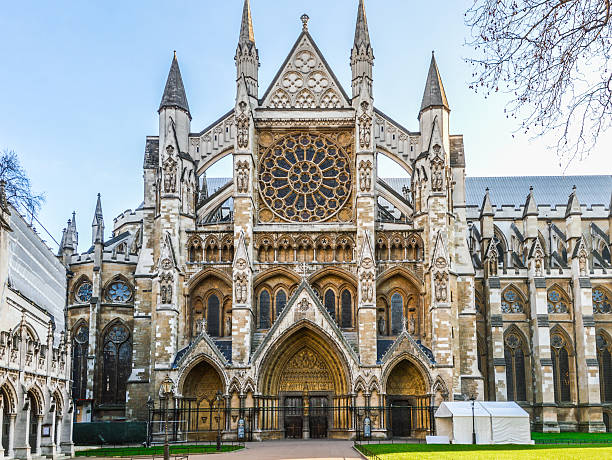
Cut first: the second major icon. Drop Westminster Abbey, Buckingham Palace interiors, or the British Museum if they turn the day into a proof-of-London exercise. The day should drop a second icon in favor of a flexible neighborhood hour when teenagers have already given you one good cultural morning.
This is the firm editorial call: do not stack Tower of London, Westminster Abbey, and the British Museum in one day with teenagers who already resist tours. Adults may see that as efficient. Teenagers often experience it as being marched through three different versions of “important.” The cost is not only tired legs. The mood turns transactional: one more stop, one more explanation, one more photo, one more promise that the next thing will be better.
A better day protects one icon and lets the rest of London work through streets. If the family wants a wider first-time London route on another day, use a separate overview such as Best of London private touring rather than compressing every symbol into the teenager-aware day.
Which London icon still earns teenage attention?
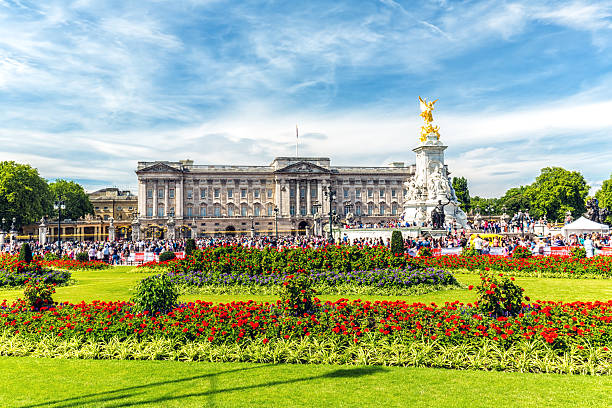
The Tower of London is the London icon most likely to hold resistant teenagers because it gives them stakes before it asks them for reverence. Westminster can be magnificent, but if a teenager is already guarded against tours, ceremony without tension can feel remote. Buckingham Palace is recognizable, but palace-front viewing rarely carries a full morning unless the family is already invested in monarchy, pageantry, or royal history. The Tower has a different advantage: it is enclosed, physical, dark in places, ceremonial in others, and full of status objects that make power feel visible.
Use the Tower as the serious morning anchor, not as a box to tick before racing west. The family consequence is important. If you rush the Tower, teenagers absorb the crowd, the queue drag, and the stone walls without the narrative payoff. If you overstay, the rest of the day becomes a recovery operation. The sweet spot is a focused visit that frames the site around power and spectacle: fortress, prison, execution, monarchy, jewels, ravens, river edge, and the way London turns violence into ceremony.
The most useful correction is counterintuitive: the Crown Jewels should not be the whole reason to go. They are often the easiest sell to adults because they sound unmissable, but with teenagers the stronger hook is the contrast between glitter and threat. The jewels land better when they are part of a story about image-making and power, not when they are treated as the grand finale of a queue. Check the official Tower of London visitor information before the day for current details, ticketing, and any operational changes: Tower of London official visitor information (https://www.hrp.org.uk/tower-of-london/).
The Tower also gives the family one clean body rhythm. Start with substance while everyone is fresh. Avoid making teenagers stand through a long outdoor preamble before entering. Do not promise “just one quick stop” and then spend half the morning on outer walls, chapel detail, and every royal anecdote. A private guide can tighten the story, choose the right moments to pause, and move on before the family starts associating history with being trapped.
After the Tower, leave the area decisively. St Katharine Docks can be a pleasant decompression if the family needs air, but it should not become a second mini-neighborhood chapter unless lunch is deliberately east. Tower Hill to the West End is not a romantic stroll; it is a transfer decision. This is where many family days go flat: they spend emotional energy navigating rather than choosing. For a teenager-aware plan, choose the next texture clearly, whether that is a chauffeured hop west, a direct Tube movement, or a taxi timed around lunch.
How to use style streets without turning London into a shopping day
Style belongs in this day as cultural context, not as a retail reward. Savile Row works for teenagers when it is framed as identity, craft, class, music, menswear, film, and the coded language of London presentation. It fails when adults turn it into “let’s browse properly” while teenagers wait outside boutiques pretending not to be bored.
The right style section should feel like reading the city. Savile Row gives the family tailoring and British restraint. Jermyn Street adds shirts, shoes, grooming, and the performative polish of St James’s. Carnaby changes the temperature: youth culture, retail spectacle, music-era London, and the move from establishment style to street-facing style. Marylebone, by contrast, is useful when the family needs a calmer, less performative style hour with independent-feeling streets, better breathing room, and a gentler approach to shops and cafés.
The tradeoff is time. A full shopping day can be excellent for a family with a clear buying brief, but this article is not that plan. Here, style is the hinge between history and evening. Keep the buying optional and the interpretation strong. If a teenager wants sneakers, records, tailoring references, fragrances, or vintage inspiration, the route can bend. If nobody wants to buy, the route still works because the streets explain status and taste without demanding transactions.
Premium shopping access does not fix a route that ignores teen energy. A private appointment can improve privacy, service, sizing help, and speed when there is a real purchase goal, but it will not rescue a day that has already asked teenagers to be polite through too many adult priorities. Spend more only where it changes the experience: a focused style specialist, a planned appointment with a purpose, a driver used for awkward transfers, or a guide who can pivot when the family’s attention changes.
For a deeper style-focused day, the more appropriate planning branch is London shopping private tours or the editorial guide to Savile Row and Jermyn Street style routing. For the teenager-aware day, keep style as a one-to-two-hour corridor. The point is not “shopping in London.” The point is letting teenagers see how a city uses clothing, streets, and storefronts to signal belonging.
Marylebone is the useful pressure valve. It should not replace Soho if music and West End are the desired finish, but it can replace part of Mayfair when the family is getting overloaded by polished retail. Marylebone’s advantage is not that it is more important. It is that the streets feel more human-scaled after the Tower and Mayfair. If the family has a younger sibling, a grandparent, or a teenager who dislikes luxury retail, Marylebone can keep the afternoon from becoming socially stiff.
A route that keeps teenagers from feeling managed
The route should move from stakes to style to sound to evening, with no more than one heavy transfer after lunch. A teenager-resistant London day is less about adding “teen things” and more about avoiding the feeling that the family is being managed through adult cultural obligations. The best plan has a clear emotional arc: the Tower gives danger and ceremony; Savile Row or Marylebone gives contemporary identity; Soho gives music, food, and street texture; the West End gives the evening a reason to stay awake.
A practical sequence looks like this. Begin at the Tower while attention is strongest. Leave before the site becomes a stone maze of diminishing returns. Transfer west for lunch or a short reset. Use Savile Row, Jermyn Street, or Marylebone as a style-reading hour. Move into Soho when the neighborhood begins to make sense as a late-afternoon place rather than a morning abstraction. Continue through Carnaby, a Denmark Street music-history moment, or a carefully chosen Soho food stop. Then let the West End arrive naturally instead of treating the theatre as a separate logistical problem.
London does something very specific to the body: it hides fatigue inside small transitions. A few Tube stairs, a crowded platform, a slow taxi edge around Piccadilly, a wet pavement pause, a bag check, a queue, and a crosswalk near Oxford Street can leave the group feeling more tired than the itinerary looks on paper. Teenagers may not say “the routing is inefficient.” They say they are hungry, bored, hot, cold, or done. The consequence is the same: attention collapses before the best part of the day.
That is why the day should not include a long museum afternoon after the Tower. The British Museum, National Gallery, or Churchill War Rooms can all be superb with the right family, but on this specific day they turn the rhythm back toward instruction. If a museum is non-negotiable, make it one sharp room, one theme, or one specialist hour, not a second anchor. For many families, the better choice is to save a museum for a rain pivot or for a separate morning when the adults are not asking style, music, and theatre to share the same day.
The mood consequence is just as important as the physical one. When the day keeps changing texture, teenagers feel that London is unfolding rather than being administered. When the day repeats the same mode of attention, even excellent places start to feel identical. A calm private guide can protect the family mood by ending a section while it is still working, not after everyone has admitted it is over. That is the difference between a day teenagers remember and a day they simply endure.
For families who want a less formal neighborhood lens, a “live city” branch such as London like a Londoner can be woven in carefully. The key is restraint. Do not add a market, a hidden courtyard, a record shop, three cafés, and a street-art detour just because they sound more teenage-friendly. Too many “cool” stops become another adult-designed checklist.
The Soho-to-West End transition is the day’s hinge
The Soho-to-West End transition should begin before the family is tired enough to negotiate every step. This is the micro-location that makes the whole article work. Soho is not just a neighborhood to “see”; it is the soft landing between daytime London and theatre-night London. If you enter it too early, it can feel closed, messy, or underpowered. If you enter too late, it becomes a crowded corridor everyone is trying to cross while hungry.
The best late-afternoon flow is deliberate. Use Carnaby as a brighter entry if the family needs energy. Use Denmark Street for music-history context if teenagers respond to bands, guitars, recording culture, or the idea of London as a place where scenes formed in small rooms above shops. Use Soho’s lanes for food, album-cover geography, nightlife history, and the changing boundary between polished Mayfair and louder central London. Then move toward the West End with a dinner or pre-theatre plan that does not require a heroic final transfer.
This is where London can either feel generous or punishing. A family that ends style time in Mayfair and then tries to decide dinner, theatre, taxis, and everyone’s outfit mood at once will often lose the evening. A family that treats Soho as the bridge arrives at the West End already oriented. The teenagers understand why the neighborhood matters. Adults get culture rather than compromise. The theatre is not a bribe at the end of the day; it is the visible next chapter.
Do not over-romanticize Soho with teenagers. It is a working central district, not a perfectly curated open-air museum. Some lanes are crowded, some edges are uneven, and the area changes tone quickly from afternoon to night. That is exactly why it needs judgment. The right guide chooses a few stories and streets, then keeps the group moving toward the evening. The wrong version turns Soho into a shapeless wander and then wonders why the family is tense before curtain time.
If the day includes a West End show, connect the afternoon to the theatre district early enough that no one is checking maps in a crowd. For a more theatre-heavy version of the day, see the London theatre-and-sightseeing sequencing guide: Covent Garden, Westminster and West End without backtracking. For this article’s narrower plan, the theatre finish works because Soho has already moved the family from sightseeing mode into evening mode.
Age-band reality: younger teens, older teens, and mixed siblings
The same route should flex by age band, because a thirteen-year-old and a seventeen-year-old may resist the same tour for different reasons. Younger teenagers often resist being talked down to. Older teenagers resist being over-managed. A mixed-sibling family can trigger both problems in the same hour.
For ages twelve to fourteen, keep the Tower vivid and concrete. Use objects, threat, ceremony, and human decisions. Avoid long dynastic explanations unless the teenager asks. The style section should be observational: what do different streets signal, why does tailoring matter, why does Carnaby feel different from Savile Row, and how does London sell identity? Younger teens usually need more food timing and fewer “just a few more minutes” promises.
For ages fifteen to seventeen, give more agency. Ask whether the style thread should lean tailoring, music, streetwear, fragrance, photography, or food. Let them choose between Savile Row and Marylebone if both fit the day. Give them context that does not sound like a classroom: how cities manufacture scenes, how music districts become real estate stories, how luxury streets can feel both powerful and exclusionary, and why the West End is a practical geography as much as a theatre brand.
For families with younger children in tow, this is not a stroller-first day. It can be done with a younger sibling, but not by pretending the younger child’s needs are invisible. Stroller logistics around Tube stairs, crowded Soho pavements, and theatre-night movement can become the hidden stressor. If a stroller is involved, reduce the Tower depth, use more direct transfers, and cut either Mayfair or a music-history detour. The teenager should not feel that the day has been diluted for a younger child, and the younger child should not be dragged through a long adult street lecture.
For multigenerational groups, the best compromise is not adding more famous sights for the grandparents. It is making each section more legible. Grandparents often appreciate the Tower’s historical weight, adults appreciate style and food, and teenagers appreciate the shift toward Soho and the West End. The guide’s job is to keep those interests braided, not to make every stop equally long for everyone.
The honest return-leg logic matters. If the family is staying in Mayfair, Marylebone, Covent Garden, or Soho, the evening can finish with a relatively easy walk or short ride. If the hotel is in South Kensington, Chelsea, or farther west, theatre-night return fatigue must be considered before adding a late dinner after the show. If the family is staying east after a West End evening, do not pretend the return is trivial. The day should end with a known plan, not a tired debate outside the theatre.
Where private guidance changes the day, and where it does not
Private guidance changes this day most when the family needs live judgment, not when it simply wants more facts. A teenager-aware guide can compress the Tower without flattening it, make Savile Row interesting to someone who does not shop there, recognize when Soho needs a faster or slower pace, and pivot before the family dynamic hardens. That is difficult to get from a fixed public tour or a self-guided route.
The most valuable private-tour moment is the pivot between cultural depth and teen attention. Suppose one parent wants the Tower treated seriously, another wants style streets, one teenager wants music history, and another is mostly waiting for the show. A private guide can shift tone without splitting the family: more story at the Tower, less standing outside shops, a music cue in Soho, a food pause before moods drop, and a theatre arrival that feels calm. That is the natural planning handoff for Orange Donut Tours: Inquire now.
Where does extra spend help? It helps with a guide who can customize tone, with a driver used only for transfers that would otherwise break the day, with a carefully chosen pre-theatre meal, and with shopping support when there is a genuine purchase or styling goal. It helps less with performative upgrades that do not solve the route. A luxury car sitting in central traffic while the family is hungry is not luxury in any meaningful sense. A private shopping appointment with no teenager buy-in is not a gift; it is a more polished version of waiting.
Use a chauffeur selectively. Tower to the West End or Mayfair can justify a private vehicle if the family values door-to-door ease, has older relatives, is carrying shopping, or wants to avoid a Tube reset. But once the family is in Soho and the West End, walking often wins. Cars can become awkward in the densest central streets, especially when short distances are slower by road than by foot. The best premium plan knows when not to drive.
Private guidance also helps protect the adult experience. Teenager-aware does not mean adult-lite. The Tower can still be intellectually satisfying. Savile Row can still be serious. Soho can still carry music, migration, media, nightlife, and urban-change context. The difference is that the guide chooses the form of attention carefully. Adults get substance; teenagers do not feel trapped inside substance.
Food, theatre, and the late-afternoon decision that saves the evening
The day should decide dinner geography before it decides dinner ambition. A tasting-menu-level evening can be wonderful on a London trip, but it is rarely the best continuation of a Tower-style-Soho-West End day with teenagers unless the teenagers are genuinely interested in that meal. The more reliable plan is a pre-theatre dinner or a post-show plan that matches the family’s energy and hotel location.
If the family wants a special meal, place it on a different night or reduce the touring day. A serious restaurant after the Tower, style streets, Soho, and a show can become a test of endurance rather than a pleasure. For adults building a separate food-and-wine evening, verify current details directly with the restaurant; for example, Ikoyi menu & reservations (https://www.ikoyilondon.com/) is the right source for that restaurant’s current information. Do not build the teenager-aware touring day around a fragile dining assumption unless the meal is the family’s main event.
Pre-theatre food should be close enough that the family does not spend the most delicate hour of the day in transit. Soho, Covent Garden, and the West End are practical not because they are universally superior, but because they reduce decision fatigue. A slightly less ambitious meal in the right geography often beats a better table that requires a stressful ride, a hurried exit, or a late return after everyone is already overstimulated.
Weather pivots should also be planned by geography, not panic. If rain arrives after the Tower, do not automatically add a major museum. Use a covered style stop, a shorter Marylebone branch, a focused gallery hour, or an earlier food pause. If heavy rain hits Soho, keep the music-history piece tighter and move sooner toward the theatre area. London rain is rarely just about getting wet; it changes walking speed, phone use, taxi availability, and the patience teenagers have for explanations delivered under umbrellas.
The cut-first rule remains the same: protect the evening by cutting the second icon, not by cutting the transition. Families often sacrifice the flexible neighborhood hour because it looks optional. With teenagers, that hour is what makes the day feel chosen rather than imposed. Cut another monument before you cut the Soho-to-West End transition.
A sample day shape for teenagers who say they do not like tours
A strong version of this day begins with the Tower, moves west for a style-reading afternoon, then lets music history carry the family into the West End. This is not a rigid itinerary; it is a sequence of textures that should be adjusted around hotel location, show time, restaurant plans, weather, and the teenagers’ actual interests.
- Morning: Tower of London as the one serious cultural anchor. Keep the story focused on power, danger, ceremony, and the objects that make monarchy visible.
- Late morning or early lunch: Leave the Tower area cleanly. Do not drift into a second eastern chapter unless the family has deliberately chosen that plan.
- Early afternoon: Savile Row, Jermyn Street, or a Mayfair edge for style context. If the family needs a softer version, use Marylebone instead of a longer luxury-retail sweep.
- Mid-afternoon: Optional short reset. This can be food, coffee, a hotel pause if geographically sensible, or a quieter street section. Do not fill the pause with another attraction just because there is time.
- Late afternoon: Soho, Carnaby, and a music-history thread. Keep it selective: a few streets, a few stories, and enough space for teenagers to look around without being narrated at constantly.
- Evening: West End show, pre-theatre dinner, or a family meal placed close to the theatre district. The end of the day should feel already connected, not newly negotiated.
This shape also explains why the plan differs from younger-child London. It does not rely on toy-like attractions, fictional-world framing, or constant snack bribery. Harry Potter can absolutely belong in a London family trip when it is the real priority, but this article’s route solves a different problem: teenagers who resist the very idea of being toured, yet still need London to feel culturally worth their time. If Harry Potter is the family’s central question, that is a separate planning decision rather than a small add-on to this day.
The plan also differs from an adult luxury shopping day. It borrows style streets because they explain London, not because the family must buy. It borrows theatre geography because it gives the day a destination, not because every teenager automatically loves musicals. It borrows music history because Soho’s cultural charge can keep the afternoon alive, not because every stop must become a fandom pilgrimage.
For a broader multi-day London plan, use this day as the “teenage resistance” day, then place heavier museum depth, royal history, or day trips elsewhere. A family can still have Westminster Abbey, the British Museum, Windsor, Greenwich, or the National Gallery in the trip. The mistake is forcing them all into the same day and then blaming teenagers for losing interest.
FAQ
What is the best London icon for teenagers who resist tours?
The Tower of London is the best single icon for many resistant teenagers because it combines power, danger, ceremony, architecture, and visible objects in one contained site. It usually works better than stacking several famous sights in one day.
Should we take teenagers to Buckingham Palace on this kind of London day?
Buckingham Palace should usually stay short or be saved for another context unless the teenager is genuinely interested in monarchy or ceremony. For this specific day, the Tower of London gives stronger narrative payoff.
How do we include Savile Row without making the day all about shopping?
Use Savile Row as a style and culture stop, not a buying mission. A guide can explain tailoring, status, music links, and British presentation while keeping the stop short enough that teenagers do not feel parked outside shops.
Is Soho good for teenagers in London?
Soho can be excellent for teenagers when it is placed in late afternoon and handled selectively. It works best as a music, food, street-culture, and West End transition rather than as a long unstructured wander.
Should we add the British Museum after the Tower of London?
Usually not on this day. The British Museum is better as a separate focused visit, because adding it after the Tower often creates a second heavy cultural block and increases tour resistance.
Can this route work with younger siblings?
Yes, but the route should be shortened and the transfers made easier. With younger siblings or a stroller, reduce the style corridor, avoid overlong Soho wandering, and keep the theatre-night return plan simple.
Where should late afternoon flow before a West End show?
Late afternoon should flow through Soho toward the West End. That keeps dinner, theatre, and return logistics connected and prevents the evening from becoming a separate stressful transfer.
When should we cut a second London icon from the day?
Cut the second icon when the Tower has already done the serious cultural work and the family still wants style, music, dinner, or theatre. A flexible neighborhood hour will usually preserve the day better than another famous interior.
The final planning judgment
For teenagers who resist tours, the best London day is not the one with the most famous names. It is the one with the strongest arc. Put the Tower of London first as the serious icon. Use Savile Row, Marylebone, or a Mayfair edge to make style feel like city literacy rather than shopping pressure. Let Soho carry the music-history and street-energy handoff. Finish through the West End so the day has a reason to gather itself at night.
That structure gives adults substance and teenagers room to stay curious. It also gives a private guide something meaningful to do: adjust depth, change texture, manage transfers, and keep the family together without pretending every traveler has the same attention span. London can absolutely work for teenagers who say they do not like tours. It just has to stop behaving like a list.
If you’re interested in any private tours of London, please reach out to us.
















 So if you are looking for the absolute best in London & surroundings with authentic local fully-licensed native guides whose English you can actually understand and with an exclusive and amazingly fun itinerary













