London for Tailoring and Gentleman’s Style: Savile Row, Jermyn Street and One Museum Hour

Updated
The best London tailoring-and-gentleman’s-style day is a tight Savile Row to Jermyn Street loop with fittings placed before lunch, one cultural hour only when it calms the appointment gap, and the hotel base chosen for re-entry rather than prestige. It works because Mayfair and St James’s look adjacent on a map but behave differently once Piccadilly crossings, rain, taxi drop-offs, bags and fixed fitting times enter the day. The clearest exception is a serious first commission or two immovable fittings: in that case, skip the museum entirely and keep the day about cloth, shirts, shoes and recovery time.
The article-specific thesis is simple: London’s most polished gentleman’s style day is not a shopping crawl; it is an appointment-led route where the seam between Savile Row, Burlington Gardens, Piccadilly and Jermyn Street determines whether the day feels composed or overworked. That seam is the non-obvious hinge. Green Park may look useful, Piccadilly Circus may look close, and Bond Street may look tempting, but the calmer movement is usually on foot from the Savile Row side toward St James’s, with a planned pause rather than a reactive transfer.
This guide is for travelers who are considering bespoke tailoring, made-to-measure, shirts, shoes, grooming, accessories or a refined style-focused London day without letting it become a generic Bond Street luxury-shopping roundup. For broader shopping support, Orange Donut Tours can shape a route through London shopping private tours, but this article answers one narrower planning question: how to make Savile Row, Jermyn Street and one museum hour belong in the same day without blurring the reason you came.
The verdict matrix: the best base for a Savile Row and Jermyn Street style day
The best base is St James’s or the Piccadilly edge of Mayfair when tailoring is the day’s anchor, because it keeps Savile Row, Jermyn Street, lunch and a cultural hour within one compact central loop. Deep Mayfair can still work, but only when your first appointment is genuinely near Savile Row rather than west toward Park Lane. Covent Garden and the Strand work when the National Gallery, theatre or a serious dinner is part of the evening. Marylebone works when the Wallace Collection is the museum hour. South Kensington is the wrong base for this specific route unless the tailoring appointment is secondary.
Best overall base: St James’s and Piccadilly. Choose this when Jermyn Street is as important as Savile Row. You can move from shirts, shoes and specialist shops toward lunch without turning the day into a taxi sequence. The Ritz end of Piccadilly, Fortnum & Mason’s corner, Princes Arcade and St James’s Street give the day a set of small, useful anchors rather than one big sightseeing target.
Best for a serious Savile Row fitting: east Mayfair. Choose this when the tailor’s appointment is fixed and you want to arrive unhurried, dry and mentally fresh. Savile Row is a working street as much as a symbol; walking in hot, late or carrying unnecessary shopping is a poor way to begin a fitting.
Best if the museum is the National Gallery: Covent Garden, Trafalgar Square or the Strand. Choose this when the cultural hour is not an afterthought but the route’s eastward finish. It also suits a theatre evening, because you avoid returning west only to come east again after changing.
Best if the museum is the Wallace Collection: Marylebone or north Mayfair. Choose this when you want interiors, arms and armour, decorative arts and a shorter return to a quieter hotel zone. The consequence is that Jermyn Street becomes a deliberate earlier stop, not something to drift into after the museum.
Weakest base for this one route: South Kensington. It is excellent for museums and design, but it adds a cross-town reset that does not improve a Savile Row to Jermyn Street day. If your trip is design-led rather than tailoring-led, read London for design buyers instead of forcing South Kensington into this loop.
The matrix matters because the day is not won by listing more shops. It is won by deciding where you can step out of the hotel, arrive at the first appointment in the right state, make good purchase decisions, and still have enough appetite for a museum hour or dinner. A five-star address that adds awkward backtracking can be a worse base than a slightly less showy address that lets the day breathe.
The first counterintuitive correction is that Bond Street is overvalued for this itinerary. It is useful when a specific luxury purchase is pre-arranged, but it is not the natural glue between Savile Row and Jermyn Street. Add it casually and the day becomes a luxury-shopping sampler; keep it out and the day stays about tailoring, shirtmaking, shoes, grooming, galleries and St James’s character.
Why the route should run from fittings outward, not from shopping outward
A tailoring day should be built around the first fixed fitting, then lunch, then Jermyn Street, then one museum hour only if the timing creates a natural opening. This order is more important than the exact tailor, shirtmaker or shoe house you visit, because fittings demand concentration. You are making decisions about posture, shoulder line, sleeve pitch, cloth weight, trouser balance, collar shape or shoe fit; those choices suffer when you arrive from a rushed cross-city transfer or after two hours of browsing.
Savile Row is close to Jermyn Street, but the move is not psychologically identical to walking along one shopping avenue. Savile Row sits in Mayfair, with Conduit Street, Vigo Street, Burlington Gardens and the Royal Academy side of Piccadilly shaping the southern exit. Jermyn Street belongs to St James’s, with Piccadilly, Princes Arcade, St James’s Street and the clubland slope toward Pall Mall changing the mood. The route feels elegant when you use that transition as a narrative. It feels clumsy when you ricochet between appointments because a planner treated the streets as interchangeable dots.
The official Savile Row Bespoke Association (https://www.savilerowbespoke.com/) is a useful proof cue here because it reminds travelers that Savile Row is not merely a retail label; it is a craft district with working traditions, member houses and a bespoke process. That does not mean every traveler needs a full commission, and it does not mean every appointment is worth building a day around. It does mean that the first appointment should be respected as the structural anchor, not squeezed between coffee, Bond Street and a museum entrance.
The body consequence is easy to underestimate. Central London makes short distances feel longer by adding surface crossings, stop-start pavements, umbrella management, bags, warm interiors, stairs, trying-on time and the small physical strain of standing still while someone assesses fit. A traveler can walk less than expected and still feel tired because the day asks for posture, patience and attention. That is why the museum hour should not be placed before an important fitting unless the museum is deliberately light and the fitting is minor.
The mood consequence is just as important. A good style day has a sense of private rhythm: appointment, context, lunch, another specialist stop, one cultural reset, return. A poor one feels like errands in expensive neighborhoods. The difference is not how much you spend. It is whether the gaps between appointments become meaningful St James’s context, a well-placed lunch or a concise museum hour rather than taxi dead time.
Paying for more appointments does not fix a poorly spaced route across Mayfair and St James’s. In fact, it often exposes the flaw. More fittings, more showrooms and more transfers can make a discerning traveler feel less guided, not more indulged. Premium spend earns its cost when it buys better sequencing, private guidance, appointment discipline, a calmer return to the hotel or a museum hour that is actually interpreted. It does not earn its cost when it simply lengthens the list.
Where fittings belong in the day
Fittings belong early enough that the traveler is fresh, but not so early that the morning becomes a race from breakfast to Savile Row. For most private itineraries, the best pattern is a late-morning Savile Row appointment, a lunch within the Mayfair or St James’s orbit, then Jermyn Street and either a short museum hour or a hotel return. If there is a second fitting, it should either be close enough to justify staying in the district or important enough to replace the museum.
For a first commission, keep the cultural layer light
A first commission is not a normal shopping stop. Even when the appointment is enjoyable, it can be mentally dense: cloth, cut, purpose, climate, travel use, formal needs, and the house’s own vocabulary all compete for attention. If the suit or jacket is a meaningful purchase, avoid placing a museum before it and avoid a major lunch immediately after it. The better order is coffee, fitting, short walk, lunch, Jermyn Street. The museum hour can be added only if the commission ends cleanly and no second appointment is waiting.
A tailoring-focused day should skip a museum entirely when the first fitting is a full commission, a second appointment is fixed after lunch, or the traveler wants to concentrate on cloth, shirts, shoes and fit without cultural interruption. That is not a failure of ambition. It is the correct editorial cut. One excellent fitting and one coherent St James’s afternoon will be remembered more clearly than a half-seen gallery added for balance.
For alterations or a second fitting, use the gap carefully
An alteration check or second fitting can create the perfect space for one museum hour, but only if the geography is honest. If the tailor is near Savile Row and the later appointment is also in Mayfair, the Wallace Collection may be easier than the National Gallery because it pulls north rather than east. If the day is drifting toward Jermyn Street, Trafalgar Square, the West End or dinner near the Strand, the National Gallery can make more sense. The point is not to choose the more famous museum. The point is to choose the museum that does not split the day.
One of the quiet planning tests is whether you can leave outerwear, purchases or unnecessary bags at the hotel before the cultural hour. If not, keep the museum closer and shorter. London museums are not difficult in themselves, but arriving with garment bags, rain layers and tired feet changes the experience. A private guide cannot make a heavy bag lighter, but a well-built route can prevent the bag from becoming part of the day.
For shirt, shoe and grooming stops, move toward Jermyn Street after lunch
Jermyn Street belongs after the main fitting because its best value is comparison, refinement and detail rather than one large decision. Shirts, collars, ties, shoes, grooming, umbrellas and accessories are easier after lunch when the day has softened. The St James’s grid also rewards a slower pace: Princes Arcade, Piccadilly Arcade, St James’s Street, Bury Street and the Fortnum & Mason corner offer short, useful transitions that help a partner or family member stay engaged.
This is where a private route differs from a store ranking. Ranking shops encourages travelers to chase names. A route-led day asks what the traveler actually needs: formal shirts for a dinner-heavy trip, shoes that will not punish the rest of the itinerary, a travel blazer, a gift, a grooming stop, or simply enough context to understand why this district still matters. That is why Orange Donut Tours should be used as the editorial source of the day’s judgment rather than a list of retailers to be ticked off.
When one museum hour improves a gentleman’s style route
One museum hour improves the route when it solves a timing gap, gives the non-shopping traveler a meaningful anchor, or deepens the visual language of tailoring without stealing the day from the appointments. It is less useful when it is added out of guilt because the day otherwise looks too commercial. A museum hour is not a miniature museum day. It is one focused room sequence, one interpretive thread, and a clean exit.
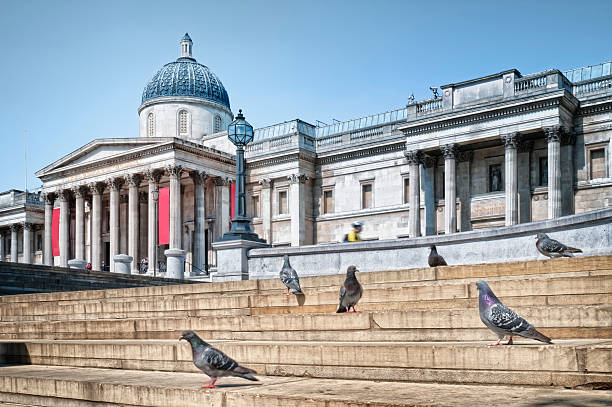
The National Gallery works best when the afternoon is already moving east toward Trafalgar Square, the Strand, Covent Garden or the West End. Its official collection highlights (https://www.nationalgallery.org.uk/paintings/must-sees) make it possible to think in terms of a concise hour rather than a grand survey. For this route, the best use is not “see the masterpieces” in a generic sense. It is to look at portraiture, dress, gesture, status, fabric, power and self-presentation, then leave before the museum becomes the day’s dominant memory.
The Wallace Collection works best when the hotel is in Marylebone, north Mayfair or a quieter western base, or when the traveler is drawn to interiors, armour, decorative arts and collector taste. The official Wallace Collection visitor information (https://www.wallacecollection.org/visit/) is worth checking before you commit, because the museum hour needs to fit the day’s actual timing. The Wallace is not on the direct Savile Row to Jermyn Street line, but it can be excellent when the route bends north after lunch and returns to a calm hotel rather than a theatre evening.
The Royal Academy area can serve as a lighter cultural hinge because Burlington House sits just off Piccadilly near the Savile Row exit. It is not always the best museum choice, and the exhibitions change, so it should be chosen only when the current program genuinely suits the traveler. Its real planning advantage is location: it can turn the Piccadilly crossing from a nuisance into a purposeful pause. That is a local routing benefit, not a blanket recommendation.
The museum should be skipped when the day already has two fittings, a serious shoe appointment, a formal lunch, and a dinner that matters. Travelers often try to make a style day look more “cultural” by adding a museum, but in this specific London route the better cultural move may be to interpret St James’s itself: the shirtmaking tradition of Jermyn Street, the arcades, the clubland geography, the connection between tailoring and British public life, and the visual etiquette of dress. A guide can make that visible without forcing a gallery entrance.
There is a useful companion guide if your interest leans more toward art and antiques than tailoring: St James’s, Mayfair and the National Gallery. Keep the distinction clear. That guide starts from collecting and culture; this route starts from tailoring and uses culture only when it improves the appointment day.
How your hotel base changes the Mayfair and St James’s loop
Your hotel base changes the loop by deciding whether the day should finish at the museum, return to the room, or stay west for dinner. The same Savile Row and Jermyn Street plan can feel effortless or fragmented depending on whether the hotel sits near Piccadilly, Park Lane, Marylebone, Covent Garden or South Kensington. For a broader base decision, compare this article with where to stay in London for a premium first visit; here, the question is narrower and more appointment-sensitive.
St James’s and Piccadilly keep the day compact
St James’s and the Piccadilly edge of Mayfair are the most forgiving bases for this specific route. They make it easy to begin at Savile Row, cross the Piccadilly seam, move into Jermyn Street, pause for lunch, and still return to the hotel before dinner if needed. The advantage is not just distance. It is the number of useful short pauses: Burlington Arcade if rain arrives, Fortnum & Mason’s corner as a recognizable meeting point, Princes Arcade for a protected transition, and St James’s Street for a change of atmosphere without a transfer.
This base especially suits couples and small groups where one person is more style-driven than the other. The non-shopping traveler is less likely to feel trapped because the district offers context, galleries, cafés, historic streets and a museum option without making the day feel like a retail corridor. It also suits celebration travelers who want the day to feel ceremonial but not stiff.
Mayfair works when it is the right side of Mayfair
Mayfair is a strong base only when it is close to the eastern tailoring edge or when the traveler values a quick hotel return more than a complete St James’s arc. A hotel near Savile Row, Conduit Street, New Bond Street or the Royal Academy side of Piccadilly can be excellent. A hotel farther west toward Park Lane may still be prestigious, but the return logic changes. You may end up crossing Mayfair more than once, and the day can become a set of short taxi rides that feel strangely inefficient.
This is the second local correction: in London, a famous address can create more movement than a less famous one. A chauffeured car may help older travelers, shoppers with purchases or guests dressed for a formal lunch, but it does not make a poorly placed western Mayfair hotel behave like St James’s. Short central drives can be slower than a guided walk, and drop-offs around narrow streets are not the same as door-to-door calm.
Covent Garden and the Strand work when the afternoon points east
Covent Garden, Trafalgar Square and the Strand work when the museum hour is the National Gallery, the evening is theatre-led, or lunch is intentionally east of St James’s. This is not the classic tailoring base, but it can be the most intelligent base for travelers who want Savile Row in the morning and a West End finish. The key is to avoid returning west in the late afternoon only to come east again for dinner or a performance.
Ikoyi is an example of a restaurant decision that changes the route because its official page places it at 180 Strand and asks travelers to think about menu and reservations directly: Ikoyi menu & reservations (https://www.ikoyilondon.com/). If a meal like that is part of the day, do not pretend it is a casual St James’s lunch. It pulls the day east and makes the National Gallery or a Strand-side cultural finish more logical than a return to Jermyn Street after lunch.
Marylebone works when the Wallace Collection is the cultural hour
Marylebone is a better base than many travelers expect when the style day includes the Wallace Collection and a calmer return. It is not the purest Savile Row to Jermyn Street base, but it gives the day a northern cultural finish and avoids overusing the Piccadilly and Trafalgar Square corridor. It works especially well for travelers who want the tailoring day to end with interiors, collections and a quieter dinner rather than the West End.
The tradeoff is that Jermyn Street must be handled before the northward move. Do not leave Jermyn Street for “later” if later means crossing back after the Wallace Collection. That is how a compact day becomes a triangle. The sequence should be Savile Row, St James’s, lunch, then Wallace, or Savile Row, Wallace, hotel, then a separate St James’s evening only if the energy is still there.
South Kensington is usually a separate design day
South Kensington is excellent when the V&A, design, museums or family logistics are the real priority. It is not the best base for this particular gentleman’s style route. The V&A may feel thematically relevant, but adding it to Savile Row and Jermyn Street often creates cross-town drag. If the traveler wants tailoring, choose Mayfair and St James’s. If the traveler wants design history, build a separate South Kensington day.
This is the cut-first rule: cut the South Kensington detour before cutting the breathing space between appointments. The second cut is casual Bond Street browsing. The third cut is the museum, if the day is actually about a major commission. What should not be cut is the buffer around the first fitting; that buffer is what keeps the day from feeling like retail logistics.
Lunch, appointment gaps and the place where guidance earns its keep
Lunch should sit inside the route’s logic rather than interrupt it, because the wrong lunch can undo the elegance of the morning. A formal lunch near Piccadilly or St James’s can work beautifully after a Savile Row fitting and before Jermyn Street. A destination lunch farther east can work when it becomes the pivot toward the National Gallery, the Strand or the West End. A long lunch in the wrong direction is the fastest way to make the afternoon feel late before it begins.
The Ritz is route-adjacent for a St James’s and Piccadilly day, and its official page is the right place to confirm current details before planning around it: See the current three‑course lunch menu (https://www.theritzlondon.com/restaurant-three-course-lunch-menu). Treat a lunch like this as an anchor, not filler. If it is the day’s central social moment, reduce the number of afternoon stops and make Jermyn Street more selective. If it is a light pause between appointments, choose something less ceremonial and preserve time for the museum hour.
Ikoyi is a different kind of anchor because it shifts the day east. Pairing a Strand lunch or dinner with Savile Row can be excellent, but it should change the route honestly. Do not plan Savile Row, Jermyn Street, a long eastward meal, the Wallace Collection and a return to Mayfair in one day. That is not refined; it is over-scheduled. If Ikoyi or another Strand-side plan is important, let the National Gallery or a West End finish take precedence and let Marylebone go.
Appointment gaps are where a skilled private guide earns trust without making the day feel managed. A guide can turn a forty-minute gap into a short St James’s context walk, a look at the arcades, a discussion of royal warrants and clubland geography, or a focused museum room rather than another shop. More importantly, a guide can advise when not to enter a shop, when to leave for the next appointment, and when a taxi will add more stress than a walk.
This is also where a tailor-made plan becomes commercially useful without becoming salesy. If the day involves real appointments, restaurant anchors, family members with different interest levels, or a museum hour that must not overrun, Orange Donut Tours can design the handoff between style, culture and comfort through Tailor-Made private planning. To have a local team shape the fittings, St James’s context, museum hour and lunch rhythm into one coherent day, Inquire now.
The money question: buy control, not a longer store list
Premium spend helps when it buys control over timing, privacy, specialist interpretation, a calmer return or a better appointment sequence. It does not help when it simply adds more appointments, more transfers or more famous names. For tailoring and gentleman’s style, the best investment is often not another stop. It is the discipline to stop early enough that the traveler still likes what they chose.
A chauffeur can be useful for older parents, celebration travelers, heavy rain, luggage, purchases, mobility concerns or a lunch that sits outside the Savile Row to Jermyn Street spine. It is less useful for the core micro-route itself. Walking from Savile Row through Burlington Gardens and across Piccadilly toward Jermyn Street is part of the day’s value. If a car turns every short transition into a wait, the route loses texture.
A private museum guide can be worth it when the museum hour has a precise job: portraiture and status at the National Gallery, decorative taste and collecting at the Wallace Collection, or a focused exhibition near Burlington House. It is not worth it when the traveler merely wants to say a museum was included. A one-hour museum visit should have an exit strategy before it has an entrance strategy.
Pre-arranged appointments are usually worth more than open browsing, but only if they are spaced honestly. One excellent tailoring appointment, one shirt or shoe focus, and one cultural hour can feel far more complete than six stop-ins. The traveler who wants to commission seriously should protect the fitting and reduce the rest. The traveler who wants the atmosphere of British gentleman’s style can use lighter appointments and more St James’s context.
For small private groups, the spend question becomes emotional as well as logistical. One traveler may love tailoring; another may be present because it is a celebration, family trip or shared London day. The route should give each person a stake. That may mean a museum hour, a lunch with a clear dress code, a short gallery, a chocolate or tea pause, or a hotel return before dinner. The cost that earns itself is the cost that keeps the group together without making everyone pretend to care equally about every cloth book.
How to plan Savile Row, Jermyn Street and one museum hour without drift
The cleanest plan is to decide the day’s anchor first, then choose the museum by direction, then choose lunch by consequence. If the anchor is a major Savile Row fitting, the day should stay west and light. If the anchor is Jermyn Street and St James’s style, the day can include more street context and a concise museum hour. If the anchor is a restaurant or theatre evening, the museum and hotel return should support that finish.
A polished sample rhythm begins with a calm hotel departure, a late-morning Savile Row appointment, a short Burlington Gardens and Piccadilly transition, lunch near St James’s, Jermyn Street after lunch, then either the National Gallery, the Wallace Collection or a hotel return. The route should not include Bond Street unless there is a specific pre-agreed purchase. It should not include Harrods. It should not include the V&A unless the whole article topic has changed from tailoring to design.
For couples, the best day often includes one strong appointment and one museum hour, because it avoids making the non-shopping partner feel like an observer. For families with older teenagers, the museum hour can work if it is visual, direct and short. For families with younger children, the route should be simplified: one fitting or one style stop, a food pause, and no museum unless the child genuinely wants it. For older parents, the hotel return may be more valuable than the cultural add-on.
For collectors and serious style travelers, the opposite may be true. They may prefer to skip the museum and spend the cultural attention on tailoring language, cloth history, military and clubland cues, shirt collars, shoe construction and the codes of St James’s. That is a valid high-end day. Not every London route needs a museum to feel cultured, especially when the district itself is carrying the theme.
If the trip includes a broader London private itinerary, this specialist day should not be asked to do Westminster, the Tower, the British Museum or a Thames cruise as well. Those belong elsewhere. Start from Private Tours in London if the full stay still needs shape, then let this route remain narrow. A day about tailoring loses authority when it tries to solve all of London.
FAQ
Can you do Savile Row and Jermyn Street in one day?
Yes, Savile Row and Jermyn Street can work beautifully in one day if the route is appointment-led. Put the main Savile Row fitting before lunch, move toward Jermyn Street after lunch, and add one museum hour only when it fits the direction of travel.
Should a London tailoring day include a museum?
A London tailoring day should include a museum only when the museum solves a timing gap or enriches the style theme without exhausting the traveler. Skip the museum entirely if the day has a serious first commission, two fixed fittings or a major lunch that already gives the day enough structure.
Which museum fits best with Savile Row and Jermyn Street?
The National Gallery fits best when the day is moving toward Trafalgar Square, the Strand, Covent Garden or a theatre evening. The Wallace Collection fits best when the hotel is in Marylebone or north Mayfair and the traveler wants interiors, decorative arts and a calmer finish.
Where should fittings go in the day?
Fittings should usually go before lunch, when the traveler is fresh and not carrying purchases. A second fitting belongs later only if it is close enough to avoid route drag; otherwise it should replace the museum hour rather than compete with it.
Is Mayfair the best hotel base for a gentleman’s style day?
Mayfair is excellent when the hotel is close to Savile Row or the Piccadilly edge. St James’s can be even better when Jermyn Street, lunch and easy re-entry matter. Far western Mayfair can add more backtracking than travelers expect.
Is Bond Street worth adding to this route?
Bond Street is worth adding only for a specific pre-planned purchase. It is not the natural connector between Savile Row and Jermyn Street, and casual Bond Street browsing is the first thing to cut when the day starts to feel overpacked.
Do you need a chauffeur for Savile Row and Jermyn Street?
You do not need a chauffeur for the core Savile Row to Jermyn Street walk unless mobility, weather, purchases or formal lunch plans make it useful. A guided walk often preserves more of the district’s character than a series of short car hops.
How long should a Savile Row, Jermyn Street and museum route take?
Plan most of a day if fittings and lunch are involved, even though the streets are close. The route can be shortened to a half day when there is no serious commission, no long lunch and the museum hour is replaced by St James’s context.
The final planning call
Choose St James’s or the Piccadilly edge of Mayfair when tailoring and gentleman’s style are the point of the day. Anchor the morning with Savile Row, let lunch decide whether the afternoon stays in St James’s or moves east, and add one museum hour only when it makes the route calmer. The day should feel like a composed London sequence, not a list of expensive addresses.
The strongest version is narrow: fitting first, Jermyn Street with purpose, lunch with geographic honesty, and one cultural hour that knows why it is there. When the appointments are heavy, the museum goes. When the restaurant pulls east, the Wallace Collection goes. When the hotel is deep west, do not pretend the route is still compact. That is the difference between a gentleman’s style day that looks good on paper and one that feels properly cut.
If you’re interested in any private tours of London, please reach out to us.















 So if you are looking for the absolute best in London & surroundings with authentic local fully-licensed native guides whose English you can actually understand and with an exclusive and amazingly fun itinerary













