Seville After a Jerez Sherry Day: Triana, Hotel Reset or a Light River Evening

Updated
After a Jerez sherry day, the best Seville evening is usually a short Triana return, not a second ambitious food or culture plan. It works because the journey back, tasting rhythm, bodega air, lunch timing and Seville’s old-town walking pattern all arrive in the body at once. The clearest exception is a hot day, a later return or an early departure next morning: then the hotel reset is the more polished choice. The thesis is simple and very Seville-specific: after Jerez, the evening should sit on the west side of the river or dissolve beside the Guadalquivir, because crossing back into dense Santa Cruz often turns a graceful wine day into an endurance plan.
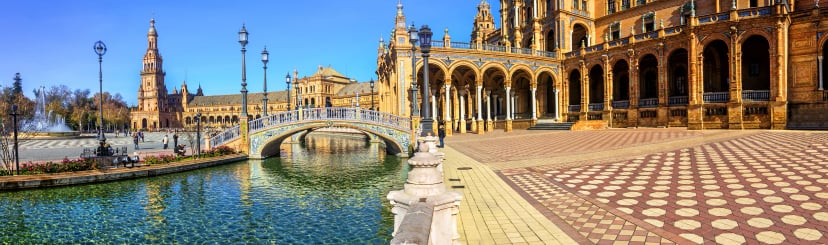
The non-obvious hinge is the Puente de Isabel II, often called Triana Bridge. If your driver or train return places you near the river edge, Triana can feel like a continuation of the sherry day rather than a new outing. If you force the evening through Cathedral-side lanes, Plaza Nueva, Santa Cruz and another reservation, the same hour can feel like a restart. For planning the full day, the Jerez portion belongs with the return evening, not as a sealed box that ends at the winery door. Orange Donut Tours can shape the day around that handoff through a private Jerez winery day from Seville.
The body consequence is that the group may still be upright and willing, while its tolerance for stairs, heat, crossings and decision-making is already lower than it was before the bodega visit. The mood consequence is that a graceful wine-country day can become dutiful if the return evening asks for attention instead of offering relief. This is why the best plan is not “what else can we add?” but “what ending protects the memory we already made?”
The after-Jerez evening matrix: context, air or no further plan
Use the evening choice to control energy, not to prove you used every hour in Seville. The criteria that matter are return time, walking load, how much you tasted, how substantial lunch was, hotel location and what tomorrow demands.
Choose Triana when: you return with enough energy for a compact neighborhood arc, you want Seville context after Jerez, and your hotel or drop-off makes the river crossing easy. This is the default winner for couples and food-and-wine travelers who do not want the day to end abruptly.
Choose a Guadalquivir river walk when: lunch was long, the tasting was generous, or the group wants air rather than another seated plan. This is the runner-up and often the best mood-preserving move.
Choose the hotel reset when: the return is late, the day was hot, anyone is quiet in the car, or you have an early monument, train or driver pickup the next morning. This is not a failure; it is often the most elegant ending.
The poor fit: a serious dinner, a full flamenco night or a deep Santa Cruz walk after Jerez usually asks the evening to do too much.
Do not decide the evening at breakfast as if the group’s energy were fixed. A polished plan gives you a preferred ending and a dignified retreat. Triana is the preferred ending when the return is smooth. The Guadalquivir river walk is the pressure valve when the palate and mind need space. The hotel reset is the correct answer when comfort is the luxury you most need.
The timing test when the return reaches Seville
The decision point is not the printed itinerary; it is the first ten minutes after the return reaches Seville. Listen to the car or train arrival. If people step out talking, notice the river, and ask what neighborhood they are near, Triana can work. If they step out looking for water, bathrooms, shade or the quickest way to their room, the hotel reset is already the premium answer. The plan should be allowed to respond to that evidence.
An early, bright return can support a compact Triana coda, especially when the route can begin near El Arenal or the Puente de Isabel II. In that case, the evening feels like one clean movement: Jerez to Seville, river edge to Altozano, then back before the old-town lanes become the whole story again. The group gets enough city texture to feel re-anchored without reopening the day.
A later return after a long lunch behaves differently. Even when nobody says they are tired, the body often shows it through slower crossings, less appetite, shorter sentences and a stronger desire to sit somewhere with no decision attached. That is the moment to choose the Guadalquivir river walk or the hotel reset. The practical consequence is fewer reversals; the emotional consequence is that no one has to pretend the day still has another chapter in it.
Hotel geography should settle borderline cases. A hotel in El Arenal makes the river or Triana easy because the route can stay legible. A hotel in Santa Cruz makes the reset more attractive because returning through narrow lanes after sherry, lunch and transfer time can feel more compressed than romantic. A hotel in Triana makes a short neighborhood ending natural, but it should still be short. A Santa Justa return with luggage, heat or a next-day train usually points back to the hotel first.
The premium version also names what will be cut. If Triana happens, the serious dinner is off. If the river happens, the show is off. If the hotel reset happens, nobody apologizes for missing a walk. Clear exclusions make the evening feel designed rather than diminished, and they prevent the return from becoming a negotiation on the sidewalk.
The test is deliberately conservative because Jerez days are memory-heavy. They include explanation, hospitality, tasting and a lunch rhythm that does not need to be competed with. When the return has already given you the day’s success, the evening should not risk it for the sake of one more booking.
Why Triana is usually enough after a Jerez sherry day
Triana is enough when the evening needs a sense of place, not another itinerary. After Jerez, the strongest evening is a small sequence: river edge, Triana Bridge, Altozano, a few ceramics or flamenco-context streets if energy allows, then back before the group’s attention thins. That route gives the day a Seville ending without demanding a second performance from tired travelers.
The correction many visitors miss is that Santa Cruz is not automatically the more atmospheric choice after Jerez. Its lanes are beautiful, but after a chauffeured or rail day they can feel narrower, warmer and more mentally crowded than they did in the morning. Triana, by contrast, gives you a clean crossing, a readable neighborhood edge and an easy retreat. The goal is not to “see Triana” in a completionist way. The goal is to let Jerez land, then add just enough Seville to make the evening feel resolved.
A useful Triana evening might begin near the Isabel II bridge and the Mercado de Triana side of Altozano, then move only as far as the group’s conversation remains lively. Calle Betis is tempting for the river view, but it is not always the most restful walking line if the group is hungry, hot or moving slowly. A planner should choose the side streets and return path by mood rather than by postcard value. For a deeper version on a different day, use a private Triana quarter route instead of trying to fold all of Triana into the Jerez return.
Triana also suits couples because it protects the chemistry of the day. Sherry tasting often creates a warm, conversational mood; a heavy evening can flatten that mood into logistics. A short Triana loop keeps the day social, textured and easy to leave. The mood-killing mistake is to add one more “must” after everyone has already had the memory they came for.
The right Triana return is also honest about scale. You are not trying to cover San Jacinto, ceramics shopping, chapel interiors, dinner, drinks and flamenco context in one tired hour. You are using the neighborhood as a soft landing: a bridge, a plaza, a readable edge of Seville and a clear way back. That restraint is what makes Triana feel local rather than extracted.
When a Guadalquivir river walk beats another meal plan
A Guadalquivir river walk beats another meal plan when the day already delivered flavor, conversation and sitting time. After Jerez, a second food target can sound indulgent in the planning stage and feel repetitive in real time. The river gives the palate and the group a pause.
The best version is not a long walk. It is a light route along the Guadalquivir, using the river as an exit ramp from the day. The Paseo de Colón side keeps you close to El Arenal and many central hotels; the Triana side gives broader river views and a different sense of Seville after the bodegas. The practical consequence is simple: the river lets you keep moving without committing to another interior, another service rhythm or another late reservation.
What Seville does to the body matters here. The city can be gentle in short intervals and surprisingly draining when you stack old-town lanes, river crossings, warm pavements and late dining after a day trip. Even travelers who never think of themselves as heat-sensitive can go quiet after a bodega visit, a substantial lunch and the return from Jerez. A river route reduces decision fatigue. There are fewer turns, fewer thresholds, fewer moments when someone has to ask whether the group should continue.
What the city does to the trip mood matters just as much. A river walk keeps the evening open-ended. Nobody has to perform enthusiasm for another course or another show. Couples get a softer landing. Families avoid the late-evening negotiation over who is still hungry. Small groups can split gracefully: some continue across the bridge, others return to the hotel. This is why a simple Guadalquivir river walk can be the most sophisticated move after the sherry day.
The most useful micro-location is the Guadalquivir river walk between the Arenal side and the Triana edge, not a vague instruction to “walk by the water.” Keep the route near an easy return point: Puente de Isabel II if the group still has spark, or the Paseo de Colón side if the hotel is closer to the Cathedral, Arenal or Plaza Nueva. The elegance comes from being able to stop without the route feeling unfinished.
For travelers who want the river to be more than a walk, a separate planned experience belongs on another evening, not automatically after Jerez. The better sequence is to keep the post-Jerez version light and save a more designed river moment for a private Guadalquivir experience when the day has been built around it.
When the hotel reset is the elegant choice, not the boring one
The hotel reset is the right choice when adding Seville would reduce the quality of the day you already had. This is especially true after a warm-season Jerez outing, a late lunch, a generous tasting sequence or a return that brings the group back near shower-and-rest time rather than aperitif time.
A reset does not have to mean disappearing for the night. It can mean a shower, a change of shoes, a quiet drink, room-service simplicity or a short lobby pause before deciding whether anyone genuinely wants to go back out. The important word is genuinely. If the group is moving because the itinerary says “evening in Seville,” the plan is already losing its judgment.
If hunger returns after a reset, keep it modest and close. A shared plate, fruit, tea, a quiet bar near the hotel, or a simple snack can be more coherent than another destination meal. The test is whether the plan can be abandoned without loss. If it requires a taxi, a dress code, a deposit or a timed arrival, it is probably too heavy for the Jerez return.
Premium spend does not help when it buys one more commitment after the Jerez day. A better winery visit does not make an overplanned return evening feel elegant. Spend helps earlier: with a better driver, a cleaner pickup, a guide who reads the group, a bodega sequence that does not run long, and a return plan that has two endings instead of one forced finale. It does not help when it turns fatigue into a more expensive version of fatigue.
This is where private planning earns its value. The return evening should be designed as a controlled fork: Triana if the group is bright, river if the group wants air, hotel if the group has gone quiet. The day should not depend on a reservation that only works if every tasting, transfer and conversation ends on schedule. For wider city planning around private pacing, private tours in Seville can connect the Jerez day with the rest of the stay instead of treating it as a standalone excursion.
The hotel reset is also the most respectful choice when the next morning has consequences. A private Alcázar guide, a Cathedral entry, a Santa Justa train, a driver to Córdoba or Granada, or an airport transfer all punish a late, overdesigned return more than the evening itself does. The trip may remember the Jerez day beautifully, but the next morning will remember whether you protected sleep, shoes, hydration and timing.
Do not put flamenco or a serious dinner in the automatic slot after Jerez
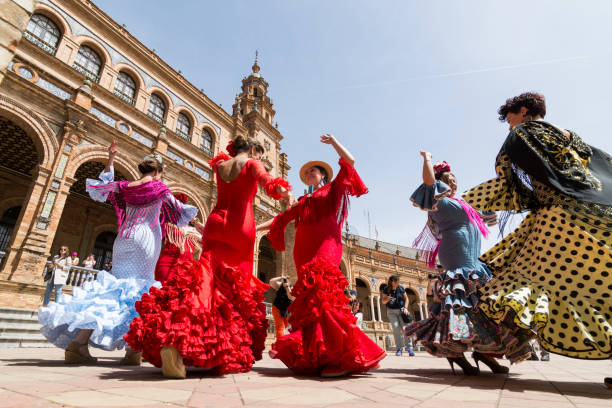
Flamenco and serious dinner should not automatically follow Jerez, because both need attention the sherry day may already have spent. Seville is one of the great places to understand flamenco context, and Triana is central to that story, but the right night for flamenco is not always the night you come back from bodegas.
Flamenco or a serious dinner should not follow Jerez when the day included multiple tastings, a long lunch, a hot return, a late arrival back in Seville, quiet travelers in the car, or a demanding next morning. That is not a judgment against flamenco or dining; it is a judgment in favor of receiving them properly. When the body is dulled and the group is politely pushing through, even a good plan starts to feel like compliance.
The risk is not that flamenco is too intense. The risk is that the traveler arrives dulled. A good performance asks for alertness, stillness and emotional availability. After Jerez, the group may still be processing cellars, solera explanation, tasting notes, lunch and the ride back. If you then add a timed show, you turn the evening into compliance. Teatro Flamenco Triana is a real venue to consider on a properly paced Seville night; confirm current performance details directly with Teatro Flamenco Triana (https://www.teatroflamencotriana.com/en/home/) when planning. But after a full Jerez day, a show belongs only if the entire day has been deliberately lightened for it.
The same rule applies to a serious dinner. If lunch in Jerez was the anchor meal, do not chase a second culinary climax in Seville. A Michelin-level stay is not improved by stacking prestige meals until none of them has space. The better food-and-wine decision is often to make Jerez the day’s gastronomic center and let the evening become air, neighborhood context or rest. When travelers want a dedicated Seville food evening, place it on a day that has not already been organized around wine country.
How to sequence the return if you choose Triana
The best Triana sequence after Jerez is short, west-side and reversible. Do not plan it like a full neighborhood tour. Plan it like a soft landing with a few local anchors.
- Start with the drop-off, not the map. If your driver can place you near the river or your hotel is already close to El Arenal, Triana becomes easier. If you are returning through Santa Justa and still need to cross the center, the hotel reset may be wiser.
- Use the bridge as the decision point. At Puente de Isabel II, ask whether the group wants a neighborhood hour or only a river edge. Do not decide this at breakfast before the Jerez day has happened.
- Keep Altozano as the maximum, not the minimum. Plaza del Altozano gives a natural sense of arrival. Beyond that, continue only if the group is still engaged.
- Let ceramics and flamenco context remain contextual. After Jerez, Triana ceramics lanes or flamenco references should add texture, not become a shopping or performance mission.
- Return before the evening turns procedural. The best sign of a successful post-Jerez Triana route is that it ends while people still have energy to enjoy the hotel return.
This sequence avoids the most common planning error: starting a second tour when the day needs a coda. If the group wants more Triana, that is a sign to schedule it properly on another day, perhaps linked with ceramics, river history or a later flamenco evening. It is not a sign to stretch the Jerez return until the neighborhood becomes a blur.
The useful test is conversational, not athletic. If people are still comparing bodegas, laughing about tasting preferences and noticing the river light, keep the Triana coda. If answers have become short and the group is following the guide because no one wants to be the first to stop, end it. The most elegant private route is the one that protects the group from having to confess fatigue.
How to choose between Triana, river and hotel by traveler type
The best choice changes by group composition, but the underlying rule stays the same: after Jerez, choose the option that preserves the quality of the day rather than the option that adds the most.
Couples
Couples usually do best with Triana or the river. Triana gives a sense of arrival back in Seville and a little neighborhood intimacy without making the evening formal. The river works better when lunch was long or the tasting felt generous. The hotel reset is best when the day has been hot or the next morning matters. The mistake is a late serious dinner booked for symbolic romance; after Jerez, romance is more often protected by space than by another table.
Families and three-generation groups
Families should choose the hotel reset more readily than couples. Children, teens and older parents often show fatigue differently: slower walking, shorter answers, sudden hunger or refusal to make another choice. A short Guadalquivir river walk can work if the hotel is close and the route is flat, but Triana should not become a bargaining exercise. If one person is already done, the evening is done.
Food-and-wine travelers
Food-and-wine travelers should resist the temptation to turn the evening into a sherry-bar continuation. Jerez has already done that job. The more sophisticated choice is to let the palate rest and keep Seville’s role distinct. Choose Triana for context, the river for digestion and hotel time for recovery. Save a serious Seville dining plan for a day when the meal can be the main event.
Celebration travelers
Celebration travelers need the most restraint because the impulse to add is strongest. A birthday, anniversary or private group trip can justify a beautiful Jerez day, but it does not justify an overloaded return. The celebration will feel more premium if the evening has a graceful exit. A short toast near the river can beat a complicated second booking.
Travelers staying in Santa Cruz, El Arenal or Triana
Hotel location changes the answer. A Santa Cruz hotel makes the hotel reset more attractive because the lanes that felt charming before lunch may feel tight after the return. An El Arenal hotel gives you the most options: a short river edge, a bridge decision, or a quick retreat. A Triana hotel makes the neighborhood coda easy, but even then the plan should stay compact. Sleeping in Triana is not permission to turn the return into a full neighborhood night.
What not to schedule the next morning
The morning after Jerez should not begin with your most demanding Seville monument sequence. Do not place the Alcázar, Cathedral, Giralda climb, Santa Cruz depth and a timed lunch into the next morning unless the Jerez day was unusually light and the group is highly energetic.
The reason is not only wine. It is accumulation. A sherry day includes transfer time, cellar attention, tasting, lunch, heat or weather exposure, conversation and the small fatigue of being hosted. The next morning often reveals the cost more clearly than the evening itself. Travelers wake a little slower, shoes feel less appealing, and the idea of standing in bright stone spaces can feel heavier than it looked on the itinerary.
Cut the Giralda climb first if the group is not fresh. Cut deep Santa Cruz wandering second. Keep one timed anchor if it truly matters, then leave space after it. A private guide can make a major site more coherent, but no guide can make an overcompressed morning feel calm if the previous evening was also forced.
If the Jerez day falls before a transfer to Córdoba, Granada or the airport, be even stricter. The next morning should have a clean buffer, luggage clarity and a low-risk route. This is where the existing pre-Jerez planning logic still matters: the days around Jerez must be shaped as a sequence. For the opposite side of the decision, see how to keep the day before Jerez from becoming too heavy.
The cleanest private-plan handoff
The cleanest private Jerez plan includes the return evening as part of the design. It should not end with “back to Seville” as though all returns feel the same. They do not. A return to a riverside hotel, a Santa Cruz hotel, a train station connection or a late dinner reservation creates different consequences.
A strong plan asks these questions before the day is built: Will lunch in Jerez be the anchor meal? Is the group likely to taste broadly or selectively? Is the return by driver or rail? Where is the hotel in relation to the river? Does tomorrow require punctuality? Is there a celebration element that needs a visible ending? Once those answers are clear, the evening can be left flexible without being vague.
The best private handoff also gives the guide permission to shorten. This matters because high-end travelers often expect the plan to keep producing value until the last scheduled minute. After Jerez, value may mean ending earlier, choosing the flatter side of the river, skipping the dinner reservation, or letting Triana remain a half-hour impression instead of a full hour. A plan that can contract gracefully is more premium than a plan that only expands.
This is the planning handoff Orange Donut Tours should own: the winery day, the return route and the Seville evening should read as one composed arc. If the day should finish with Triana, it can be routed that way. If the river is the better decompression line, it can be kept light. If the hotel is the right answer, the plan should dignify that choice rather than make travelers feel they skipped something. Inquire now to shape the Jerez day and the return evening together.
The final rule for Seville after Jerez
After Jerez, choose the smallest Seville evening that still gives the day an ending. For many couples, that is Triana. For travelers who have eaten and tasted well, it is the Guadalquivir river walk. For hot days, late returns, older travelers, families or early departures, it is the hotel reset. The wrong move is not choosing rest; the wrong move is pretending a full wine-country day has not already earned its place.
Seville rewards attention, but it also rewards timing. Let Jerez be the day’s depth. Let Triana or the river supply the return mood. Let the hotel be a valid finish when the body asks for it. That restraint is what makes the whole day feel tailored rather than merely busy.
FAQ
Should I go to Triana after a Jerez sherry day from Seville?
Yes, if you return with enough energy for a short, reversible neighborhood walk. Keep Triana compact: river edge, Triana Bridge, Altozano and an easy return. Do not turn it into a full second tour.
Is a Guadalquivir river walk better than dinner after Jerez?
Often, yes. If lunch and tasting were substantial, a Guadalquivir river walk gives the evening air and movement without forcing another seated food plan.
When is the hotel reset the best choice after Jerez?
The hotel reset is best after heat, a late return, a generous tasting, a long lunch, visible group fatigue or an early plan the next morning. It is a polished choice when it protects the rest of the stay.
Should I book flamenco after a Jerez day?
Usually no. Book flamenco after Jerez only if the day has been deliberately kept light and the return is early. Otherwise, save flamenco for a night when you can arrive alert.
Can I do a serious dinner in Seville after Jerez?
Only if the Jerez lunch was intentionally light. If Jerez was the day’s food-and-wine centerpiece, a serious dinner in Seville usually feels like excess rather than elegance.
What should I avoid the morning after Jerez?
Avoid your most demanding monument morning. Do not stack the Alcázar, Cathedral, Giralda climb, Santa Cruz depth and a timed lunch unless the Jerez day and evening were both unusually light.
Is Triana or Santa Cruz better after Jerez?
Triana is usually better after Jerez because it offers river access, a clear neighborhood edge and an easier retreat. Santa Cruz is better saved for a fresher walking day.
How should a private Jerez tour handle the return evening?
It should build in a flexible fork: Triana for context, the Guadalquivir for air or the hotel for recovery. The return evening should be planned before the winery day begins, not improvised when everyone is tired.
If you’re interested in any private tours of Seville, please reach out to us.





 So if you are looking for the absolute best in Seville & surroundings with authentic local fully-licensed native guides whose English you can actually understand and with an exclusive and amazingly fun itinerary













