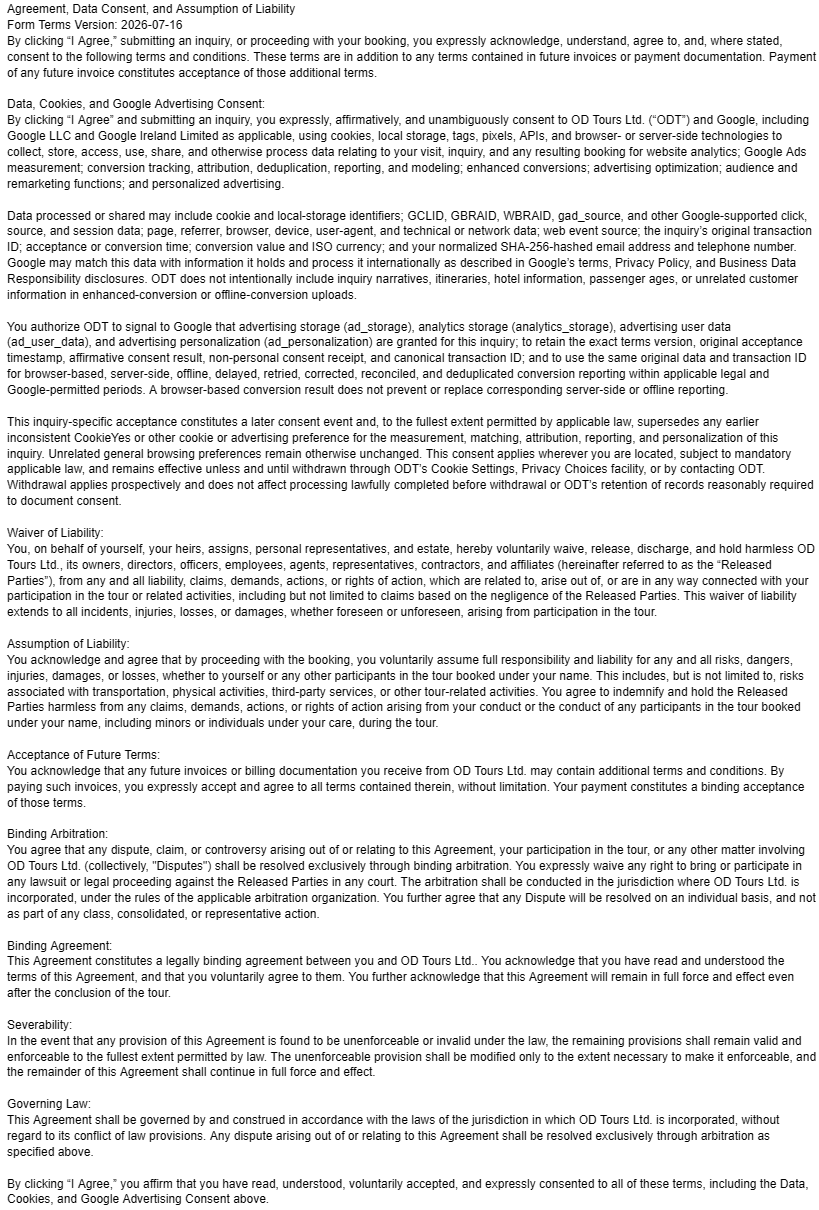
Madrid or Seville for Flamenco: Where the Night Belongs in a Spain Itinerary
Updated
For most first Spain itineraries, choose Madrid for flamenco when the evening needs to fit cleanly after museums, a late dinner, or a train-day arrival; save flamenco for Seville when Andalucía is the emotional center of the trip and you can give the night context before the curtain rises. Madrid works because the city absorbs late plans well: taxis are straightforward, dinner can happen before or after the show, and a Las Letras or Austrias evening can sit close to the Prado-Reina Sofía spine without turning the night into a transfer project. The clearest exception is a Seville stay with two or more nights and a Triana or Santa Cruz day already in the plan; then flamenco belongs there.
The thesis is simple: the Madrid-versus-Seville slot is not a question of which city “owns” Flamenco more; it is a question of which city gives your particular evening enough energy, context, and recovery room. A private Madrid day can frame the performance through art, tavern culture, and evening streets before you sit down for the show, while a Seville night can feel deeper when the day has already crossed the Guadalquivir toward Triana or moved through Santa Cruz with a guide who can make the music feel less like an isolated booking. For Madrid touring built around art, food, and a smoother evening, start with Private Tours in Madrid rather than treating flamenco as an add-on at the end of a crowded day.
The Madrid-versus-Seville slot: choose the night by route, not by reputation
Madrid is the default winner when flamenco must sit inside a tightly paced, multi-city Spain itinerary. It is usually the more forgiving night because visitors often stay near Salamanca, Las Letras, Retiro, Austrias, or the museum corridor, and the evening can be arranged around dinner without asking everyone to cross a river, climb back through an old quarter, or recover after a monument-heavy Andalucía day. The non-obvious planning cue is Atocha: if your Madrid day includes train arrival, luggage handling, or a Prado-side afternoon, a flamenco night near the center can turn a potentially disjointed travel day into a contained cultural evening.
Use this route-based comparison before you book:
- Madrid wins when the itinerary has only one or two Madrid nights, a Prado or Reina Sofía day, a late-dinner plan, or travelers who need an easy taxi back after the show.
- Seville wins when you have at least two nights there, the day can include Triana, Santa Cruz, or a slower pre-show context walk, and the next morning is not an early train or Alcázar sprint.
- The wrong fit is booking the more famous or more expensive seat in either city after a maximalist day of museums, shopping, transfers, and a serious dinner. The performance may still be excellent, but your group will not receive it well.
- Cut first the extra pre-show detour, not the recovery time. A shorter, better-sequenced evening beats a bigger plan that leaves everyone watching the clock.
The counterintuitive correction is that a prestigious hotel base does not automatically make the flamenco choice easier. Salamanca is elegant for dining and shopping, but it can complicate a performance night if the day has already moved from the Royal Palace to the Prado and then back east for a hotel reset. Las Letras or Austrias may look less polished on a hotel map, yet the walking geometry can be kinder for a flamenco evening because restaurants, historic streets, and central tablaos can sit in a tighter loop. If you are deciding where to stay as part of a wider plan, this Madrid stay guide helps place evenings, museums, and day trips in the same decision.
When Madrid is the right flamenco night
Madrid is the right flamenco night when the performance needs to connect with a broader city day without making the itinerary feel fragile. This is especially true for couples and small groups who want the evening to feel considered but not overproduced. A Madrid flamenco night can follow a curated art morning, a Retiro pause, a Las Letras stroll, or a tapas-and-wine route without demanding that the entire day be built around one late booking.
Madrid’s strength is logistical elasticity. The city has larger distances than visitors expect, but its central evening routes are relatively easy to shape: Prado to Las Letras, Austrias to Plaza Mayor, Cibeles to Salamanca, or Atocha to a hotel reset near Retiro. That matters when one person wants a serious museum day, another cares about dinner, and a third quietly worries about a late return. In Madrid, the flamenco slot can be chosen for energy rather than symbolism.
The museum spine makes that choice especially practical. A Madrid day can be built from the official Prado visit page (https://www.museodelprado.es/en/visit-the-museum) or the official Reina Sofía visit page (https://www.museoreinasofia.es/en/visit), then deliberately narrowed before the evening instead of padded with one more gallery or shop. The point is not to see less Madrid; it is to protect the part of the day that has to be felt, not merely completed.
For a couple, that often means avoiding the mood-killing mistake of stacking a performance after a tasting menu, a long museum block, and a cross-town transfer. Flamenco asks for attention. It is percussive, concentrated, and emotionally direct; it does not reward the traveler who arrives halfway numb from a day that was planned to impress on paper. If the day already includes the Prado and Reina Sofía, add a calmer late afternoon rather than one more sight. The evening will feel more intimate because you have left room for it.
For families or multi-generational groups, Madrid also gives more exit options. A show can be paired with an earlier dinner for children or older parents, while adults who prefer a later meal can keep the night flexible. The value is not only comfort; it is group harmony. When everyone knows the taxi back is simple and the next morning is not punishing, the performance becomes a shared memory rather than the final obligation in a long itinerary.
Madrid is also a strong choice when your Seville stay is already overloaded. Many first-time Spain trips ask Seville to carry the Alcázar, Cathedral and Giralda, Santa Cruz, Plaza de España, Triana, a possible Jerez day, and a late dinner rhythm. Adding flamenco there can be beautiful, but only if the day breathes. If Seville is receiving too much responsibility, let Madrid take the flamenco night and let Seville keep its slower architectural and river texture.
For the most natural Madrid version, link the evening to food rather than treating dinner as a separate problem. A private tapas route can move the group through appetite, streets, and local context before the show, then leave a clean return plan afterward. For that kind of evening arc, Madrid tapas and wine touring often does more for the night than a more expensive ticket tier alone.
Once Madrid has won the city decision, choose the venue layer separately. This Madrid flamenco shows guide is useful for comparing dinner, drinks, and VIP seating, but it should come after the route choice, not before it. The best ticket cannot compensate for a city slot that the group’s energy cannot support.
When to save flamenco for Seville
Save flamenco for Seville when Andalucía is the heart of the trip and you can protect the evening from monument fatigue. Seville gives flamenco a different frame: Triana’s river identity, Santa Cruz’s lanes, the Cathedral’s scale, and the Alcázar’s layered architecture can make the music feel attached to the city rather than placed inside a travel schedule. But that only works when the day before the show is not trying to do everything.
The best Seville flamenco night usually has a soft runway. A morning at the Alcázar, a shaded lunch, a hotel pause, and a late-afternoon walk through Triana or Santa Cruz can create the right emotional temperature. The route across the Guadalquivir is not just scenery; it changes the evening. Crossing toward Triana can make the night feel rooted in craft, ceramics, river life, and neighborhood memory. Staying in Santa Cruz can make the experience feel closer to the old city’s intimacy. Either can work, but neither should be treated as a quick pre-show errand after eight hours on your feet.
Seville becomes the stronger choice for travelers who want cultural continuity more than logistical convenience. If you are spending three nights there, if one day is devoted to the Alcázar and Cathedral and another to Triana, Plaza de España, or a slower river route, flamenco belongs in Seville. The performance will not feel like a decorative evening; it will feel like the day has been moving toward it.
But there is a firm caution: do not save flamenco for Seville simply because it feels more “authentic” in the abstract. The most authentic-feeling plan can still fail if your group arrives overheated, hungry at the wrong time, or mentally worn down after the Alcázar, Cathedral, Giralda, and a late lunch. In Seville, the city does more to the body: heat load, stone paving, shade decisions, river crossings, and narrow-lane walking all affect how much attention remains at night. A brilliant performance cannot fully overcome depleted travelers.
The body consequence is simple: tired travelers sit differently, listen less deeply, and begin measuring the room by comfort instead of by music. That is why Seville deserves either a protected flamenco evening or no flamenco evening at all. Saving it for Seville is the right call only when the day has been shaped to make the performance receivable.
If Seville has only one night, be selective. A flamenco evening can still work, but it should not compete with a major arrival transfer, a full monument day, and an ambitious dinner. In that case, the better editorial call may be to save Seville for the Alcázar, a gentle Santa Cruz dinner, and a walk back while Madrid carries flamenco earlier in the trip. For a Seville-first version with a context walk and easier pacing, compare the city’s private touring options through Private Tours in Seville.
How dinner changes the answer in Madrid and Seville
Dinner timing often decides the better flamenco city more than the show itself. Madrid is more forgiving if the group wants to combine culture with a serious food evening, while Seville is stronger when dinner can stay lighter, later, and closer to the performance route. The wrong dinner choice can flatten the mood before anyone reaches the venue.
In Madrid, dinner can sit before or after flamenco depending on the travelers. Couples may prefer a small pre-show tapas route and a quieter drink afterward. Families may need an earlier meal before the performance. Food-and-wine travelers may want the show on a different night from a major tasting menu. The key is not to force the city’s dining strengths into the same night as flamenco just because both feel special.
This is where premium judgment matters. Madrid has restaurants that can anchor a trip on their own, from Smoked Room menus (https://smokedroomrestaurants.com/en/madrid/menus/) to Deessa at Mandarin Oriental Ritz (https://www.mandarinoriental.com/en/madrid/hotel-ritz/dine/deessa). Those evenings should not be treated as warm-ups for flamenco. A long, elaborate meal asks for conversation, appetite, wine pacing, and a calm return. Put flamenco before a simple dinner, after a lighter tapas sequence, or on another night entirely. Otherwise, the itinerary is paying for two peak experiences and allowing neither to land fully.
Seville’s dinner logic is different. The city rewards a slower pre-show transition: a shaded afternoon, a short walk, a drink, perhaps a few carefully chosen plates, then the performance. A heavy dinner before the show can make the room feel smaller and the hour feel longer. A too-late dinner afterward can work beautifully for adults but may not suit families, older parents, or travelers with an early Córdoba or Granada transfer the next morning.
The mood consequence is immediate. In Madrid, the evening can feel urbane and composed when dinner and flamenco are separated by a sensible route. In Seville, the evening can feel more atmospheric when dinner stays close to the neighborhood and does not compete for emotional weight. The mistake in both cities is the same: treating the night as a checklist of premium bookings instead of one coherent arc.
If you want a dinner-led Madrid day rather than a performance-led one, use this Madrid food-and-wine planning guide to decide whether Salamanca, Las Letras, or a market-led route should carry the appetite of the day. Then place flamenco on the night that still has listening energy.
How next-day touring changes the choice
The morning after flamenco is the hidden planning test. A late performance may look harmless until the next day begins with a train, a museum reservation, a private driver, or a heat-sensitive monument plan. Madrid usually handles the morning after better when the next day is flexible; Seville needs more caution if the following morning belongs to the Alcázar, Cathedral, or a transfer.
In Madrid, a flamenco night pairs well before a later-start day: Salamanca shopping, Retiro, a single museum, a market morning, or a chauffeured city route. It pairs poorly before an early Toledo or Segovia departure if the group is already adjusting to Spain’s late dining rhythm. The train station matters here. Atocha is efficient, but a morning that includes checkout, luggage, breakfast, station navigation, and a day trip will expose any overreach from the night before.
In Seville, the morning-after issue is sharper. The Alcázar and Cathedral are best experienced with attention, not with a group moving slowly after a late night. Heat can make the penalty larger, especially in warmer months when the city’s best touring windows sit earlier in the day. A flamenco night before a major monument morning can work for adults with stamina, but it is not the first choice for families, older parents, or celebration groups who want the next day to feel smooth.
For multi-city travelers, the rail sequence also matters. Madrid often sits at the beginning or middle of a Spain itinerary, and a performance night there can give the trip cultural lift before Andalucía. Seville often appears after Córdoba or before Granada, when the itinerary is already asking travelers to absorb dense historic material. If the next day is Granada or Córdoba by train, do not make flamenco the final late-night flourish unless the morning departure is comfortably placed.
The cut-first rule is clear: if the next morning is fixed, cut the late extra dinner or the pre-show detour before you cut sleep. Do not try to rescue the plan with a better seat. VIP seating does not fix a flamenco night placed after an exhausting day.
For Madrid rail days, the practical challenge is often not the show; it is what luggage, Atocha, hotel location, and museum timing do to the hours around it. This Madrid between-cities guide is useful when the flamenco decision is tied to arrival or departure logistics rather than a simple evening preference.
The premium-spend judgment: what earns its cost
Pay more for planning, routing, and the right evening shape before you pay more for symbolic upgrades. A better seat can improve sightlines. A reserved dinner can reduce uncertainty. A private transfer can make the return easier. But the most valuable upgrade is usually the invisible one: a day that leaves enough energy for the performance.
In Madrid, premium spend earns its cost when it reduces cross-city drag. A guide-led day that starts with art, moves through a neighborhood with purpose, and leaves time for a hotel pause can make the flamenco night feel connected rather than appended. A chauffeured segment can be useful when the day crosses from the Royal Palace to the Prado corridor to Salamanca, but it is less important if the evening stays in Las Letras or Austrias and the group is comfortable walking short distances.
In Seville, premium spend earns its cost when it protects shade, timing, and transitions. A private context walk through Triana before flamenco can add meaning; a well-timed pickup after the show can help older parents or families; a guide who knows when to stop explaining and let the city breathe can preserve the atmosphere. Paying simply to add more elements, however, can weaken the evening.
The not-worth-it scenario is trying to buy intensity twice. A tasting menu plus a premium flamenco seat plus a next-day early monument start is not a richer itinerary; it is a compressed one. The traveler consequence is physical and emotional: people stop listening, stop noticing, and start calculating how soon they can return to the hotel. Premium travel should reduce that feeling, not dress it up.
For celebration travelers, the better splurge is often a private day that makes the night legible. A guide can connect Velázquez, Goya, tavern culture, regional identity, or Seville’s river neighborhoods to the performance without turning the evening into a lecture. That kind of context changes how the room feels when the first footwork begins. When you want the show to sit inside a tailored day instead of floating alone as a booking, Inquire now.
Three itinerary scenarios that make the decision easy
The right flamenco city becomes obvious when you place it inside the actual route. These are not venue rankings; they are planning scenarios. The goal is to decide where the night belongs so the whole trip feels more coherent.
Scenario 1: Madrid, Córdoba, Seville, Granada in one cultural arc
Choose Madrid for flamenco if the trip is dense and Andalucía already has heavy monuments. This route often asks travelers to absorb the Prado, Córdoba’s Mezquita-Catedral, Seville’s Alcázar and Cathedral, and Granada’s Alhambra. In that context, flamenco in Madrid can give the beginning of the trip a strong evening without overloading Seville. Let Seville keep its architectural depth and river atmosphere.
Choose Seville only if you have three nights there or the day before the show is deliberately light. A Triana afternoon, hotel pause, early plates, and performance can be superb. A Córdoba arrival, Alcázar sprint, Cathedral climb, and late flamenco night is a plan that looks impressive and feels brittle.
Scenario 2: Madrid and Seville only, with couples’ dinners as a priority
Split the emotional weight. Put one serious dinner in Madrid, one culture-led evening in Seville, and do not force both peak dining and flamenco onto the same night. If Madrid includes a major restaurant evening, let Seville carry flamenco after a lighter day. If Seville is reserved for Alcázar, river walks, and a relaxed dinner, let Madrid take flamenco with tapas before or after.
This is the mood-preserving decision for couples: one evening should be about listening, one about conversation, and one about wandering without a hard reservation. The mood-killing mistake is trying to make every night the big night. Spain rewards late rhythm, but it also rewards restraint.
Scenario 3: Madrid with a brief Seville extension
Choose Madrid for flamenco if Seville is only one night or functions mainly as a monument stop. A brief Seville extension is better used for the Alcázar, Cathedral area, Santa Cruz, and one unforced dinner. Flamenco deserves more than the leftover hour after arrival and sightseeing.
The exception is a traveler who cares more about flamenco context than about seeing every major Seville monument. In that case, cut something: skip the extra palace, reduce shopping, or avoid an ambitious lunch across town. Build the day toward the performance rather than attaching the performance to a day that is already full.
What to skip when the trip is getting crowded
When the Spain itinerary is tightening, skip the second peak evening before you skip the connective tissue. The connective tissue is the hotel pause, the short walk that explains the neighborhood, the early plate of food, the taxi that prevents a tired return, and the next morning that starts calmly. Those details determine whether flamenco is remembered as powerful or merely scheduled.
In Madrid, skip the extra museum wing if the evening is the priority. The Prado, Reina Sofía, and Thyssen can create a brilliant art trip, but not every visitor benefits from making the museum corridor a marathon before a late performance. One strong museum block, a Retiro or Las Letras reset, and an intelligently placed dinner will usually beat a three-museum achievement day.
In Seville, skip the attempt to see both sides of the river in a rush. Triana is not improved by being treated as a thirty-minute pre-show badge, and Santa Cruz is not improved by being used as a shortcut with a guide trying to explain six centuries in three lanes. Choose the neighborhood that supports the evening and let the other belong elsewhere in the stay.
For families, skip the late post-show dinner unless everyone is genuinely aligned. For small groups, skip the cross-town cocktail idea if it makes the return uncertain. For celebration travelers, skip the “surprise” that adds complexity for everyone except the planner. A flamenco night already has intensity; it does not need a scavenger hunt around it.
Private touring is most useful here because it gives someone permission to cut. A good guide or planner can say no to the extra stop, move lunch earlier, change the route, or keep the explanation short when the group is fading. That judgment is often worth more than adding another named sight to the day.
That is also where the Madrid-versus-Seville decision becomes commercially useful rather than theoretical. It tells you whether to buy the better performance seat, reserve the better dinner, protect the private guide’s afternoon pacing, or move the entire flamenco night to the city where the evening can succeed. The spend should follow the sequence, not try to repair it afterward.
So, Madrid or Seville for flamenco?
Choose Madrid when flamenco needs to work inside a polished, multi-city itinerary; choose Seville when the evening can be the culmination of a slower Andalucía day. Madrid is the pragmatic winner for travelers balancing art, food, train logistics, and late dining. Seville is the more resonant choice when you can give it context, softness, and recovery time.
The decision should not be made from reputation alone. Make it from the route: where are you sleeping, what happened that afternoon, how demanding is dinner, who is in the group, and what does the next morning require? When those answers point to Madrid, the night can feel elegant and easy. When they point to Seville, the performance can feel rooted and inevitable.
That is the standard to use: not which city sounds better in a sentence, but which city lets the night belong.
Premium spend does not help much here: VIP seating does not fix a flamenco night placed after an exhausting day.
FAQ
Is Madrid or Seville better for flamenco on a first Spain trip?
Madrid is usually better when the itinerary is tight and includes museums, train arrivals, late dinners, or only a short Seville stay. Seville is better when Andalucía is the emotional center of the trip and you can give the flamenco night a slower setup through Triana, Santa Cruz, or a lighter pre-show evening.
Should I save flamenco for Seville if I am visiting both cities?
Save flamenco for Seville if you have at least two nights there and the performance can follow a well-paced day. Do not save it for Seville if the only available night comes after arrival, the Alcázar, the Cathedral, and a late dinner; Madrid will usually give the evening more room.
Is flamenco in Madrid less authentic than in Seville?
No. The better question is not authenticity in the abstract, but whether the performance has context and whether the travelers have enough energy to receive it. Madrid can deliver a strong flamenco night when it is well sequenced; Seville can feel deeper when the day has prepared the group for it.
Should we have dinner before or after flamenco in Madrid?
In Madrid, dinner can work before or after flamenco, but avoid pairing the show with a long tasting menu on the same night. A lighter tapas route before the performance or a relaxed meal afterward usually works better than stacking two major evening experiences.
Should we have dinner before or after flamenco in Seville?
In Seville, a lighter pre-show meal or a few well-chosen plates often works best. A heavy dinner before the show can dull the performance, while a late dinner afterward is best reserved for adults who do not have an early train, monument visit, or family schedule the next morning.
Does VIP seating make a flamenco night worth it?
VIP seating can improve comfort or sightlines, but it cannot fix poor timing. If the day has been too long, the group is hungry, or the next morning starts early, a premium seat will not solve the real problem.
Where should flamenco fit if we are traveling Madrid, Córdoba, Seville, and Granada?
For a dense Madrid-Córdoba-Seville-Granada route, Madrid is often the safer flamenco slot because Andalucía already carries several demanding cultural days. Choose Seville only if you can keep the day light and avoid an early departure the next morning.
Can a private guide make the flamenco evening better?
Yes, when the guide improves context and pacing rather than adding more stops. A well-designed day can connect art, food, neighborhoods, and regional history so the performance feels like part of the trip, not an isolated reservation.
If you’re interested in any private tours of Madrid, please reach out to us.


 So if you are looking for the absolute best in Madrid & surroundings with authentic local fully-licensed native guides whose English you can actually understand and with an exclusive and amazingly fun itinerary