Madrid in Shoulder Season: Retiro, Palace Windows and Day-Trip Timing Without Heat Drag

Updated
Verdict: shoulder season is Madrid’s best window for a culture-first stay that wants the Royal Palace, Retiro and one day trip without turning every evening into recovery. It works because mild conditions make the museum-park spine between the Prado edge, Puerta de Alcalá and Retiro useful rather than ornamental, so outdoor time can absorb the weight of major interiors. The clearest exception is a very short, art-led trip: if the Prado, Reina Sofía or Thyssen is the reason you are coming, shoulder-season ambition should still be restrained because museum depth matters more than fitting in Toledo, Segovia and every green pause.
In Madrid, the shoulder-season advantage is not simply that you can walk more; it is that you can place a Retiro reset after a major interior and still have appetite for a proper dinner, a measured palace visit or one out-of-city day. The route hinge is not Plaza Mayor, however famous it is. The quieter planning hinge is the east-side line from the Jerónimos side of the Prado to Puerta de Alcalá and the Alcalá gates into Retiro, because that is where a heavy museum or palace morning can become a calmer afternoon instead of a taxi-and-hotel retreat. That is the logic behind seasonal Madrid private planning: calibrate the city day to the weather window, not to a fixed monument checklist.
The shoulder-season route grid: Palace, Retiro or a day trip first?
The best shoulder-season Madrid route starts with one major interior, gives Retiro real time, and saves Toledo or Segovia for a separate, unhurried day. That may sound restrained, but it is the difference between a trip that feels spacious and a trip that uses pleasant weather as permission to overfill the calendar. The famous thing to cut first, when the day is tight, is not Retiro. It is the second old-town stroll after the Royal Palace or the extra museum wing you only added because the afternoon still looks open.
Route 1: Royal Palace, old Madrid context, then a late Retiro or Salamanca finish. Choose this if the Royal Palace is a priority and your group likes a ceremonial interior before an easier afternoon. It suits first-time couples, older parents and multigenerational travelers who want the city to feel grand without walking from Plaza de Oriente to the Prado corridor in one push.
Route 2: Prado or Thyssen, then Retiro as the recovery spine. Choose this when art is the anchor. A guided Prado morning can be deeply satisfying, but it is also mentally dense. Retiro gives the day a softer second act, especially if the walk is framed through the Jerónimos quarter rather than treated as a vague “park stop.”
Route 3: Toledo or Segovia on its own day, with museums kept clear on either side. Choose this if your stay is at least three proper nights and you want a sense of Castile beyond Madrid. The day trip should not be stacked after a Palace morning or before a long museum evening unless your group genuinely likes long, compressed days.
Route 4: No day trip, deeper Madrid. Choose this if you have two nights, a serious museum agenda or travelers who dislike early departures. Shoulder season makes Madrid more comfortable, but it does not turn a short stay into a four-day stay.
This route-based comparison matters because Madrid punishes a different kind of overplanning than many visitors expect. The city is not as hilly as Lisbon or Granada, and the central monuments can look deceptively close on a map, yet the accumulated transitions are real: Plaza de Oriente to the Prado side, Prado to Retiro, Retiro to Salamanca, Atocha or Chamartín to the hotel, and then back out for a late dinner. Shoulder season reduces heat drag, but it does not erase the cognitive load of changing districts, entering large sites and asking everyone to stay alert through another history-heavy stop.
What shoulder season actually makes easier in Madrid
Shoulder season makes outdoor transitions valuable enough to build around, not just pleasant enough to tolerate. In hot periods, Retiro often becomes a shaded pause or an early-evening workaround. In cooler or wetter spells, indoor culture carries more of the trip. In the shoulder window, Madrid’s best rhythm is a middle path: one strong interior, one purposeful outdoor reset, then a dinner or neighborhood finish that does not feel like a forced march.
The practical gain is route elasticity. A Palace day can breathe after Calle de Bailén instead of demanding an immediate taxi back to the hotel. A Prado visit can spill naturally toward the church and garden edges of Jerónimos. A Retiro walk can be long enough to include the Estanque, the Palacio de Cristal area and a quieter exit toward Calle de Alfonso XII without turning into a heat-management exercise. The point is not to see every corner of the park. The point is to let Madrid’s open-air sections carry some of the day’s emotional pacing.
For private touring, the seasonal value is especially clear because the guide can make the route feel continuous. Without context, the shift from the Royal Palace to Retiro can feel like a disconnected transfer across the city. With a calibrated route, the day becomes a sequence: monarchy and court ritual at the Palace, Bourbon-era urban order along the Prado axis, then public green space where the group can talk, decompress and choose whether to continue. That is different from simply “adding a park.” It is using Retiro to change the register of the day.
Madrid also does something specific to the body. The strain is not only distance; it is hard paving, long gallery standing, large interior rooms, repeated security entry points and late-day concentration. A traveler may not feel tired while admiring the Throne Room or Velázquez, but the fatigue appears later, when the walk from the museum quarter to dinner feels longer than it looked at breakfast. Shoulder season helps because the body is not fighting heat at every crossing, yet the better decision is still to reduce the number of major interpretive stops.
There is a mood consequence as well. A Madrid day that moves from one dense interior to another can flatten into a sequence of explanations, even when each site is excellent. A Madrid day that uses Retiro after the Palace or the Prado gives the group a chance to digest what they have seen. Couples talk more. Children stop resisting the guide. Older travelers feel less like the city is being “covered” at their expense. Dinner feels like the natural continuation of the day rather than the reward for surviving it.
Royal Palace windows: when the Palace belongs before the park
The Royal Palace belongs before Retiro when you want one grand Madrid interior to set the cultural tone, then an afternoon that releases rather than doubles the formality. The Palace is not just another stop beside the old town; it changes the day’s scale. Plaza de Oriente, Calle de Bailén, the Almudena side and the drop toward Campo del Moro all create a western Madrid rhythm that is far from the Prado-Retiro corridor. That distance is the reason the Palace must be placed deliberately, not casually bolted onto a museum day.
The most useful “Palace window” is not only a ticket time. It is the point in the day when your group has enough attention for ceremonial rooms, royal collections and dynastic context. The official Patrimonio Nacional Royal Palace page (https://www.patrimonionacional.es/en/visita/royal-palace-madrid) is the right place to confirm practical visit details before you go, but the planning judgment is broader: do not place the Palace after a major museum unless the group is unusually energetic and the Palace is the single remaining priority. It deserves a fresh mind.
For many first-time private stays, the Palace works best as the primary interior on a city day, followed by old Madrid context around Plaza de Oriente, the Austrias quarter or a lighter transfer east. The reason is not that the Palace is fragile or difficult. It is that its rooms create a formal, indoor, high-attention experience. If you then ask the same group to cross the city and interpret the Prado in full, the second site may suffer, even if everyone politely says they are fine.
Shoulder season changes the post-Palace choice. In high heat, the sensible move after a Palace visit may be a lunch pause, hotel return or a chauffeured repositioning. In shoulder season, you can give the afternoon a more graceful shape: a measured transfer toward the Prado axis, a lighter cultural stop, or a Retiro walk that feels earned. The park is not adjacent to the Palace, so this is where a private guide or driver can make a material difference. A vehicle helps when you are crossing from Calle de Bailén to the east side; it does not make the Palace itself shorter or less demanding.
The Palace-to-Retiro combination is strongest for travelers who want Madrid’s public grandeur without museum saturation. It lets the city speak in two registers: royal interior and civic green space. It is weaker for travelers who came primarily for painting, because the Palace can consume the best attention of the day before the Prado even begins. If art is the anchor, reverse the logic: put the museum first and let Retiro soften the afternoon.
For a Palace-led private day, the cleaner next step is usually a focused route rather than a second marquee interior. Orange Donut Tours can shape that around a Royal Palace private tour when the Palace is the anchor, then adjust the ending according to energy: old Madrid if the group wants historical continuity, Retiro if they need air and movement, or Salamanca if the evening is meant to begin with shopping, aperitivo or a quieter hotel return.
When does Retiro earn more time in shoulder season?
Retiro earns more than a passing walk when it follows a major interior, hosts the day’s emotional reset, or gives a mixed-age group room to recover without stopping the tour completely. In shoulder season, the park can be a core planning asset rather than filler. The mistake is to treat it as a quick photo at the lake or the Palacio de Cristal, then rush onward to another dense site. That misses what Retiro does best for a Madrid stay: it changes the tempo.
Retiro is large enough to absorb different traveler needs. A couple may want a slower route through the tree-lined paths after a Prado morning. A family may need a looser stretch where children can move without being asked to whisper. Older parents may prefer a shaded, seated rhythm rather than one more interior with stone floors and standing explanations. Celebration travelers may want a day that feels elegant but not relentlessly educational. The official Madrid tourism page for Retiro (https://www.esmadrid.com/en/tourist-information/parque-del-retiro) is useful for broad orientation, but the real planning question is not whether the park is worth seeing; it is whether it deserves the central role that day.
The clearest case is the Retiro reset after a major interior. After the Prado, the park prevents the day from becoming gallery-bound. After the Royal Palace, it rebalances a formal morning with open air. After the Thyssen, it can keep the art day from tipping into accumulation. The shoulder-season version is especially strong because the weather allows a meaningful route rather than a survival route. You can enter near Puerta de Alcalá, work toward the Estanque, angle toward the Palacio de Cristal if it suits the group, and exit toward Alfonso XII or Ibiza depending on lunch, hotel and evening plans.
Retiro is less valuable when it is squeezed between two major interiors. A ten-minute park appearance between the Prado and Reina Sofía rarely improves the day; it often just creates another transition. The cut-first rule is simple: if the park cannot hold at least enough time for the group to breathe, talk and shift mood, either give it a proper slot or remove it from that day. Do not use Retiro as a decorative comma in an already crowded sentence.
A private route through Retiro is most worthwhile when the guide can connect it to the day’s main theme. That might mean the park as a royal hunting-ground legacy after the Palace, the Landscape of Light corridor after a Prado visit, or a family-friendly decompression route after a museum morning. For visitors who want the park to carry real narrative and not just scenery, a Retiro Park private tour is strongest when paired with one major cultural anchor rather than three smaller obligations.
How to place Toledo or Segovia without crowding Madrid’s museums
Toledo or Segovia belongs on a separate day, ideally after you have already established Madrid and before your final museum-heavy day. Shoulder season makes both day trips more comfortable, but comfort is not the same as capacity. The day trip still carries an early departure, a change of place, a different walking surface and a return that affects dinner energy. The best Madrid stays treat Toledo or Segovia as a chapter, not as an add-on.
Toledo suits travelers who want layered history, tight streets, religious and artistic density, and the drama of a hill city above the Tagus. It is culturally rich but physically more demanding than some visitors expect. The old center includes slopes, narrow approaches and a compactness that can feel intense after a full Madrid museum day. In shoulder season, that intensity is easier to enjoy because the city’s stone streets and viewpoints are less punishing than in heat. Still, Toledo should not be placed after a Royal Palace morning or before an ambitious Prado evening. Give it the respect of a whole day.
Segovia suits travelers who want a clearer visual arc: aqueduct, old town, cathedral area, Alcázar and Castilian landscape. It can feel lighter than Toledo for some families and small groups because the route is easier to narrate in broad strokes, though it is not effort-free. The old-city movement still takes attention, and the return to Madrid still shapes the evening. Segovia is often the better shoulder-season choice when a group wants beauty, architecture and a memorable skyline without the same density of religious and artistic layering.
The train-and-station question matters more than many visitors think. Atocha makes sense for some Madrid logistics, especially when the Prado-Retiro side is already central to the stay, while Chamartín may enter the picture for other rail patterns. A chauffeured day changes the comfort equation by reducing station friction, allowing door-to-door pacing and making a countryside lunch or viewpoint stop easier to place. But it does not change the basic rule: one major day trip is enough for a short Madrid stay.
Comfortable weather does not justify adding a second major day trip to a short Madrid stay. Premium spend does not justify adding a second major day trip to a short Madrid stay; it is better spent on a better-paced single excursion, a guide who knows when to slow the narrative, and a return plan that keeps dinner from feeling like a late obligation. The extra city may look efficient on paper, but it often steals the museum depth and Retiro ease that make shoulder season valuable in the first place.
For most discerning first trips, the decision is not “Toledo and Segovia?” but “which one earns the one out-of-city slot?” If the group cares about medieval layering, El Greco context, Jewish and Christian histories and dense old streets, choose Toledo. If the group wants a more legible Castilian day with strong views and a slightly cleaner rhythm, choose Segovia. If the Madrid stay is only two nights, choose neither unless the day trip is the purpose of the trip. For a deeper comparison of out-of-city options, keep private day trips outside Madrid in the planning lane rather than squeezing it into a city-museum day.
Three Madrid shoulder-season scenarios that actually work
The right shoulder-season plan depends less on the month than on how many full Madrid days you have after arrival and before departure. Instead of asking how much you can see in pleasant conditions, ask which route protects attention. The answer changes sharply between two nights, three nights and four nights.
Two nights: choose Madrid depth and skip the day trip
With two nights, the best shoulder-season plan is a city-focused stay: one Palace or old Madrid block, one Prado or museum block, and one proper Retiro or Salamanca pause. This is where visitors most often overread the comfort of the season. A mild afternoon does not make Toledo a half-day add-on, and it does not make the Palace, Prado and Retiro all equally light. Use the season to make Madrid feel better, not to shrink every stop into a sample.
A strong two-night rhythm might put the Royal Palace and Austrias context on one day, then Prado and Retiro on the other. Or it might put the Prado first, the Palace later, and Retiro as the bridge that keeps the stay from becoming entirely indoor. The exact order depends on hotel location, ticket windows, dinner plans and group energy. What should not change is the cut: the day trip goes first. If you need a broader stay-length framework, the adjacent question is covered in how many days in Madrid, but for this shoulder-season problem, two nights means Madrid should stay the protagonist.
Three nights: one day trip belongs between two city days
With three nights, one day trip can work beautifully if it is placed between city days rather than jammed against the deepest museum block. The first city day establishes Madrid: Palace, old-town context, Prado edge or Retiro depending on arrival and interest. The middle or second full day can go to Toledo or Segovia. The final city day returns to Madrid’s museums, Retiro or a slower Salamanca finish. This creates contrast without turning the trip into a chain of departures.
The day after Toledo or Segovia should not be treated as empty just because you are back in the capital. The group may need a later start, a lighter museum route or a park-led afternoon. Shoulder season makes that adjustment easier because outdoor time still has value even when the day begins more slowly. This is where private planning earns its keep: not by promising more stops, but by reading the group after the excursion and protecting the next day’s best attention.
Four nights: build a richer Madrid arc, not two excursions by default
With four nights, you can include one day trip and still give Madrid room to deepen. This is the best shoulder-season version for travelers who want the Royal Palace, a serious Prado experience, Retiro, one out-of-city day and a food or neighborhood finish without constant compression. The sequence can breathe: Palace and old Madrid, Prado and Retiro, Toledo or Segovia, then a final day that might include Thyssen, Reina Sofía, Salamanca, Las Letras or a more tailored food-and-wine route.
The temptation at four nights is to add a second excursion because the calendar appears to allow it. Resist that unless the group has already been to Madrid or actively prefers regional touring over city depth. Two day trips can be worthwhile on a specialized Castile itinerary, but they are not the default upgrade for a first Madrid stay. The better upgrade is usually a more intelligent Madrid day: one museum handled with depth, a Retiro pause that is not rushed, and a private evening plan that starts with energy rather than fatigue.
The day-to-day sequencing that keeps heat drag from being replaced by schedule drag
The best shoulder-season sequence alternates dense interpretation with open-air recovery, rather than stacking all interiors on one day and all movement on another. Heat may be less dominant, but schedule drag can still appear when the itinerary asks for too many resets. Madrid’s shoulder-season opportunity is to smooth those resets, not to hide them.
Start by deciding the day’s intellectual anchor. If it is the Royal Palace, do not pretend the Prado is a light sequel. If it is the Prado, do not ask the Palace to be a late-day leftover. If it is Toledo, do not make the evening depend on a complex restaurant transfer across town. Once the anchor is honest, the rest becomes easier: Retiro after a museum, old Madrid after the Palace, Salamanca or Las Letras after a lighter afternoon, and a serious day trip only when the following day can start calmly.
Hotel location should influence the finish, not hijack the whole route. A Salamanca base makes Retiro and the east side especially convenient, but it does not make the Royal Palace disappear as a western transfer. A Las Letras base helps with the Prado corridor and evening walking, but it does not automatically make Toledo easier. A palace-area or Austrias base gives the first evening charm, but it can complicate repeated movement toward Retiro, Atocha and the museum spine. In shoulder season, you can walk more of these transitions, yet the best plans still avoid using walking as a substitute for judgment.
Ticket windows should be treated as structure, not tyranny. The official Prado visit page (https://www.museodelprado.es/en/visit-the-museum) belongs in the planning process because museum entries, services and visit conditions should be checked at the source. But a timed museum visit should not force the entire day into an unnatural order. If the only workable museum slot breaks the flow between Palace, Retiro and dinner, the more elegant answer may be to change the museum route, shorten the old-town piece or move Retiro to the next day.
The most common shoulder-season mistake is treating every pleasant outdoor hour as usable touring time. Madrid’s late rhythm can make the day feel forgiving, but late dinners do not cancel accumulated fatigue. A walk along Paseo del Prado after a museum is restorative when it has a purpose and an endpoint. The same walk becomes schedule drag when it is merely a transfer to the next obligation. The difference is often invisible on the itinerary and very obvious to the group by 7 p.m.
Spend for calibration, not for another city
In shoulder-season Madrid, premium spend is best used to improve order, interpretation and transitions, not to inflate the number of destinations. A private guide changes the day by selecting the right depth inside the Palace or museum, translating the city between districts, and noticing when Retiro should lengthen or shorten. A chauffeur can be valuable for Palace-to-Retiro transfers, day-trip comfort, hotel returns, and mixed-age groups who should not spend their best attention solving movement. Neither should be used as a reason to add Toledo and Segovia to a stay that only has room for one.
Where paying more helps is in reducing the bad kind of friction: uncertain entrances, overlong museum wandering, awkward district changes, station logistics, and the moment when a family realizes the next stop is technically possible but emotionally wrong. Where paying more does not help is in overriding attention. A more comfortable car cannot make a second major day trip feel like a first. A better guide cannot make three major interiors equally memorable in one day. A premium hotel cannot return the morning energy you spent on an unnecessary transfer.
This is the natural place to design the trip as seasonal calibration rather than a fixed itinerary. Orange Donut Tours can build the city day around the actual hierarchy: Royal Palace first or Prado first, Retiro as a true reset or a brief garden pass, Toledo or Segovia as the single excursion, and dinner energy protected by the return. For a short stay where one wrong placement can flatten the whole trip, Inquire now and ask for the Madrid plan to be shaped around the season, the group and the one day trip that truly belongs.
FAQ
Is shoulder season the best time to visit Madrid for Retiro and the Royal Palace?
Shoulder season is one of the best times to combine Retiro and the Royal Palace because outdoor movement can become part of the day rather than a hardship. The Palace still deserves fresh attention, and Retiro works best after a major interior when it can change the pace. The exception is a short museum-led stay, where the Prado or another major collection should remain the priority.
Should I visit Retiro before or after the Prado?
For most art-focused days, Retiro works better after the Prado. A serious museum visit requires concentration, and the park gives the day a lower-pressure second act. Retiro before the Prado can work for travelers who need a gentle start, but it often spends the morning’s best attention before the deepest cultural stop.
Can I do the Royal Palace, Prado and Retiro in one shoulder-season day?
You can combine them physically, but it is rarely the most satisfying version of the day. The Royal Palace and Prado are both major interiors, and Retiro is most valuable when it has enough time to reset the group. If the day is getting crowded, cut either the Palace or the full Prado route rather than reducing Retiro to a token walk.
Should Toledo or Segovia be added to a short Madrid stay?
Toledo or Segovia should be added only when the stay has enough room for a separate day trip and at least one meaningful Madrid museum or Palace day. With two nights, skip the day trip unless it is the main reason for the visit. With three or four nights, choose one day trip and keep the surrounding city days lighter.
Is Toledo or Segovia better in shoulder season?
Toledo is better for travelers who want dense history, religious layering, El Greco context and a dramatic hill-city atmosphere. Segovia is better for travelers who want a more legible Castilian route with aqueduct, cathedral, Alcázar and open views. Shoulder season helps both, but it does not make either one a casual half-day add-on.
Does a chauffeur make a Madrid shoulder-season day better?
A chauffeur can make the day better when you are crossing from the Royal Palace side to Retiro, managing older travelers, returning from Toledo or Segovia, or avoiding station friction. It is less useful when the day is already concentrated around the Prado, Retiro and Las Letras, where walking and a well-paced guide may do more for the mood than another vehicle transfer.
What should I cut first if my Madrid plan feels too full?
Cut the second day trip first, then cut duplicate interiors. Do not cut Retiro automatically if it is the only part of the day that gives the group breathing room after a major museum or Palace visit. Shoulder season should make the best parts of Madrid easier to enjoy, not make every possible stop feel mandatory.
How many internal cultural anchors should one Madrid day have?
One major anchor is ideal, and two can work only when the second is deliberately lighter. A Palace day can include old Madrid context and a Retiro finish. A Prado day can include Retiro and a neighborhood dinner. A day that tries to hold Palace, Prado, Reina Sofía and Retiro usually becomes memorable for endurance rather than judgment.
If you’re interested in any private tours of Madrid, please reach out to us.
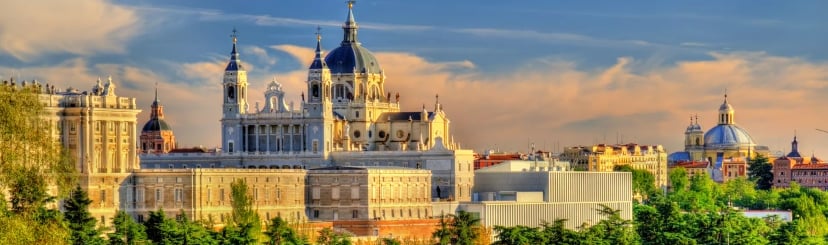



 So if you are looking for the absolute best in Madrid & surroundings with authentic local fully-licensed native guides whose English you can actually understand and with an exclusive and amazingly fun itinerary