The London Hotel-Change Day: Mayfair, South Kensington and One Museum While Bags Move

Updated
The best London hotel-change day between Mayfair and South Kensington is not a sightseeing blitz. It is a westbound, hotel-led day: let the bags move, choose one museum that sits naturally on the line, then arrive at the second hotel with enough appetite and composure for the evening. This works because the Mayfair to South Kensington transfer crosses a deceptively tight but slow part of London: Hyde Park Corner, Knightsbridge, Brompton Road and the Exhibition Road museum zone all look close on a map, yet each can add curb time, walking drag and decision fatigue. The clearest exception is simple: after a long-haul arrival, a poor night of sleep, a family wobble or an uncertain check-in, the best answer is no formal touring until check-in.
The thesis for this day is deliberately narrow: on a Mayfair to South Kensington transfer, the winning plan is the one that treats luggage, check-in and dinner as the itinerary’s structure, not as admin to squeeze around the sights. If you are still deciding whether the split stay itself is worth it, use whether to split a London hotel stay as the broader planning frame; this article assumes the change is happening and answers what belongs in the day itself.
The mildly counterintuitive correction is that the famous in-between add-on is often the wrong one. Harrods, Knightsbridge shopping and a quick sweep through multiple museum façades can look efficient because they sit between Mayfair and South Kensington, but they often consume the precise hour you need for check-in, changing clothes and setting up dinner. A hotel-change day feels better when it has fewer moving parts, not when every nearby landmark gets a courtesy visit.
The verdict: make the transfer the spine of the day
The most reliable default is Mayfair in the morning, one focused museum stop near the transfer line, South Kensington check-in, then dinner based on where you are sleeping. That does not mean every traveler should go to the same museum. It means the day should move in one geographic direction unless dinner gives you a compelling reason to bend it back east.
In practical terms, Mayfair is your controlled start. Your old hotel can handle checkout, porters, car timing and final bag checks. South Kensington is your controlled finish. Your new hotel sets the moment when the day either becomes pleasant again or starts to feel like a holding pattern. The museum belongs in the middle only if it reduces the gap between those two moments. If it creates a third base across town, it is no longer a transfer-day museum; it is a full sightseeing decision disguised as filler.
For a couple, this usually means a late morning departure from Mayfair, a proper lunch or short gallery focus, and a hotel arrival before the evening has hardened into logistics. For a family, it means refusing the second museum even when the first goes well. For older parents, it means using seated interpretation, short walking arcs and easy drop-offs rather than asking them to stand through a long cultural marathon before unpacking. For food-and-wine travelers, it means letting dinner geography decide whether the afternoon stays west or returns toward the West End.
A chauffeur can improve the bag move, curb comfort and timing buffers, especially when the day includes multiple guests, shopping parcels or mobility concerns. But the upgrade has limits. London traffic around Hyde Park Corner and Knightsbridge can make a luxury car feel stationary at the very moment everyone expected the day to become effortless. Use chauffeured London touring when it supports a single clean arc, not as permission to scatter the day across the map.
The cut-first rule is also clear: cut anything that requires returning to Mayfair after you have mentally arrived in South Kensington. A late afternoon backtrack to Bond Street, a speculative extra stop in Westminster, or a second museum in Bloomsbury may look manageable in isolation. On a hotel-change day, each one steals from the same reserve: patience before check-in and pleasure after dinner.
What the city does to the body between Mayfair and South Kensington
London makes hotel-change days tiring through small accumulations rather than dramatic distances. The transfer is not a mountain climb, but it creates a sequence of curb-to-lobby walks, museum corridors, traffic pauses, station stairs, coat handling, ticket or security moments, and the quiet mental load of wondering whether the room will be ready. The body experiences that as fragmentation.
The Mayfair to South Kensington transfer is especially deceptive because the geography is elegant. Green Park, Hyde Park Corner, Knightsbridge, Sloane Street, Brompton Road and Cromwell Road sound like a natural luxury corridor. In reality, the route is full of micro-delays: traffic edging around the park, retail congestion near Knightsbridge, and the final museum approach around Exhibition Road or Cromwell Road. Even without luggage in hand, visitors feel the transfer in their feet and shoulders by mid-afternoon.
South Kensington’s museum cluster also tempts overreach. The V&A, Natural History Museum and Science Museum sit close together, and South Kensington station’s pedestrian museum subway can make the area feel tidier than it is. The correction is not to add all three because they are adjacent. The better use of that proximity is to choose one, keep the visit legible, and let the cluster reduce movement rather than multiply options.
The mood consequence matters as much as the physical one. A day with too many “nearby” add-ons starts to feel like everyone is waiting for the real trip to resume after check-in. A day with one deliberate museum stop feels shorter, calmer and more designed. Guests can remember the gallery, the lunch, the drive west and the first drink near the new hotel rather than remembering a series of thresholds.
This is why one museum while bags move is not a compromise. It is the editorial threshold for the day. A single focused stop preserves the evening better than a full sightseeing loop because the most valuable part of a hotel-change day is not one more sight; it is arriving at the second base with the next chapter still fresh.
Museum-fit matrix for a London hotel-change day
The right museum is the one that fits your hotel line, your dinner location and your group’s tolerance for standing time. The collection itself matters, but on this specific day, geography and exit quality matter more. Here is the decision matrix we would use before adding any ticket, car or lunch plan.
V&A: best default when the new hotel is in South Kensington. The V&A is the strongest default for a Mayfair-to-South-Kensington change because it sits in the destination zone rather than creating a separate city problem. It works especially well for design-minded travelers, fashion and decorative arts interests, families who need visual variety, and guests who want culture without a heavy monument day.
- Best when: your new hotel is near South Kensington, Knightsbridge, Chelsea or the Cromwell Road side of the museum district.
- How to keep it elegant: choose one wing, one theme or one hour-and-a-half focus rather than treating the museum as a full-day institution.
- What to avoid: pairing it with the Natural History Museum and the Science Museum just because they are close. Proximity does not reduce museum fatigue; it can intensify it.
Natural History Museum or Science Museum: best for families, not for every transfer. These can be excellent if children or teenagers will engage more readily with dinosaurs, architecture, engineering or interactive displays. The tradeoff is energy. Both can create entry, crowd and gallery-density moments that feel bigger than the map suggests, especially when the day already includes hotel changeover.
- Best when: the family mood matters more than art depth, and the new hotel is genuinely nearby.
- How to keep it controlled: preselect the reason for entering before you arrive, then leave while attention is still high.
- What to avoid: using either museum as a “quick stop” for a mixed-generation group that is already tired. They are not restful simply because they are in South Kensington.
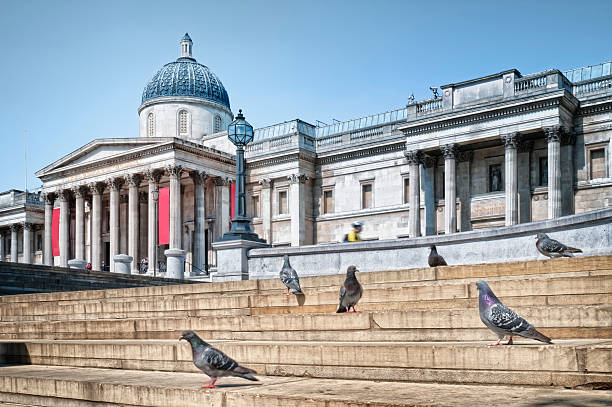
National Gallery: best when the morning stays central or dinner pulls you to the West End. The National Gallery is not on the direct westbound finish, but it can be the most graceful choice if the old hotel is in Mayfair, St James’s or near Green Park and the evening is in the West End. Trafalgar Square and Charing Cross create a clearer central London art stop than detouring into Bloomsbury or crossing south of the river.
- Best when: you want a classic art focus before the transfer, or you have a West End theatre or dinner plan that makes central London relevant later.
- How to keep it focused: build a short route around a handful of rooms rather than trying to survey the collection. A National Gallery private tour earns its place when the guide can compress the experience into a memorable arc.
- What to avoid: visiting late in the afternoon if you still need to cross west, check in and dress for dinner. That is when the museum begins to compete with the evening rather than enrich the day.
Wallace Collection: best when you want refinement before the westbound move. The Wallace Collection can be a beautiful answer when the morning begins in Mayfair or Marylebone and the group wants a smaller, more furnished, less sprawling museum. Its location north of Oxford Street is not as clean for South Kensington as the V&A, but it can work if the visit is short and the transfer follows immediately.
- Best when: the group values decorative arts, interiors, arms and armour, or a quieter scale before changing hotels.
- How to keep it controlled: treat it as the day’s cultural jewel, not as the first of several stops. For a deeper comparison of Wallace, V&A and Courtauld logic, use smaller London museum day.
- What to avoid: adding a Bond Street shopping sweep afterward unless the new hotel and dinner are both forgiving. The temptation is close; the timing cost is real.
British Museum: best only when Bloomsbury is already part of the day. The British Museum is not the default for a Mayfair-to-South-Kensington hotel change. It is too easy for the route to widen into Mayfair, Bloomsbury, South Kensington and then dinner somewhere else. That is a four-base day, and it usually feels like one.
- Best when: the traveler has a specific antiquities interest, one hotel is near Bloomsbury or Covent Garden, or the day’s cultural priority clearly outranks the simplicity of the transfer.
- How to keep it credible: make it a deliberate, guided focus rather than a casual detour. A British Museum private tour can be excellent, but it should not be squeezed between two hotel lobbies as an afterthought.
- What to avoid: pairing it with South Kensington museums on the same changeover day. That is museum sprawl, not good use of London.
Churchill War Rooms: best when Westminster is the theme, not when South Kensington is the finish. The War Rooms can be absorbing, but the visit is more concentrated and timed-feeling than many travelers expect. It belongs when Westminster, Whitehall and wartime London are the day’s point. It is not the easiest answer when your real task is to move west and keep dinner intact.
- Best when: the group specifically wants political or wartime history and the rest of the day is kept narrow.
- How to keep it balanced: avoid adding Westminster Abbey, St James’s Park, Buckingham Palace and a South Kensington check-in on the same line unless the group is very robust.
- What to avoid: turning the day into a monuments loop before the new room exists. That is where the mood starts to flatten.
The cleanest sequence from Mayfair to South Kensington
The cleanest sequence is morning ease in Mayfair, a single westward cultural stop, then South Kensington check-in before the evening decision. The day should feel like a handoff between hotels, not an orphaned itinerary waiting for housekeeping.
Start with the old hotel. Confirm that bags are labelled, transfer timing is understood, and any hand luggage is genuinely light. This is not generic luggage-storage advice; it is about removing the one variable that can spoil the day. A camera bag, medication pouch, coat, umbrella and child’s layer are sensible. A half-packed carry-on, shopping bags from the previous day and “just in case” extras turn every museum threshold into a negotiation.
Then decide whether the morning deserves Mayfair itself. If the old hotel is near Piccadilly, Green Park, Berkeley Square or Grosvenor Square, a short Mayfair or St James’s walk can create a composed start without pulling the route away from the transfer. If lunch is the anchor, choose something that does not demand a cross-town return later. For a classic Mayfair lunch reference, See the current three‑course lunch menu (https://www.theritzlondon.com/restaurant-three-course-lunch-menu) before deciding whether a formal lunch belongs before the westbound move.
After lunch or a short morning focus, move to the museum that best matches the finish. If the new hotel is in South Kensington, the V&A is the cleanest answer. If dinner is in the West End and the new hotel is only a place to change, the National Gallery can make more sense earlier. If the group is tired, skip the museum entirely and let the hotel become the day’s real reset. That is not a failed plan; it is often the grown-up plan.
The arrival window at the new hotel should not be treated as dead time. It is where the day either becomes polished or becomes vaguely irritable. Build in time for keys, room orientation, wardrobe changes, messages, showers, family regrouping and the small but important act of deciding what not to carry into dinner. Luxury travelers often underestimate this because the transfer itself is handled for them. The invisible work remains.
A practical version of the day looks like this:
- Late morning: check out of Mayfair, send bags, keep hand luggage light and avoid a major first stop.
- Midday: choose a lunch or short Mayfair-to-St James’s cultural focus only if it does not complicate the westward line.
- Early afternoon: visit one museum, ideally the V&A if the new hotel is in South Kensington.
- Mid-afternoon: check in, settle rooms and allow the hotel to do its work.
- Evening: choose dinner based on the new hotel’s geography, not yesterday’s base.
When the day should stay light, or have no formal touring at all
The best answer is no formal touring until check-in when the group’s energy is already compromised. This is the clearest place to be honest. A hotel-change day is not automatically a bonus day. Sometimes it is the day that keeps the rest of the trip from fraying.
Keep the day light if the previous night included theatre, a long tasting menu, a late return from the West End, or an early wake-up for packing. Keep it light if children are excited but brittle, older parents are moving more slowly than expected, or one traveler has mentally checked out of the first hotel before the second room is ready. Also keep it light if the new hotel is the emotional point of the day: a celebration suite, a family reunion base, or the first night of a special occasion.
The mistake is to think that a private guide must always mean a full tour. On this day, the better guide may be the person who says, “Do not add Westminster,” or “The V&A is enough,” or “Let the new hotel absorb the afternoon.” That kind of judgment is especially valuable in London because the city offers too many plausible nearby options. Plausible is not the same as wise.
Families should be particularly strict. The South Kensington museum cluster can feel like a gift to children, but it can also create a late-afternoon collapse if the plan tries to use every adjacent institution. One museum, one snack or lunch anchor, and a proper hotel arrival usually beats a longer day that ends with everyone too tired for dinner. With children, the best hotel-change plan often looks under-ambitious on paper and excellent in real life.
Couples and celebration travelers should also resist filling every hour. The room change, getting dressed, and moving into a new neighborhood can be part of the pleasure. If the evening matters, the afternoon should have enough air around it. A museum that leaves you curious is better than a museum day that leaves you quiet at dinner for the wrong reason.
How hotel geography changes dinner plans
Dinner should decide the late afternoon route once the museum choice is made. The biggest hotel-change mistake is planning dinner as if you are still based at the first hotel. Mayfair habits do not always survive a South Kensington check-in, and South Kensington convenience does not always fit a West End evening.
If the new hotel is in South Kensington and dinner is also west, keep the afternoon west. This is the easiest version of the day. A V&A visit, a hotel return, and dinner in South Kensington, Chelsea, Knightsbridge or along the Sloane Street axis gives the group a sense of arrival. The evening feels local to the new base rather than like a commute back to the old one.
If dinner is in Mayfair after you have moved to South Kensington, decide whether the dinner is worth the return. It may be, especially for a serious reservation or a celebration meal. But do not pretend the geography is neutral. You will check in west, settle, dress, return east, dine, and come back west again. That may still be right. It just cannot also carry a heavy afternoon museum and a shopping detour without making the evening feel longer than expected.
If dinner is in the West End, Covent Garden or around theatre plans, the day needs a cleaner central handoff. You may choose the National Gallery before the transfer, check in at South Kensington, then return east later for the performance or meal. Or you may keep the afternoon unusually light and let the West End be the day’s main event. A West End night after a hotel change should feel intentional, not like one more commute tacked onto the end.
If dinner is at Ikoyi or another destination around the Strand and central London edge, the route requires even more discipline. Check Ikoyi menu & reservations (https://www.ikoyilondon.com/) directly, then decide whether the day should finish central before check-in or whether the South Kensington room return is non-negotiable. The issue is not prestige; it is direction. A destination dinner east of the new hotel changes what the afternoon can responsibly hold.
If dinner is undecided, use the new hotel as the default. This is where hotel geography quietly shapes the whole evening. A South Kensington base makes west London dinners feel easier and West End dinners feel like events. A Mayfair base makes West End and St James’s evenings feel natural, while South Kensington museum time becomes a daytime excursion. On changeover day, dinner should usually belong to the second base unless there is a specific reservation strong enough to overrule it.
Theatre-night return logic matters too. A West End performance can end late enough that the return to South Kensington is not difficult, but it is still a return. If the day has already included Mayfair checkout, a museum, hotel transfer, a dress change and dinner, the theatre may become the point at which the schedule stops feeling elegant. In that case, reduce the afternoon rather than hoping the evening will carry the load.
Premium spend does not solve contradictory geography. A chauffeur cannot rescue a day if both hotels and dinner pull the route in opposite directions. Paying more can make transfers more private, comfortable and coordinated; it cannot make Mayfair, South Kensington, Bloomsbury and the Strand behave like one compact neighborhood.
Where a private guide changes the day
A private guide changes this day when the guide edits the route, not when the guide simply adds more commentary. The value is in making the hotel-change hours feel designed rather than like filler between rooms.
That starts before the day begins. A guide who understands the hotel geography can shape the museum choice around the actual transfer, the group’s pace, the dinner plan and the most fragile part of the day. For some travelers, that means a highly focused V&A route that ends before attention drops. For others, it means a National Gallery focus because the West End matters more than South Kensington in the evening. For a family, it might mean choosing the museum that will create the least resistance rather than the one adults think they “should” see.
It also changes the walking load. London museums are not just collections; they are buildings with entrances, security moments, stair choices, long galleries and exit decisions. A guide can reduce the number of internal choices so the group does not burn energy deciding where to go next. This is especially important on a day when the travelers are between hotel identities: not quite checked in, not quite settled, not quite ready to surrender the afternoon.
The best private version of the day often includes fewer stops than a self-guided plan. That can feel counterintuitive when paying for expertise. But expertise is what keeps the day from becoming a prestige errand list. If the guide knows when to stop, where to sit, which exit leads cleanly back toward the car or Tube, and when the hotel should take over, the whole day feels calmer.
There is also a service handoff. Bags move separately, the guide keeps the day coherent, and the hotel becomes the next stage rather than a logistical interruption. This is the natural moment to turn a loose changeover into a tailored private plan: tailor-made private tour options can be shaped around the old hotel, the new hotel, one museum and the dinner reservation rather than forcing a standard half-day route onto a non-standard day. Inquire now
Where premium spend does help is privacy, reduced decision-making, better curb coordination, a stronger interpretive arc and the confidence to cut what does not belong. Where it does not help is when the plan itself is incoherent. A luxury vehicle, a polished guide and a fine lunch cannot make an overpacked route feel restrained if the basic geography is fighting the day.
What to cut first when the plan starts expanding
Cut the second museum first. This is the simplest and most reliable rule for a London hotel-change day. The first museum can give the day meaning. The second usually turns it into a test of stamina.
Cut speculative shopping next. Bond Street, Sloane Street, Harrods and King’s Road can all make sense on other London days. On a hotel-change day, shopping has a special cost because purchases, fittings, browsing momentum and parcel handling all compete with check-in. If shopping is the true priority, make it the day’s main theme. Do not pretend it is an innocent add-on after a museum.
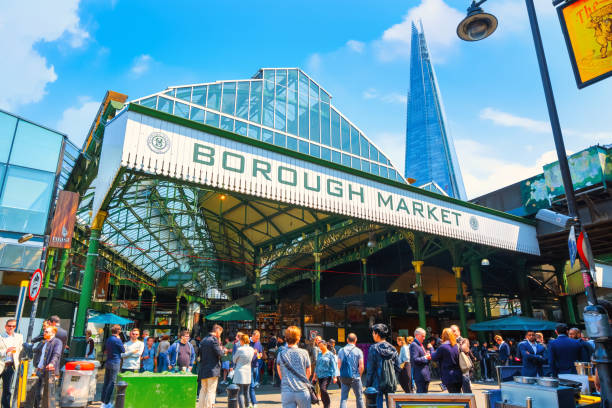
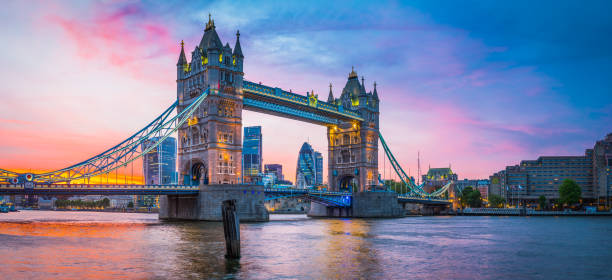
Cut cross-river movement unless the river itself is the reason. The South Bank, Tate Modern, Borough Market and a Thames crossing can be excellent when the day is designed around them. They do not belong casually inside a Mayfair-to-South-Kensington change unless dinner or a specific interest justifies the pivot. London’s bridges are beautiful, but a bridge crossing that adds a third zone can make the route feel wider than it needs to be.
Cut Westminster if it is only there because first-time visitors feel guilty. Buckingham Palace, Westminster Abbey, Whitehall and the Churchill War Rooms deserve context and energy. They are not a moral obligation on the one day when bags, check-in and dinner already shape the route. If Westminster matters, give it its own cleaner day.
Finally, cut the idea that the new hotel must be used only for sleeping. On this day, the hotel is part of the itinerary. A well-timed arrival, a shower, a change of clothes, a quiet half-hour and a short walk to dinner can be more valuable than another famous stop. The point is not to do less London. It is to make the London you do choose feel deliberate.
FAQ
What is the best museum for a Mayfair to South Kensington hotel-change day?
The V&A is usually the best default when the new hotel is in South Kensington because it sits in the destination zone and can be visited as one focused stop. The National Gallery can be better if the day remains central or dinner pulls you back to the West End.
Should we visit more than one South Kensington museum while bags move?
No, not on most hotel-change days. The V&A, Natural History Museum and Science Museum are close together, but combining them can create museum fatigue before check-in. Choose one and leave while the group still has energy for the evening.
Is the British Museum a good choice on a London hotel-change day?
The British Museum is a good choice only when Bloomsbury is already part of the day or the collection is the clear priority. For a Mayfair to South Kensington transfer, it usually pulls the route too far away from the hotel handoff.
When should we avoid formal touring until check-in?
Avoid formal touring until check-in after a poor night of sleep, a late theatre or dinner return, a long-haul arrival, family fatigue, mobility concerns or uncertainty about the new room. In those cases, a calm hotel arrival is the better plan.
Does a chauffeur make a London hotel-change day easier?
A chauffeur can make the day easier when the route is coherent, the group has several bags, or comfort and curb timing matter. A chauffeur does not fix a route that tries to combine Mayfair, South Kensington, Bloomsbury and a distant dinner in one afternoon.
Should dinner be near the old hotel or the new hotel?
Dinner should usually follow the new hotel unless a specific reservation is strong enough to justify returning east. Once you have checked in at South Kensington, west London dinners feel smoother; West End or Mayfair dinners need a lighter afternoon.
How long should the museum visit be on hotel-change day?
The museum visit should be focused rather than exhaustive. For many travelers, one strong route through selected galleries is better than a full museum survey, because the day still needs check-in, regrouping and dinner energy.
What should we cut first if the itinerary feels too full?
Cut the second museum first, then speculative shopping, then any cross-town detour that does not support the hotel move or dinner plan. The day should have one cultural point, one clean transfer and one evening that still feels worth dressing for.
If you’re interested in any private tours of London, please reach out to us.















 So if you are looking for the absolute best in London & surroundings with authentic local fully-licensed native guides whose English you can actually understand and with an exclusive and amazingly fun itinerary













