One Luxury London Hotel or Two? A White-Glove Guide to Mayfair, South Kensington and Covent Garden

Updated
Usually one hotel is better than two in London. For a premium first visit of three to five nights, keep one base, make Mayfair the default answer, let Covent Garden win only when late theatre nights are the trip’s main event, and treat South Kensington as a specialist base rather than an automatic upgrade. The reason is practical: the Heathrow-or-St Pancras arrival plus mid-stay hotel-switch penalty is real, and in London it can swallow the very time a second hotel is supposed to save. The clearest exception is a five-night-or-longer stay with two distinct halves: museum-heavy mornings first, theatre-led evenings later, most plausibly in South Kensington and then Covent Garden.
Here is the thesis that matters more than district mythology: in London, a second hotel only earns its keep when it removes a repeated drain on the week, not when it simply gives the trip a second postcode. That is why east Mayfair near Bond Street behaves so differently from its price tag on a Heathrow arrival, and why a Mayfair-to-Covent Garden switch usually saves less than the map suggests. On three or four nights, splitting a London stay is needless churn. If you are still comparing the three neighborhoods themselves rather than the one-hotel-versus-two question, compare the three neighborhoods directly.
Should you split a London hotel stay or keep one base?
Keep one base unless the week genuinely divides into two different trips.
Default winner: one hotel in Mayfair for most first premium visits of three to five nights.
Runner-up: one hotel in Covent Garden when two or more late West End or Royal Opera House nights matter more than designer shopping or Heathrow ease.
Specialist one-base choice: one hotel in South Kensington when the Exhibition Road museum cluster is central to the plan, especially with children, older parents, or a gentler first two days.
Wrong fit: two luxury hotels on a three- or four-night London stay, and especially a Mayfair-plus-Covent Garden split.
The one split that can earn its cost: South Kensington first, Covent Garden second, on a five-night-or-longer stay built around museum mornings up front and theatre-led evenings later.
The comparison is simple even when the city is not: weigh one transfer day against the number of times a different base saves a genuinely tiring return, an awkward arrival, or a repeated cross-city detour. That is why Mayfair usually wins, why South Kensington is easy to overvalue for adults on short trips, and why Covent Garden becomes compelling only when the evenings are doing serious work.
Why one hotel usually wins on a first London trip
One hotel usually wins because London wears visitors down with resets rather than with headline distances.
The city is rarely at its hardest when you are doing something memorable. It is hardest at 10:45 after checkout, with half-packed cases, one eye on a lunch booking, and the sinking feeling that the new room may not be ready when you arrive. That mid-stay move is not just a car ride. It is repacking, a front-desk stop, a bell team handover, a second round of room preferences, a gap in which you do not want to leave valuables in transit, and a day that can no longer carry a proper museum visit or a leisurely lunch without feeling crowded. Celebration travelers feel this doubly because wardrobe, gifts, flowers, or dinner clothes now have to be handled twice. Families feel it because the move happens exactly when children would rather settle. Small groups feel it because one person is always slower to repack and one room is always not ready.
A non-obvious local clue sits right at the beginning of the trip: Mayfair quietly benefits from Bond Street’s connection to Heathrow on the Elizabeth line (https://tfl.gov.uk/modes/elizabeth-line/getting-to-and-from-heathrow-on-the-elizabeth-line), which narrows the pain of a long-haul arrival more than first-timers expect. The same logic works in reverse if you are leaving for Heathrow at the end. That does not make Mayfair magically close to everything, but it does make it unusually good at absorbing the two moments when London feels least forgiving: arrival day and departure day.
St Pancras changes the math in a similar way. If you arrive by Eurostar, you already pay one London transfer before the trip has begun in earnest. Asking the week to carry a second hotel change after that is often needless churn. The glamour of “trying two neighborhoods” sounds bigger before you factor in that London hotel time is expensive time: even a smooth move can cost most of a useful late morning and the easy part of an afternoon. If the reward is only that dinner is now ten minutes closer, the trade is poor.
This is where many sophisticated travelers make the wrong optimization. They do not make a bad hotel choice; they make a bad energy choice. They assume a second hotel will make the city feel more varied. In practice, it often makes it feel shorter. Unpack once, learn one lobby, learn one doorman rhythm, learn one route back after dark, and London starts to feel knowable. Split the stay too early, and you keep restarting the city just as it was becoming easy.
The most overvalued split is Mayfair plus Covent Garden. On paper it reads like shopping-and-dining followed by theatre-and-buzz. In practice those worlds are already close enough that a short ride, one well-timed car back after a show, or a smartly planned walking evening usually solves the problem better than a second check-in. Moving between them looks elegant on an itinerary spreadsheet and wasteful from the back seat with suitcases.
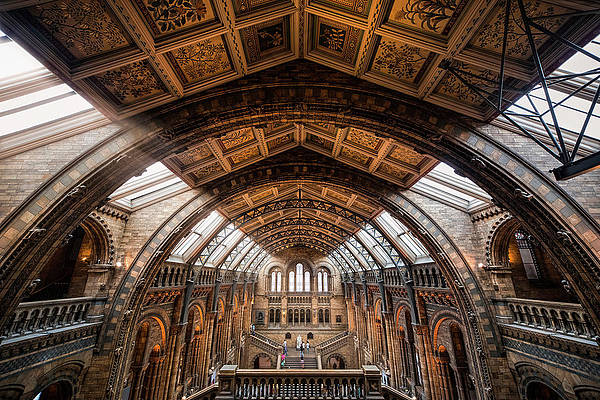
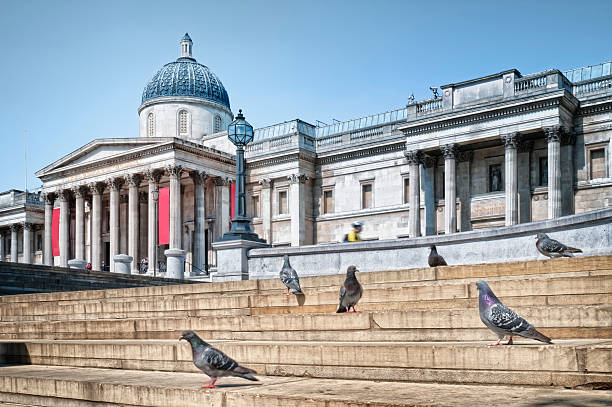
There is also a museum correction worth making early. South Kensington is superb for the Victoria and Albert Museum, the Natural History Museum, and the Science Museum, but that does not make it the automatic “museum base” for every first London trip. Many first-timers still care more about the British Museum on Great Russell Street, the National Gallery on Trafalgar Square, Westminster, or a West End evening than about sleeping beside Exhibition Road. A short trip built around those priorities does not suddenly become smarter because the hotel is closer to one museum cluster.
If the trip is starting to feel overpacked, cut the hotel move first. Do not cut the museum you most want to see, the day trip that gives the city perspective, or the dinner that anchors the evening before you cut the second set of check-in formalities.
Paying for two luxury hotel bases does not improve museums, theatre nights, or day trips on a three- or four-night first visit; it mostly adds packing, transfer, and waiting. That is the clearest place where premium spend does not help or does not earn its cost.
The same logic usually applies at five nights unless the trip has a real hinge in it. If you are still unsure how many nights London should actually have before any move begins to make sense, see how trip length changes the decision.
When a split stay starts paying on five nights or more
A split stay starts paying only when the two halves of the trip ask very different things of your body and your evenings.
The earliest it can work is a five-night stay, and even then the split has to solve a repeated problem, not a hypothetical one. The strongest version is not Mayfair then Covent Garden. It is South Kensington first, Covent Garden second. The reason is that these two bases support genuinely different rhythms. South Kensington is quieter in tone, simpler for the Exhibition Road museums, and better for mornings that need to start steadily. Covent Garden is stronger once the trip tilts toward theatre nights, late suppers, or a final phase where returning on foot or by short car ride keeps the evening alive.
Here is the five-night pattern that earns itself. Two nights or sometimes three in South Kensington at the front of the week: you arrive, recover, do the V&A or Natural History Museum without an extra cross-city hop, possibly include one easier afternoon back at the hotel, and keep the early pace humane. Then you move once into Covent Garden for the last two or three nights, when the trip turns outward into the West End, the Royal Opera House, late dining, maybe a celebratory final dinner, and a stronger sense of being inside the city after dark.
The whole decision often collapses to the South Kensington museum cluster versus Covent Garden theater-night return. If that comparison only affects one evening, stay put. If it changes several mornings and several nights, the split may be justified.
That shape particularly suits families who want the Science Museum or Natural History Museum to be more than a rushed add-on, older parents who tire faster after long gallery floors and station stairs, and travelers who know they have at least two serious evening commitments later in the week. It can also work for couples who want the first half to feel calmer and the second half to feel more theatrical, but even then it needs enough nights to absorb the moving day without bruising the trip.
What does not qualify as a real hinge? One West End show. One special dinner. One shopping day on Bond Street. One day trip to Windsor. One Eurostar departure. Those are single events, not stay-shaping patterns. Build the day around them. Do not move the hotel around them.
The other weak justification is rail anxiety. Travelers sometimes fear that the “wrong” central base will sabotage a Bath, Oxford, or Windsor day. If you are doing the outing by private car or with a chauffeur, hotel location matters far less than people think because pickup happens at your door. If you are taking a train, yes, proximity to Paddington or St Pancras can matter, but not usually enough to justify a second luxury hotel unless the rail day is part of a bigger pattern. A well-run one-base London stay can absorb one early train much more easily than it can absorb a needless relocation.
This is why a five-night split is a narrow exception, not a best practice. By six or seven nights, the case gets better because the moving day is diluted by a longer week. By five nights, it is only worth doing if the split truly changes daily experience: museum mornings in the first half, theatre-led evenings in the second. Otherwise, keep one base and buy back comfort in other ways.
A useful planner’s question is this: if the second hotel disappeared, what repeated annoyance would remain? If the honest answer is “one or two late returns,” you do not need a second hotel. If the honest answer is “three mornings of museum logistics plus two late West End nights plus a calmer first phase with children or older parents,” then a split can be rational.
Day trips rarely improve enough to justify moving hotels. In most premium London itineraries, it is smarter to choose the outing first and then let the car, driver, or route solve the rest. If that is the next decision on your list, pick the right day trip before you pick a second base.
How Mayfair, South Kensington and Covent Garden change the week
The three neighborhoods do not just feel different; they reshape where the trip loses time, where it gains ease, and what kind of evenings survive intact.
Mayfair is the best one-hotel answer when the trip needs range
Mayfair is the best one-hotel answer when you want London to stay balanced rather than specialized.
Its real advantage is not only polish or shopping. It is that Mayfair sits unusually well between several high-value moments: arrival from Heathrow, designer or department-store shopping around Bond Street and Mount Street, easy access into St James’s and the West End, and simple car routing for cross-city days. Paddington and Bond Street also make Heathrow and westbound rail days tidier than many travelers expect. You are not sleeping in theatreland, but you are close enough that a show does not require a tactical campaign. You are not sleeping beside the museums of South Kensington, but you are well placed for them by car, and you return to a district that still works for lunch, cocktails, or a quieter reset.
For couples, this balance is hard to beat. One day can lean toward Bond Street, Mount Street, or a celebratory lunch. Another can turn toward Westminster or Trafalgar Square. Another can carry a museum and still end with a late dinner without the day feeling split in two. Food-and-wine travelers also benefit because Mayfair lets lunch and dinner live in different parts of town without making the hotel itself feel stranded from either. It gives you options without asking you to repack for them.
Mayfair is also where premium spend most clearly changes the trip if you are staying one place. A stronger address here can make arrivals, shopping pauses, and evening returns feel smoother because the neighborhood itself supports those functions. That does not mean every expensive Mayfair room is worth its tariff; it means this is the one base where the surrounding geography actually helps justify choosing higher comfort once.
The caution is equally clear. Mayfair is not the best answer if the week is theatre-heavy and you know you dislike late cars, or if your museum priorities are strongly concentrated on the South Kensington cluster with children in tow. It is the broadest one-base solution, not the answer to every narrow brief.
South Kensington is a specialist base, not a default upgrade
South Kensington is best when the Exhibition Road cluster is truly central to the trip and when calmer mornings are worth more than buzzy evenings.
This neighborhood earns its keep fastest for families, older parents, and travelers who want to walk to one or more of the big nearby institutions rather than treat them as cross-city projects. The Natural History Museum’s own visitor guidance (https://www.nhm.ac.uk/visit/getting-here.html) is a helpful reality check here: South Kensington station is close, but it is not step-free, which matters more than map distance suggests once strollers, mobility issues, tired feet, or rainy returns enter the picture. Nearby museums along Exhibition Road and Cromwell Road are the real prize; the hotel works because the cluster works.
That cluster can change the tone of a first visit in a genuinely positive way. You can do the V&A without turning it into an expedition. Children can have a proper museum morning and still make it back for downtime. Older parents can avoid stacking a long station transfer on top of gallery walking. Travelers arriving slightly wrecked from an overnight flight often find South Kensington gentler than a more intense West End base for the first day or two.
But South Kensington becomes overvalued when adults on a short first visit say they want to be “near museums” and have not separated which museums they mean. The British Museum is not here. The National Gallery is not here. Theatreland is not here. Bond Street shopping is not here. St Pancras and Paddington are not at its doorstep either. If your shortlist actually leans British Museum, National Gallery, Westminster, dining, and one show, South Kensington is not the efficient answer; it is simply the quiet answer, and quiet alone is rarely enough reason to move your whole base westward.
The neighborhood also loses force late in the day. Once dinner is in the West End or a show is on Bow Street or Drury Lane, the return becomes another task to manage. That does not make it impossible. It means South Kensington is strongest when you intend to use its mornings and middays heavily enough to justify those later tradeoffs.
Covent Garden is strongest when the evenings matter as much as the sightseeing
Covent Garden is strongest when you care deeply about how the trip feels after 7pm.
This is the base for travelers who already know the week includes two or more West End performances, late suppers, a final celebratory night, or the kind of evening wandering that you actually want to do rather than admire in theory. It is also excellent for visitors who want the National Gallery, Trafalgar Square, Soho, and theatreland to feel woven together rather than visited one by one from elsewhere. The district keeps the last quarter of the day light on logistics, and that has an outsize effect on mood.
Covent Garden is not the shopping winner if your plan is serious luxury retail around Bond Street, Mount Street, or Sloane Street. It is also not the cleanest Heathrow answer, even if it can be workable for a St Pancras or Charing Cross rail morning. The neighborhood’s strength is emotional as much as geographical: the evening does not end when you leave the venue. You can step out, stroll, take one drink, choose whether to walk farther or go straight back, and let the city stay textured instead of transactional.
It is also the best late-phase base in the one split that works. Once museums are mostly done and the week pivots toward performance, dining, or simply wanting the West End outside the door, Covent Garden makes that second half feel denser without requiring heroic stamina. That is why it beats Mayfair as the back half of a successful split, even though Mayfair often beats it as the better all-round single base.
The caution is that Covent Garden can become noisy, busy, and slightly overanimated if you wanted London to feel polished and composed rather than theatrical. It is a good answer when the liveliness is part of the point. It is a weaker answer when the trip’s pleasures are quieter lunches, retail, and gracious returns.
The South Kensington-to-Covent Garden evening-return hinge
The South Kensington-to-Covent Garden evening-return hinge is the one routing question that most often tempts travelers into overbuying a second hotel.
On a Tube map, the return looks easier than the debate around it suggests because both neighborhoods sit on the Piccadilly line. That is exactly why people misjudge it. A diagram is not an evening. After a performance or late dinner, comfort-first travelers do not experience the route as colored lines; they experience it as station stairs, platform decisions, street congestion, weather, queueing, and the mental effort of one more transfer when the day should be over.
Covent Garden itself is not always the station you want to use after dark. The Royal Opera House visitor information (https://www.rbo.org.uk/visit/visitor-information) is revealing on this point because it flags step-free access via Leicester Square, Holborn, or Tottenham Court Road rather than pretending the nearest station is always the best one. That is an excellent example of how London routing really works. Bow Street may be the best pickup. Leicester Square may be the easier walk. Tottenham Court Road may be the simpler step-free choice. None of that is hard once or twice. It just means the “simple” return to South Kensington is less frictionless than first-time planners imagine.
Still, this is the crucial judgment: one or two of those returns do not justify a hotel switch. They justify a car back, or they justify ending the evening a little earlier, or they justify choosing Covent Garden only if those returns are central to the trip. The hinge matters because it can save the evening on repeated late nights. It does not matter enough to force a second base for a single performance.
Where it does begin to matter is on trips with consecutive theatre evenings. Two late returns from Bow Street, Drury Lane, or the Strand to South Kensington can flatten the second night, especially for older parents, anyone in formalwear, or families stretching bedtime. In that narrow case, a late-phase move into Covent Garden can be sensible. But note what makes it sensible: not “trying another neighborhood,” but removing the same late-night drag more than once.
This is also why Covent Garden can beat Mayfair for the back half of a split even when Mayfair wins the overall one-base verdict. From east Mayfair, the West End is not difficult. From Covent Garden, it is almost absorbed into the hotel geography. That difference is meaningful when the trip is now being judged on how the evening lands, not how the whole week balances.
What London does to the body, and what it does to the mood
London usually tires travelers through accumulation: not one dramatic hill or one all-day march, but six medium drains that arrive before and after the interesting parts.
It is the queue at a museum entrance, the stairs at a Tube station, the walk from platform to street, the wet curb while waiting for a car, the extra half-hour lost because you checked out before your lunch district was really awake, the long gallery floors that feel fine until you add them to a late return. South Kensington can spare you some of that if the museums there are central. Covent Garden can spare you some of it if nights in theatreland are central. Mayfair spreads the load more evenly across the whole week. That is why the base decision has bodily consequences, not just stylistic ones.
Mood follows the same logic. London feels longer when the hotel disappears into the background. Unpack once, settle into one staff rhythm, know where you are coming back to, and even a busy itinerary can feel composed. Add a mid-stay move, and the trip acquires a seam you can feel. The city stops flowing and starts arriving in chapters. Sometimes that is worthwhile. Often it makes a five-night visit feel like four. If you are arranging the week around reservations, confirm the booking itself rather than moving the room around it. A lunch or dinner anchor can shape a day, but it rarely deserves a hotel relocation; that is true whether you are checking Ikoyi menu & reservations or deciding whether to See the current three‑course lunch menu before building a Mayfair lunch-and-shopping afternoon around it.
That is the emotional reason one-base London usually feels richer than two-base London. The second hotel promises variety. The first hotel often delivers calm. For discerning travelers, calm is not lesser. It is what allows the memorable parts of the trip to stay vivid.
Spend for access, not for duplicate rooms
When more money really helps in London, it helps by reducing handoffs and preserving good hours.
A better airport or rail transfer helps. A well-timed private car after a show helps. One cross-city day with a driver, especially when you are mixing museums, shopping, and an evening plan, helps. A guide who can shape the order of the day so you do not bounce between districts helps. These are the upgrades that buy back time, decision-making energy, and comfort in weather or traffic.
What does not reliably help is paying palace-level rates twice on a short stay just so the trip can have two atmospheres. Duplicate rooms do not make the British Museum closer to South Kensington. They do not make Heathrow meaningfully easier from Covent Garden. They do not improve a private day trip that starts at your front door. They only help when the second base repeatedly removes a real burden that would otherwise keep recurring.
This is why a single well-shaped day can outperform a second hotel. One Mayfair base with a museum morning in South Kensington, a return to rest, a West End dinner, and a car home can do the work of two postcodes. One Covent Garden base with a planned Bond Street shopping block and a clean Heathrow transfer can do the same. One South Kensington base with a driver on the heavy Westminster-British Museum-West End day may feel easier than changing addresses halfway through the week.
If your instinct is to switch hotels because the plan feels stretched, consider buying back the hardest day instead. That is often the better luxury decision. For many travelers, the smarter substitute for a second base is a chauffeured London day rather than a second set of room keys.
How to keep one hotel and still get two-base convenience
Most travelers can keep one hotel and still enjoy two-base convenience by shaping the week more deliberately.
That can mean clustering South Kensington museums on the same day and letting the hotel be nearby only by car, not by address. It can mean giving Covent Garden its own evening and not trying to add a major museum first. It can mean choosing a Heathrow-friendly base and then using one well-planned cross-city day so the hotel does not have to solve every district every day. It can also mean building the week around who tires fastest: children, older parents, the couple with a big celebration dinner, or the small group that wants one gentle afternoon instead of wall-to-wall sightseeing.
This is the trip shape where a custom multi-day plan often removes the need to switch hotels at all. One address, one luggage setup, one arrival, one departure, but days ordered so museums, shopping, dining, and evening returns each happen at their natural speed. If that is the version of London you want, a tailor-made London plan is usually a better use of premium budget than two luxury bases. Then, once the shape is right, Inquire now.
FAQ
Is one luxury London hotel enough for a first trip?
Yes, in most cases it is more than enough. For three to five nights, one well-chosen base usually creates a calmer, longer-feeling trip than two hotels because you avoid a mid-stay packing day and keep the city from restarting halfway through.
When does splitting a London stay actually pay off?
It starts paying off at five nights or more only when the trip has two distinct halves. The strongest example is South Kensington first for museum-heavy mornings, then Covent Garden for repeated theatre nights and easier late returns.
Is South Kensington too far for West End theatre nights?
No, it is not too far for one or two theatre nights. It only starts to feel tiring when the schedule includes repeated late returns, when mobility matters, or when the day was already museum-heavy. That is why South Kensington can work as a one-base hotel but becomes a weaker match for theatre-led itineraries.
Is Mayfair or Covent Garden better for Heathrow?
Mayfair is usually better for Heathrow because Bond Street and Paddington make the airport transfer logic cleaner. Covent Garden is more compelling when late West End evenings matter more than airport ease.
Does South Kensington make sense if the British Museum and National Gallery are priorities?
Usually not as the default. South Kensington makes sense when the V&A, Natural History Museum, and Science Museum are core priorities. If the British Museum, the National Gallery, Westminster, and theatre nights dominate, Mayfair or Covent Garden is normally the stronger base.
What is the most overvalued London split stay?
Mayfair plus Covent Garden is the most overvalued split. They are different in mood, but not different enough in practical routing to justify a hotel move on a short stay. A planned car back after a show is usually the better answer.
Should families or older parents ever choose South Kensington over Mayfair?
Yes. South Kensington can be the better one-base choice when the museum cluster is central to the week and when quieter mornings matter more than nightlife, shopping, or airport convenience. It is especially sensible if you want the first phase of the trip to feel measured rather than busy.
Can a private car or custom touring plan remove the need for two hotels?
Very often, yes. A well-shaped chauffeur day or multi-day private plan can solve the exact problems people try to solve with a second base: cross-city fatigue, late returns, museum sequencing, and arrival or departure drag. In other words, it can give you the benefits of two neighborhoods without asking you to move into both.
If you’re interested in any private tours of London, please reach out to us.




















 So if you are looking for the absolute best in London & surroundings with authentic local fully-licensed native guides whose English you can actually understand and with an exclusive and amazingly fun itinerary













