Belém, Baixa or One Hilltop View? A Private Lisbon Cruise Day for a Five-Star Stay

Updated
Belém plus Baixa is the default winner for a Lisbon cruise day, and one hilltop view is only the upgrade when time, mobility, and return buffer all stay generous after lunch. That verdict works because Lisbon behaves like two different cities in one port call: from Doca do Jardim do Tabaco and Santa Apolónia west toward Belém and back east to Praça do Comércio, it is largely a river-axis day; once you pivot uphill toward Alfama or São Jorge Castle, it becomes a city of gradients, cobbles, and slower returns. On a cruise day, Lisbon rewards horizontal ambition and punishes vertical greed.
The clearest exception is a long port call with a driver, modest monument ambitions, and a party happy to treat the east hill as one controlled stop rather than a full old-quarter exploration. If you have already seen Belém on a previous trip, the answer can flip. But for first-time cruise passengers who care about comfort, lunch quality, pacing, and returning to the ship without that low-grade deadline anxiety, the strongest plan is simple: keep the day on the river spine as long as possible, make the Belém-to-Baixa handoff deliberately, and earn any climb only after that test has been passed.
That is why cruise guests comparing cruise layover planning options so often do better with a Lisbon day built around one coherent arc rather than a “best of everything” scramble. The city can absolutely feel rich in a single port call. It just cannot be treated like an overnight stay with the same margin for detours.
Belém, Baixa or one hilltop view: the ladder that actually works from a ship
The ranking below is based on four things that matter more than postcard variety on a port day: how many transfer resets you introduce, how much climbing accumulates, how exposed you are to line drag, and how transparent your return to the terminal remains.
- 1. Belém + Baixa: default winner. This is the best use of one premium Lisbon port day for first-timers, couples, multi-generational parties, and anyone who wants a proper lunch and a return that still feels composed.
- 2. Belém + Baixa + one hilltop view: runner-up. This works when you have a driver, the ship schedule is favorable, and “one hilltop view” really means one purposeful stop, not a castle visit, viewpoint crawl, tram ride, and Alfama wander piled together.
- 3. Belém + Baixa + Alfama as a full third act: wrong fit for most cruise calls. This is the version people describe as doable because the map looks close, then remember as the day that turned Lisbon into a sequence of lines, inclines, and anxious glances at the time.
The counterintuitive correction is this: on a ship day, Alfama is usually more overvalued than Baixa. Baixa can look less romantic on paper, but it gives you the space, lunch flexibility, and legible geography that let the day breathe. Alfama is marvelous when it has room to unfold. It is much less generous when it is being squeezed after Belém simply because “the castle is famous too.”
1. Belém + Baixa wins because the city stays readable
Belém gives you monumental Lisbon with river light and a clear sense of place; Baixa gives you the center without immediately demanding a climb. Together they cover enough of the city’s identity that the day feels substantial rather than thin. More importantly, the route remains legible. You can feel where you are in relation to the river, the car, and the terminal. That matters much more than travelers expect.
2. One hilltop view earns its place only when it stays singular
The best version of the runner-up is not “Alfama added on.” It is Belém, then Baixa, then a single east-hill drop for a quick panoramic payoff before a clean return. That might mean a viewpoint edge or a castle-side arrival with limited walking. The moment it becomes multiple hilltop ambitions, the economics of the day change.
3. A full Alfama layer is what to cut first
If the day starts to overfill, cut the full Alfama exploration before you cut Belém or Baixa. Belém carries historic weight and river identity. Baixa preserves ease and options. Alfama, on a cruise clock, is the part most likely to turn delight into effort unless it is the main event from the start.
Why Belém and Baixa beat trying to conquer central Lisbon
The reason this pairing wins is geographical before it is cultural. Belém works as a single west-end block of meaning, while Baixa is the last large section of central Lisbon that lets a cruise day stay broad-shouldered and calm.
Belém is not just another stop on the list. It is one of the few places in Lisbon where the city’s maritime identity, grand monuments, gardens, pastry culture, and riverfront walking all reinforce one another instead of pulling you in different directions. The official Jerónimos Monastery site (https://www.museusemonumentos.pt/en/museus-e-monumentos/mosteiro-dos-jeronimos-e-capela-de-sao-jeronimo) still frames the monastery and Belém Tower as a deliberate Tagus-edge pair. That historical pairing still has a practical travel consequence now: Belém sightseeing hangs together naturally. You arrive, walk a coherent district, and leave feeling you completed a chapter rather than clipped three unrelated corners of the city.
This is also where a quiet editorial call matters. If you are a first-timer and only have the appetite for one major interior in Belém, defend Jerónimos over a tower interior. The monastery’s scale and setting justify the time more reliably. The tower, by contrast, is often best treated as a strong exterior and riverside pause on a cruise day. Use the official ticket page (https://www.museusemonumentos.pt/en/pagina/tickets) to check current conditions before you build your timing around it, but do not assume tower entry deserves to run the day simply because the silhouette is famous.
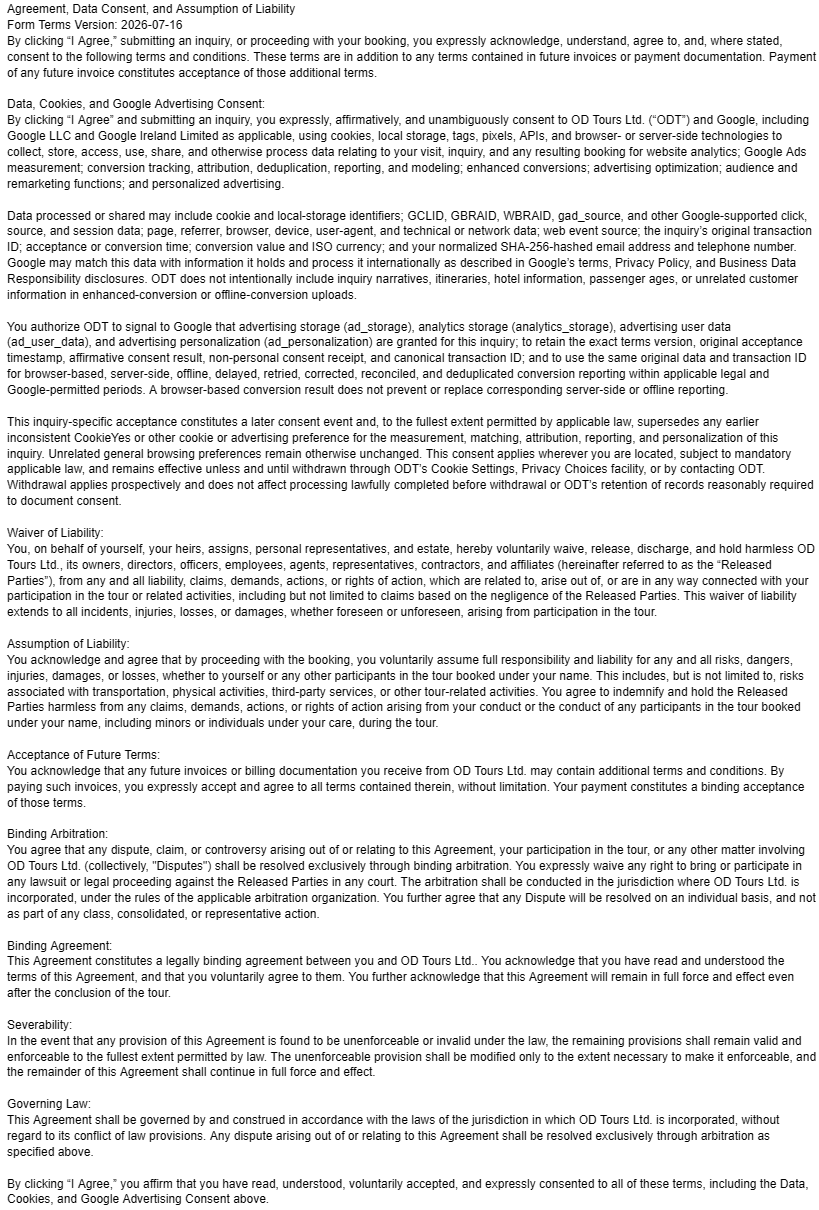
From Belém, the next important decision is not “what else can we fit?” but “how good does the Belém-to-Baixa handoff still feel?” That handoff is the true hinge of a premium port day. If the westbound block has stayed orderly, the eastbound return along the river through Alcântara, past the 25 de Abril Bridge zone and toward Cais do Sodré, still feels like one continuous city narrative. By the time you reach Praça do Comércio, you have not changed cities; you have simply moved from the monumental river edge into the lower historic center.
Baixa matters here because it gives you compression without claustrophobia. Around Praça do Comércio, Rua Augusta, and the gridded lower streets, Lisbon becomes easier to read with the feet and with the clock. Lunch becomes a pleasant decision rather than a tactical scramble. Families can slow down without feeling they are losing the plot. Couples can stop for a drink or a sweet without turning the whole schedule brittle. Small groups stop debating maps because the district itself explains what is next.
This is where many cruise visitors misread the city. They see Baixa as the “less atmospheric” option and assume the more soulful choice is to rush onward uphill. In practice, Baixa is what keeps the day from flattening into transfers. It is the district that gives a first-time visitor room to notice paving patterns, facades, arcades, and the Tagus opening back out at Praça do Comércio rather than merely consuming Lisbon as a list of named viewpoints. That is not a lesser experience. On a timed port call, it is often the better one.
Lisbon also loads physical effort unevenly. The river edge can make everyone feel fresher than they really are. Then the city changes surface and pitch underfoot: polished stone, old cobbles, short steep ramps, stepped lanes, and the small stop-start burden of crowds at every obvious corner. That is why forcing Alfama after Belém can feel acceptable on paper yet land in the body as the point when knees, calves, strollers, and patience all begin to negotiate separately.
The mood consequence is just as important. A Belém-plus-Baixa day still leaves emotional bandwidth. You return to the ship feeling you saw Lisbon in sentences, not fragments. There is time for a proper lunch, time to look up, and usually time to absorb one more square or facade without resentment. A Belém-plus-hills chase often shortens the day psychologically. The clock becomes the dominant monument, and the city starts to feel like something you are pursuing rather than inhabiting.
If you already know Lisbon and care most about old-neighborhood texture, this recommendation can break. Repeat visitors who have done Belém well may rationally spend their limited time elsewhere. But for a first port call, Belém and Baixa outperform broader ambition because they give the city scale, history, and livability without converting half the day into route management.
That is also why travelers comparing this port-day question to Belém and Jerónimos touring should think in chapters rather than in boxes checked. Belém is a chapter. Baixa is a chapter. Alfama is a chapter too, but on a ship day it is usually the one chapter that needs either more time or stricter editing than people expect.
When a driver changes the day and when waterfront walking still works
A driver changes this day only at specific hinges, not everywhere.
The Port of Lisbon (https://www.portodelisboa.pt/en/terminal-de-cruzeiros-de-lisboa) puts the main cruise terminal by Santa Apolónia and the historic center, which is why lower-city Lisbon can still make sense on foot. If your dream port day is essentially terminal to Praça do Comércio, perhaps along Ribeira das Naus, with Baixa and a long lunch before returning, you do not need a full-time car shadowing you. In that version, walking is not a compromise; it is part of the pleasure.
Where walking stops being elegant is when Belém enters the plan. Belém is too far west for a comfort-first port day to treat as a casual extension of the terminal district. You can certainly reach it independently, but from a premium-planning standpoint the value of a driver begins the moment you decide your day needs both the west-end monument band and the lower center. That is the first hinge.
The second hinge is the Belém-to-Baixa handoff. After a Belém morning, the difference between a clean transfer and a muddled one is not trivial. A car lets you leave when you are ready rather than when the next transport rhythm happens to suit you. More importantly, it lets you arrive at the right edge of Baixa, often around Praça do Comércio, without bleeding time into navigation, platform decisions, or the minor frictions that individually look small and collectively consume the daylight you thought you still had.
The third hinge is the east hill. If you are adding one hilltop view, a driver is not a luxury flourish; it is what keeps the stop from becoming a miniature expedition. The right drop-off can turn a demanding neighborhood into a single scenic punctuation mark. The wrong arrival can turn the same neighborhood into an uphill sequence that feels oddly punitive after a full morning.
That said, a full-time car does not always earn its cost. If your plan lives entirely in lower Lisbon, the car can spend long stretches idle while you are enjoying the very part of the city best experienced at strolling pace. A hybrid day is often the smartest version: transfer from the ship to Belém, explore Belém on foot, use a car for the Belém-to-Baixa handoff, then walk Baixa and only call the car back if you are genuinely taking the hilltop option or want a particularly clean return.
There is also an honesty test here. Paying for a car does not fix the queue at Jerónimos, does not thin the pedestrian congestion around Belém, and does not make Alfama flat. That sentence matters because many travelers unconsciously hope premium spend can erase urban physics. In Lisbon, it cannot. What it can do is remove dead mileage, reduce decision fatigue, spare unnecessary slopes, and keep the return route visible when the ship deadline begins to matter.
The gain is especially strong for small family groups, travelers with older knees or ankles, celebration days where lunch matters as much as monuments, and anyone who wants the east hill to feel curated rather than improvised. A guide-and-driver team can also edit live: shortening Belém if a line has become unrewarding, shifting lunch sooner, or converting “Alfama” from an overstuffed fantasy into one decisive viewpoint that still protects the afternoon.
Waterfront walking still works beautifully in two cases. The first is the lower-city-only plan, where the stretch from Campo das Cebolas and the river edge toward Praça do Comércio feels intuitive and satisfying. The second is the Baixa portion of a hybrid day, where you deliberately leave the car and experience the city at human speed once the longer jump is finished. What does not work as well, despite how innocent it sounds, is combining ship-to-center walking, Belém transport, Baixa wandering, and then an uphill finale as if each little segment will cost nothing. In Lisbon, the invisible costs are the whole story.
Travelers weighing chauffeured Lisbon touring against a mostly on-foot plan should make the choice at the route breaks, not by status instinct. The car matters most where Lisbon stops being one continuous walk and starts becoming a sequence of separated zones with very different effort profiles.
Should cruise passengers squeeze in Alfama after Belém?
Usually no. On a cruise day, Alfama should be treated as a real commitment, not as the charming little coda that guidebooks sometimes imply.
The reason is not just the climb itself. It is the way Alfama hides time. Distances look short, but the quarter is a chain of stair runs, sloped lanes, pauses for photos, blind turns, taxi drop-offs that are near rather than exact, and returns that rarely retrace as simply as you imagine. Once you add São Jorge Castle or the miradouros around Santa Luzia and Portas do Sol, you are no longer fitting in “one more neighborhood.” You are starting a second city with a different pace.
One hilltop view can still be excellent. That version works when you have finished Belém cleanly, the Belém-to-Baixa handoff has stayed efficient, and Praça do Comércio still feels like a decision point rather than a warning sign. It also works when everyone in the party understands the rule: this is a view stop, perhaps with a short walk, not an open-ended exploration. You arrive, take the payoff, feel the eastern hillside, and leave before the old quarter begins asking for a deeper investment.
What tends to fail is the blurry middle option: “just a little Alfama.” Maybe it starts with a quick castle thought, then becomes one viewpoint, then another, then a downhill wander that looks easy but lands you farther from the cleanest return than expected. By then lunch has shifted later, feet are heavier, and the ship clock starts converting every small delight into a calculation.
A premium Lisbon cruise day should skip the extra hilltop stop when your Belém morning ran long, when lunch is still unresolved by the time you reach Baixa, when anyone in the group is already stepping carefully on cobbles, or when the all-aboard time means your return buffer will only feel good if everything else goes right. That is too fragile a standard for a city built on interruptions.
If you truly want Alfama, the smarter play is often to build the day around it from the start or save it for an overnight. A focused east-hill plan with castle priority, guided neighborhood context, and lower expectations for Belém is legitimate. What is weak is pretending the same port call can give Belém, Baixa, and a satisfying Alfama without tradeoffs. It can sometimes give you all three names. It rarely gives you all three well.
There is also a meaningful difference between a castle-side stop and a full Alfama experience. A driver can place you near the payoff and spare a punishing approach. A walking-first plan usually enters the hill more slowly and pays for it in both time and legs. This is why some travelers come home saying “one viewpoint was perfect” while others come home saying “Alfama felt rushed.” They did not really take the same trip.
One more hard judgment: do not use Tram 28 nostalgia to justify the hills on a cruise day. For an overnight stay, it can be folded into a looser city experience. On a timed port call, it is a queue gamble layered onto the very part of Lisbon that is already hardest to control. The city does not become more refined because you waited for a famous tram instead of choosing a clean route.
If old-Lisbon atmosphere is your highest priority and you accept the trade, then choose it honestly. The best version is usually a deliberate São Jorge Castle and Alfama private visit or an east-hill stop backed by a driver, not a last-minute squeeze after you have already spent the day in Belém. Cruise planning becomes far calmer the moment you stop asking Alfama to behave like a postcard detour and start treating it like the substantial hill district it is.
What to cut first when the ship clock starts tightening
Cut the second vertical move first, then the full Alfama layer, then any line-dependent add-on that is not central to why you came.
The cleanest way to manage Lisbon from a ship is to rank experiences by how hard they are to exit, not by how famous they are.
Belém is easy to enter and easy to leave if you keep your expectations edited. Baixa is easy to enter and easy to leave. The east hills are easy to admire and harder to exit cleanly, because the return involves either a purposeful descent, a regroup with your driver, or a less transparent journey back toward Avenida Infante Dom Henrique and the terminal zone.
When the day starts tightening, cut in this order:
- Cut the extra hilltop before you cut Baixa. One panoramic stop can be lovely, but it is the least essential layer once timing turns delicate.
- Cut tower entry before you cut Belém entirely. Belém still works extremely well as a district of exteriors, monastery focus, gardens, riverfront, and pastry pause.
- Cut the idea of “just one tram ride.” It is a time lottery, not a control tool.
- Cut the sit-down lunch only last. For many travelers, lunch is what keeps the day feeling generous rather than extractive.
A useful private-planning rule is this: if the Belém-to-Baixa handoff happens and you immediately feel the need to negotiate the rest of the day aloud — lunch, viewpoint, return, timing, bathroom stops, transport — then the hills have already become too expensive. The point of Baixa is that it simplifies the next decision. The moment it does not, you need less Lisbon, not more.
Ship-return buffer matters emotionally as well as logistically. Many travelers think of buffer as dead time. In Lisbon, buffer is what lets you enjoy the city you already chose. It keeps the drive back along the river from feeling sharp. It lets a delayed coffee or a slower walker remain part of the day rather than a problem. It also keeps the terminal re-entry from dominating memory. Missing the ideal amount of Lisbon by one stop is forgettable. Spending the last hour of the day in low-grade stress is not.
This is where a private guide earns trust more than performance. The best decision is often subtraction: turning a castle plan into a miradouro stop, turning a monument interior into an exterior read, or turning “Alfama” into “next time.” That is not timid planning. It is the kind of editing that keeps a cruise day from becoming all appetite and no shape.
Do not spend the morning obsessing over the evening — reservation pages, wine pairings, or an official PDF for a special dinner — while treating the port-to-hills threshold as an afterthought. On a same-day Lisbon call, the route is the real luxury choice.
A calm cruise-day flow that still feels like Lisbon
The best version of this day feels like one long arc along the Tagus, not three separate sightseeing campaigns.
Start with a clean move from the terminal to Belém rather than spending your freshest hour in a half-city compromise near the ship. If Belém is in the picture at all, it should come first, while energy is high and the monuments still feel like the day’s opening chapter rather than an obligation stuffed between other things. Keep the Belém block edited: one strong interior at most, exterior reading for the rest, a walk that respects the river, and time for a relaxed sweet or coffee rather than a frantic snack swallowed in transit.
Then make the Belém-to-Baixa handoff deliberately. This is not wasted transfer time; it is the seam that decides whether the day will stay generous. If you arrive around Praça do Comércio feeling composed, you have earned the city center. Use Baixa as the place to settle into Lisbon rather than to sprint through it. This is where a celebration traveler can choose a proper lunch, where families can pause without guilt, and where couples can finally stop looking at a map and start noticing the actual city.
If the day is going perfectly and you still want the uphill note, add it late and keep it strict. One hilltop view is enough to give the city its vertical drama. A driver-assisted stop near a miradouro or castle-side edge can deliver that sense of rooftops, church domes, and river without demanding that the whole afternoon be sacrificed to an old-quarter conquest. Arrive knowing how long you are prepared to spend there, and leave before the stop begins inventing sequel plans.
If the day is merely good rather than perfect, stop in Baixa. Walk the lower grid, browse a little, finish with river air at Praça do Comércio, and keep the return civil. There is nothing second-best about that ending. In fact, for travelers who value how the day feels as much as how many names it includes, it is often the more sophisticated finish.
The flow changes slightly by traveler type, but the verdict barely moves. Older travelers and multi-generational groups benefit most from the river-first shape because it concentrates effort where the city is broadest. Families do better because the day contains fewer abrupt transitions and fewer moments where one person’s pace breaks the plan for everyone else. Food-and-wine travelers do better because lunch can stay enjoyable instead of tactical. Small celebration parties do better because the day preserves room for spontaneity rather than demanding relentless compliance with an itinerary.
The wrong fit is the traveler who values bragging rights over texture and wants every iconic name pronounced before sail-away. Lisbon can tempt that impulse because the landmarks are so visible from one another in postcards and skyline views. But the experience of moving between them is what sorts the elegant plans from the exhausting ones. The city is not difficult in a heroic sense. It is difficult in a cumulative sense. That is why disciplined cruise-day planning feels so much better than ambitious cruise-day planning here.
If your cruise call is exceptionally long, you have seen Belém before, or you are disembarking into a Lisbon hotel rather than boarding the ship again that afternoon, the logic loosens. Then you can afford to let the east hill become more than a punctuation mark. But that is a different article and, frankly, a different day. For readers solving the overnight version of Lisbon, the better adjacent read is our riverfront-before-the-hills arrival guide, where the city can unfold without a port deadline pressing every choice.
The real payoff is not only getting back on time. It is arriving back with enough energy for the rest of the voyage, or enough appetite and composure for dinner if you are staying ashore. That is the five-star part of the equation: not squeezing harder, but preserving the part of the day that would otherwise be flattened by one more hill.
If your own decision tree has reached the point where the return route, hill threshold, and driver question are clearly the difference between a graceful day and a strained one, that is exactly where a private plan starts to earn its keep. The goal is not to make Lisbon faster than it is. It is to make the right parts easy and the wrong parts optional, while keeping the ship return utterly straightforward. Inquire now
FAQ
Is Belém or Alfama better for a Lisbon cruise stop?
Belém is usually the better choice for a first Lisbon cruise stop because it gives you major history, a strong sense of the river, and an easier route structure. Alfama is better only when you want the old hill quarter specifically and are willing to spend more of the day on climbing, navigation, and a less forgiving return.
Can you do Belém, Baixa, and Alfama in one day from a cruise ship?
You can sometimes fit all three names into one day, but that is not the same as doing all three well. Most travelers are happier with Belém plus Baixa, or Belém plus Baixa plus one controlled hilltop stop, than with a full three-zone sweep that turns the afternoon into logistics.
Do you need a driver for a Lisbon cruise day?
You do not need a driver if you are keeping the day in lower Lisbon and are happy walking. A driver starts earning the cost when you combine the port with Belém, when you want the Belém-to-Baixa handoff to stay clean, or when you plan to add one hilltop view without making the return feel fragile.
Can you walk from the Lisbon cruise terminal to the city center?
Yes, walking into the lower center can work well from the terminal area if your plan is focused on Baixa and the waterfront. It stops being the elegant choice when you also want Belém, because that adds a long westward leap and makes the day more transfer-heavy than it first appears.
Is one hilltop view worth it if you only have a port day?
Yes, one hilltop view can be worth it if the rest of the day has stayed disciplined and you treat the stop as a single payoff rather than the start of a full Alfama exploration. It is usually not worth it when Belém ran long, lunch is unresolved, or anyone in the group is already tiring on Lisbon’s surfaces.
What should you cut first if your Lisbon port day is running late?
Cut the extra hilltop first, then any line-dependent add-on such as tower entry or a tram idea. Keep the parts of the day that preserve shape: Belém if that is your main west-end chapter, Baixa for lunch and the center, and a return that never feels like a gamble.
Should first-time visitors choose Jerónimos Monastery or Belém Tower?
For most first-time cruise visitors, Jerónimos is the stronger priority if you are choosing one major interior. Belém Tower is a wonderful image and setting, but on a port day it often works best as an exterior landmark unless current conditions happen to make entry especially straightforward.
Is Baixa boring compared with Alfama for a short Lisbon stop?
No. Baixa is frequently the part that makes a short Lisbon stop feel spacious, civilized, and complete. Alfama is more atmospheric in the obvious sense, but Baixa is what often protects the lunch, the pace, and the clarity that make the whole day memorable for the right reasons.
If you’re interested in any private tours of Lisbon, please reach out to us.

 So if you are looking for the absolute best in Lisbon & surroundings with authentic local fully-licensed native guides whose English you can actually understand and with an exclusive and amazingly fun itinerary