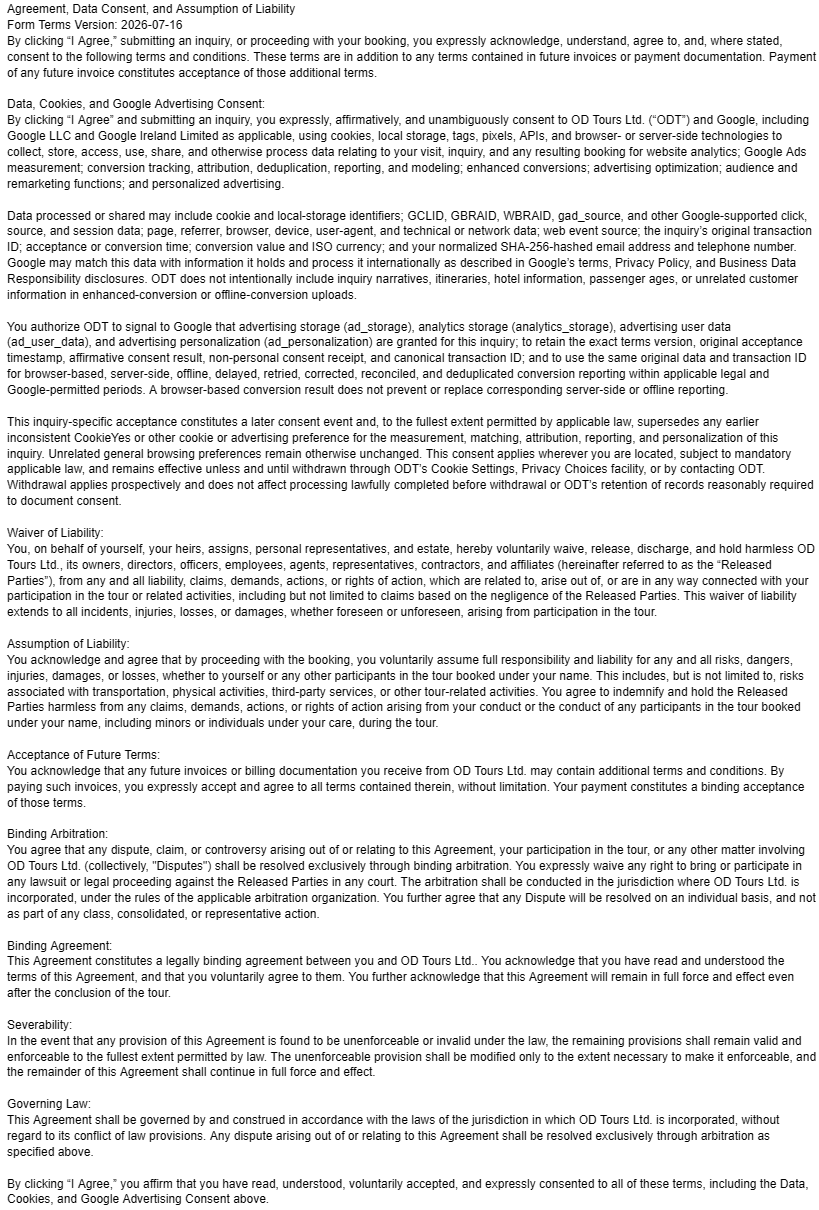
Lisbon Between Two Hotels: Chiado, Avenida and Belém While Bags Move

Updated
Use a Lisbon hotel-change day for Belém first, then a clean Chiado-to-Avenida da Liberdade landing arc once the second hotel can receive you. That works in real city conditions because your bags move while you stay mostly on the Tagus side, avoid repeated old-town climbs, and preserve the late check-in buffer on Avenida da Liberdade instead of gambling the whole afternoon on a room being ready. The clearest exception is a same-neighborhood move or an early guaranteed room: then this should become a hotel-reset day with no major monument. In Lisbon, the best day between two hotels is not the fullest sightseeing day; it is the day that converts a logistical dead zone into one meaningful river-distance cultural anchor and a calmer evening.
The regret risk is easy to miss. Travelers see Chiado, Avenida da Liberdade and Belém on the same map and assume the route is a compact triangle. In practice, the hinge is not distance alone; it is gradient, cobblestones, traffic edges and the moment you have to stop thinking about luggage. Rua do Alecrim between Cais do Sodré and Chiado is the small local proof point: it looks like a short city-center connector, but it feels very different when the morning has already involved checkout, messages from two concierges, and a second hotel that may not yet have released your room. For the larger decision of whether a split stay is worth the move at all, keep that separate from this day-flow question: Should You Split Your Lisbon Stay?.
Should you tour Lisbon between hotel check-out and check-in?
Yes, but only if the day has one anchor, one easy meal or pause, and one route back toward the second hotel. The best use of the luggage interval is not a compressed “best of Lisbon” route. It is a controlled half-day that keeps you away from the steepest old-town wear and prevents the new hotel from becoming a recurring errand.
The first rule is to separate the luggage problem from the sightseeing problem. If the first hotel can send bags directly, or a driver can collect them while you leave with a small day bag, your route can behave like a proper morning. If you need to supervise luggage, return for passports, unpack one suitcase to find medicine, or wait for a room text every thirty minutes, the day is already being pulled apart. A private guide can improve interpretation, order and pace, and a chauffeur can reduce transfers, but neither can make a fractured luggage plan feel elegant.
The second rule is to choose places that forgive a late room. Belém is forgiving because it sits west along the river and can hold a morning without asking you to climb in and out of the old city. Avenida da Liberdade is forgiving because the boulevard gives you a dignified landing strip for the afternoon: cafés, shade, shopfronts, hotel lobbies and a straightforward return. Chiado is rewarding, but it is less forgiving when the plan requires repeated up-and-down movement between Baixa, Cais do Sodré and the upper streets.
The counterintuitive correction is this: Chiado is not automatically the best place to spend the luggage gap just because it is central and stylish. It is excellent when you are already staying there or when the second hotel is within a true walking radius. It becomes overvalued when you treat it as a holding pen before an Avenida check-in, because every “quick” detour can add another slope, another cobbled crossing, and another decision about whether to go back to the hotel now or later. The transfer day should stay low-friction until the second hotel is usable.
The ranked ladder: what belongs between two Lisbon hotels
Use this ladder when you are deciding what to keep, what to shorten and what to remove from a Lisbon hotel-change day. The ranking assumes a move between Chiado and Avenida da Liberdade, or the reverse, with luggage handled separately and check-in not guaranteed until later in the day.
1. Belém as the one meaningful cultural anchor
Belém wins when you want the day to feel like a real Lisbon day without forcing a full old-town route. It gives you Jerónimos context, the riverfront, monument scale and a natural pastry or coffee pause, while your luggage moves separately. The practical advantage is that Belém lets the morning face outward toward the Tagus rather than inward toward the hills. If Jerónimos is the priority, treat it as the main event and keep the surrounding stops selective; the riverfront can absorb extra time, but extra interiors can turn the day stiff. For a deeper version of this same cultural anchor, use Belém and Jerónimos Private Tour as the dedicated route rather than trying to bolt Belém onto an already full city-center day.
2. Chiado to Avenida da Liberdade as the landing arc
Chiado to Avenida da Liberdade belongs after the main anchor, not before, when the second hotel sits near the boulevard. This is the part of the day that should feel like arrival rather than sightseeing labor. Keep it to a light lunch, a short design or bookshop stop, a coffee, or a calm walk toward Restauradores and the lower end of Avenida. The value is psychological as much as logistical: the traveler begins to feel based in the new neighborhood before the room is officially ready.
3. A hotel-reset day with no major monument
This is the best choice when the morning is already compromised by children, older parents, a late night, medical needs, or a dinner you truly care about. It is not a failure to make the day lighter. A hotel-reset day can include a short Chiado walk, a boulevard lunch, a riverside drive, or one shop appointment, but it should not include a timed monument. The point is to arrive in the second hotel with enough composure to enjoy the evening, not to prove that no hour was wasted.
4. Cais do Sodré and the river edge as a short pressure valve
Cais do Sodré works when the day needs air but not another headline stop. It can connect a Chiado morning to the river, or give a group a flatter pause before heading west or back toward Avenida da Liberdade. It is not a substitute for Belém if Belém is the cultural point of the day, but it can prevent the old-town streets from owning every hour. This is especially useful when Lisbon’s hills have already done enough work on your legs earlier in the trip.
5. A full Alfama or castle route as the choice to avoid
A full Alfama or castle route is the wrong fit for most hotel-change days unless the whole plan is designed around starting high and descending once. The issue is not whether Alfama is worth seeing; it is whether it belongs on the day when luggage, check-in and evening energy are already unstable. If you make São Jorge Castle, Alfama lanes, Chiado, Avenida and Belém compete for the same luggage interval, Lisbon will not feel richer. It will feel as if every beautiful street arrived with a logistical tax.
Before bags move: what to do before the city day starts
The work before bags move should be brief, decisive and finished before the first real stop. The morning should not begin with sightseeing and then return to luggage; that is how a polished transfer day becomes a string of interruptions.
- Reduce your carry load. Keep passports, medication, valuables, a phone charger and anything needed for children or older travelers. Everything else should be handed off. Lisbon’s calçada paving is part of the city’s texture, but it is unforgiving with rolling bags and unnecessary totes.
- Confirm the second hotel’s luggage acceptance, not just check-in time. A room may not be ready, but the day can still work if the hotel can receive bags, alert you when the room opens, and avoid asking you to hover in the lobby.
- Set the first fixed point. If Belém is the anchor, start there or head there directly after the luggage handoff. If the day is lighter, make the first fixed point a lunch or shop appointment near Chiado or Avenida da Liberdade. Do not let the first hour be a debate in the hotel doorway.
The point of this preparation is not efficiency for its own sake. It changes the way the day feels. When luggage is truly offstage, travelers listen better, walk more naturally, and stop scanning every café for a place to reorganize. Families stop treating the stroller, backpacks and jackets as a mobile hotel room. Couples regain the sense that the day is part of the trip rather than an admin gap. Small groups stop splitting into “you watch the bags, we’ll look around” patterns that drain the morning before the guide has even begun.
Why Belém can work while bags move
Belém works because it gives the hotel-change day cultural weight without requiring Lisbon’s most punishing movements. It is west of the central hills, open to the river, and strong enough as a single anchor that you do not need to keep adding old-town sights to justify the day.
The reason to choose Belém is not just Jerónimos Monastery or the Belém riverfront in isolation. It is the way the area organizes a morning. You can start with the main historical context, add a measured exterior or riverfront walk, and pause without crossing back and forth through Baixa. The area’s scale helps: broad approaches, the Tagus edge, and clearer vehicle logistics make it easier for a private plan to absorb a room delay or a slower traveler. The UNESCO-listed Jerónimos and Tower of Belém ensemble (https://whc.unesco.org/en/list/263/) gives the anchor durable historical authority, but the planning value comes from its position as much as its status.
The mistake is to turn Belém into a checklist. A hotel-change day does not need Jerónimos, the Tower of Belém, the Monument to the Discoveries, MAAT, the Coach Museum, a long pastry stop and a return climb through Chiado. Choose the one or two pieces that matter and let the rest serve the route. If the monastery interior is the point, the riverfront should be the decompression, not another assignment. If the group is more architecture-minded, Belém can pair with a shorter modern riverfront view, but not with a full afternoon of hilltop sightseeing.
Belém is especially persuasive for travelers changing from Chiado to Avenida da Liberdade because it keeps the middle of the day from becoming a loop through the same central streets. You leave the hotel zone, do something meaningful, and return toward the new base. It also suits celebration travelers who want the day to feel composed before dinner, and food-and-wine travelers who prefer one good Lisbon context stop before a more serious evening rather than a full-day march. For a dedicated river-led city route that explains why Lisbon often reads better from the Tagus before the hills, see Lisbon by River Before the Hills.
When to stay near Avenida da Liberdade or Chiado before the move
Choose Avenida da Liberdade for the second hotel when the afternoon and evening need predictability; choose Chiado when walking immediacy and restaurant geography matter more than a soft landing. This is not generic where-to-stay advice. It is the specific hotel-change version of the decision.
Avenida da Liberdade is the better receiving neighborhood when check-in may be late, when the group includes older parents, when the evening involves a dressier dinner, or when the next day starts by driver. The boulevard makes a late check-in buffer on Avenida da Liberdade feel orderly: you can sit, walk, shop lightly, meet a driver, or step into the hotel without threading through steep lanes. It also reduces the emotional cost of waiting. A delayed room on Avenida is usually an inconvenience; a delayed room after too many hills can feel like the city has started arguing with you.
Chiado is the better receiving neighborhood when the second hotel is genuinely central to your evening, when the group enjoys walking, and when you can keep luggage entirely separate from the route. Chiado gives you theater, cafés, design stops, bookshops and easy links toward Bairro Alto or Baixa. But it asks for more judgment. The same streets that feel atmospheric after check-in can become irritating if you are carrying coats, managing children, or watching a phone for hotel updates. If the hotel is above a slope or tucked into a smaller street, the final hundred meters can matter more than the neighborhood name.
The strongest version of a split between these two bases is not “Avenida for luxury, Chiado for charm.” It is more practical than that. Avenida handles arrival, late check-in, driver-led starts and calm returns. Chiado handles walkable evenings, design-oriented afternoons and a sense of being embedded in the city. If the broader base-choice question is still unsettled, use Chiado, Avenida da Liberdade or Príncipe Real for the stay decision; then return to this article for the actual day between the two hotels.
What Lisbon does to the body on a hotel-change day
Lisbon adds physical load through short climbs, uneven paving, heat exposure and route resets. A day that looks moderate on paper can become tiring because the city rarely lets movement stay neutral for long.
The body cost begins before the tour does. Checkout requires bending over bags, checking drawers, managing elevators, settling bills and leaving the first room mentally. Then the city adds calçada underfoot, curbs, narrow sidewalks, tram pinch points, and the question of whether a “quick walk” actually climbs. A stroll from Baixa toward Chiado, a detour up toward Bairro Alto, or a return from the river can be lovely on the right day. On a hotel-change day, those same movements stack with administrative fatigue.
This is why a full old-town route after checkout often disappoints comfort-led travelers. Not because Alfama, Graça or Bairro Alto lack payoff, but because their payoff arrives with stair fatigue, surface fatigue and decision fatigue. Tram crowding can also make the romantic idea of movement less useful than expected. A tram can be charming when it is part of the experience; it is less charming when it is the supposed solution to a tired group with a check-in clock running in the background.
Belém and Avenida da Liberdade reduce that body cost. Belém gives room to breathe and a flatter river sequence. Avenida gives a more legible afternoon landing. Chiado gives energy, but it should be used carefully: one cluster of stops, not repeated returns. The cut-first rule is simple. If the plan is getting too full, cut the hilltop view before you cut the hotel buffer. Lisbon has many excellent viewpoints; the one you force between luggage handoffs is often the one that flattens the rest of the day.
What the right sequence does to the mood of the trip
The right sequence makes the day feel shorter, cleaner and more intentional. The wrong sequence makes even beautiful stops feel like they are interrupting a move.
Travelers often remember hotel-change days by mood rather than by attraction count. A calm Belém morning, a measured lunch, and an easy Avenida arrival can feel like a generous day because the sequence has no visible seams. The bags have moved, the new neighborhood has introduced itself, and dinner still has a sense of occasion. The city feels cooperative.
The opposite mood appears when the plan keeps doubling back. You leave the first hotel, realize you need something from a suitcase, cross the center, climb for a view, descend for lunch, receive a room message, abandon a stop, check in late, and then try to rally for dinner. Nothing in that chain is catastrophic. Together, it turns Lisbon into a set of errands. The traveler consequence is not just tired legs; it is a quieter disappointment that the day never settled into pleasure.
For couples, the mood cost often appears around dinner. A beautiful reservation can feel less special if the afternoon has been all small negotiations. For families, the risk is a late-day collapse just as the second hotel becomes available. For small groups, the risk is fragmentation: some people want the monument, some want the room, some want coffee, and one person becomes the unofficial logistics manager. A designed route prevents that role from landing on the traveler who was supposed to be enjoying the trip.
The upgrade that changes the day is planning, not only a better car
Premium spend helps when it removes avoidable transitions, protects the group’s energy and turns the luggage interval into a planned sequence. It does not help when the itinerary itself is trying to do too many incompatible things.
A chauffeur can make a significant difference on a Chiado, Avenida da Liberdade and Belém day. The value is not the upholstery. It is the ability to leave the first hotel without turning every transfer into a taxi negotiation, reach Belém without draining the group, keep a clean pickup point after the cultural anchor, and return toward Avenida or Chiado with fewer loose ends. For travelers with older parents, children, limited walking tolerance, celebration clothing, or a tight dinner plan, that can be the difference between a day that feels curated and a day that feels improvised. For a route where driving truly changes the experience, compare the options on Luxury Chauffeured Lisbon Private Tour.
Luxury transport cannot fix a plan requiring repeated unpacking, hills and timed monuments. That sentence matters because high-end travelers sometimes assume that a driver can rescue any overpacked Lisbon day. A driver can reduce exposure between points; a driver cannot make Alfama’s lanes flat, make a delayed room ready, or make three timed interiors feel relaxed. If the day requires constant access to luggage, multiple returns to the hotel, and a climb-heavy route, the money is being spent on damage control rather than pleasure.
The stronger upgrade is private planning that makes the choices before the day starts. A guide can decide whether Belém deserves the morning, whether Chiado should be a lunch-and-design pause or just a transfer edge, whether Avenida needs a lobby buffer, and where to stop if the room is not ready. That is where Orange Donut Tours is most useful: not in pretending the hotel-change day is a full sightseeing day, but in making it feel like it was designed for your actual luggage, rooms, ages, dinner and appetite for movement. The broader custom route can begin with Tailor-Made Private Tours of Lisbon when the move sits inside a larger Portugal itinerary.
Clean day flows for Chiado, Avenida and Belém while bags move
The best day flow depends on which hotel is first, which hotel is second, and whether Belém is the main reason to use the luggage interval. Keep the route directional. A directional day feels calm even when the hotel room is not ready; a looping day makes every delay more visible.
Flow A: Chiado checkout, Belém anchor, Avenida landing
This is the cleanest version for many travelers. Leave Chiado after checkout with only the essentials, let bags move separately, and head to Belém for the main cultural anchor. Keep the morning focused: Jerónimos context, a riverfront pause, and a selective exterior or sweet stop if the group still has energy. Then return toward Avenida da Liberdade for lunch, lobby arrival or a short boulevard walk. This flow works because it uses Belém when attention is fresh and Avenida when the body wants simplicity.
Flow B: Avenida checkout, Belém anchor, Chiado evening
This version works when the second hotel is in Chiado and dinner is also central. The danger is arriving into Chiado too early and turning the afternoon into wandering while you wait. Solve that by letting Belém hold the morning, choosing one lunch or café pause, and entering Chiado with a clear purpose: check-in, short walk, then a rest before dinner. Do not add Bairro Alto just because it is nearby. Nearby is not the same as low-cost in Lisbon.
Flow C: Same-neighborhood move, no Belém
If both hotels are effectively in Chiado, or both are near Avenida da Liberdade, the best plan may be intentionally local. Drop bags, take a short walk, have a good lunch, and let the second hotel become usable without forcing a westward excursion. This is where the hotel-reset day with no major monument is often the most sophisticated choice. The traveler who avoids the unnecessary transfer is often the traveler who enjoys the evening most.
Flow D: Belém only if the room is late
This conditional plan is useful when the second hotel might be ready early. Begin with a low-commitment central morning, then decide whether Belém still belongs. If the room opens early and the group clearly needs a pause, take the win. Belém should not be treated as an obligation once the day has already solved itself. Save it for a cleaner morning instead, especially if Jerónimos deserves proper attention.
The Évora and Sintra temptation: save distance for a day that can hold it
Do not turn a Lisbon hotel-change day into a major day trip. Évora, Sintra, Cascais and Colares can all be excellent in the right place, but they should not be used to disguise a weak luggage plan.
Évora is the clearest cautionary example because the payoff is real and the distance changes the stakes. The UNESCO Historic Centre of Évora listing (https://whc.unesco.org/en/list/361/) and the official Évora Megalítica PDF (https://www.cm-evora.pt/wp-content/uploads/2020/06/EVORAMEGALITICA.pdf) point to a landscape and historic setting that deserve their own day, not a squeezed hotel-change add-on. If Almendres Cromlech, Roman layers or the old city are the reason you are going, give Évora a route that can breathe. If luggage, check-in and a Lisbon dinner are already in the frame, Évora becomes too much distance for too little control.
Sintra has a different problem. It is closer than Évora, but its palace timing, hills, roads and crowd patterns make it a poor casual add-on when the room situation is unresolved. A Sintra day can be superb with an early start and a committed plan. It becomes fragile when it is asked to absorb checkout, luggage movement and an evening return. If Sintra is a major priority, schedule it as its own day or as part of a broader split-stay strategy, not as a filler while bags move across Lisbon.
The same principle applies inside the city. A hotel-change day can hold Belém because Belém gives one meaningful anchor and a cleaner return. It should not hold Belém, Alfama, a castle, a tile museum, a long shopping route and a tasting-menu evening. The plan breaks not because any single piece is wrong, but because the day has no governing idea. For this title, the governing idea is simple: use the luggage interval for one cultural anchor, then land well.
How Orange Donut Tours would shape the private version
A private version should begin with hotel facts, not attractions. Which hotel releases you first? Which hotel receives you second? Can bags move without you? Is there a dinner, train, flight, family need or mobility issue that makes the evening more important than another stop? Once those facts are clear, the route can be designed instead of padded.
For a couple, the private plan might use Belém as the intellectual and scenic morning, then preserve a quiet hour before a serious dinner. For a family, it might shorten the monument and use the riverfront as the pressure release before the new room. For older parents, it might replace Chiado wandering with a clearer drop-off and a short Avenida landing. For a food-and-wine traveler, it might keep lunch light because the evening is the real culinary event. For a small group, it might remove one stop so nobody has to choose between the guide and the room message.
The commercial value of private touring here is not that every minute becomes grand. It is that someone has decided which minutes should be simple. When you want the luggage interval to behave like a designed route rather than a waiting room, Orange Donut Tours can build the sequence around checkout, bag transfer, Belém, Chiado, Avenida da Liberdade and the evening you are trying to keep intact. Inquire now
FAQ
Can I visit Belém while changing hotels in Lisbon?
Yes, Belém is often the best cultural anchor for a Lisbon hotel-change day because it gives the morning substance without forcing repeated climbs through the old town. Keep it focused and avoid adding too many extra interiors.
Is Chiado or Avenida da Liberdade better for a late check-in?
Avenida da Liberdade is usually easier for a late check-in because the boulevard gives you a calmer buffer, simpler pickups and more comfortable waiting. Chiado is better when the hotel and evening plans are both genuinely walkable.
What should I do before bags move between Lisbon hotels?
Reduce your carry load, confirm that the second hotel can receive luggage, and set one fixed first stop. The day works best when luggage disappears early and does not keep interrupting the route.
Should I include Alfama on a hotel-change day?
Usually not as a full route. Alfama is better on a day designed around starting high and descending once, rather than a day already shaped by checkout, luggage, check-in and evening energy.
Does a chauffeur make a Lisbon hotel-change day worth it?
A chauffeur can be very useful when the route includes Belém, older travelers, children, dinner timing or a move between Chiado and Avenida da Liberdade. It does not rescue an overpacked plan with too many hills, timed entries and luggage interruptions.
When should the day have no major monument?
Make it a no-major-monument day when the room may be ready early, the group is tired, the evening matters more, or the move is within the same neighborhood. A calm reset can be the highest-value choice.
Can Évora fit on the same day as a Lisbon hotel change?
It should not. Évora deserves its own route because the distance and historical payoff are too large for a luggage interval. Save it for a dedicated day rather than using it to fill a check-in gap.
Is this plan suitable for families or older parents?
Yes, if the route stays selective. Belém plus a gentle Avenida or Chiado landing can work well, while a full hill route, repeated hotel returns or too many timed interiors will usually wear the group down.
If you’re interested in any private tours of Lisbon, please reach out to us.

 So if you are looking for the absolute best in Lisbon & surroundings with authentic local fully-licensed native guides whose English you can actually understand and with an exclusive and amazingly fun itinerary