Granada After the Alhambra for a Softer Second Day: Hammam, Alcaicería or Nerja Coast

Updated
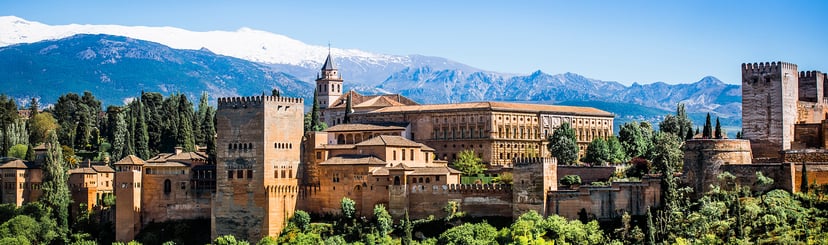
Granada’s softer second day after the Alhambra should usually start in the lower city: choose a hammam if the goal is true recovery, add Alcaicería only if you want a short textured wander, and save Nerja for the rare morning when sea air sounds better than another slow Granada hour. This works because the Alhambra takes energy beyond tickets: the climb above Cuesta de Gomérez, the concentration demanded by the Nasrid Palaces, and the downhill-to-uphill transitions around Plaza Nueva and Carrera del Darro make the next morning feel heavier than it looks on a map. The exception is clear: if your party wakes rested and wants a full mood shift rather than a soft city day, the coast can earn its transfer.
In Granada, the post-Alhambra second-morning decision is not what to see next; it is how much vertical movement, sensory input, and return-time risk your group can absorb before dinner. That is why this guide treats hammam, Alcaicería, and Nerja as recovery styles, not as three attractions competing for the same slot. It also keeps the decision narrower than a general second-day plan. If your question is how to place the Alhambra inside the whole stay, start with planning Granada around the Alhambra; this article is for the morning after the palace has already done its work.
The recovery verdict: choose the day by energy before ambition
The hammam is the best base choice for a genuinely softer second day, Alcaicería is the compact runner-up when you still want a little city texture, and Nerja is the deliberate exception when the coast matters more than recovery. The reason is not that the hammam is somehow more “luxury” than a coast road or a shopping lane. It is that a water-and-lower-city plan respects what Granada has just done to the body: long standing, uneven surfaces, interpretive concentration, and the psychological pressure of making an Alhambra ticket window work.
Choose a hammam when you want the day to get quieter instead of broader. It suits couples who want the second morning to feel unforced, travelers who walked the Generalife and palaces deeply the day before, and families or small groups who would rather protect the evening than gather another set of monuments.
Choose Alcaicería when you need just enough Granada after the Alhambra: a short wander near the Cathedral quarter, a tactile sense of city craft, and an easy path back toward lunch or a hotel pause. It is enough when the goal is a pleasing hour, not a full shopping mission.
Choose Nerja when the group wants a visual and emotional reset so strong that the road time becomes part of the day. The Nerja coast versus lower-city Granada question flips only when sea air, balcony views, and a coast lunch feel more valuable than a quiet Granada rhythm.
Keep the day entirely in the lower city when your group includes older parents, heat-sensitive travelers, a late previous Alhambra visit, a serious dinner, or a next-day transfer. In that situation, more distance does not make the day feel richer; it often makes the evening smaller.
- Low-energy couple: make the hammam the appointment and leave the hour after it unassigned. Alcaicería can be a passing texture, but it should not become a shopping assignment.
- Curious but tired first-time visitors: keep the morning in the Cathedral quarter and let Alcaicería be the visible Granada note. This gives a sense of continuation without asking for another palace-level explanation.
- Small group with mixed stamina: stay in the lower city unless everyone actively wants the coast. A split-stamina group rarely improves when the most energetic traveler is allowed to set the route length.
- Travelers craving a new horizon: choose Nerja only if the drive itself feels acceptable and the group wants the day to stop feeling like Granada for several hours.
The first correction is counterintuitive: do not make the Albayzín or Sacromonte the automatic “after the Alhambra” choice simply because they are famous and atmospheric. Their slopes are beautiful, but beauty does not cancel fatigue. A second ascent toward Mirador de San Nicolás, Camino del Sacromonte, or the steeper lanes above the Darro can turn a soft day into a second hill day. If you want one Granada layer after the palace, the lower city usually earns its place before another climb does.
Why the morning after the Alhambra is a different kind of Granada day
The morning after the Alhambra should be planned as a recovery hinge because Granada compresses effort into short distances. A visitor can cover a small area on the map and still feel as if the day has had several movements: a hotel start in Realejo or Centro, a taxi or climb toward the Alhambra woods, a timed entry rhythm, garden walking, stone surfaces, palace rooms, viewpoint pauses, then the descent back toward Plaza Nueva, Calle Reyes Católicos, or a hotel on a lower street. None of that is extreme, but it accumulates.
The Alhambra itself also creates a specific kind of mental load. Tickets and identity checks should be handled through official channels, and travelers should confirm current access details with the official Alhambra ticket site (https://tickets.alhambra-patronato.es/en/) rather than relying on vague secondhand advice. Once the visit begins, the palace does not behave like a casual museum drop-in. A timed Nasrid Palaces entry gives the day a spine. The group is usually watching the clock, listening closely, taking photographs, and trying to understand a layered site without losing each other in the flow of visitors. By the next morning, the issue is not only sore feet. It is whether the group has appetite for more interpretation.
Granada also works on the body through grade changes. The lower city can feel almost effortless if you keep to the Cathedral quarter, Plaza Bib-Rambla, Alcaicería, and the flatter parts of Realejo. Move north and east, however, and the tone changes: Carrera del Darro narrows beside the river, the walk toward Paseo de los Tristes adds cobbled texture, and the lanes climbing into the Albayzín ask more of knees, shoes, and patience. Add heat, a stroller, dress shoes, or a guest who does not like being told “just five more minutes,” and the difference between a short scenic walk and a mood-damaging climb becomes very practical.
That physical reality changes the trip mood. A lower-city second day leaves room for a long lunch, a hotel pause, a thoughtful tapas evening, or a serious dinner. A day that tries to make the Alhambra lead directly into another hill neighborhood, a craft route, a viewpoint, and a formal meal often becomes oddly flat: everyone is still present, but the day has stopped feeling chosen. Couples feel it as a loss of atmosphere. Families feel it as resistance. Small groups feel it as the moment when one person starts negotiating exits instead of enjoying the city.
Let your hotel address narrow the choice before the itinerary does
Your Granada hotel location can make the same second-day idea feel elegant or irritating. A Centro or Cathedral-quarter hotel makes Alcaicería almost frictionless because the route can stay around Plaza Bib-Rambla, Calle Reyes Católicos, and the lower streets near the Cathedral. A Realejo base usually favors hammam plus a low-city wander because the return can be downhill or lateral rather than another scenic climb. A high Albayzín stay changes the calculation: the beautiful address that felt magical at night can make a second morning more demanding if the plan requires repeated descents and returns.
This is the local planning detail that travelers often miss. “Near the old town” does not always mean easy in Granada. A hotel above the Darro may be close to the hammam by atmosphere but not by effortless movement, especially after a previous day of Alhambra walking. A car-accessible hotel near the lower city can make a Nerja departure clean, while a more tucked-away address may require a meeting point or a small walk before the driver can properly take over. None of this should scare you away from a characterful stay; it should stop you from pretending that every route begins from the same neutral dot on a map.
For celebration travelers, the hotel-address question is also a wardrobe question. Dress shoes, linen, handbags, and a desire to arrive at dinner composed all argue for fewer surface changes: fewer cobbled climbs, fewer “quick” detours, fewer transfers that require everyone to recalibrate. A hammam day with a lower-city finish respects that. An Alcaicería hour respects that if you stop on time. Nerja respects that only when the group wants to dress for a coastal day and return with enough margin to become evening-ready again.
If the group is split, let the least mobile traveler set the ceiling, not the most energetic one. Granada is small enough that the energetic traveler can add a solo photo walk or an extra coffee loop later. It is not forgiving when the least mobile traveler is asked to keep tolerating “almost there” climbs. The softer second day should be designed around the person who most needs the softness.
Season and daylight should adjust the answer without changing the logic. In warmer months, the lower city can feel most generous when the active piece is finished before the day hardens; in cooler months, a later hammam or a slow Cathedral-quarter wander may feel better because the city is less physically punishing. Winter light can make Nerja appealing, but shorter days make the return feel more decisive. The question is never simply “what is open?” It is whether the day still has enough margin to feel like a second-day recovery rather than a compressed attempt to do everything Granada makes possible.
When a hammam is the right softer second day after the Alhambra
A hammam belongs after the Alhambra when the group wants Granada to become quieter before it becomes informative again. This is not a spa-review recommendation or a claim that every traveler needs thermal baths. It is a pacing recommendation. The best hammam morning works because it lowers the number of decisions, reduces walking, and gives the day a sensory echo of Andalusi Granada without turning the second morning into another guided lecture.
The strongest hammam use case is a couple or small adult group that left the Alhambra full rather than tired. They do not want to do nothing, but they also do not want a second morning of entrances, tickets, and climbing. A hammam near the old city edge keeps the geography compact: breakfast or coffee near the hotel, a slow transfer or walk toward the lower Darro or Plaza Nueva side of town, the bath session, then a measured return toward Realejo, the Cathedral quarter, or lunch. Travelers can confirm current sessions and inclusions on the official hammam site (https://granada.hammamalandalus.com/en/), because the editorial point here is the sequence rather than a promise about a particular service.
The hammam is also strong when the Alhambra visit was emotionally dense. Many high-end travelers underestimate the aftereffect of a very good private visit: a guide can make the palaces, water systems, dynastic history, and garden logic come alive, but that richness needs somewhere to land. A quiet bath morning allows the previous day to settle. The alternative, another history-heavy route, may sound efficient on paper and feel like overfeeding in practice.
Who should avoid the hammam? Travelers who dislike stillness, guests who feel trapped by set spa rhythms, and families with children who need open-air movement should not choose it just because it sounds premium. A hammam is a mood tool, not a status symbol. It is also a poor anchor if the group’s real desire is shopping, photography, coastal scenery, or a celebratory lunch. In those cases, forcing a bath session can make the day feel oddly inward when the group wants outward energy.
How to sequence hammam without losing the rest of the day
The cleanest hammam sequence is late morning, not first thing and not late enough to push lunch into impatience. Wake without a hard museum alarm, stay low in the city, keep breakfast light, and let the hammam become the day’s hinge. Afterward, choose one small city layer: a short Alcaicería pass, a shaded coffee, a Realejo walk if your hotel sits that way, or a gentle food plan later in the evening. Do not stack the hammam with Sacromonte, San Nicolás, a full artisan route, and a dinner that requires everyone to dress and transfer again. The whole point is to let the day breathe.
For couples, the mood-preserving decision is to keep the post-hammam hour unassigned. That empty space is not wasted time. It lets the day find its pace: maybe a quiet drink, maybe a short shop visit, maybe returning to the hotel before a tapas route. The mood-killing mistake is treating the hammam as a quick reset button before loading the afternoon with the monuments you cut from the day before. Granada notices that kind of overcorrection quickly.
When Alcaicería is enough after the Alhambra
Alcaicería is enough when you want the second day to keep a visible Granada signature without asking the group for a full route. The old market-lane area near the Cathedral quarter is best treated as a compact interlude: useful before lunch, useful between a hammam and a hotel return, and useful when one or two travelers want to look while others need a short, bounded plan. It should not be inflated into a grand shopping day unless buying, shipping, and artisan context are actually the point.
The traveler consequence is important. A short Alcaicería stop gives the day a sense of place without changing its energy category. You can move from Plaza Bib-Rambla through the narrow lanes, glance toward the Cathedral and Royal Chapel area, and be back on a lower-city line without committing to the Albayzín or a car. It works for travelers staying in Centro, Realejo, or near Calle Reyes Católicos because the route does not require a dramatic return. It also works for mixed-interest groups: one person can browse, another can photograph details, and someone else can simply enjoy the brief urban texture without feeling trapped in a shopping itinerary.
The premium correction here is that more shopping support does not mean more stops. The value of a guided or supported shopping hour is filtering: knowing when Alcaicería is enough, when to continue toward more serious craft, and when to stop before the day turns into a souvenir hunt. If you want help separating a graceful browse from a real buying route, shopping support in Granada can be designed around taste, mobility, and shipping needs rather than around a generic list of shops.
Alcaicería is not enough when the traveler expects rare pieces, deep craft context, or a private design-buying morning. It is also not the right answer if the group is already overstimulated by narrow spaces and visitor flow. The area is compact, but compact does not always mean calm. If your travelers want silence, hammam wins. If they want air and a complete tonal change, Nerja may win. If they want a simple lower-city texture before lunch, Alcaicería does exactly enough, and that is its virtue.
The cut-first rule for Alcaicería
Cut the “one more nearby thing” before you cut the pause. The Cathedral quarter tempts travelers to add the Royal Chapel, another church, a longer shopping street, a snack stop, and a Realejo wander because everything seems close. After the Alhambra, closeness can be misleading. The better plan is one narrow lane sequence, one optional purchase conversation, and a clean exit. If the group still feels fresh after lunch, add a second move later. Do not pre-load it.
When the second day should stay entirely in the lower city
The second day should stay entirely in the lower city when the group needs recovery more than novelty. This is the editorial no: do not add Nerja, Sacromonte, the Albayzín slopes, or a mountain-style escape when the actual need is a calm Granada day built around short distances. The lower city is not a compromise. After the Alhambra, it can be the more elegant decision because it keeps the day legible.
A lower-city-only plan can still feel complete. Start from a Realejo or Centro hotel without rushing. Use the Cathedral quarter and Alcaicería as the visual middle of the morning. Keep the route near Plaza Bib-Rambla, Calle Oficios, Calle Reyes Católicos, or the streets that make it easy to return. If the group wants a food angle, let the evening carry it with a guided tapas plan rather than making lunch and dinner both perform. Granada’s free-tapas culture and its informal rhythm often suit a recovery day better than a formal midday production, and a Granada tapas private tour can keep the evening social without turning it into a restaurant checklist.
This lower-city rule is especially strong for travelers with older parents, guests wearing polished shoes from a celebration trip, families with children who handled the Alhambra well but are near their limit, and couples who have a significant dinner or anniversary evening ahead. It is also strong when the next morning involves a train, driver, or onward Andalusia sequence. The lower city leaves enough energy for packing, dressing, and actually enjoying the next transition.
The mistake is assuming that a second day with fewer miles is less worthy. Granada is not a city where every meaningful experience requires another summit. Staying low can let the first day’s Alhambra story remain the trip’s high point instead of competing with a crowded set of lesser add-ons. It can also make the evening feel longer. When the body has not been dragged through another incline or transfer, dinner does not become a recovery task.
A lower-city day also makes the food-and-wine choice cleaner. Lunch can stay informal, the hotel pause can happen without a cross-town negotiation, and dinner can be chosen for pleasure rather than rescue. That matters in Granada because late eating works best when the group arrives curious, not depleted. If you want the evening to carry the social energy, do not spend the afternoon using up the patience that dinner needs. Keep the daylight route modest and let the evening become the day’s second act.
When Nerja coast is worth the transfer
Nerja is worth the transfer after the Alhambra only when the traveler wants a full mood shift, not a slower version of Granada. The coast is not the softer choice in movement terms. It is softer in atmosphere only if the group is energized by a road day, sea air, a different horizon, and the feeling of leaving the city bowl behind. That distinction prevents disappointment.
From Granada, the coast day changes the trip’s operating system. You are no longer working with short lower-city choices; you are committing to a proper transfer rhythm, often using the A-44 south and the A-7 along the coast. Nerja can reward that commitment with the Balcón de Europa, a coastal lunch mood, and, if the group wants a natural-history layer, the caves near Maro. Check current visiting details directly with the official Cueva de Nerja site (https://cuevadenerja.es/en/) rather than treating the cave as a casual add-on; the better coast day still needs selectivity.
The coast belongs when the Alhambra has made Granada feel complete rather than unfinished. If the group says, “We loved the city, and now we want air,” Nerja is a strong answer. If the group says, “We are tired, but perhaps a driver will make the coast easy,” be careful. A private driver does not make the Nerja coast worthwhile if the traveler needs a slow city recovery day. The driver removes navigation, parking, and return anxiety; it does not remove the distance, the change of clothes, the time away from the hotel, or the fact that the day becomes a road-based plan.
Premium spend earns its cost on Nerja when it buys judgment and compression: a clean hotel pickup, an intelligent route, a decision about whether the caves belong, a lunch stop that does not strand the group, and a return that protects the evening. It is weaker when it is used to justify an outing the group does not truly want. If the coast is the right mood, a Nerja and Frigiliana private tour can turn the day into a coherent arc. If you are still deciding whether the coast deserves a whole day, the deeper companion guide on Nerja and Frigiliana from Granada is the better next read.
The Nerja decision in one sentence
Choose Nerja when leaving Granada is the point; do not choose it as a more expensive way to avoid deciding what to do in Granada. The coast is valuable only when the traveler wants a different light, a different lunch mood, and a day that feels separate from the Alhambra. It is not valuable when everyone is hoping to move less.
How to build the second day without making it feel underplanned
A softer day feels intentional when it has one anchor, one optional city layer, and one clean evening plan. It feels underplanned only when the pauses have no purpose. The second day after the Alhambra should not be blank; it should be edited. That means each version needs a different shape.
If hammam is the anchor
Begin with a late, low-pressure morning. Keep the hotel breakfast unhurried, avoid an early climb, and place the hammam as the first true appointment of the day. Afterward, let the route stay close: Alcaicería if the group wants texture, Realejo if the hotel return makes sense, or a calm lunch before a pause. This version works best when the evening matters. If you plan to use the MICHELIN Guide selection for a current serious-dinner shortlist, check the MICHELIN Guide selection (https://guide.michelin.com/us/en/andalucia/granada/restaurants) directly and avoid building the morning so heavily that dinner becomes an obligation. For ODT’s own restaurant-context layer, the Granada fine-dining guide is better treated as a separate dining-planning resource, not as a reason to overfill the recovery day.
If Alcaicería is the anchor
Make it a lower-city morning with a defined finish. Start around the Cathedral quarter, keep the browsing window short, and decide in advance whether the goal is looking, buying, or simply giving the day a Granada texture. Then leave. The plan fails when Alcaicería becomes the first stop in a vague chain of “nearby” additions. The better rhythm is browse, coffee or lunch, hotel pause, then an evening that can be social without being strenuous.
If Nerja is the anchor
Treat Nerja as a full-day mood change, not an afternoon escape. Leave enough of the morning to transfer without irritation, keep the coast plan selective, and avoid pretending that every nearby coastal or village stop belongs. If the caves are central, plan around them. If the sea view and lunch are central, do not let the cave become a compulsory extra. The route should return with enough margin for a quiet evening, because the day’s pleasure can be undone by arriving back in Granada too late and too hungry.
The upgrade that earns its cost is recovery design, not a longer list
The most valuable private planning for this second day is not access to more places; it is the discipline to choose fewer, better-matched ones. A guide or driver can transform the day when they solve the right problem: matching the route to the group’s post-Alhambra recovery style. That may mean a hammam-led day with one Alcaicería pass and a tapas evening, a lower-city-only morning that keeps an older parent comfortable, or a Nerja coast day built around sea air rather than a packed tourist circuit.
Orange Donut Tours is most useful here when the brief begins with energy rather than attractions. Tell us whether the group wakes up wanting silence, texture, food, air, or a complete scene change. From there, the day can be shaped around hotel geography, route gradients, lunch appetite, dinner ambition, and whether a driver is genuinely useful. This is the planning handoff that matters after the Alhambra: not “what else can we see,” but “what kind of day will make the Alhambra feel better in memory?” Inquire now.
The spend line is simple. Pay for private design when it reduces decision fatigue, prevents hill mistakes, filters shopping, coordinates a coast day, or keeps the evening intact. Do not pay to make a tired group cover more ground. Granada rewards restraint after its great palace; the second day should make the first day feel larger, not compete with it.
FAQ
What is the best softer second day in Granada after the Alhambra?
The best softer second day is usually a hammam-led lower-city plan, optionally paired with a short Alcaicería wander and an easy evening. It gives the day a Granada feeling without adding another hill or long transfer.
Should I choose hammam or Alcaicería after the Alhambra?
Choose the hammam if your body and mood need quiet recovery. Choose Alcaicería if you want a brief lower-city texture, light browsing, and an easy route back to lunch or the hotel.
Is Nerja worth it the day after the Alhambra?
Nerja is worth it only when you want a full coastal mood shift and accept the road time. It is not the right choice if the group mainly wants a slow Granada recovery day.
When should the second day stay entirely in lower-city Granada?
Keep the second day entirely in lower-city Granada when your group includes older parents, tired children, heat-sensitive travelers, a serious dinner plan, or an onward transfer the next morning.
Can hammam and Alcaicería fit on the same day?
Yes, hammam and Alcaicería can fit well together if Alcaicería stays short. The sequence works best as hammam, a brief lower-city wander, lunch or hotel pause, and a gentle evening.
Is a private driver worth it for Nerja from Granada?
A private driver is worth it for Nerja when the coast is truly the goal, because it improves routing, comfort, and return control. It is not worth it as a way to disguise a day trip that the group is too tired to enjoy.
How should couples protect the mood of the second day?
Couples should leave one unassigned hour after the main anchor, especially after a hammam. The fastest way to flatten the day is to turn a recovery morning into a list of leftover sights.
Should I book a MICHELIN-level dinner after a soft Granada day?
A serious dinner can work beautifully after a soft Granada day if the morning stays light. It works poorly when Nerja, a hill walk, or an overextended shopping route leaves the group returning late and tired.
If you’re interested in any private tours of Granada, please reach out to us.



 So if you are looking for the absolute best in Granada & surroundings with authentic local fully-licensed native guides whose English you can actually understand and with an exclusive and amazingly fun itinerary













