Córdoba Before a Late Hotel Check-In: Riverside, Judería Edges and the Mezquita Buffer

Updated
Use the riverside buffer before check-in as your default first move in Córdoba: a short, low-commitment arc by the Roman Bridge and the edge of the Judería, with the Mezquita held for when your bags, temperature and attention are settled. It works because Córdoba’s station, old-town lanes and monument core create a first-hour trap: the famous sights are close enough to tempt you, but the approaches around Puerta del Puente, Calle Torrijos and the Judería punish anyone arriving hot or with luggage. The clearest exception is simple: when your room is likely ready, your group is hungry, or the day is already hot, go straight to the hotel or lunch before touring.
That is the whole thesis of this guide: in Córdoba, the best pre-check-in plan is a buffer, not a preview. The river gives you arrival value without spending the Mezquita too early, and the Judería edges give you orientation without locking the first hour into narrow-lane wandering before the hotel has absorbed the bags. This is not a late-arrival evening plan, and it is not a general luggage guide. It is the narrow window after arrival and before room access, when the wrong first move can make a one-night stay feel shorter than it is.
The non-obvious local hinge is that Córdoba’s rail station is not on the river or inside the old core. You usually move from the station side toward the historic center by taxi or arranged transfer, then meet the pedestrian city at an edge. A drop near Ronda de Isasa, Puerta del Puente or the Mezquita’s outer perimeter can feel almost perfect when the plan is light; the same drop can feel awkward when everyone expects to drag bags through the Judería. For arrivals from an airport, station or intercity driver, arrival-transfer support in Córdoba matters less as a flourish than as a way to keep the first hour honest.
For literal planning, the riverside buffer before check-in means the old-city edge around Ronda de Isasa, Puerta del Puente, the Roman Bridge and the river-facing side of the Mezquita. It does not mean a broad riverside afternoon, a full bridge-and-tower detour, or a wandering approach from the station. The value is that this micro-location lets a traveler see Córdoba’s silhouette, understand the relationship between the river and the monument, and retreat toward hotel, taxi or lunch without feeling that the first hour has failed.
The ranked arrival ladder before a late Córdoba hotel check-in
The best pre-check-in choice is the one that uses the city without consuming the day’s most demanding sight too soon. Think of the arrival window as a ranked ladder, not a sightseeing dare. Each rung below answers a different version of the same question: what can you do in Córdoba before hotel check-in that still leaves the overnight in good shape?
- 1. Riverside buffer before check-in. Best when you have bags handled, a room not yet ready, and enough energy for open air. Use the Roman Bridge, Puerta del Puente and the river-facing edge below the Mezquita as a controlled first contact with the city.
- 2. Hotel or lunch reset. Best when the train, road transfer or heat has already taken more from the group than expected. This is not wasted time; it is often the move that lets the Mezquita and dinner land properly later.
- 3. Judería edge only. Best when first-time visitors want some old-town texture but should not yet be threaded into the densest lanes. Stay near the perimeter rather than chasing every postcard turn.
- 4. Mezquita only when the logistics are solved. Best when bags are already with the hotel, the entry plan is confirmed, and the group is mentally ready for a serious interior. Otherwise, hold it for later.
- 5. Deep Judería, Alcázar, Viana or extra interiors. Best saved for after check-in or another day. These can be excellent, but they are poor answers to a room-not-ready arrival gap when heat, luggage and appetite are unsettled.
The correction that surprises many polished travelers is this: the Judería is often overvalued as the first base before check-in. It sounds atmospheric, and it is, but atmosphere is not the same as a good arrival mechanism. The most charming lanes are the same lanes that make rolling bags, indecisive pacing and hot children harder to manage. For the broader luggage problem, the adjacent Córdoba luggage and hotel timing guide is the better read; this article stays with the room-not-ready buffer.
Why the river wins the first hour
The river wins because it lets Córdoba be specific without asking too much of the traveler. Around the Roman Bridge, Puerta del Puente, Ronda de Isasa and the north bank of the Guadalquivir, you can see how the Mezquita relates to the river and the old city without committing to a ticketed interior or a deep neighborhood route. That is exactly what a pre-check-in window needs: orientation, air, a sense of arrival and an easy retreat when the room becomes available.
The Roman Bridge is not just a scenic filler here. It is a practical pressure valve. A short out-and-back gives the group a visible landmark, a river crossing, a view back toward the Mezquita’s mass and a natural stopping point at the bridge rather than an open-ended wander. When the heat is high, you can shorten the bridge idea to the Puerta del Puente side and the riverside walk. When the group feels fresh, you can extend toward the Calahorra side without making it the point of the afternoon.
Córdoba does something physical to the body that travelers often underestimate. The center is compact, but compact does not mean effortless. Stone underfoot, glare bouncing off pale walls, short exposures between shade lines, and the repeated stop-start rhythm of narrow lanes all accumulate quickly after a train or road transfer. Add the slight psychological burden of waiting for a room, and the same 25 minutes that feels delightful after check-in can feel like work before it. The body consequence is practical, not abstract: feet slow down, shoulders tense under day bags, and the group starts making worse decisions just when the plan needs to stay simple.
The river also does something useful to the trip mood. It makes the first hour feel like an arrival, not a test. Couples get a visual frame without the pressure to absorb a masterpiece immediately. Families get a place where the group can pause, shorten or separate briefly without losing one another in the Judería. Small groups get a clean meeting point. Celebration travelers preserve the sense that the evening is still ahead of them, rather than feeling that dinner has become recovery from an overstuffed first move. The mood consequence is just as important as the route consequence: a calm first image by the river keeps the overnight feeling generous, while a strained first maze can make even a beautiful city feel like a chore.
The riverside buffer before check-in is especially good for travelers who have one night in Córdoba and know the Mezquita matters. It lets the monument appear in the day without spending the best interpretive attention before the hotel has removed the bags and the body has adjusted. This is the reason the river beats a “quick look inside” mentality. The arrival window is not where you prove how much you can see; it is where you prevent the rest of the stay from feeling compressed.
The Mezquita buffer: why the famous interior should often wait
The Mezquita should wait when arrival logistics are still active. That is not because the interior is difficult to appreciate; it is because it deserves a steadier state than most travelers have before check-in. Before choosing an entry, check visitor information through the official Mosque-Cathedral site (https://mezquita-catedraldecordoba.es/en/), then decide whether the visit belongs before or after the hotel reset. For travelers who want the interior to anchor the stay, a private Mezquita-Catedral tour is strongest when attention is available, not when everyone is watching phones for room messages.
The common mistake is treating the Mezquita as a convenient way to “use time” before the room is ready. That is a poor trade. The interior asks for visual patience: columns, arches, changing religious layers, chapel insertions, orientation and silence. Even without quoting fragile operational details such as current hours or prices, the planning principle is stable. A ticketed, high-context monument is less forgiving than a river walk when the group is hot, hungry or uncertain about bags.
There is also a route consequence. The Mezquita sits so close to the Judería and river that it appears easy to fold into any gap. But getting from a vehicle edge to the entrance area, managing the group, finding shade, deciding whether to enter now or later, and then exiting into the same compact tourist core can turn a simple arrival into a sequence of small decisions. Private travelers often notice the strain not as a dramatic problem but as a flattening of curiosity. The site is there, the guide is ready, and yet the first ten minutes are spent solving bodies rather than seeing.
A better Mezquita buffer is deliberate: let the monument shape the plan without consuming the first hour. See the exterior relationship from the river side. Note the perimeter, the Patio de los Naranjos area if it fits the confirmed visit plan, and the transition toward the Judería. Then stop. The point is to arrive with a map in the mind so the later interior has context. That is very different from using the interior to occupy dead time.
The condition that flips the answer is unusually clean logistics. When bags have been accepted by the hotel, the entry plan is confirmed, the weather is manageable and the group actively wants the monument now, a pre-check-in Mezquita can work. But that is not the default for comfort-minded first-timers. The default is to protect the visit from the arrival state.
The Judería edge, not the maze
The Judería is best before check-in when you treat it as an edge, not a full neighborhood immersion. The goal is a light orientation along the old city’s boundary and a few meaningful transitions, not a hunt for every lane, courtyard and photo angle. A private Jewish Quarter private route can be excellent later, but the pre-room version should stay deliberately abbreviated.
Use the Judería edge when the group wants to feel Córdoba’s old-town texture but should not yet be committed to the densest fabric. Depending on the hotel side and arrival point, that may mean skirting the Mezquita perimeter, touching the area around Calle Torrijos, reading the old-city threshold near Puerta de Almodóvar, or choosing a short lane sequence that exits cleanly rather than burrowing deeper. The exact path should follow the hotel geography, not the other way around.
This is where Córdoba differs from larger cities with broad boulevards or easy vehicle loops around every sight. The old center gives you memorable compression: whitewashed turns, small plazas, sudden views, shadowed walls. The same compression becomes a planning cost when the traveler has luggage anxiety, a late room, or older parents who need predictable footing and pauses. The issue is not whether the Judería is worth seeing. It is whether the first hour should carry the burden of seeing it properly.
The cut-first rule is clear: cut the deep Judería wander before you cut the river. The river gives scale and retreat. A deep Judería wander gives charm but less control. After check-in, the same streets can become one of the pleasures of the overnight because the group can move without the invisible weight of luggage, room readiness and appetite. Before check-in, keep the Judería as a margin note, not the chapter.
How luggage and heat change the route
Luggage and heat do not merely make the route less comfortable; they change which route is worth doing at all. A plan that sounds elegant at breakfast can become brittle the moment the train arrives, the driver reaches an old-town edge, or the hotel says the room needs more time. Córdoba’s advantage is that the center is compact. Its trap is that travelers mistake compactness for resilience.
The first decision is where the bags go. When the hotel can receive them, the day opens up. When bags are still in the vehicle, the route should remain close to the vehicle plan. When bags are with the travelers, the route should shrink dramatically. Do not design a pre-check-in hour that assumes everyone will tolerate rolling luggage over uneven paving or through narrow lanes. Even a small carry-on can change the mood of a Judería walk when the sun is high and the room is not yet available.
The second decision is whether the route has shade logic. The river is not always the coolest place in absolute terms, and no outdoor route should be romanticized in high heat. Its benefit is that it is legible and adjustable. You can shorten it, return to a vehicle, pause near the bridge gate, or redirect toward lunch. By contrast, a dense old-town route can make travelers keep going because the next turn looks promising, even when the group has already passed the point of enjoyment.
A useful decision check is to ask whether the next 20 minutes would still feel wise if the hotel called with a ready room halfway through. If the answer is yes, the route is probably light enough. If the answer is no because the group would be buried in lanes, holding tickets, halfway across a second attraction or still managing bags, the plan has become too ambitious for this window. That test is particularly useful in Córdoba because the old core keeps offering tempting nearby additions. Nearby is not the same as suitable before check-in.
A premium guide cannot fix a first hour that ignores luggage, heat and room readiness. That sentence matters because private support is not magic. It can arrange sequence, manage tickets, coordinate transfers, choose shade lines, pace explanation and decide where to stop talking. It cannot make a poorly chosen arrival route feel elegant if the plan refuses to acknowledge the body.
Premium spend does not earn its cost when it is used to add one more stop before the room is ready; it earns its cost when it removes uncertainty about bags, shade, ticket timing and drop-off points. That is the difference between a polished arrival and a decorated mistake. In Córdoba, the upgrade is not “more.” The upgrade is knowing when not to spend the first hour on the most famous interior or the prettiest maze.
When to go straight to hotel or lunch instead of touring
Go straight to the hotel or lunch when the arrival has already taken the group’s attention, appetite or temperature beyond the point where touring will land well. This is the honest exception that keeps the advice credible. Not every Córdoba arrival deserves immediate touring, even for travelers who have paid for excellent guidance and care deeply about the Mezquita.
The hotel-first answer is strongest when the room might be ready soon, when older parents need a controlled pause, when children are close to impatience, or when the traveler has come from a longer Andalusia transfer. The goal is not to retreat from the city. The goal is to let the city meet a receptive traveler. If hotel geography is still unsettled, use the Córdoba hotel geography guide to understand how Judería charm, riverside calm and station ease change the first and last hour of a one-night stay.
Lunch can be the wiser answer when the group arrives at a natural meal hour or when dinner is meant to be special. This is particularly true for food-and-wine travelers who would rather have one excellent table and one focused Mezquita visit than three half-absorbed sights. When a named restaurant becomes part of the arrival plan, confirm directly with the venue rather than relying on a casual listing; for example, ReComiendo’s official site (https://www.recomiendopower.com/) is a more appropriate control point than a third-party summary. When the evening anchor is a serious dinner such as Noor, the MICHELIN Guide entry for Noor (https://guide.michelin.com/gb/en/andalucia/cordoba/restaurant/noor) is useful for verifying the listing and location context without turning the arrival gap into a restaurant crawl.
The “straight to lunch” choice is often best for couples and celebration travelers because it preserves the emotional arc of the day. A beautiful interior seen while hungry is still a compromised experience. A measured lunch followed by check-in can make a later Mezquita visit feel chosen rather than forced. Families benefit in the same way: lunch gives the group a reset that no amount of extra commentary can replace.
There is one caveat. Do not use lunch as an excuse to let the whole first day drift. A long, heavy meal before the room is ready can create its own fatigue. The best lunch reset is bounded: bags handled, table confirmed, route after lunch simplified, and the next serious sight placed only when the group is physically and mentally available.
A two-hour sequence that keeps the Mezquita available
The cleanest two-hour pre-check-in sequence starts with logistics, then uses the river, then stops before the day becomes a tour by accident. The exact clock changes with arrival time, hotel location and weather, but the order should not. Bags first. Air second. Monument context third. Room or lunch next.
- First segment: settle the bags. Go to the hotel if bag drop is realistic, or keep the vehicle plan active if bags cannot yet be released. Do not start with the assumption that luggage will somehow disappear.
- Second segment: use the river as the first view. Choose the Roman Bridge side, Puerta del Puente and the river-facing edge of the Mezquita as the opening frame. Keep the route close enough to shorten quickly.
- Third segment: touch the Judería edge only if the group is still fresh. A few streets can help the city make sense. A full old-quarter wander belongs after check-in.
- Fourth segment: choose room, lunch or confirmed Mezquita entry. By this point the group’s real energy level is visible. Let that evidence choose the next step, not the ambition of the original plan.
This sequence also prevents a common overnight regret: using the pre-check-in gap to do the beginning of everything and the full version of nothing. Córdoba rewards precision. A short river arrival, a later Mezquita visit and a calmer evening usually beat a blurred first afternoon that touches the bridge, Judería, interior and lunch without giving any of them the attention they deserve.
The sequence changes slightly by hotel base. A riverside hotel can make the buffer almost seamless. A Judería hotel may tempt you to start too deep; resist that unless the bags are already gone and the group is cool. A station-side or modern-center base makes the first transfer more important, because the old-town arrival should be intentional rather than a wandering walk from the station. This is where planning the transfer and the first stop together matters more than picking a prettier route on a map.
For travelers building a wider private day, private tours in Córdoba can connect the arrival hour to the later Mezquita, Judería or food plan without making the first hour carry the whole stay. The private value is not only the guide’s knowledge. It is the ability to choose, in real time, whether the city should be explained now or whether the better service is to move quietly to shade, bags, lunch or the room.
Where private support changes the day, and where it cannot
Private support changes the day when the problem is coordination. It can align the transfer with the hotel, decide whether the driver waits or releases, time the Mezquita for a better state of attention, choose a shaded Judería edge, and keep the first hour from becoming a negotiation among tired travelers. It is especially valuable for small groups, families, older parents and celebration travelers because the cost of a poor first move is shared across the whole party.
Private support cannot change the day when the problem is denial. A guide can read the group, but the itinerary has to permit the right answer. A chauffeur can reduce walking, but not inside every old-town lane. A ticket plan can reduce uncertainty, but it cannot make a major interior feel light if everyone has arrived hungry. A polished arrival in Córdoba is built by allowing the first decision to be modest.
The strongest private arrangement for this specific window is not a full-throttle tour. It is a guided arrival handoff: bags, shade, river orientation, Mezquita timing and a clear stop point. That format gives discerning travelers what they actually need before check-in: a sense of place without premature commitment. It also keeps the guide from becoming a lecturer over unresolved logistics.
When you want the pre-check-in window to feel composed rather than improvised, ask us to design the arrival around luggage, shade, ticket timing and the exact hotel edge: Inquire now.
What to skip first when the room is not ready
Skip the additions that make the day feel accomplished on paper but heavier in the body. The first cut is the deep Judería wander. The second is any extra interior that requires a new ticket, a new queue, or a new mental mode before the room has absorbed the arrival. The third is a river crossing that becomes a commitment rather than a view.
- Skip a full Judería immersion before check-in. Keep the edge if it helps orientation; save the deeper route for when bags and heat are no longer shaping every decision.
- Skip the Mezquita as a time-killer. Enter when the visit is the point, not when the hotel has not yet sent a room message.
- Skip Calahorra as an automatic add-on. The bridge view may be enough. Crossing farther only earns its place when the group is fresh and the return is easy.
- Skip shopping in the first hour. Browsing with luggage anxiety and heat rarely feels like discovery. It usually becomes a slow way to delay the hotel.
- Skip a second neighborhood. San Basilio, Viana and Axerquía can be wonderful in the right plan, but they are not the answer to this particular gap.
The firm editorial call is this: before a late hotel check-in, the riverside buffer is the best base; the Mezquita is the best later anchor; the deep Judería is the most tempting wrong first move. That does not diminish the Judería. It simply gives it the right moment.
How this differs from a late-arrival evening plan
A pre-check-in plan and a late-arrival evening plan may share the Roman Bridge, but they solve different problems. The evening version uses light, dinner timing and the emotional payoff of staying overnight. The pre-check-in version uses the same city edge to absorb uncertainty before the room is ready. Confusing the two leads to overplanning: travelers borrow the romance of the evening walk and apply it to a hotter, more logistical moment.
Before check-in, the question is not “what is the prettiest first Córdoba walk?” It is “what can carry the arrival without stealing from the Mezquita, dinner or the hotel reset?” That is why the river works so well. It creates a clean first image, gives the guide a place to explain the city’s shape, and lets the group stop the moment the hotel becomes available.
After check-in, the calculus changes. The same travelers may want a deeper Judería route, a Roman Bridge evening, a courtyard-focused walk, tapas, baths or a serious dinner. Those choices belong to the settled part of the stay. The pre-check-in window should not try to imitate them. It should make them easier to enjoy.
FAQ
What should I do in Córdoba before a late hotel check-in?
Use the riverside buffer before check-in as the default: Roman Bridge, Puerta del Puente, the river-facing edge of the Mezquita and a short Judería edge only if the group is still fresh. It gives a sense of Córdoba without forcing the main interior too early.
Should I visit the Mezquita before checking in?
Visit the Mezquita before check-in only when bags are handled, entry information is confirmed, the weather is manageable and the group is ready to concentrate. Otherwise, save it for after the hotel reset or for the next morning.
Is the Roman Bridge a good first stop before hotel check-in?
Yes, the Roman Bridge is a strong first stop when the route stays short and adjustable. It gives scale, river air and a clear view back toward the Mezquita without trapping the group in a long old-town walk.
Is the Judería too much before the room is ready?
The full Judería is often too much before the room is ready, especially with heat, luggage or older travelers. A brief edge route can work, but the deeper lanes are better after check-in.
What should I do with luggage before touring Córdoba?
Send bags to the hotel first whenever possible. When bags cannot be released, keep the route close to the vehicle plan and avoid narrow lanes, extra interiors and any walk that assumes rolling luggage will be easy.
When should I go straight to the hotel or lunch instead?
Go straight to the hotel or lunch when the group is hungry, overheated, tired from travel, waiting on room availability or traveling with children or older parents who need a controlled pause before sightseeing.
Can a private guide make the pre-check-in window worthwhile?
Yes, when the guide is used to coordinate luggage, shade, transfer timing and the later Mezquita visit rather than to add more stops. The best private arrival plan stays flexible enough to shorten the route when the room becomes available.
Is this the same as a late-arrival Roman Bridge evening plan?
No. A late-arrival evening plan is about dinner, light and the overnight payoff. This pre-check-in plan is about absorbing room uncertainty without using up the Mezquita or forcing the Judería before the traveler is ready.
If you’re interested in any private tours of Cordoba, please reach out to us.
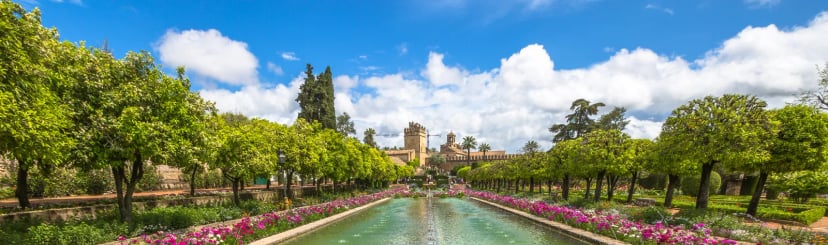


 So if you are looking for the absolute best in Cordoba & surroundings with authentic local fully-licensed native guides whose English you can actually understand and with an exclusive and amazingly fun itinerary